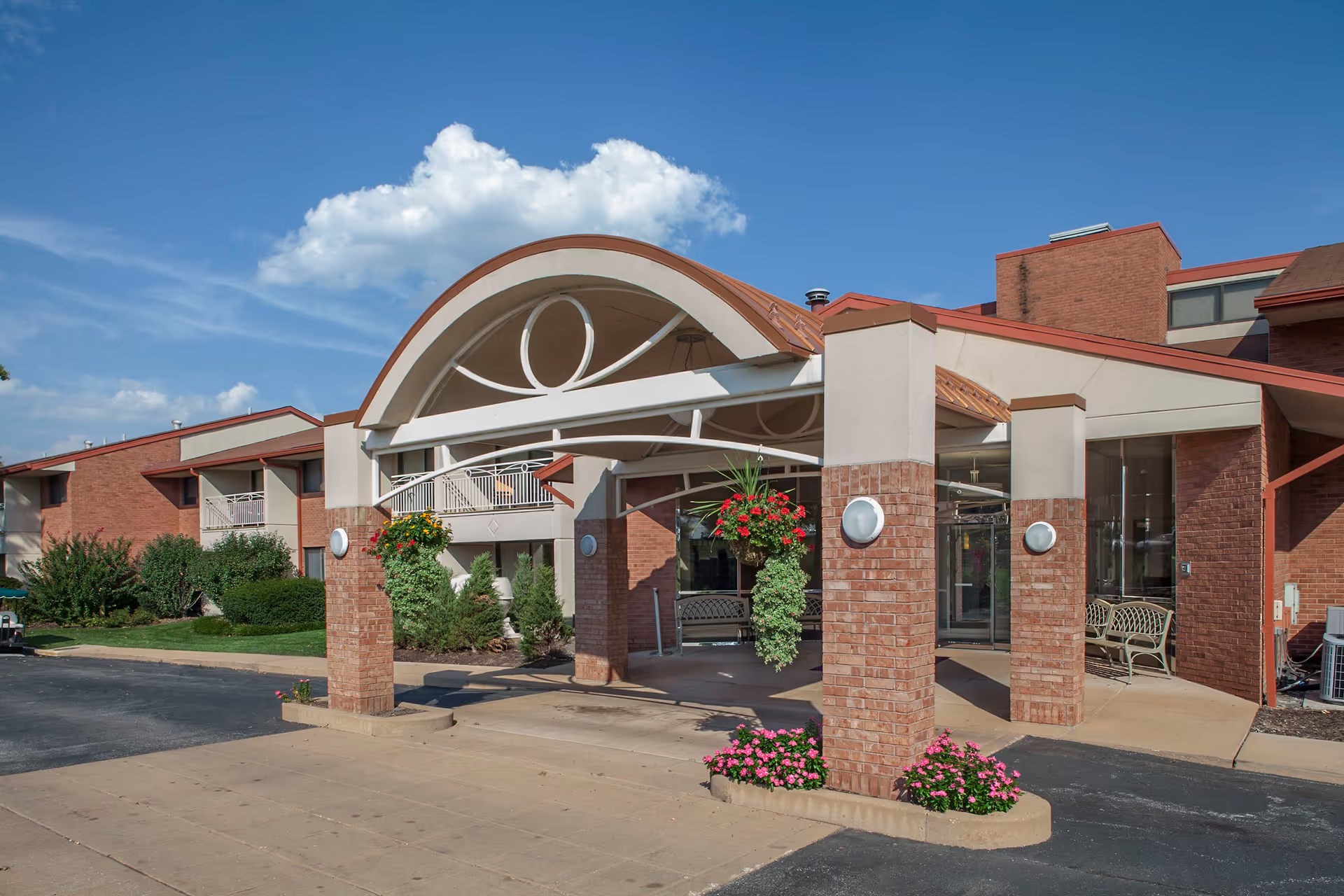
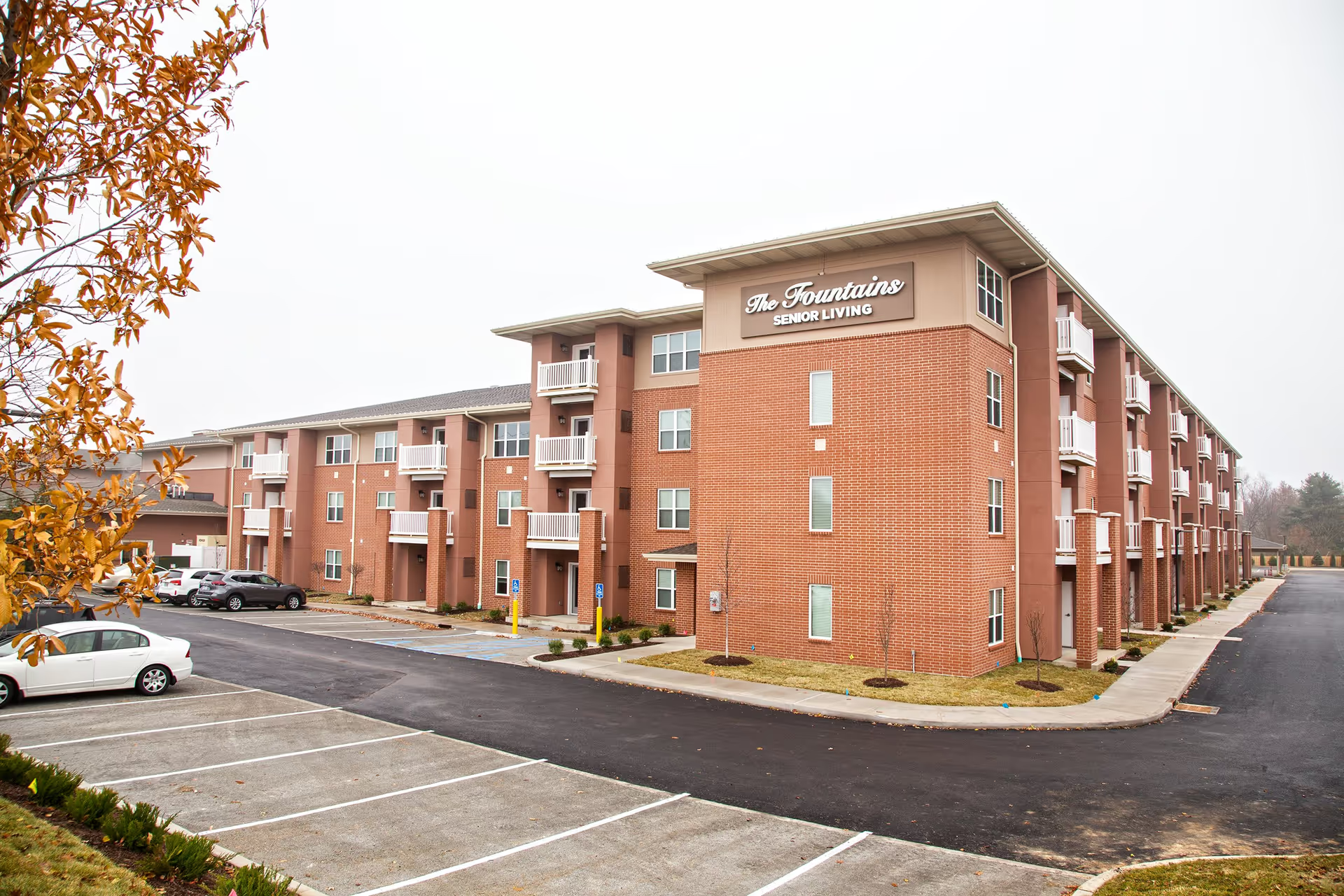
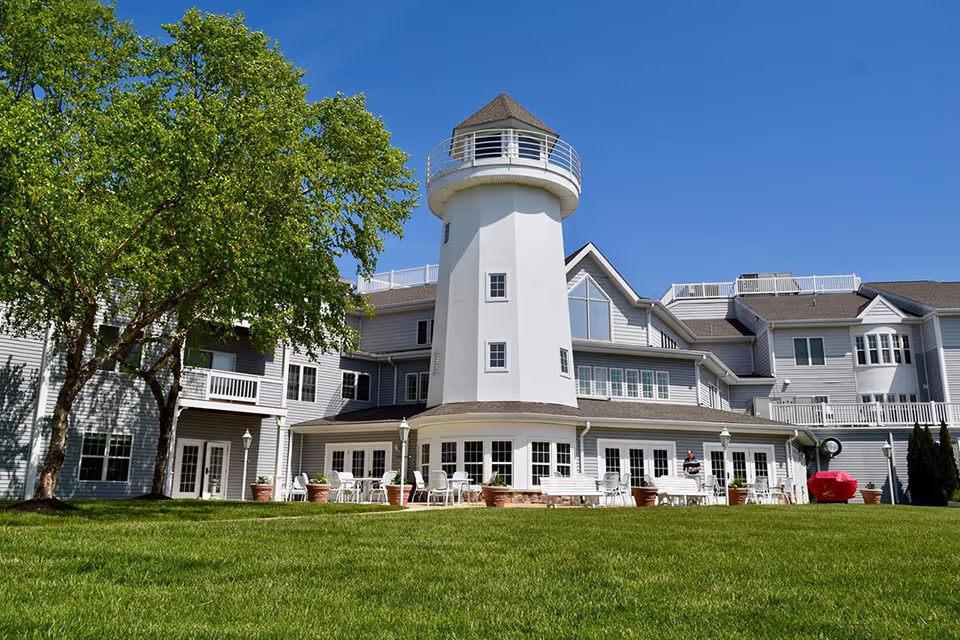
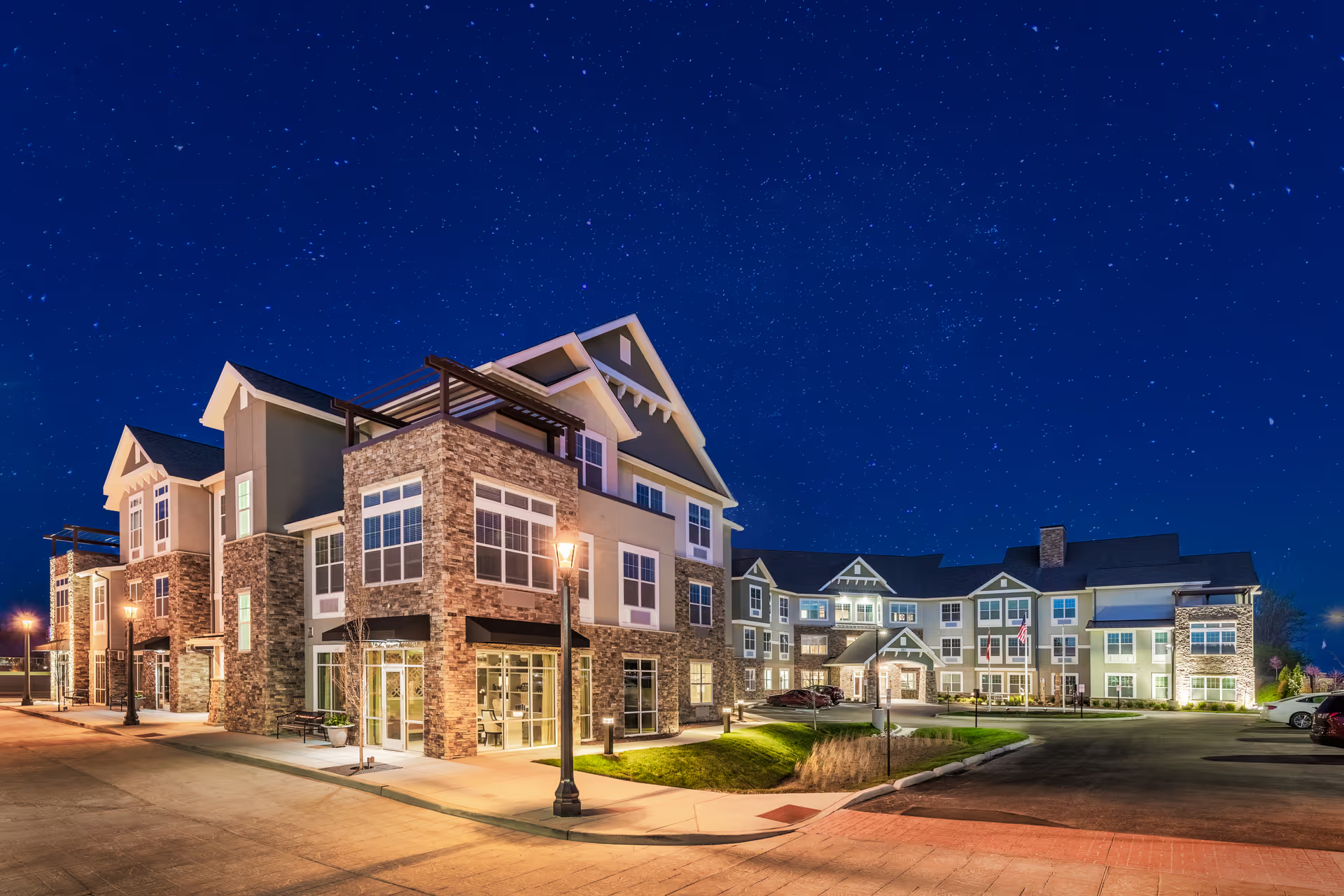
Brookdale West County presents as a newer, hotel-like assisted-living and memory-care community with many physical strengths: bright, well-decorated common areas; spacious apartments in many units; wide hallways and easy accessibility; outdoor views and pleasant grounds; and amenity spaces such as a fitness room, library and activity rooms. The property design and onsite features (large elevator, staffed front desk, onsite dining director) consistently draw praise and support a comfortable, community-style living environment.
Care quality in memory care is frequently described as a major strength: families cite attentive nursing, structured memory programs, engaging activities, and stable caregivers who know residents by name. Therapy and rehabilitation services also receive positive notes for early mobilization and involvement of therapists. At the same time, assisted-living experiences are mixed. Several operational patterns reduce suitability for residents who require higher-acuity nursing or continuous one-on-one care: families reported delayed assistance with activities of daily living, limitations in mobile assistance, and concerns about transfer and fall-safety practices. These observations point to the facility being better suited for residents with moderate needs rather than very frail or skilled-nursing–level requirements.
Staffing and management show a bifurcated picture. Many reviews emphasize compassionate, stable long-term staff, an engaged activities team, and moments of responsive leadership (executive director or director of nursing praised by some families). Conversely, recurring themes include intermittent understaffing, night and weekend coverage gaps, reliance on temporary/agency caregivers at times, and notable staff turnover. Those operational inconsistencies are associated with service lapses described by families—delays in attending to resident needs, missed or inaccurate medication documentation, and uneven follow-through on housekeeping or scheduled services.
Dining, activities and resident life are strengths when fully staffed and managed: reviewers commend varied social programming (singing groups, religious services, outings), frequent communal dining, and generally enjoyable meals and presentation. However, there are repeated comments about limited menu variety for special diets, occasional warmed rather than freshly prepared items, and an ala-carte pricing model that can create confusion about what services are included versus extra charges. Families recommend careful review of billing and use of itemized invoices.
Sanitation and administrative practices are areas of concern for some families. While many describe the community as clean and well-maintained, others cite uneven housekeeping schedules, sanitation irregularities in certain units or bathrooms, and pest-control follow-up issues. Clinical documentation practices are another consistent operational gap: limited electronic health-record infrastructure and incomplete medication-timing records were noted, complicating family oversight and physician coordination. A small number of serious allegations (including concerns about staff conduct and financial misconduct) accompany these operational criticisms; these are outlier but significant items that prospective families will likely want to investigate further.
Taken together, the pattern is one of a physically strong, program-rich community with clearly effective memory-care capability and many devoted staff, juxtaposed against operational vulnerabilities in staffing consistency, clinical documentation, billing transparency, and oversight during administrative transitions. Prospective residents and families should balance the facility’s attractive environment and active programming against its variability in hands-on care for higher-acuity needs. Recommended due diligence steps include in-person tours at multiple times of day, discussion of staffing ratios and contingency plans for agency coverage, review of the written fee schedule and itemized billing practices, clarification of clinical documentation and medication-administration policies (including EMR availability), and contact with current family members when possible to assess day-to-day consistency.