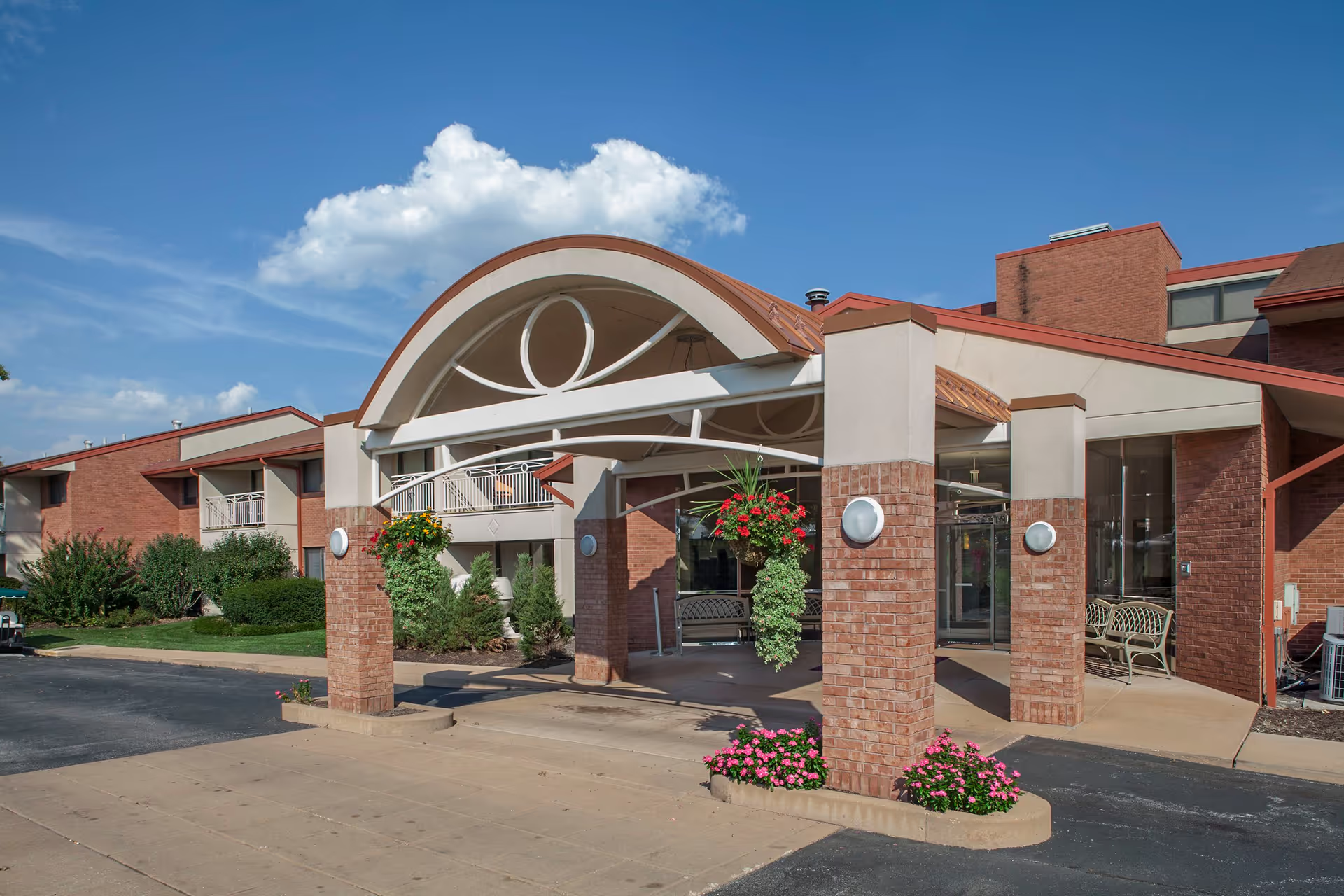
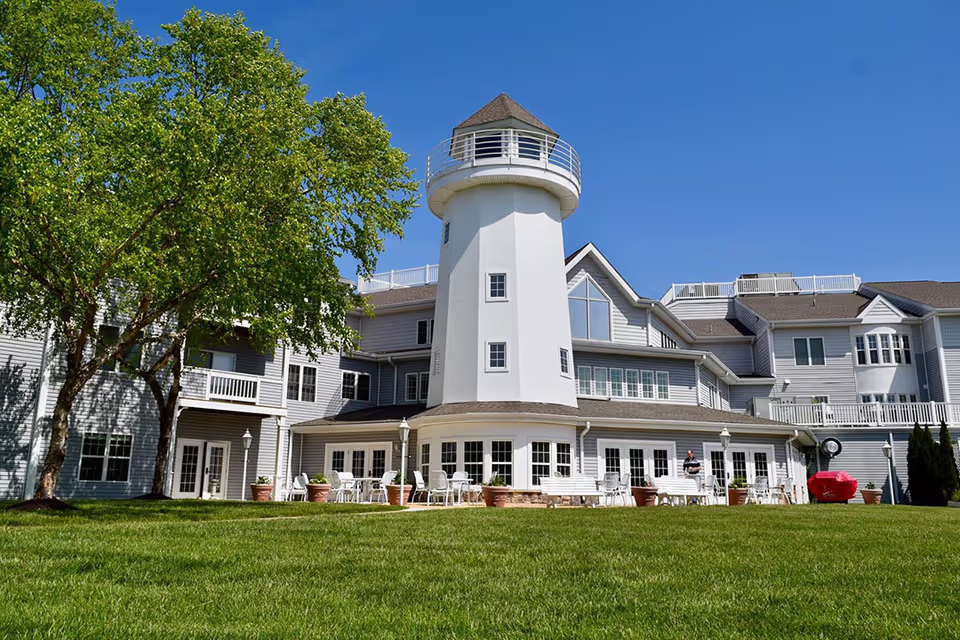
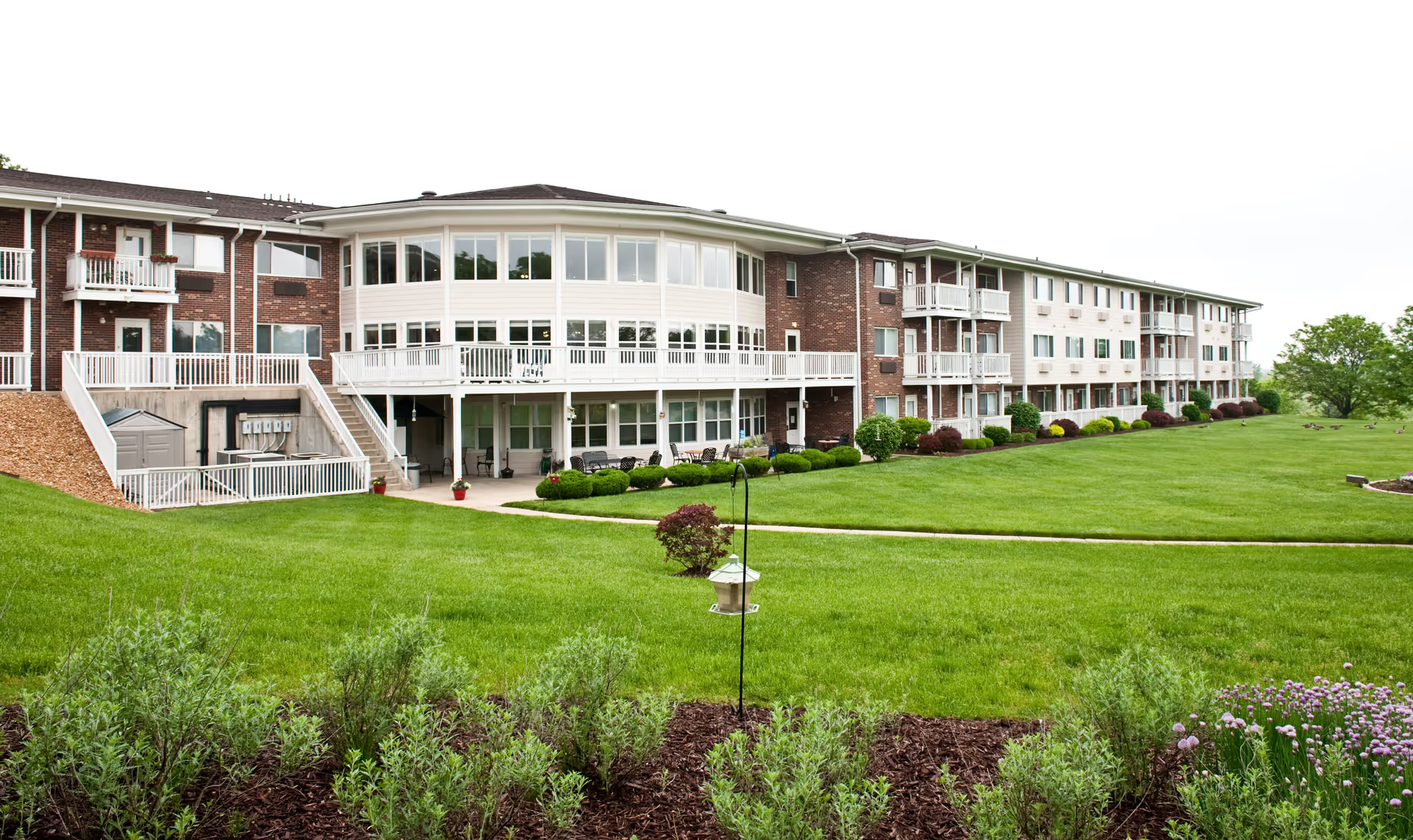
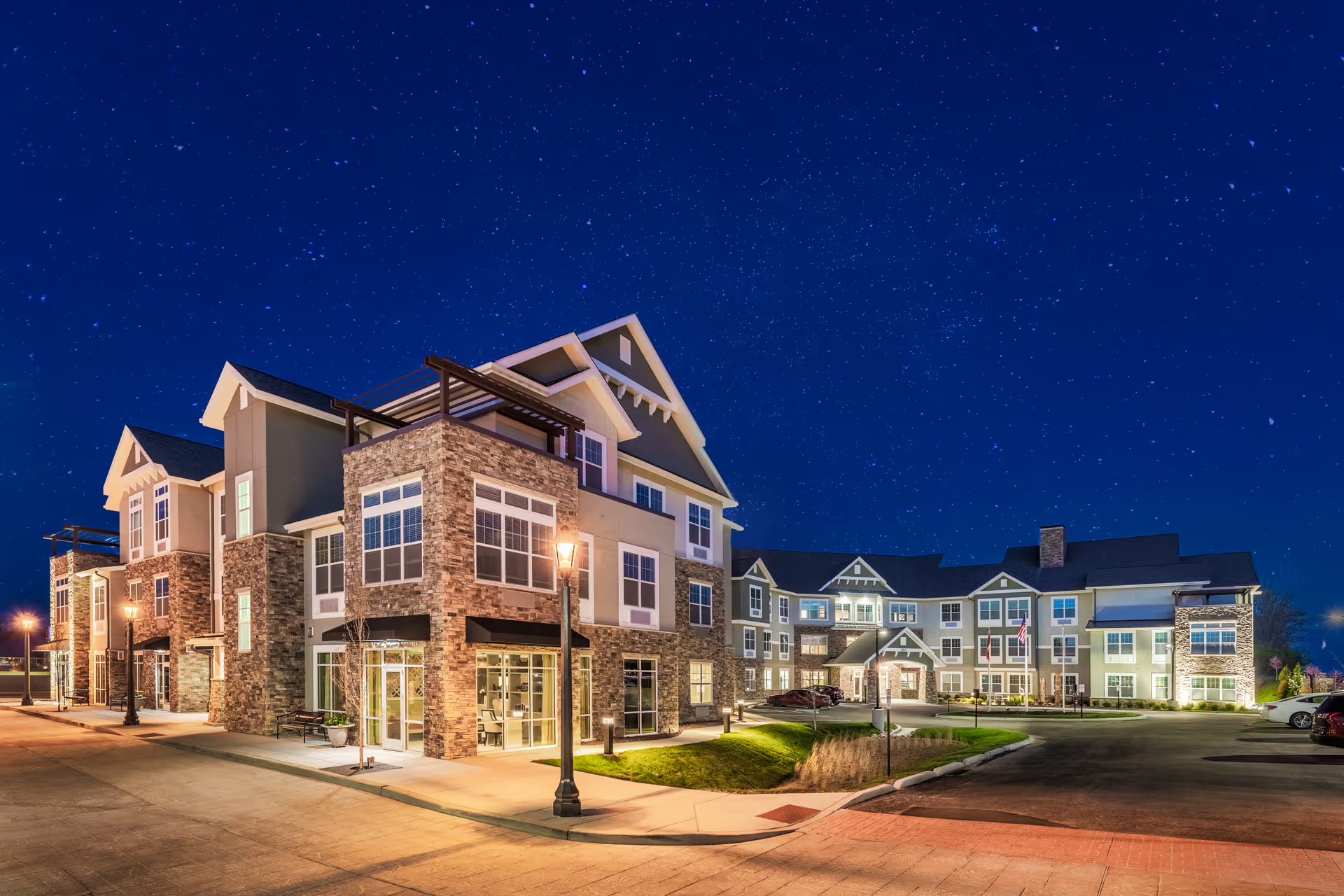
Holiday Briarcrest Estates presents as a small, community-oriented independent living campus with a clear emphasis on hospitality. Reviewers consistently highlight the staff as a central strength: care teams are commonly described as compassionate, responsive, and familiar with residents by name. On-site nursing and home-health A La Carte options are available, and many families value the facility’s supportive transition processes and individualized attention. Security features such as cameras and controlled access, along with routine housekeeping and maintenance, contribute to an overall impression of safety and order in the common spaces.
Dining and social life are prominent features of life at Briarcrest. The campus offers chef-prepared meals served three times daily in a bright dining room; many reviewers praised meal presentation, variety, and the social value of dining. At the same time, there is a notable pattern of variability: some residents describe consistently excellent food and dietary accommodation, while others describe declining or inconsistent meal quality and limited customization for specific medical diets. The activity program is extensive on paper — including exercise groups, clubs, outings, and entertainment — and many residents report improved social engagement. However, activity continuity can be uneven at times, with cancellations or lower engagement reported during staffing transitions or other interruptions.
The physical plant is mixed. Many apartments feature patios or balconies and larger one- and two-bedroom layouts, and several reviewers noted ongoing unit renovations and attractive communal amenities (gym, pool, game and craft rooms). Conversely, the building is often described as older: carpeting, fixtures, and some HVAC/AC units are dated; several units have small or oddly shaped kitchens and storage. Accessibility is an operational limitation for some prospective residents — there are reports of mobility and transfer challenges related to elevator reliability, lack of certain bathroom grab bars or wheelchair lifts, and limited assisted-living capacity, so people with higher physical-care needs should confirm suitability in advance.
Operational risks and management patterns deserve careful attention from prospective residents and families. Multiple reviewers raised concerns about inconsistent staffing levels, occasional delays in responsiveness, and high turnover periods that affected service continuity. There are also mentions of sanitation and pest-control issues in parts of the building and inconsistent laundry sanitation practices; these are facility-level process concerns rather than isolated perceptions and should be reviewed during a visit. Admissions and billing practices drew some criticism — including complaints about pricing transparency, sales pressure, and an allegation concerning referral/fee handling — so clarify contractual terms, refundable policies, and any entrance-fee details before committing.
In summary, Briarcrest Estates offers a warm, small-community environment with strong interpersonal staff relationships, on-site clinical options, robust communal dining, and an active social calendar. Strengths cluster around staff warmth, meal-centered community life, and value-oriented pricing for some unit types. Weaknesses are operational and facility-level: inconsistent staffing and activity continuity, variability in dining and sanitation controls, dated building systems and unit layouts, and some management and admissions transparency concerns. Prospective residents should arrange an extended visit that includes mealtime, a review of recent inspection or pest-control records, a walk-through of specific apartment options, and a clear written explanation of fees, policies, and available care levels to determine fit for their needs.