The reviews present a mixed picture. Several accounts praise front-line caregivers, describing them as caring and attentive and noting an overall adequate level of clinical care for routine needs. At the same time, other reviewers raise significant operational concerns that suggest variability in how care is delivered and managed.
Care and staff: Direct-care staff receive positive comments for compassion and day-to-day assistance, and some families specifically noted good support during transitions. However, there is a recurrent theme of variability in staff competence and responsiveness. Reviewers describe instances where staff conduct and communication were problematic, and there are concerns about how injuries and safety incidents are handled. Taken together, these accounts indicate inconsistent training, supervision, and incident-response practices across shifts or units.
Dining and activities: Several reviewers described inconsistent meal quality and portioning, with some characterizing meal service as constrained by cost considerations. Activity offerings appear limited for some residents; comments about boredom and prolonged time spent in rooms suggest opportunities to expand or better coordinate programming and social engagement. At the same time, the resident community itself is described as friendly and sociable, which can support informal engagement even where formal programming is limited.
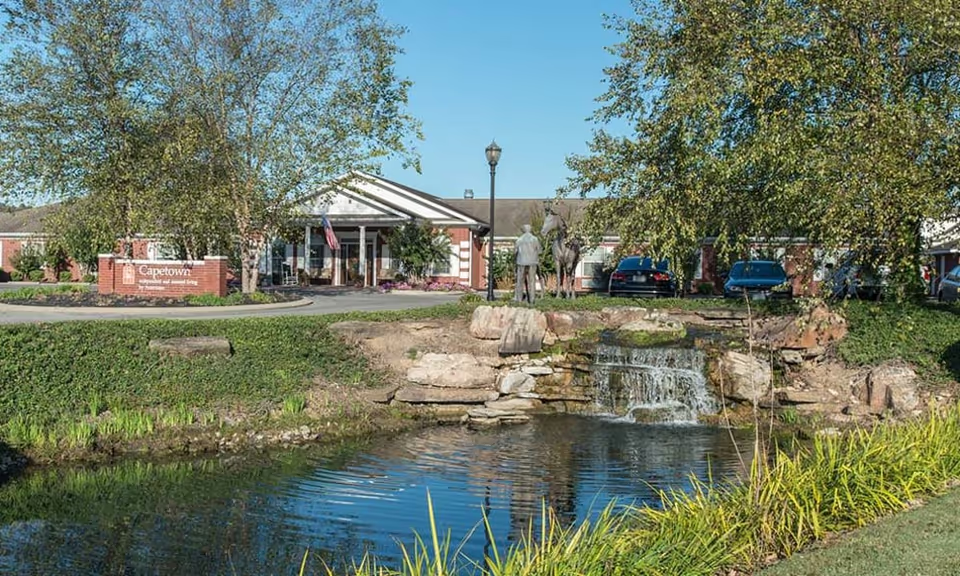
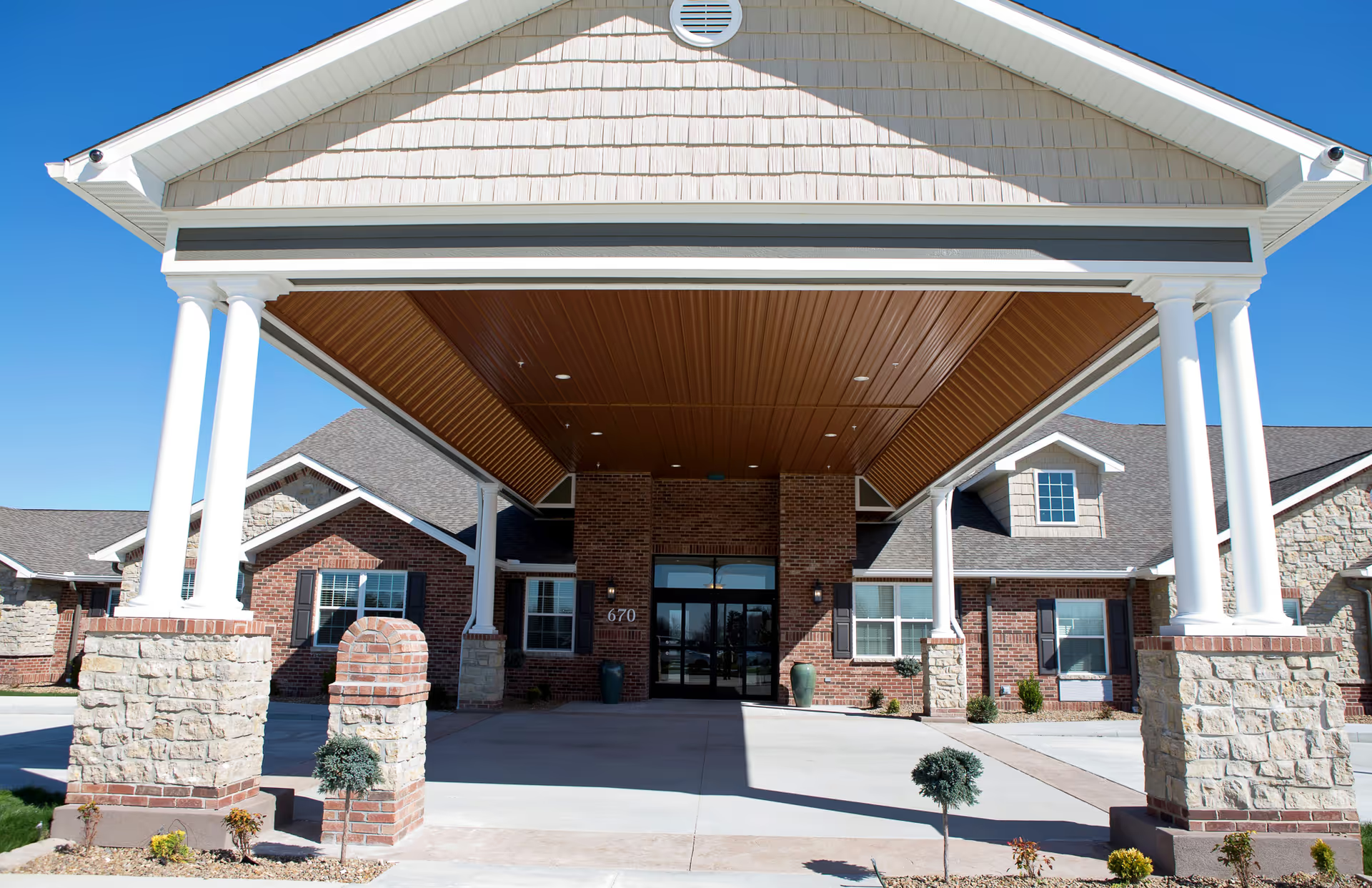
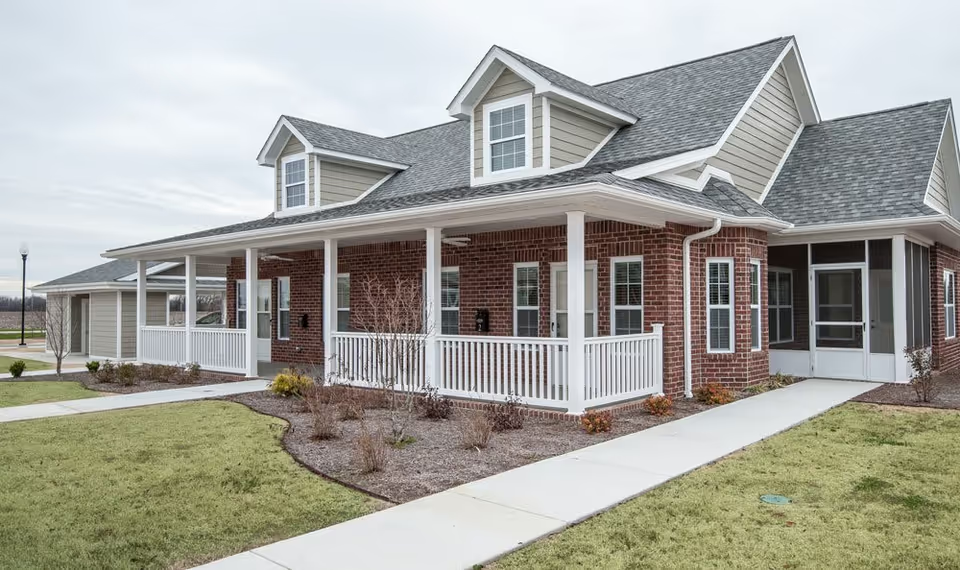
Facilities and environment: Multiple summaries identify sanitation and maintenance shortcomings, including odor concerns and maintenance deficits in rooms and common areas, as well as pest-control issues in living quarters. These comments point to weaknesses in environmental services and preventative maintenance that can affect resident comfort and perception of quality.
Management and administration: A consistent pattern relates to administrative responsiveness and communication. Families described difficulty reaching the facility by phone, missing or inaccessible contact information, and delayed or unsatisfactory responses from leadership. There are also serious concerns about financial processes and transparency around resident funds. Reviewers indicated instances where financial dealings were unclear to families, suggesting a need for stronger safeguards and clearer documentation. Some reviewers pursued external channels through adult protective-services or mental-health authorities to escalate unresolved concerns, indicating that complaints have extended beyond informal family outreach.
Notable patterns and implications: The overall pattern is one of operational inconsistency. Strengths at the caregiver level coexist with organizational and managerial weaknesses that affect safety, environmental quality, mealtime consistency, resident autonomy, and family communication. Prospective residents and families should seek direct information about staffing levels and training practices, environmental-service protocols (including pest control), meal policies and portioning, financial-account safeguards, and mechanisms for timely family communication and incident resolution. A site visit that includes review of written policies, menus, pest-control logs, and examples of how the facility handles complaints will help clarify whether the positive caregiving experiences are paired with reliable institutional practices.