Reviews of Heartland Care & Rehab Center present a mixed picture: many families and commenters praise the compassion and dedication of direct-care staff and highlight a strong rehabilitation/therapy program, while others describe operational problems that affect day-to-day resident experience. The facility appears to have made physical improvements in places and can provide hands-on nursing shifts that families found helpful, but those positive aspects coexist with persistent system-level weaknesses.
Care quality is uneven. Several accounts describe effective nursing and therapy interventions and positive short-term rehabilitative outcomes. At the same time, other comments describe delays in responsiveness to resident needs (for example, prolonged waits for assistance with personal care) and concerns about clinical-service availability — reviewers noted a lack of certain specialty services (cardiac rehab) and limited therapeutic-diet options. There are also reports that transfer or admission decisions can be restricted by behavioral or insurance criteria, which may affect continuity of care for some residents.
Staffing is a recurring theme. Reviewers frequently cite understaffing and unpredictable coverage, with particular problems on weekends and during shift changes. Aides are depicted as overwhelmed when staffing is insufficient, and several comments raise concerns about staff screening, training, and retention. Conversely, multiple reviews singled out individual nurses and shifts as highly attentive and willing to go beyond expectations, indicating variability by team and shift.
Dining and activities receive less consistent commentary. The rehabilitation department is repeatedly described as a strength, but dining-related limitations were raised specifically around therapeutic-diet availability (for example, diabetic diet options). Activity programming was not a dominant theme in the summaries provided, aside from references to a more home-like environment after facility updates.
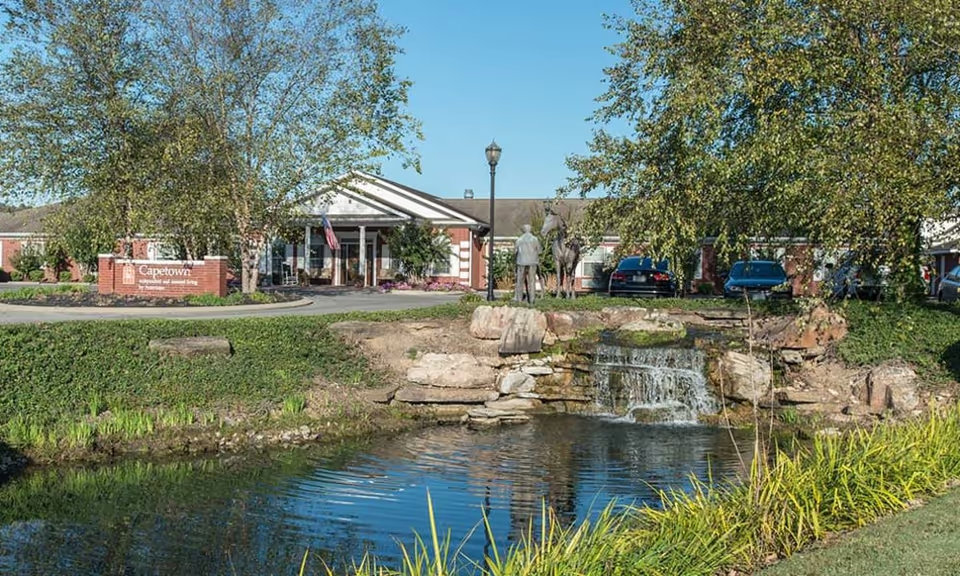
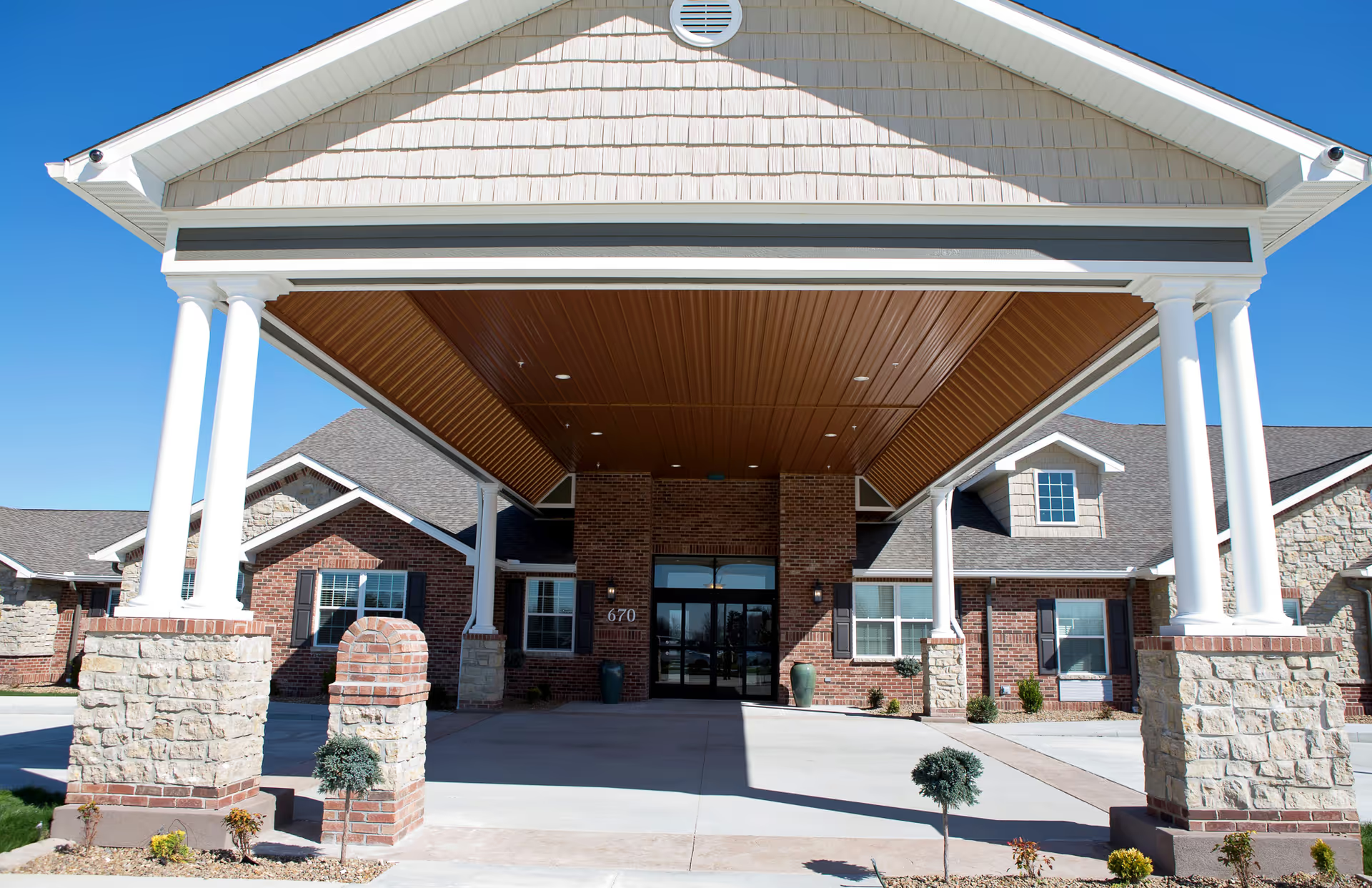
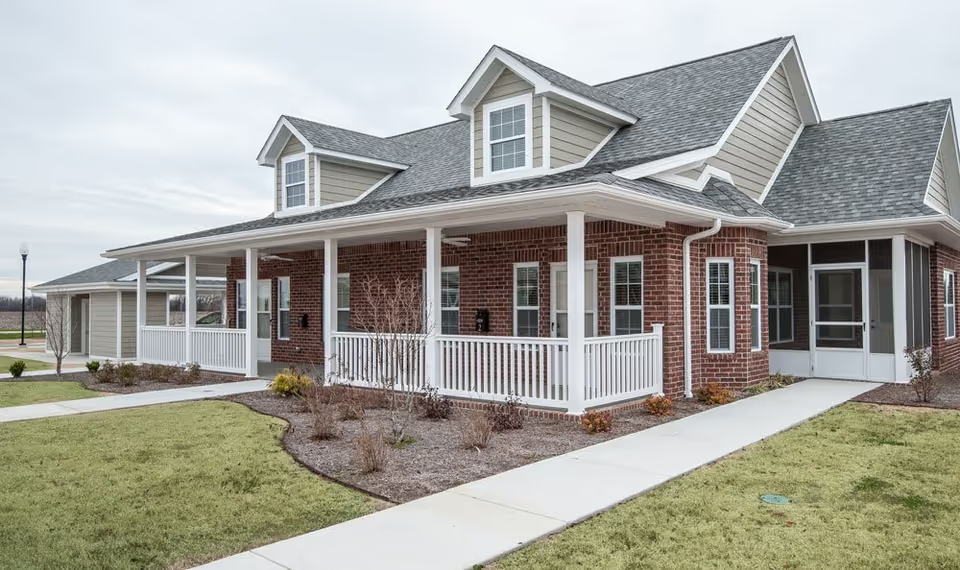
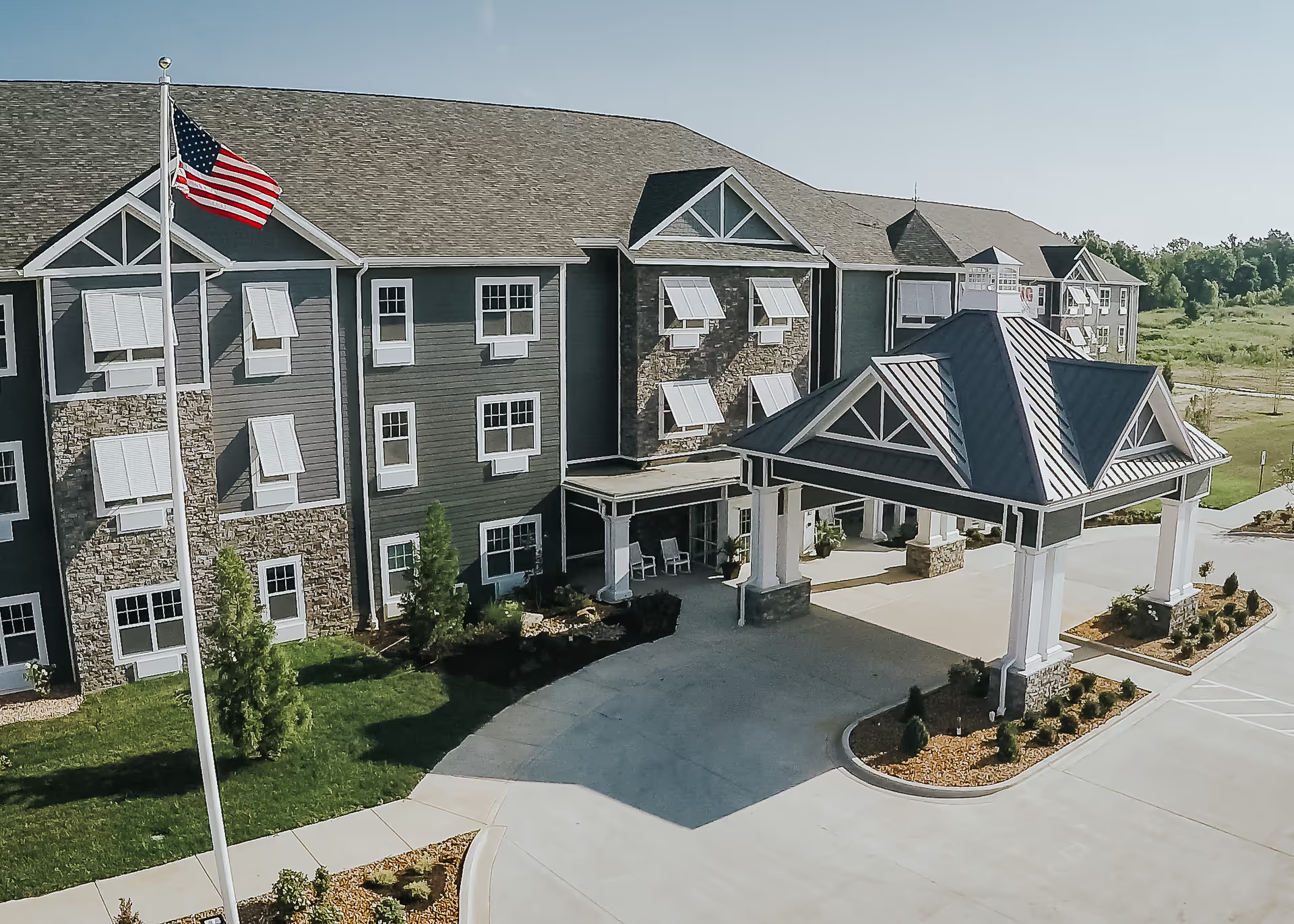
Facility condition and operations show contrasts. Some reviewers appreciated renovations and a home-like atmosphere; others noted outdated decor, odor concerns in common areas, intermittent shortages of linens and supplies, and pest-control concerns in parts of the building. There are also serious operational concerns regarding asset security, with allegations of missing personal items cited by families.
Management and communication are inconsistently viewed. Several families praised nursing leadership and accommodating administrators, while others described poor communication, an unfriendly tone from specific administrators, inconsistent enforcement of visitation rules, and a lack of documentation to justify restrictions. Phone responsiveness and weekend administrative coverage were also called out as problem areas. A limited number of reviews referenced regulatory or state-level involvement; those items indicate instances that families viewed as significant and warranting inquiry.
Overall pattern: strengths concentrate around compassionate caregivers and a capable rehab program, while weaknesses are primarily operational — staffing stability, consistency of basic hygiene and housekeeping services, security of personal belongings, availability of specialized clinical services, and clear, documented policies and communication. Prospective residents and families should consider visiting at different times (weekday/weekend, day/evening), ask for current staffing ratios and turnover information, confirm availability of required therapeutic diets and specialty services, inquire about pest-control and linen/supply protocols, and request written policies on visitation and incident reporting before making placement decisions.