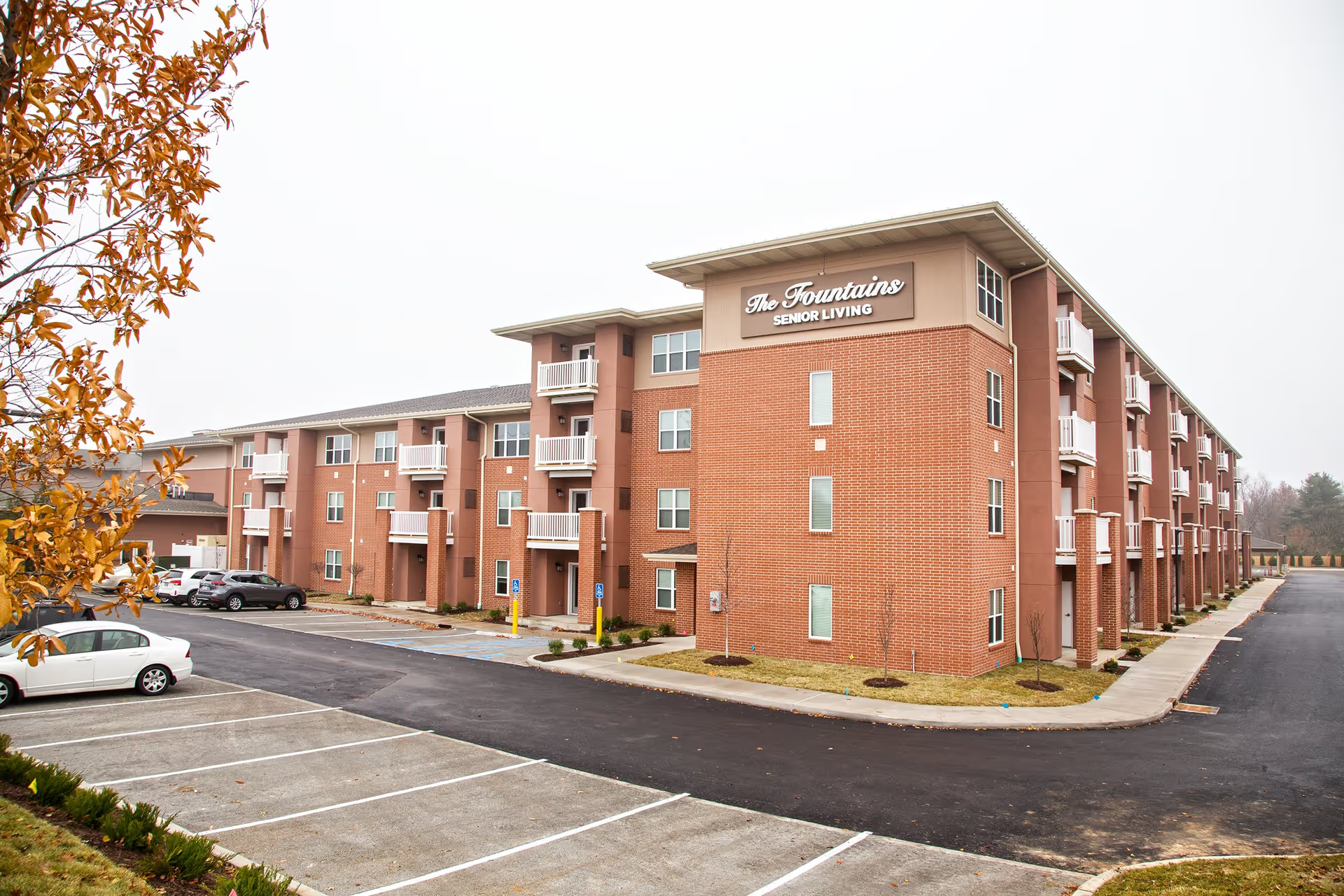
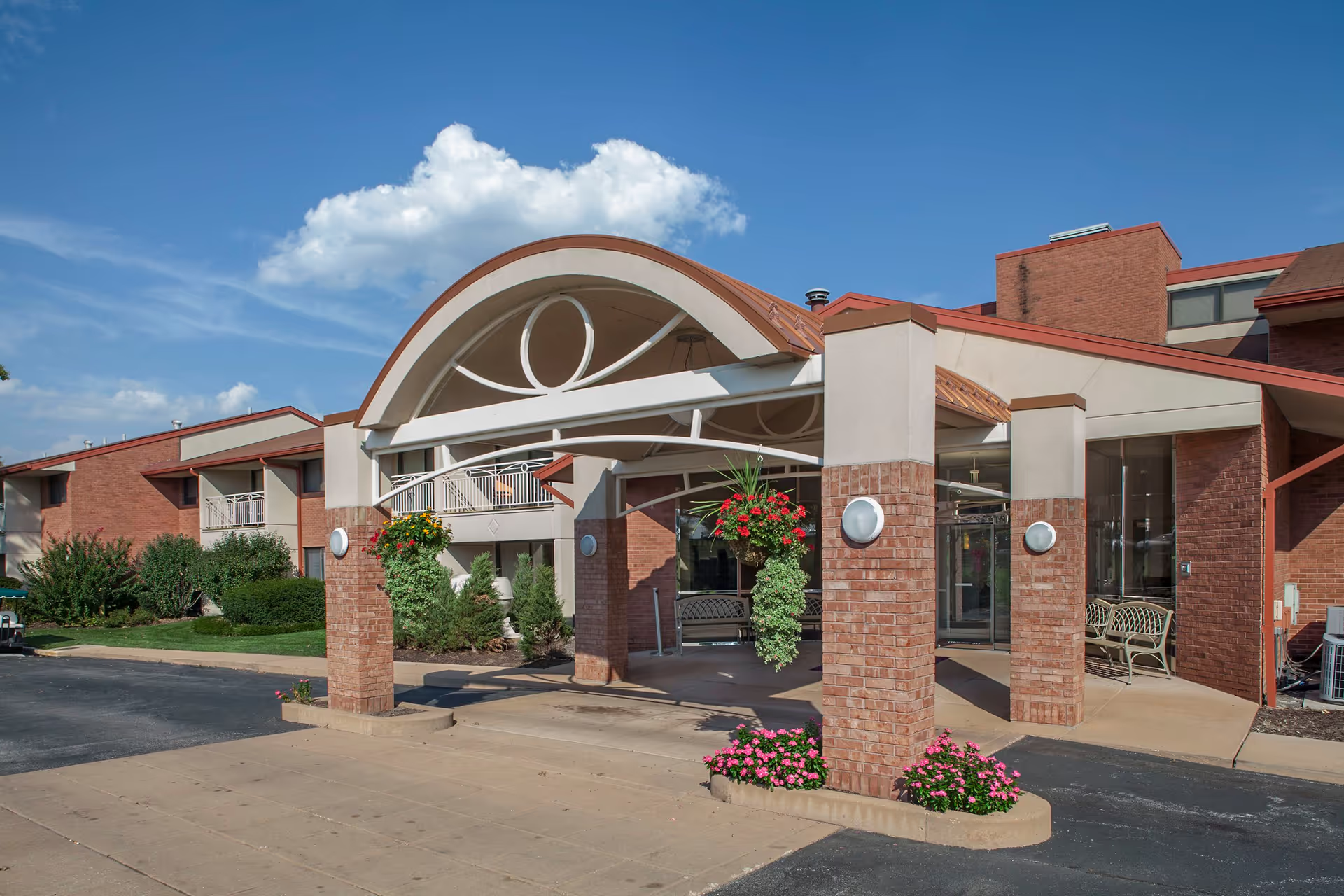
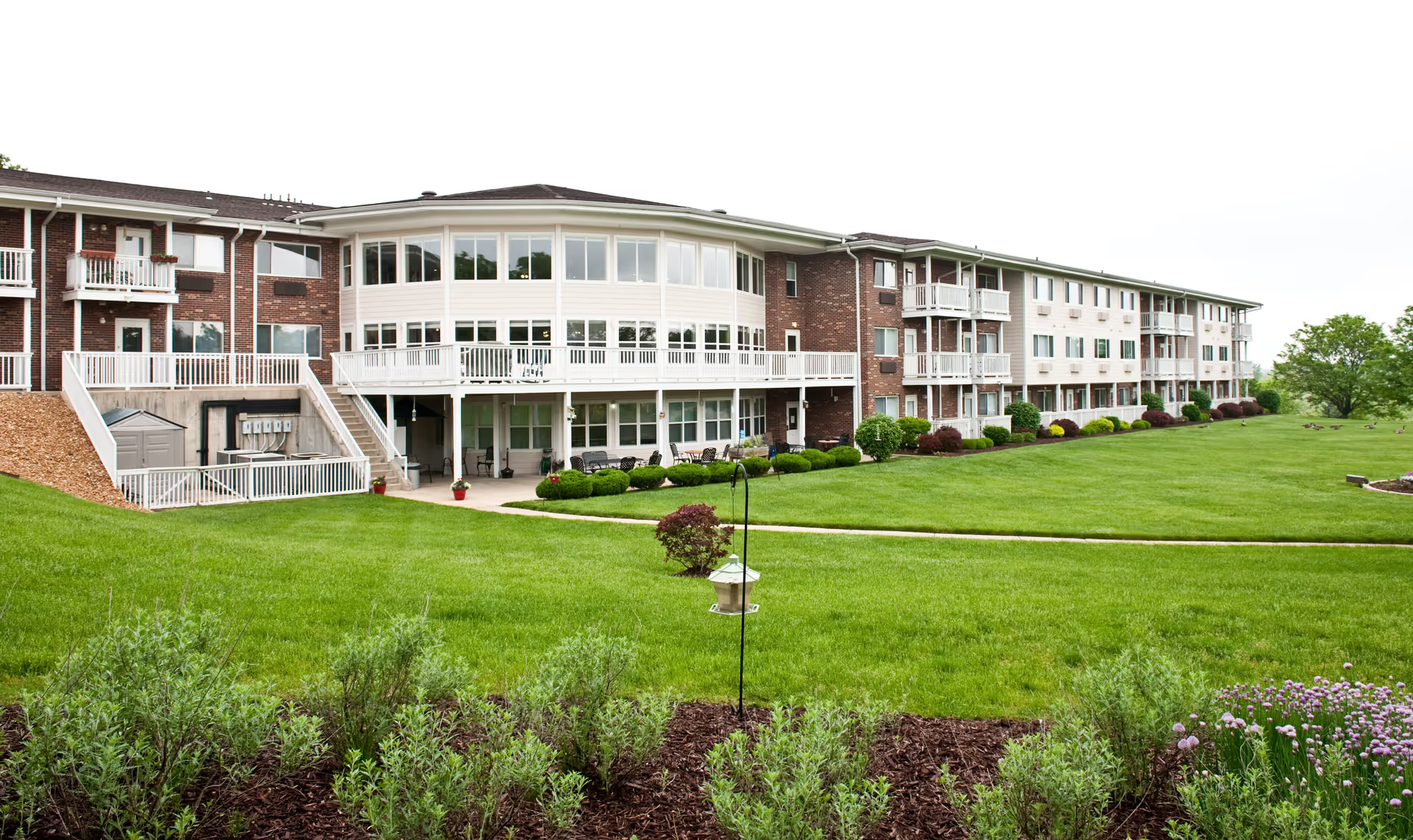
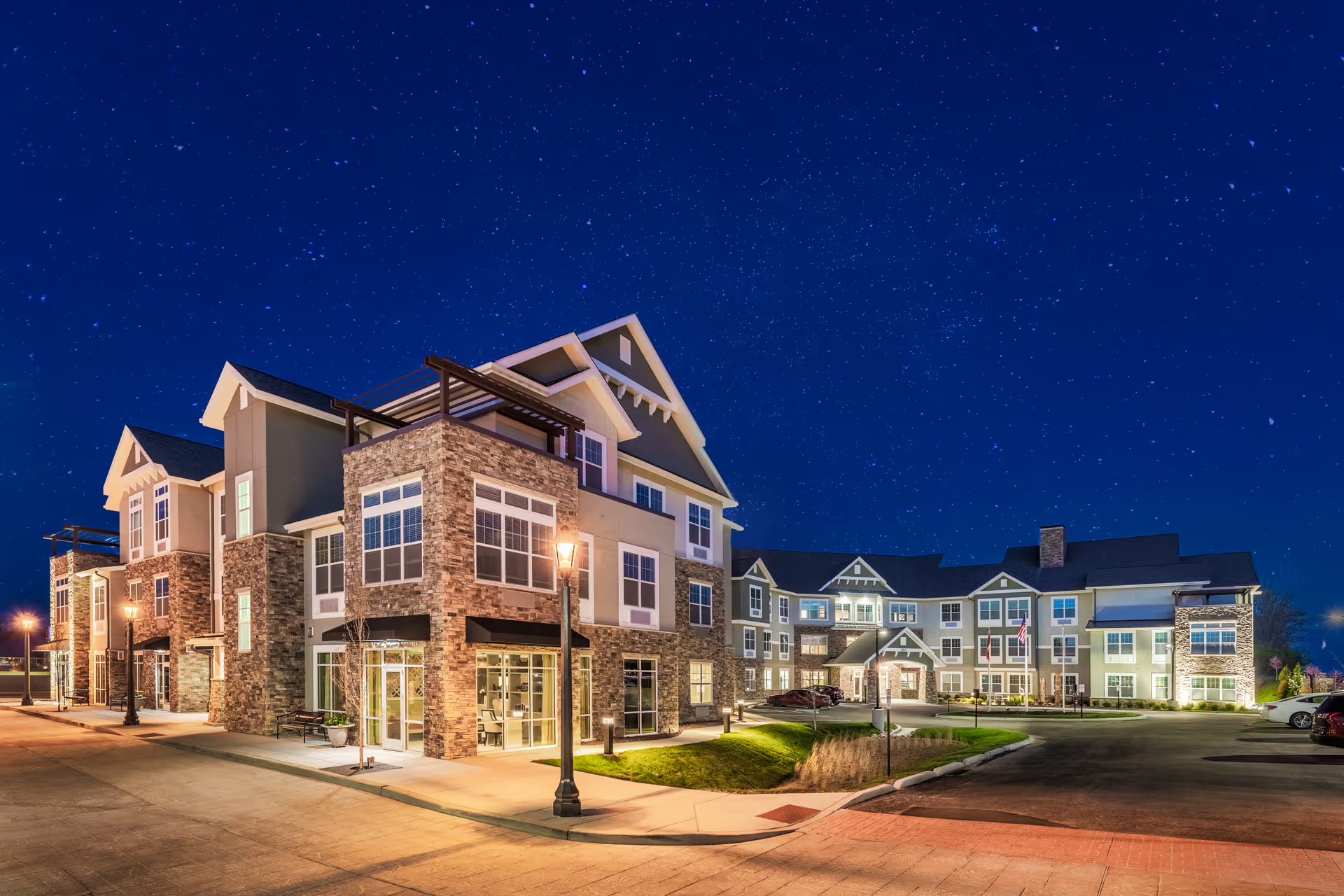
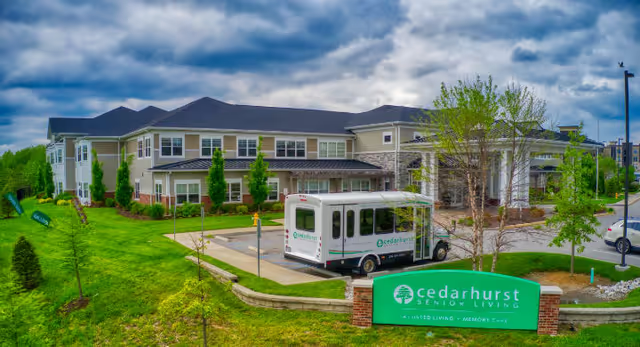
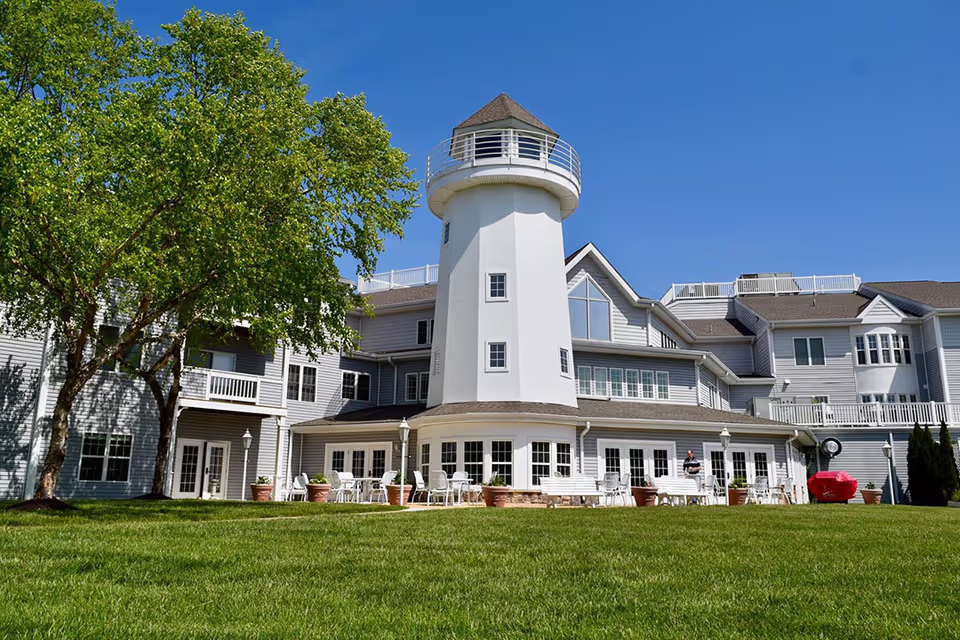
Sunrise of Chesterfield elicits strongly mixed impressions: many families and residents praise the built environment, social life, and individual caregivers, while others describe operational gaps that have direct implications for daily care and family confidence. The facility's physical plant is frequently highlighted as a strength — reviewers note attractive, updated apartments and common areas, a restaurant-style dining room, well-maintained decor, and an active maintenance team. There is a recurrent sense of community for many residents, with staff interactions described as warm and family-like, and a robust schedule of activities and outings, including memory-focused programming and on-site therapy and rehabilitation services.
Care quality descriptions are variable. Positive accounts emphasize attentive, compassionate caregiving and effective therapy services that improve residents' engagement and functioning. Counterbalancing those accounts are consistent operational concerns: delayed responses to call buttons, inconsistent medication administration and missed clinical tasks, sporadic showering and toileting assistance, and occasional safety-related issues during transfers. These problems are often tied to staffing patterns — reviewers identify inconsistent staffing levels, high turnover, and uneven staff training as contributing factors.
Dining and daily services show a split pattern as well. Several reviewers praise the chef, variety of menu options, and attractive dining atmosphere; others report late meals, small portions, and inconsistent food quality. Laundry and sanitation processes are another recurrent area of concern: delays in laundry pick-up, lost items, and broader sanitation management issues are described in multiple accounts and have affected family confidence.
Activity programming and social life are cited as strengths when well staffed: engaging events, outings, and memory-care activities are present and meaningful for many residents. However, the availability and consistency of those programs sometimes decline with staffing shortages or operational changes; families considering the community should verify the current activity calendar and frequency of outings.
Management and administrative themes merit attention. Positive interactions with admissions and front-desk personnel are common, yet there are repeated notes about communication gaps from leadership, slow follow-through on maintenance and care-plan changes, and billing transparency problems including unexpected fees or retroactive adjustments. Prospective residents should confirm all fees in writing and ask how changes to care levels are communicated and billed.
Notable patterns: experiences are polarized — while many families report high satisfaction with staff, environment, and outcomes, a nontrivial subset describe care-process failures that affect safety and dignity. Memory care and skilled-nursing capability exist on-site, and several reviewers singled out the memory-care team for strong performance; other reviewers raised concerns about crowding, decor choices, and the social fit for less-impaired residents.
Recommendations for prospective residents and families: during a tour, observe a medication pass or mealtime if possible, ask for documented call-button response targets and recent staffing ratios by shift, request a copy of the standard resident contract with all ancillary fees called out, inquire about laundry and sanitation protocols, and speak directly with the memory-care leadership if appropriate. These targeted checks can help reconcile the facility's clear environmental strengths with operational variability described across reviews.