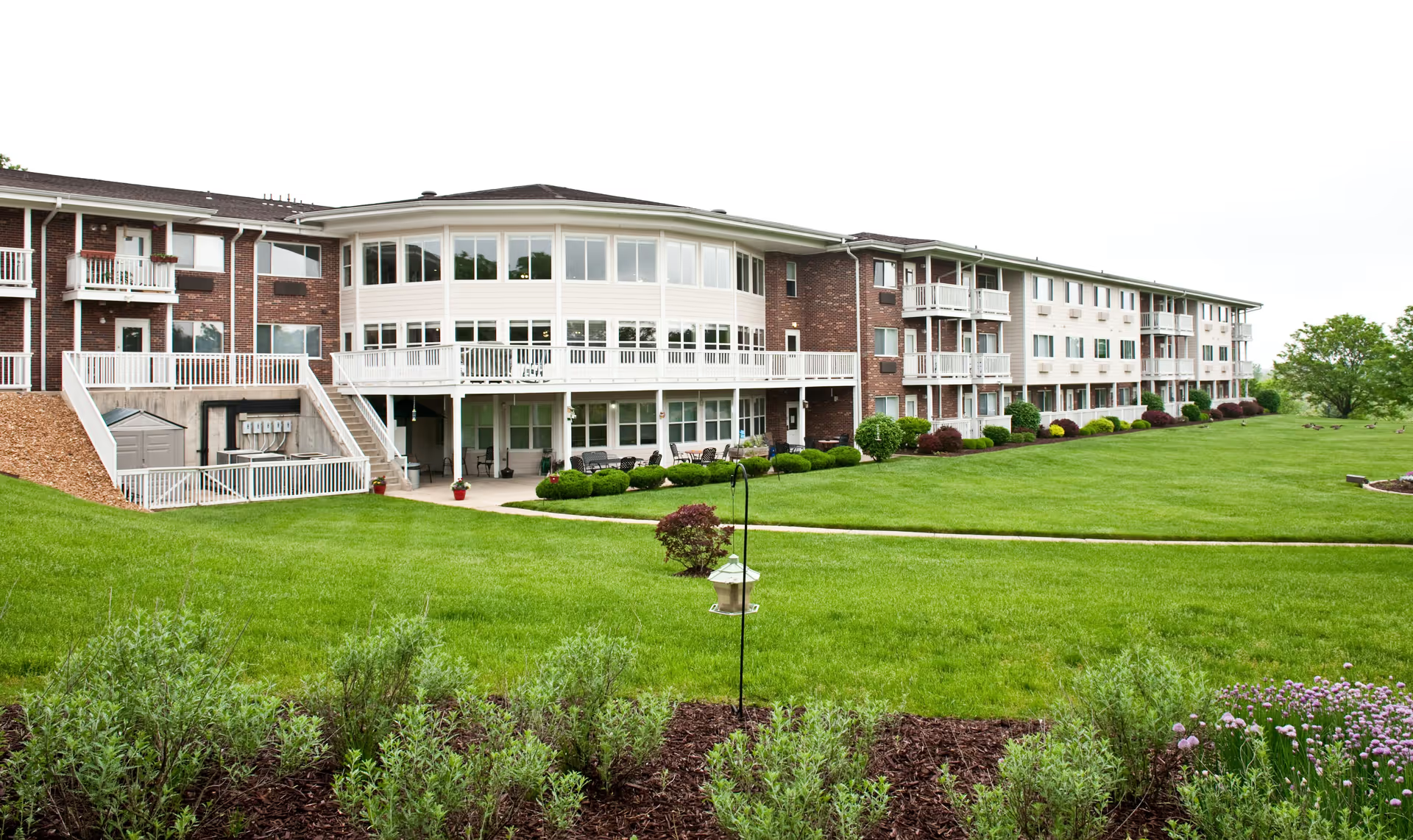
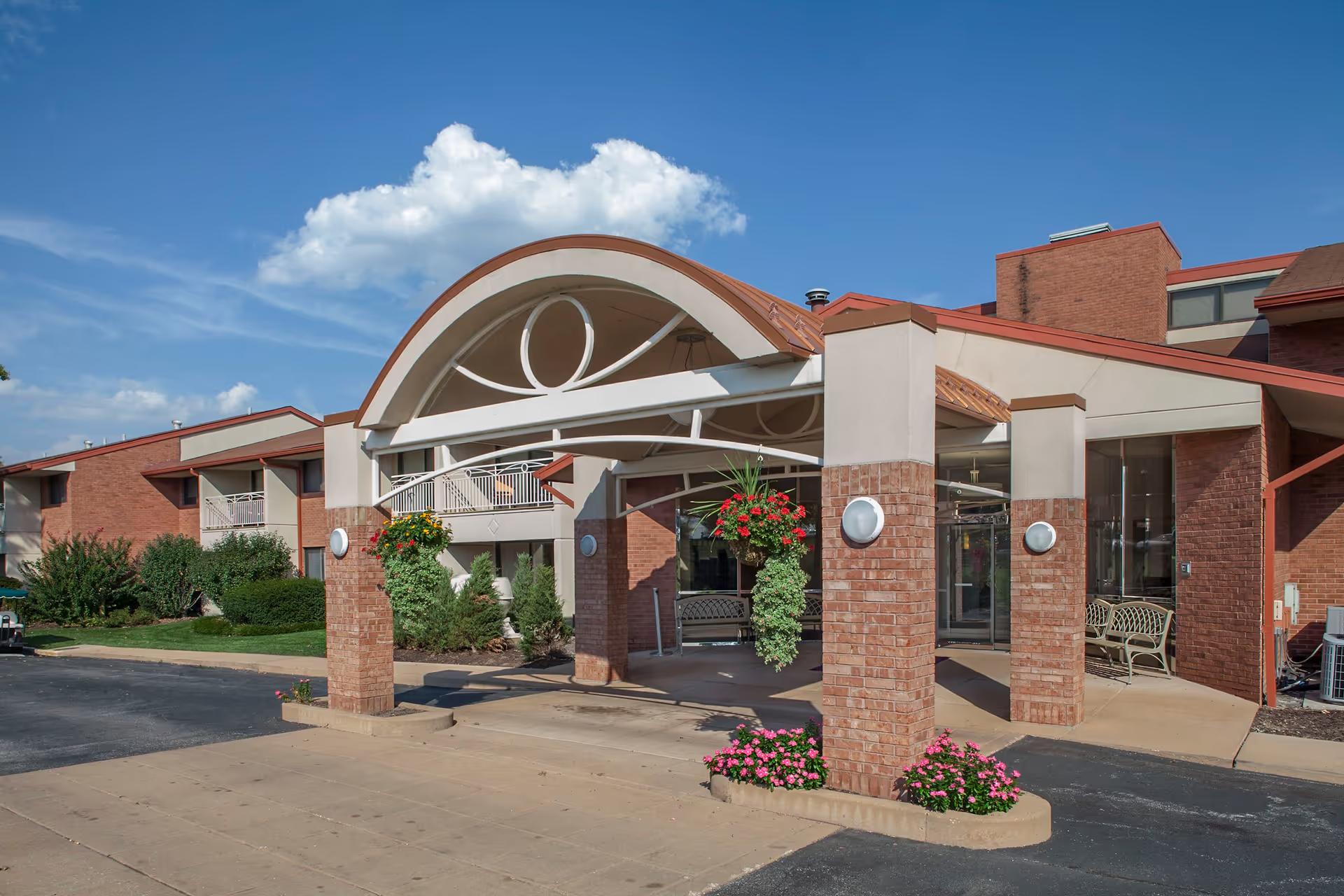
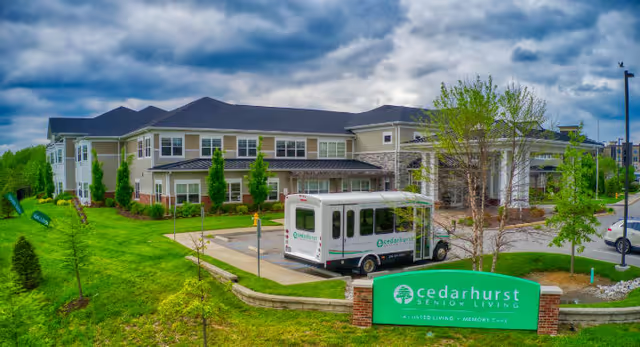
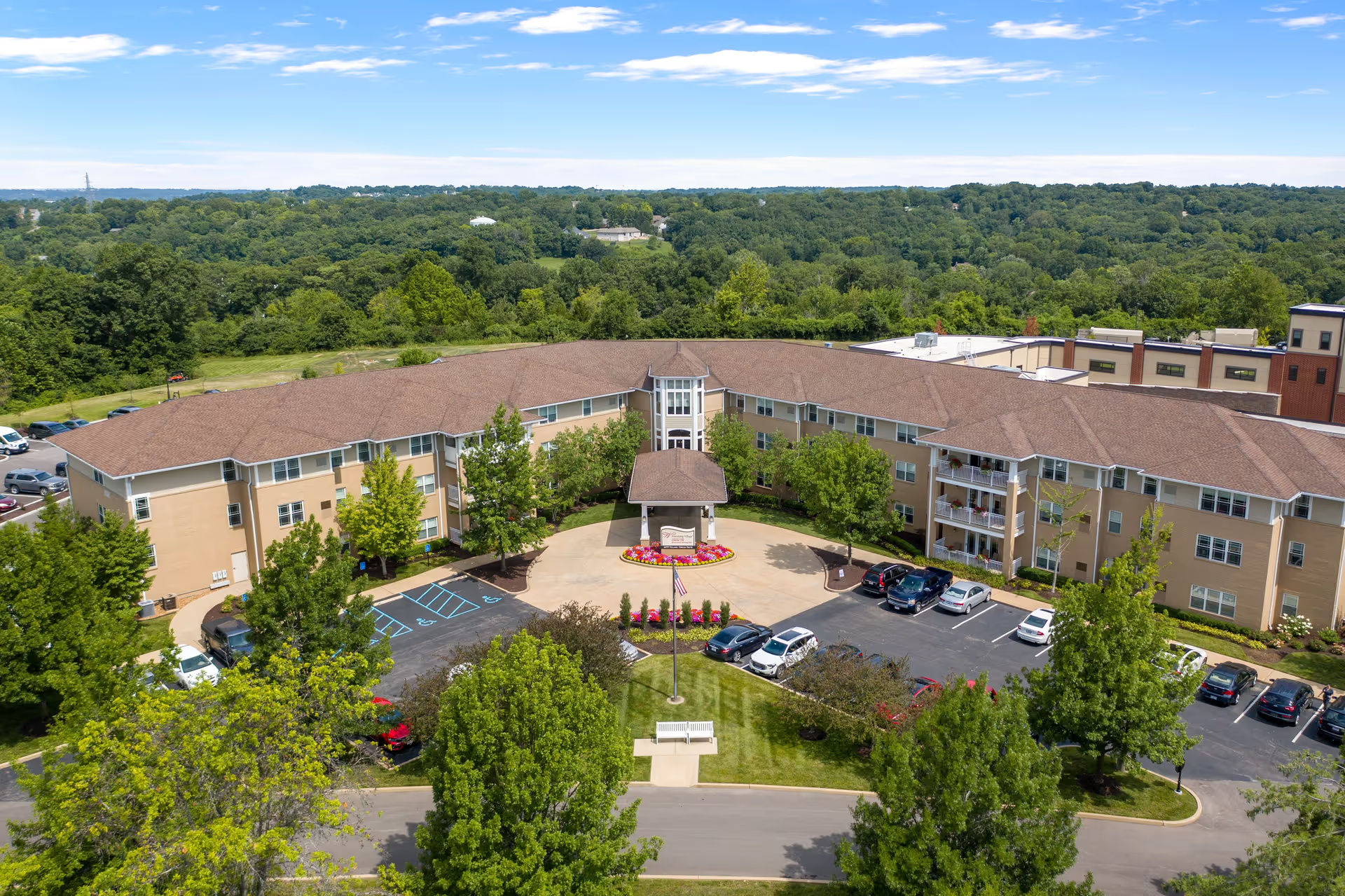
Reviews of Ellisville Rehab and Nursing show a mixed but consistent pattern of strong frontline caregiving and therapy services alongside operational and reliability concerns. Many families and residents describe compassionate, well-trained nurses, CNAs, and therapists who provide personalized care, effective physical and occupational therapy, active engagement in the memory-care unit, and a robust activities program that includes pet visits and frequent social offerings. The facility environment is frequently described as clean, pleasant, and home-like, with attractive grounds, tidy rooms, and organized visitor safety procedures.
Clinical and direct-care quality appear variable. Positive accounts note attentive nursing communication and hospice coordination, but other reports highlight delays in assistance, inconsistent bathing and toileting help, transfer-safety weaknesses, and gaps in wound care and skin integrity practices. Medication administration and documentation have been characterized as inconsistent in some cases; families should verify medication reconciliation processes and watch for timely nurse communication. Where care coordination is proactive, families report confidence; where it is not, concerns center on delayed responses and poor follow-up.
Dining and nutritional services are another area of mixed feedback. Some reviewers praise the meal variety and accommodating staff, while others describe inconsistent food quality and problems with specialized diets (for example, pureed meal handling and texture/consistency issues). Dining-room atmosphere is sometimes described as institutional, with limited staff engagement during meals and an environment that can feel noisy or unsettled for residents who need more support.
Activities and memory-care programming are frequently cited as strengths. The activities department is described as active and creative, providing puzzles, games, holiday events, and meaningful social interaction; memory-care approaches and pet therapy were noted to improve resident mood and engagement. These programmatic elements are among the facility's clearer positives.
Facility upkeep and property services are generally viewed favorably for common areas and housekeeping, but reviewers also raised concerns about maintenance inconsistencies (nonworking room appliances, HVAC issues) and personal-item management. Several accounts point to missing clothing and other belongings, and there are allegations of theft that families should address proactively through inventory and documentation procedures.
Management and communication show wide variability. Some families describe responsive nurse managers, social workers, and admissions staff who provide regular updates and rapid responses. Others report dismissive or unresponsive leadership, billing and insurance coordination problems, and phone/communication gaps that complicate care planning. Infection-control outcomes and post-discharge infection concerns were mentioned and warrant direct discussion with facility leadership during visits.
Notable patterns across the reviews include a strong core of compassionate clinical staff and effective therapy/activities contrasted with persistent operational weaknesses: inconsistent staffing, unreliable response times, variable clinical practices (medications, wound care), and lapses in property and administrative controls. Prospective residents and families would be advised to tour the unit(s) of interest, observe staffing and mealtime operations at different times of day, review medication and wound-care protocols, confirm laundry and personal-item procedures, and clarify billing/insurance handling before admission.