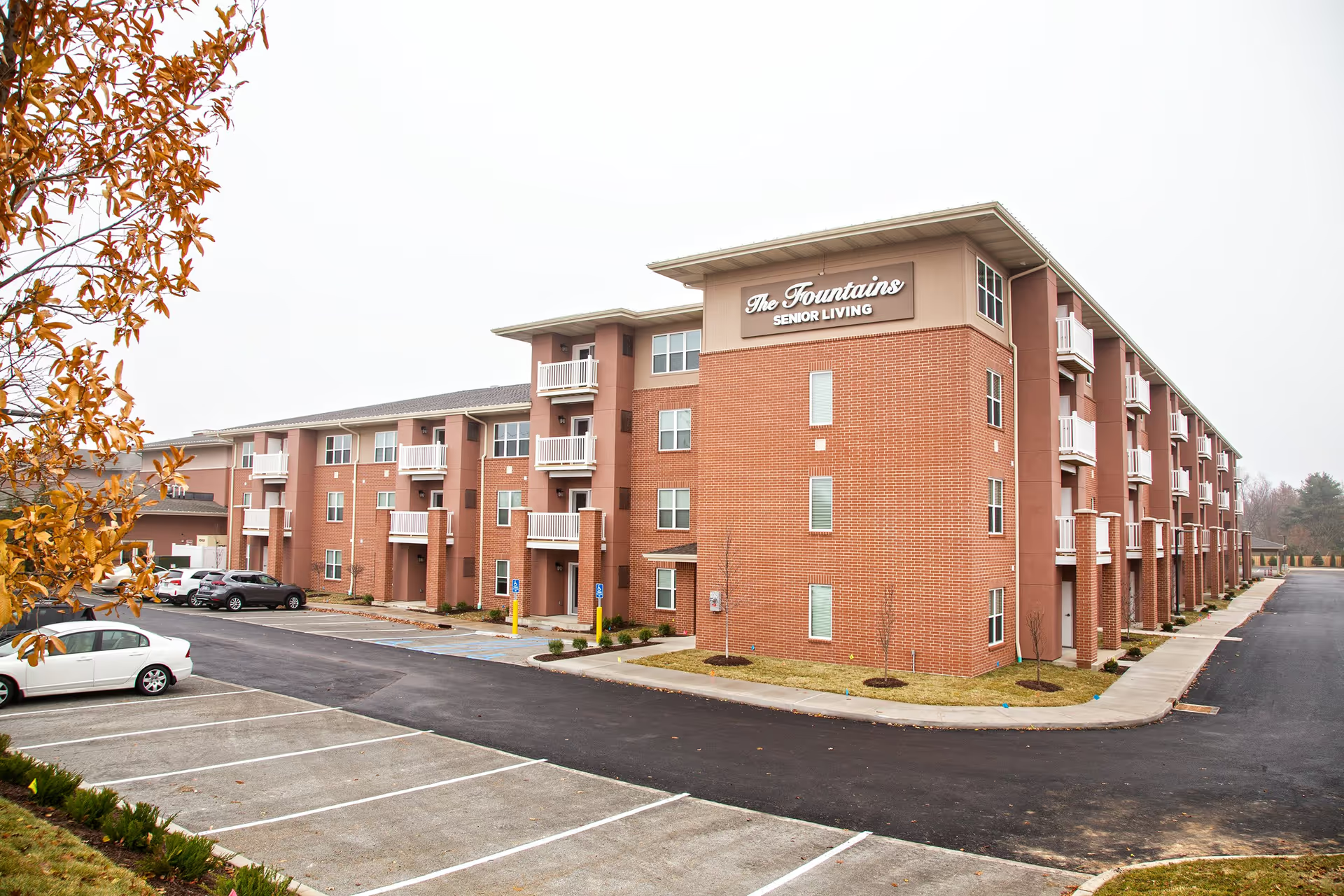
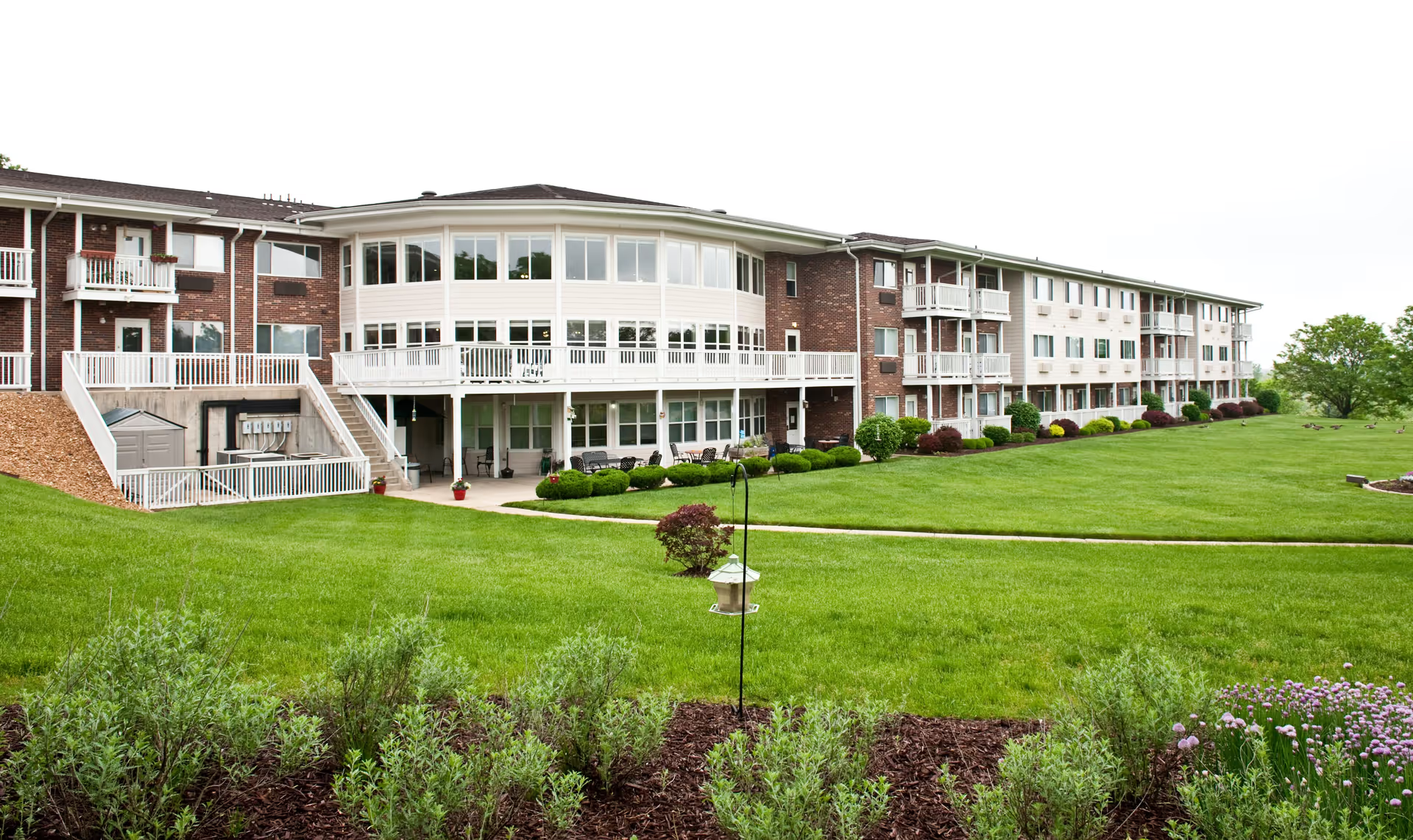
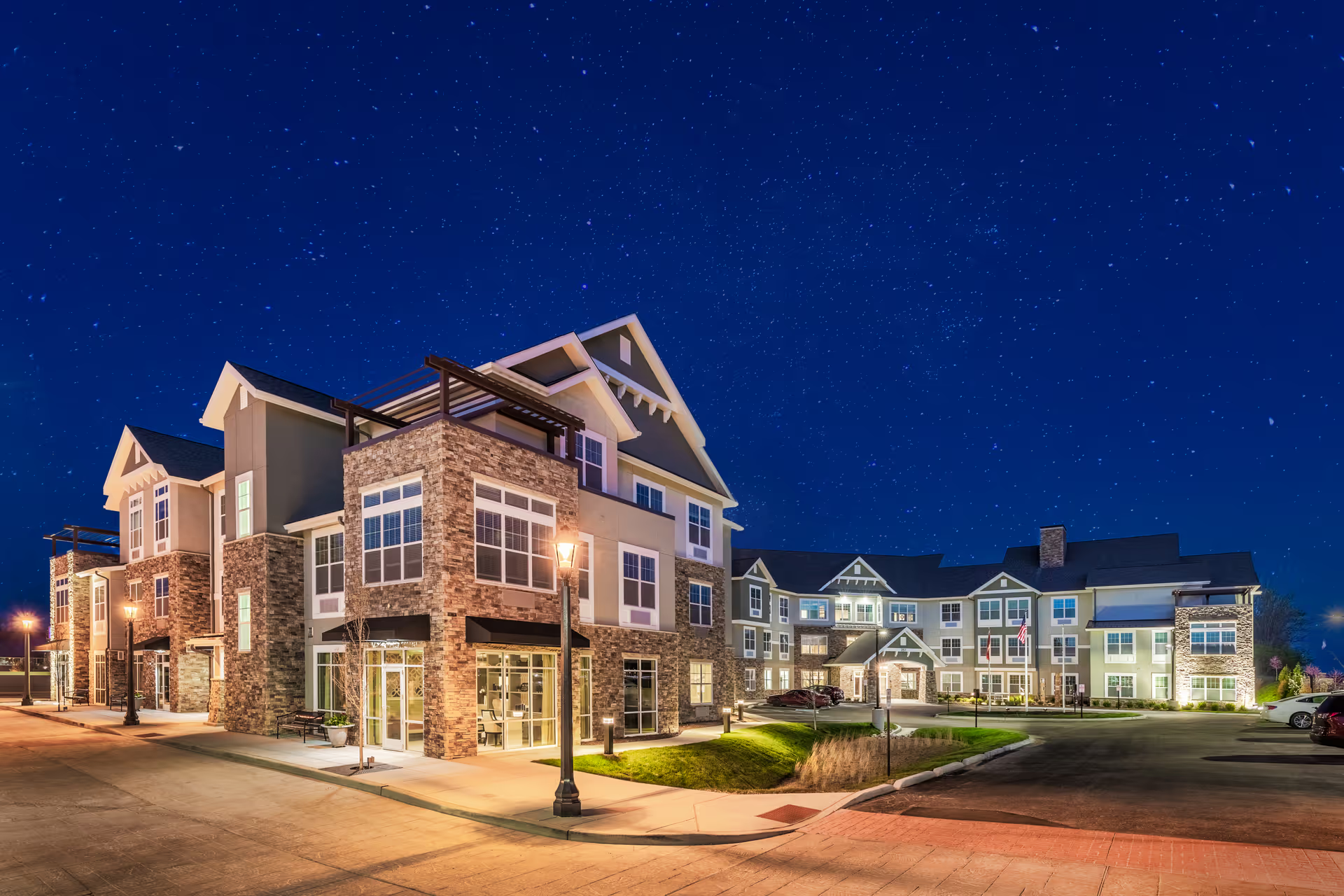
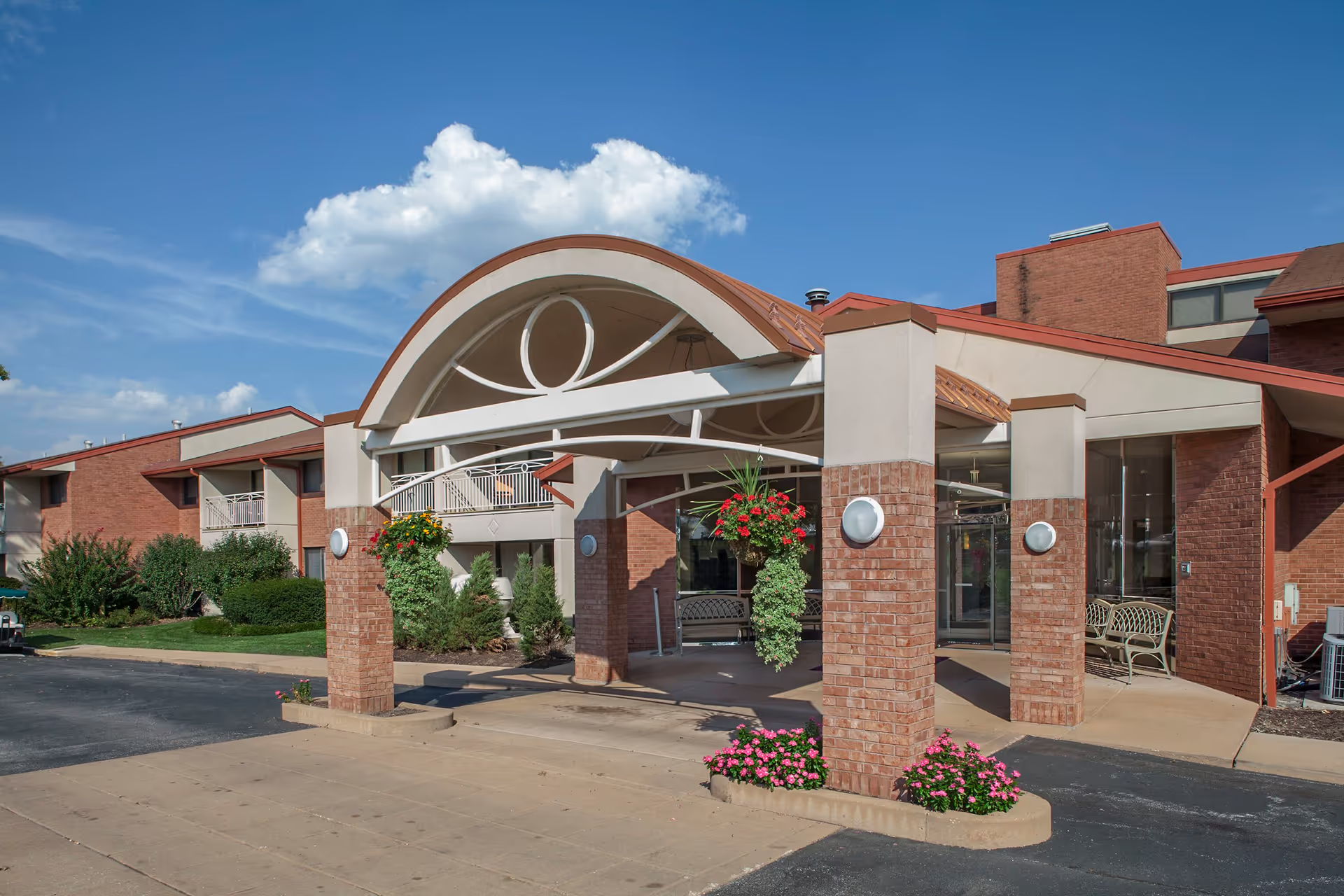
Westview at Ellisville is consistently described as a bright, new-looking community with well-maintained interiors, spacious apartments, and accessible unit layouts. Many families praise the facility’s modern design, natural light, and ample storage; in-unit kitchenettes or full-size appliances in some apartments are viewed as conveniences that support a more independent lifestyle. Common areas, patios, and grounds are frequently characterized as clean and comfortable, and the community offers a range of amenities — salon, gym, library, private dining room, and on-site therapy services — that appeal to active residents.
Direct caregiving and daily-staff interactions receive substantial positive attention. Numerous accounts highlight compassionate, attentive direct-care staff, helpful dining-room servers, and staff members who go beyond routine duties to assist with move-ins, stabilization after transitions, and family communications. The therapy department and on-site PT/OT services are singled out as strengths by families who needed rehabilitation support. For those seeking a small, home-like setting, Westview’s size and social atmosphere — along with frequent activities, music, outings, and gaming programs — are attractive features that promote engagement and socialization.
Dining and activities are generally a selling point, with restaurant-style service, varied menu options, special desserts, and many daily/weekly programs. At the same time, food quality is described as variable: some families praise the menu and presentation, while others find meals bland, repetitive, or inconsistently prepared. Activity programming is broad and often well-received, but its continuity can be affected when activity staff turnover occurs.
Several operational concerns recur across feedback. Staff turnover and leadership changes are notable and have been linked by families to inconsistencies in day-to-day care and administrative responsiveness. Short-staffing at times appears to affect timeliness of care, consistency of bathing and toileting assistance, and responsiveness to clinical needs. Families also describe communication weaknesses — particularly around incident notification, hospital transfers, and billing — which can undermine trust. Memory-care services are mixed in evaluations: the community maintains a dedicated memory-care unit and some families report excellent, personalized care there, while others identify shortcomings in dementia-specific training, care-plan adherence, and safety practices. There are also mentions of maintenance delays for isolated facility issues and limits on the community’s ability to support residents who require higher-acuity skilled nursing.
In summary, Westview at Ellisville offers many attributes that prospective residents and families value: a modern, comfortable environment, active programming, on-site therapy, and numerous staff who are described as caring and engaged. Prospective residents should weigh these strengths against operational patterns noted by families — particularly staffing and leadership stability, communication practices, and the community’s capacity to manage higher-acuity or complex dementia needs — and consider in-person discussions about care-plan adherence, incident notification protocols, and expected staffing levels for the specific unit and shift in which they would reside.