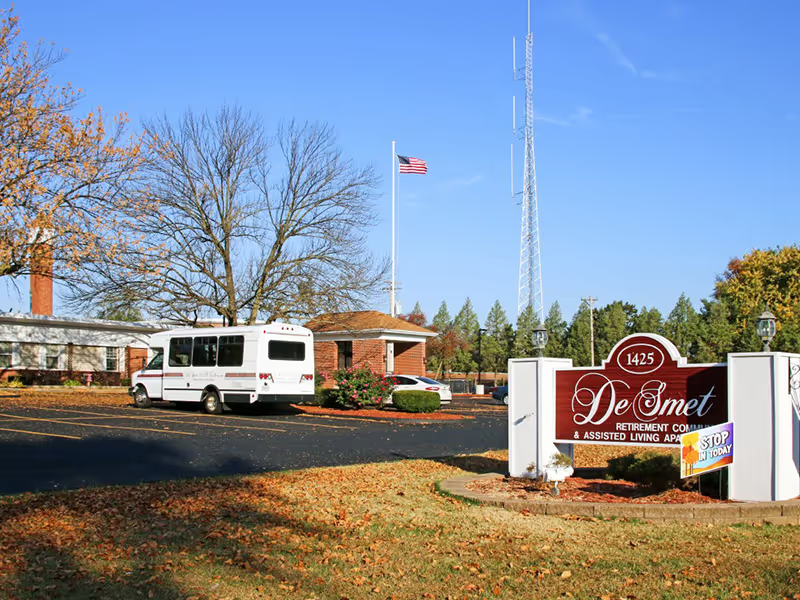
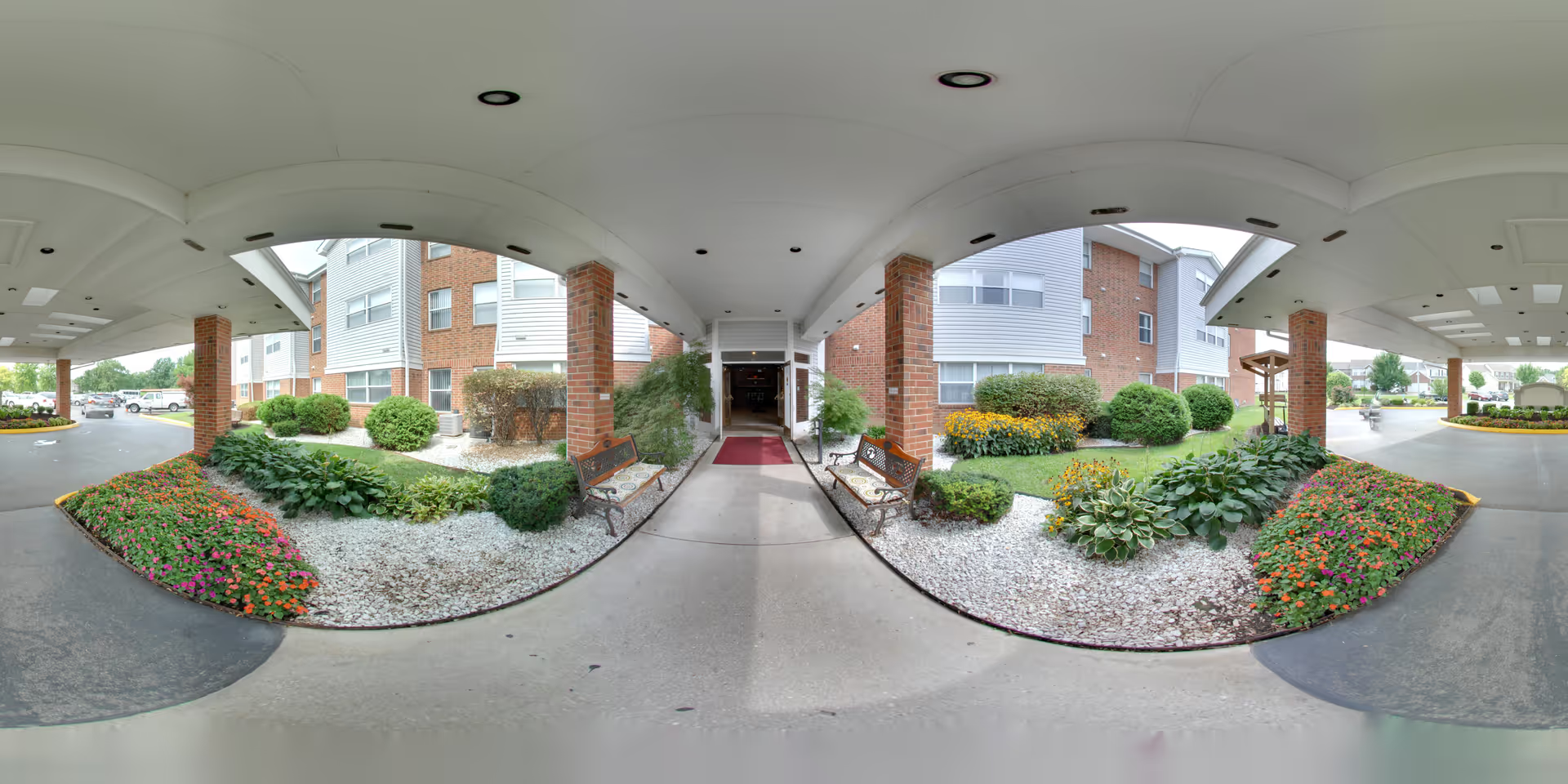
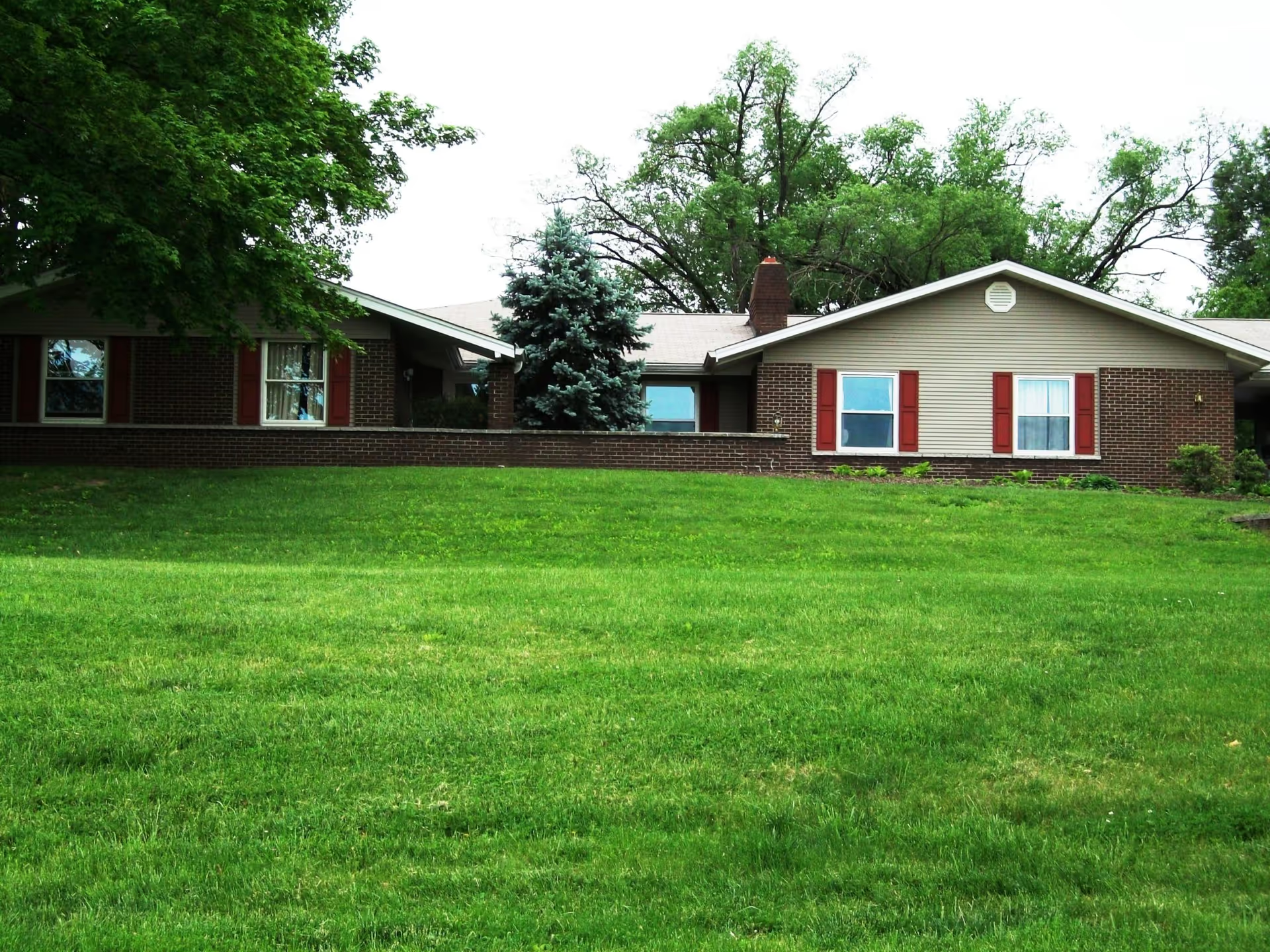
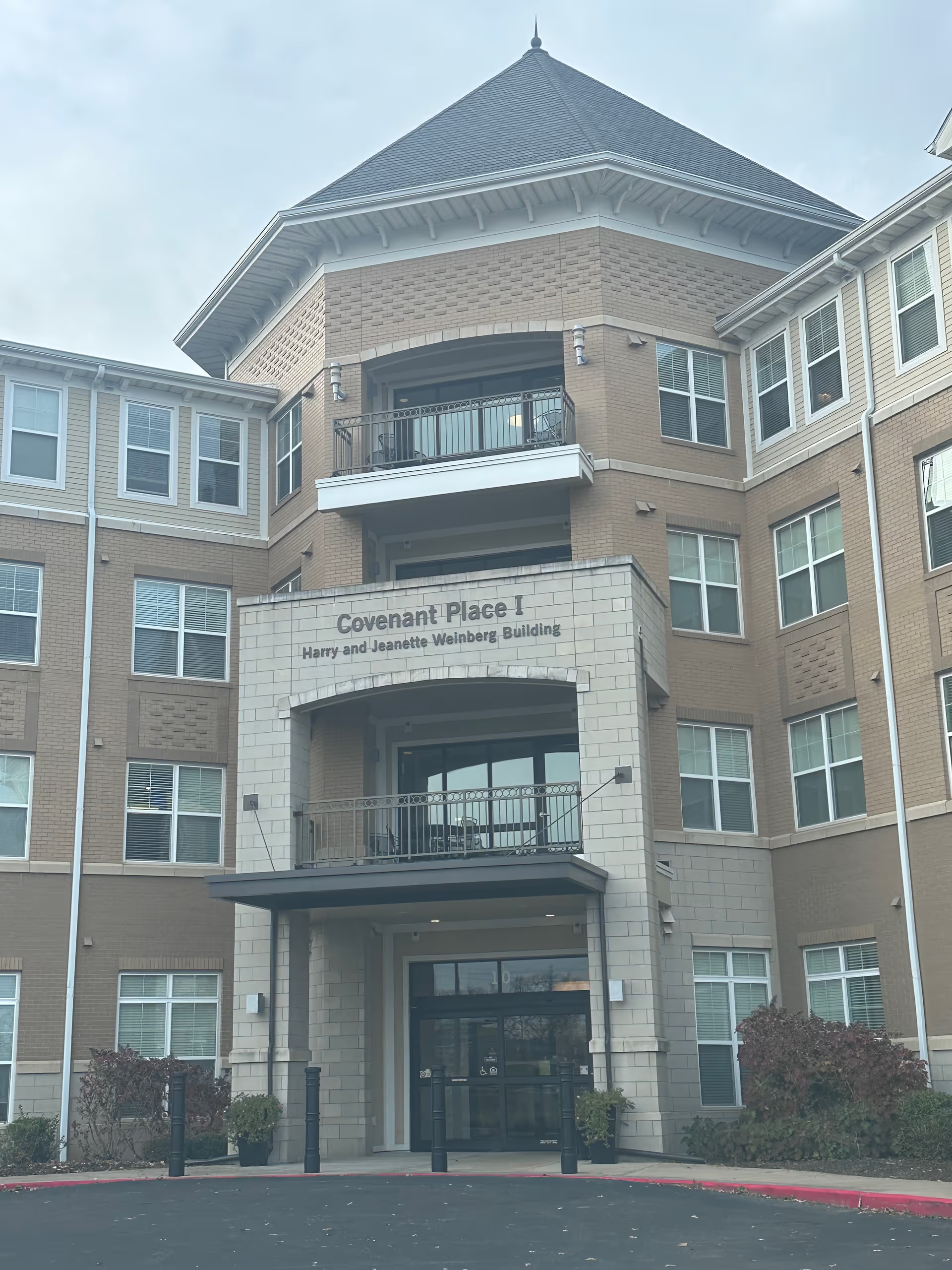
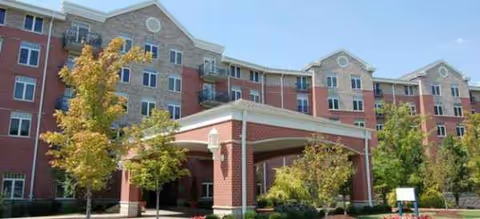
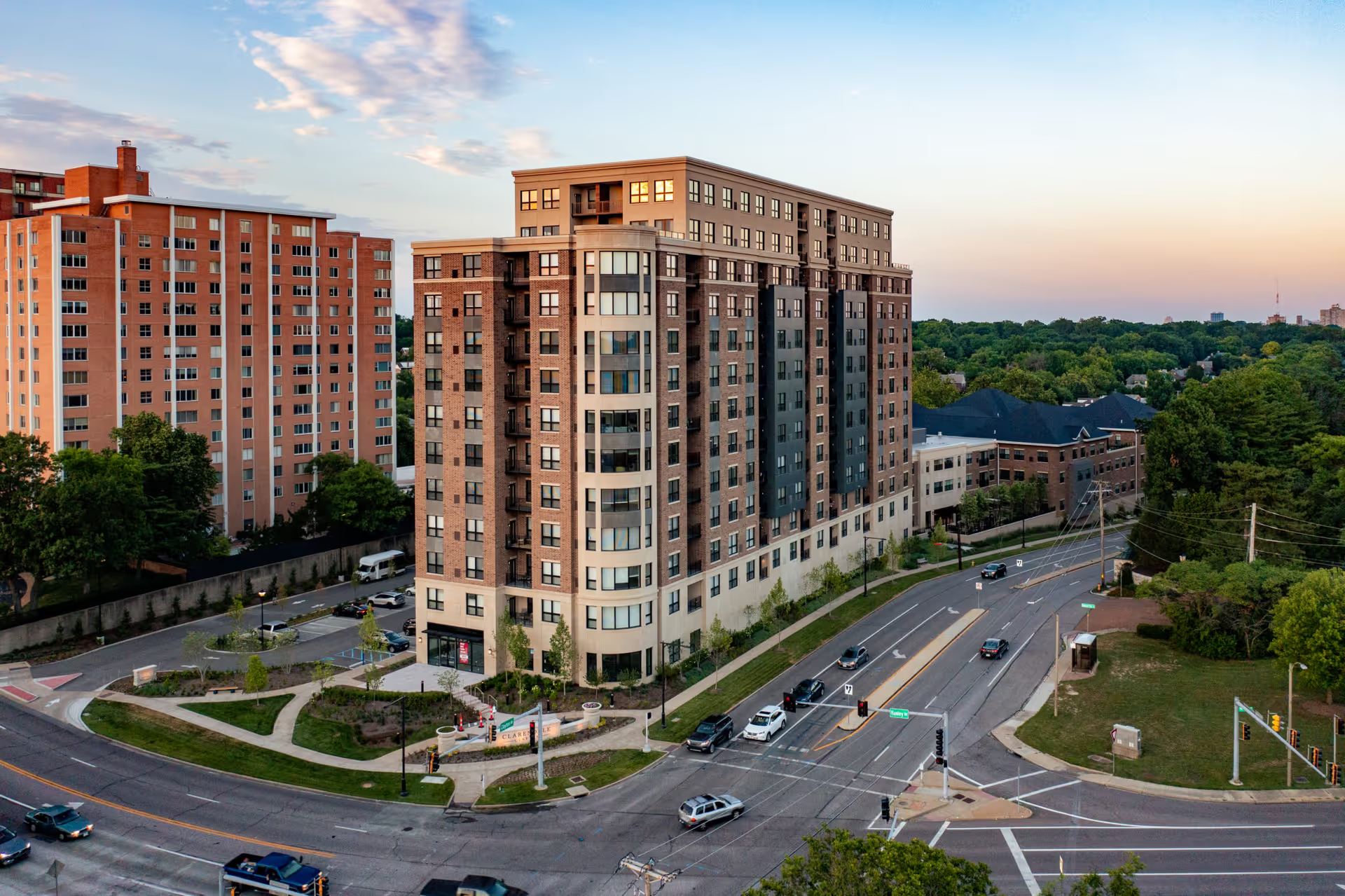
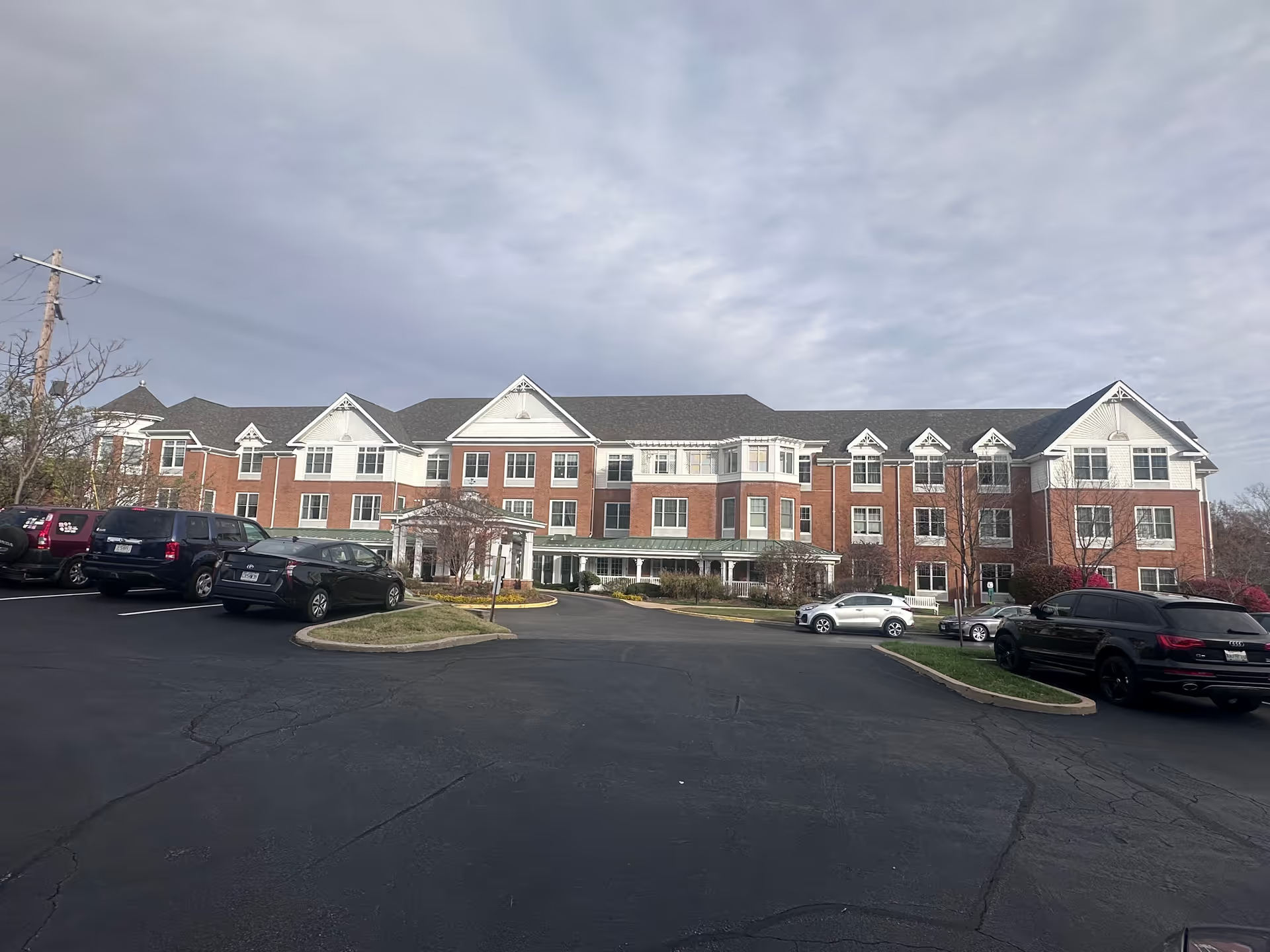
Reviewers describe a facility with highly mixed experiences: some families and residents praise compassionate aides, effective therapists, and engaging activities, while many reviews raise serious operational concerns. Positive accounts highlight helpful admissions staff, meaningful rehabilitation outcomes, and instances of attentive nursing and pleasant social programming that gave families reassurance and residents a sense of community.
Care quality appears inconsistent. Multiple reviews cite medication-administration problems and timing irregularities, delays in attending to resident needs, and instances of wounds or skin issues that reviewers attribute to insufficient monitoring. Conversely, several accounts emphasize capable therapy services and direct-care staff who provided effective assistance during parts of residents’ stays. Overall, the pattern suggests pockets of competent clinical care that are not reliably sustained across all shifts or units.
Staffing and conduct are described as variable. There are frequent comments about high turnover, reliance on agency staff, and staff behaviors that range from professional and caring to unresponsive or disengaged. Families reported delayed responses to call systems and long waits for assistance, while other families named specific aides and nurses who provided diligent, timely care. These contrasts indicate uneven staffing levels and inconsistent training or supervision.
Dining and activities also show variability. Activity programming (special events, social engagement) is noted positively and provided meaningful stimulation for residents. Meal service elicited mixed feedback: some reviewers enjoyed meals, whereas many described reheated or cold items, inconsistent portioning, and unclear food presentation. Kitchen and dining-area cleanliness and meal continuity were raised as operational concerns that affect resident experience.
Facility environment and housekeeping carry recurring concerns. Reviews mention cleanliness issues in rooms and common areas, pest-control concerns, malfunctioning equipment, and delays in linen and room maintenance. Accessibility and equipment maintenance—wheelchairs without footrests, worn mattresses, and intermittent phone or call-system functionality—were also highlighted. Security of personal belongings and billing/administrative accuracy were areas of notable complaint, including allegations of missing items and invoicing errors.
Management and communication are central themes. Many families described poor communication from administration, lack of timely updates during clinical changes or transfers, and frustration over perceived prioritization of financial processes. At the same time, some reviewers commended specific administrative staff for being available and supportive. Given the mix of accounts, there is a pattern of inconsistent leadership presence and follow-through.
Taken together, the reviews indicate that Florissant Valley Health and Rehabilitation can provide high-quality, person-centered care under certain staff and management conditions, particularly in therapy and through individual caregivers. However, persistent operational weaknesses—staffing variability, medication and clinical oversight gaps, sanitation and maintenance shortfalls, meal-service inconsistencies, and communication failures—create risk for negative resident outcomes and family distress. Prospective families should seek recent, facility-level quality data (inspections, staffing ratios, medication error logs), request to meet therapy and nursing leaders, tour multiple units during different shifts, and verify how the facility secures personal property and handles billing before placement.