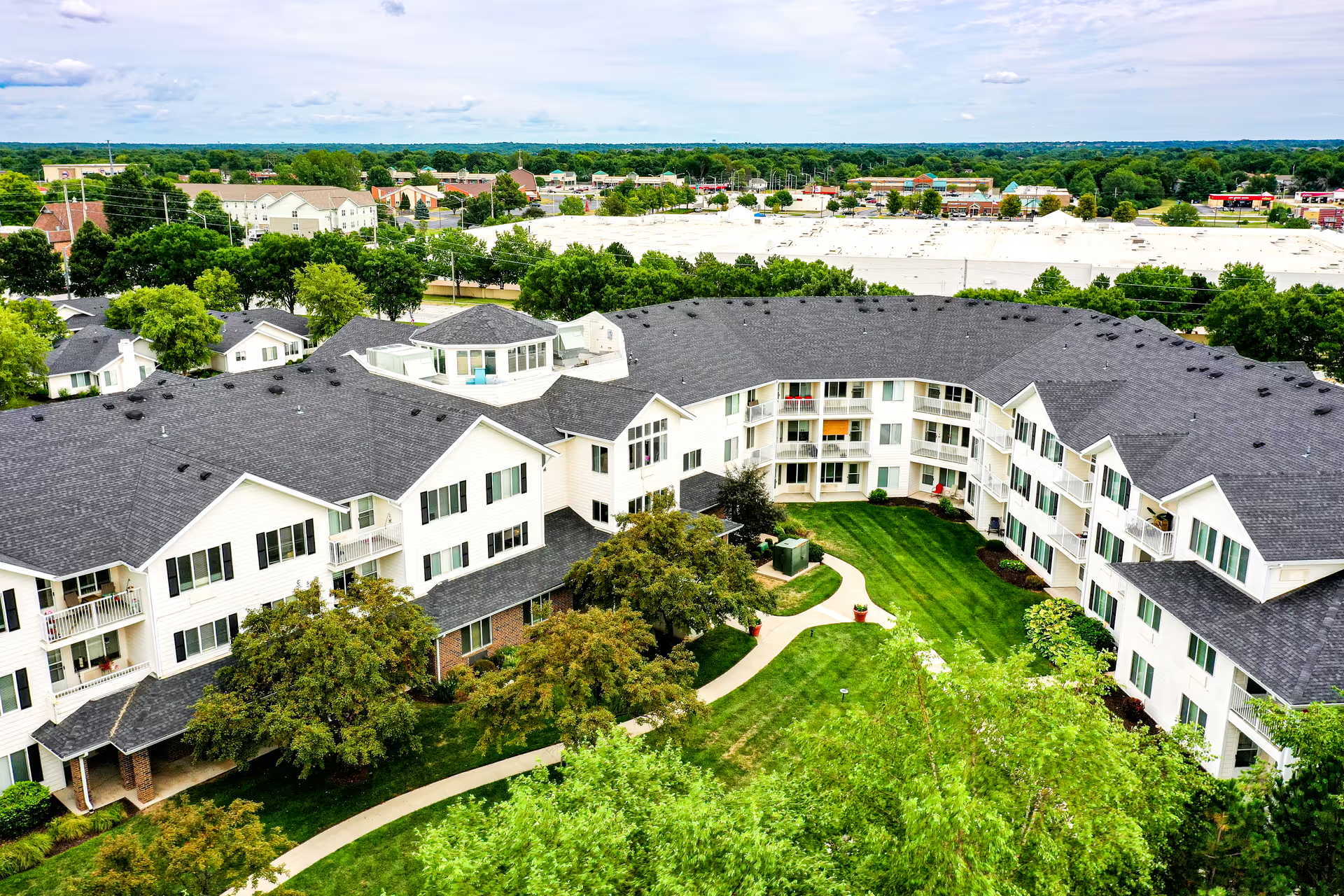
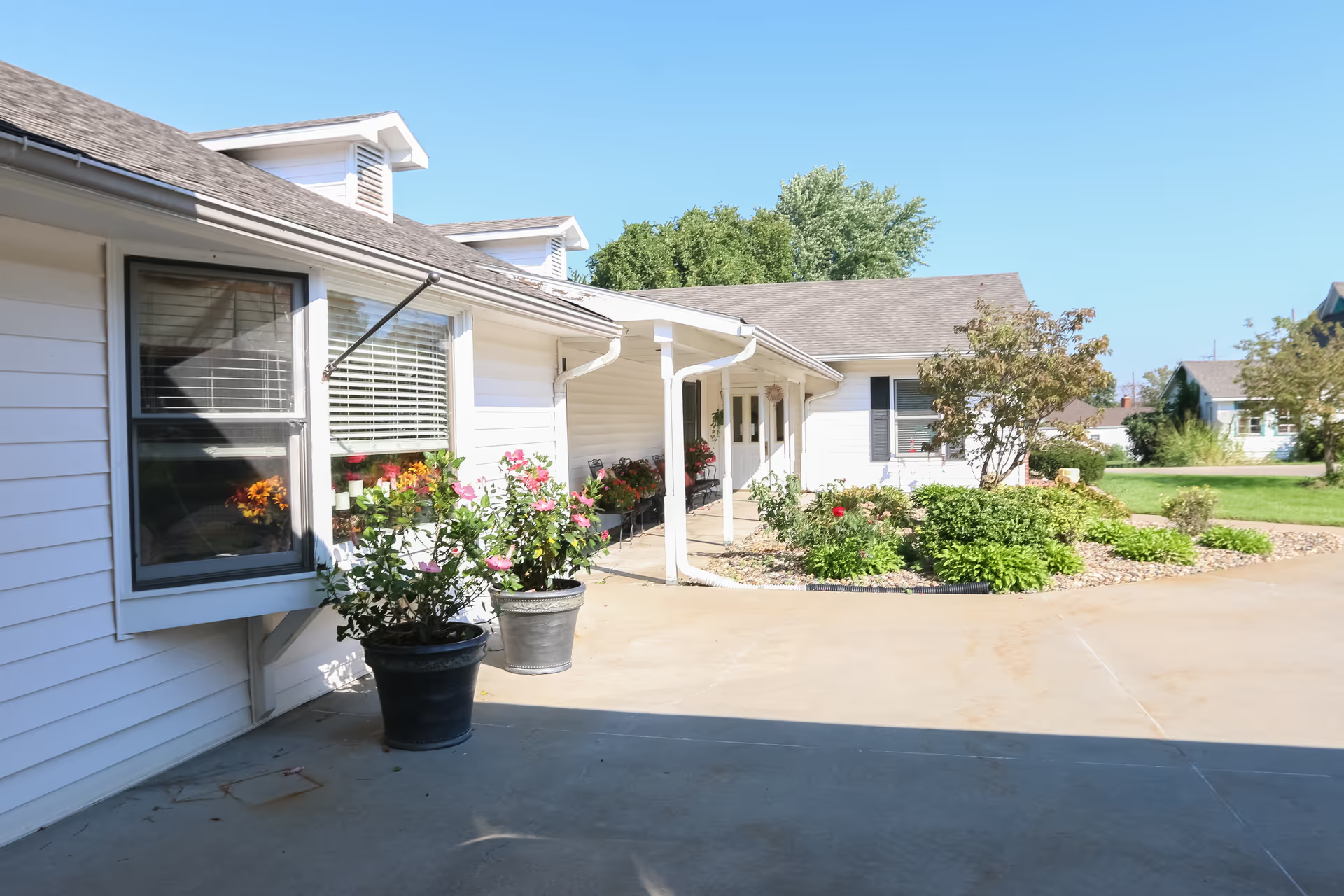
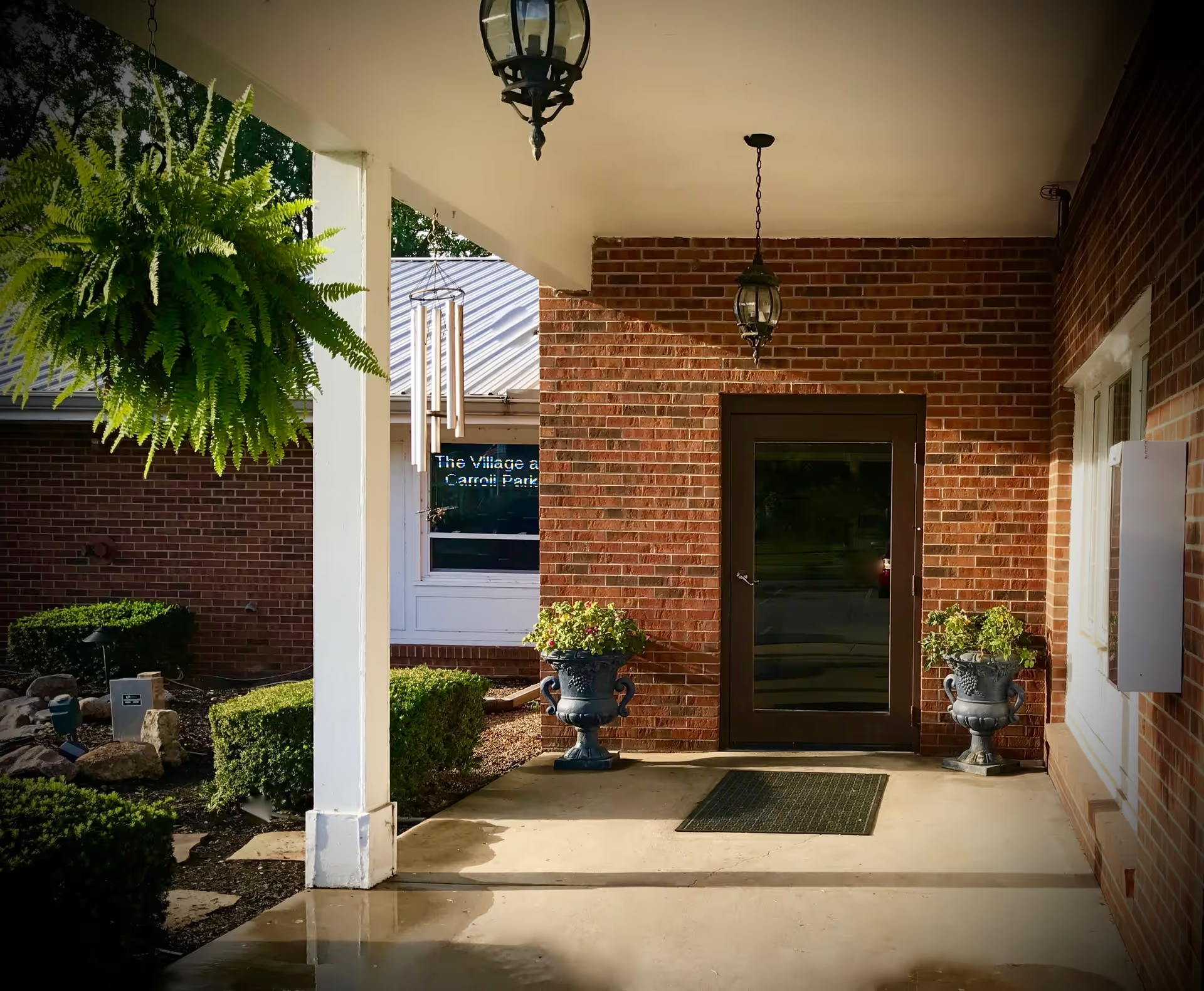
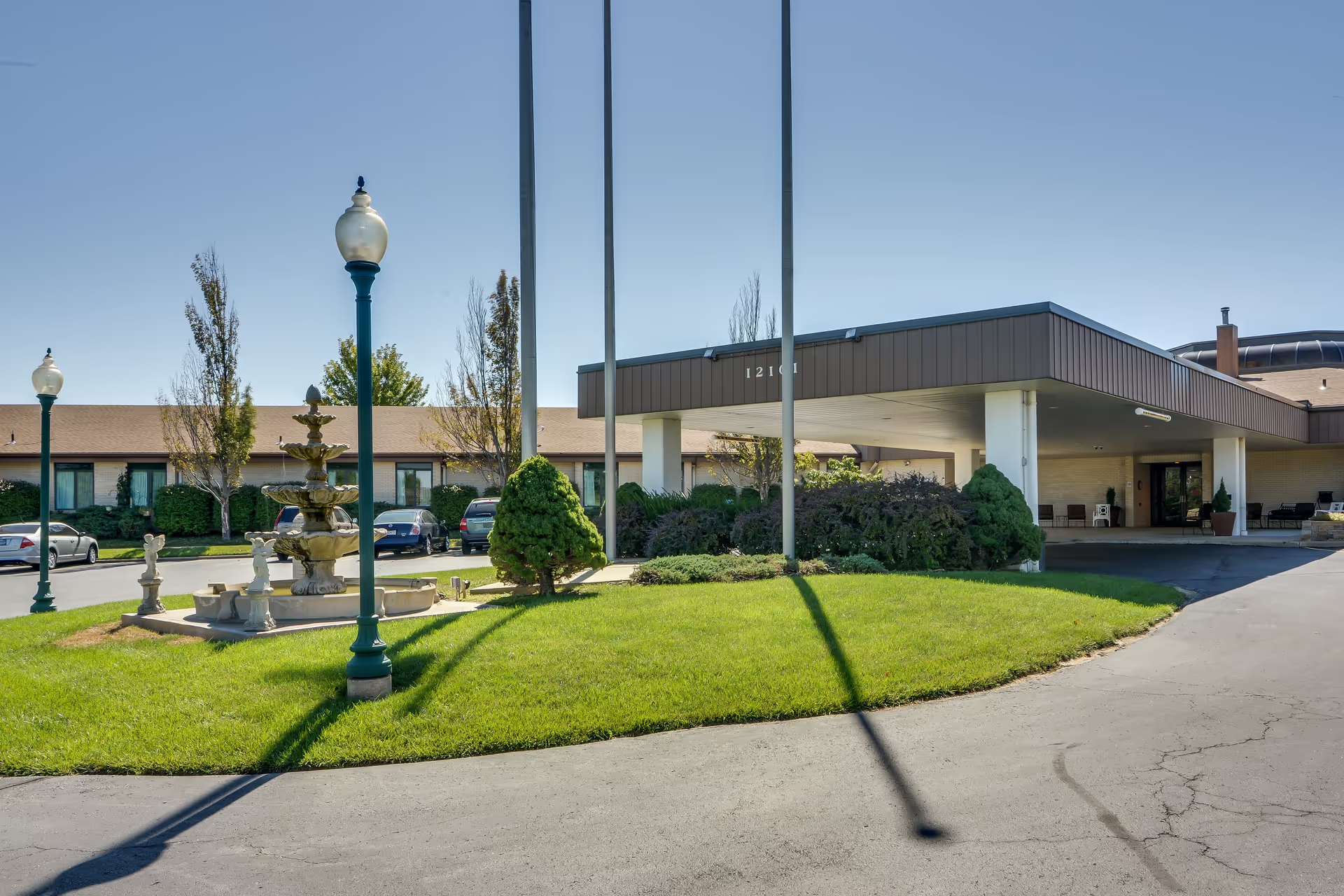
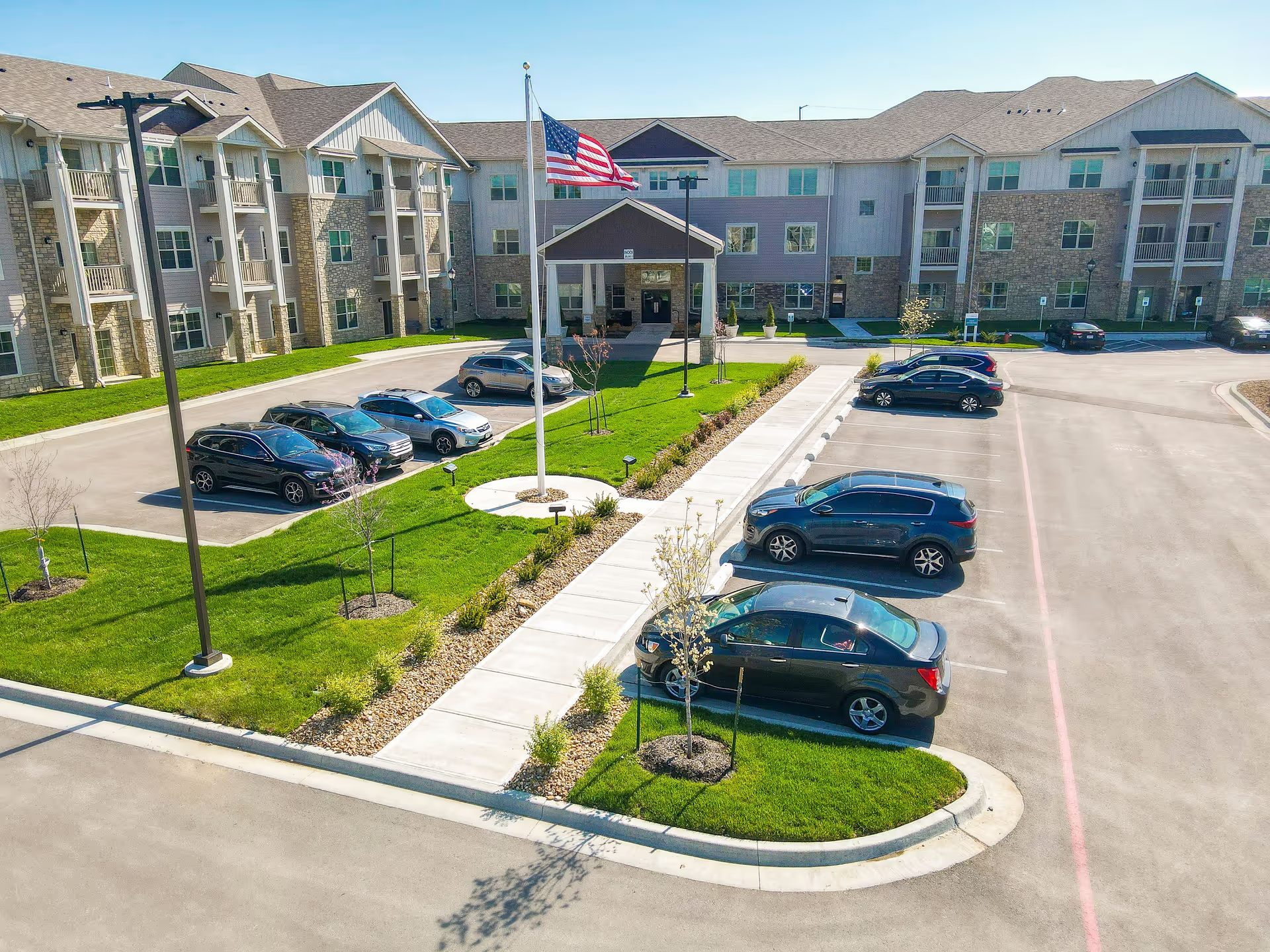
Crown Care Center receives frequent praise for its frontline staff, therapy department, and the general living environment. Many families describe caregivers as attentive, compassionate, and professional; reviewers consistently note that the facility’s leadership and admissions staff are helpful with transitions, insurance navigation, and placement. The therapy/rehab team is often highlighted as a strength, and the building and grounds are described as attractive and comfortable, with large resident rooms, engaging common areas, and amenities such as an on-site hair salon and regular entertainment.
Activity programming and community life are notable positives. Multiple accounts emphasize a wide variety of meaningful activities, puzzles, books, games, and in-house entertainment that contribute to a family-like atmosphere. Dining is frequently described as adequate to good, and several families specifically compliment the dining staff and meal service. End-of-life care is also affirmed by some reviewers as respectful and compassionate.
Alongside these strengths, a set of operational concerns recurs across reviews. The most serious relate to clinical oversight and wound-care management: reviewers cite cases that indicate gaps in clinical follow-up and escalation. Separate concerns include inconsistent staffing levels and occasional understaffing, which reviewers connect to slower responsiveness at times. Related patterns involve lapses in incident reporting and family communication, such as delayed notifications about falls or other events.
Specific service-area weaknesses appear in several domains. Dementia-specific care and staff training are described as uneven, suggesting that specialized programming and staff competency in this area may not be consistently available. Meal quality is generally positive but described as inconsistent by some families. Practical operations such as laundry and personal-property handling have been flagged as an area needing improvement, and a number of reviewers note furnishings and some equipment that would benefit from updating or replacement. Additionally, there are mentions of limited on-site physician coverage, which some families viewed as a gap in medical oversight.
Management and organizational dynamics show both strengths and variability. Reviewers praise administrators and directors who advocate for residents and coordinate transitions; at the same time, accounts of management turnover and the need for additional staff training are present. Rehabilitation results are often praised but not uniformly so—some reviewers advise caution and recommend clarifying therapy goals and expected outcomes prior to admission.
For prospective residents and families, Crown Care Center offers several clear advantages: engaged activities, supportive therapy services, and staff who are frequently described as compassionate and professional. Visitors should, however, evaluate clinical protocols and operational practices during tours—ask about wound-care procedures and escalation pathways, dementia-care training, staffing levels and shift coverage, incident-notification policies, laundry/property handling, and physician availability. These targeted questions can help balance the facility’s demonstrable strengths against the operational areas that reviewers indicate need monitoring or improvement.