The reviews present a mixed picture: many families praise frontline caregivers, therapy staff, and long‑standing clinical leadership, while also describing systemic operational weaknesses that affect resident safety and comfort. Strengths most consistently cited include compassionate nursing and caregiving, a strong rehabilitation program with an effective gym and therapists, and staff who communicate well with families. Several reviewers highlighted administrators and long‑tenured clinical leaders as positive influences, and the kitchen and therapy teams received specific commendation for accommodating preferences and delivering good rehab outcomes.
Care quality appears to vary by unit. The rehabilitation unit and certain nursing teams earn consistent praise for wound management, therapy outcomes, and attentive clinical oversight. Conversely, reviewers describe variability in care in other units, particularly memory care and long‑stay nursing areas. Identified operational gaps include inconsistent clinical documentation and accountability, delayed escalation of medical issues, and uneven adherence to infection‑control practices. These gaps have been linked to delayed diagnostics and concerns about supervision and fall prevention.
Staffing and responsiveness are recurring themes. While many individual staff members are described as compassionate and going above and beyond, workload and staffing shortfalls were also reported. Those constraints were associated with delays in assistance (including bathing and toileting support), brief nursing check‑ins, and perceived limits on individualized attention. Families noted that staffing levels can influence meal service continuity, weekend kitchen availability, and the frequency of activities offered.
Dining and activities elicit divergent feedback. Some reviewers praised the kitchen staff for special accommodations and for positive family meals, while others noted cold or limited meals and constrained weekend coverage. Activity programming in some units is robust — with dances, crafts, music, and social events — but other units were described as offering minimal programming or infrequent activities. Prospective residents should verify the activity schedule for the specific unit they are considering.
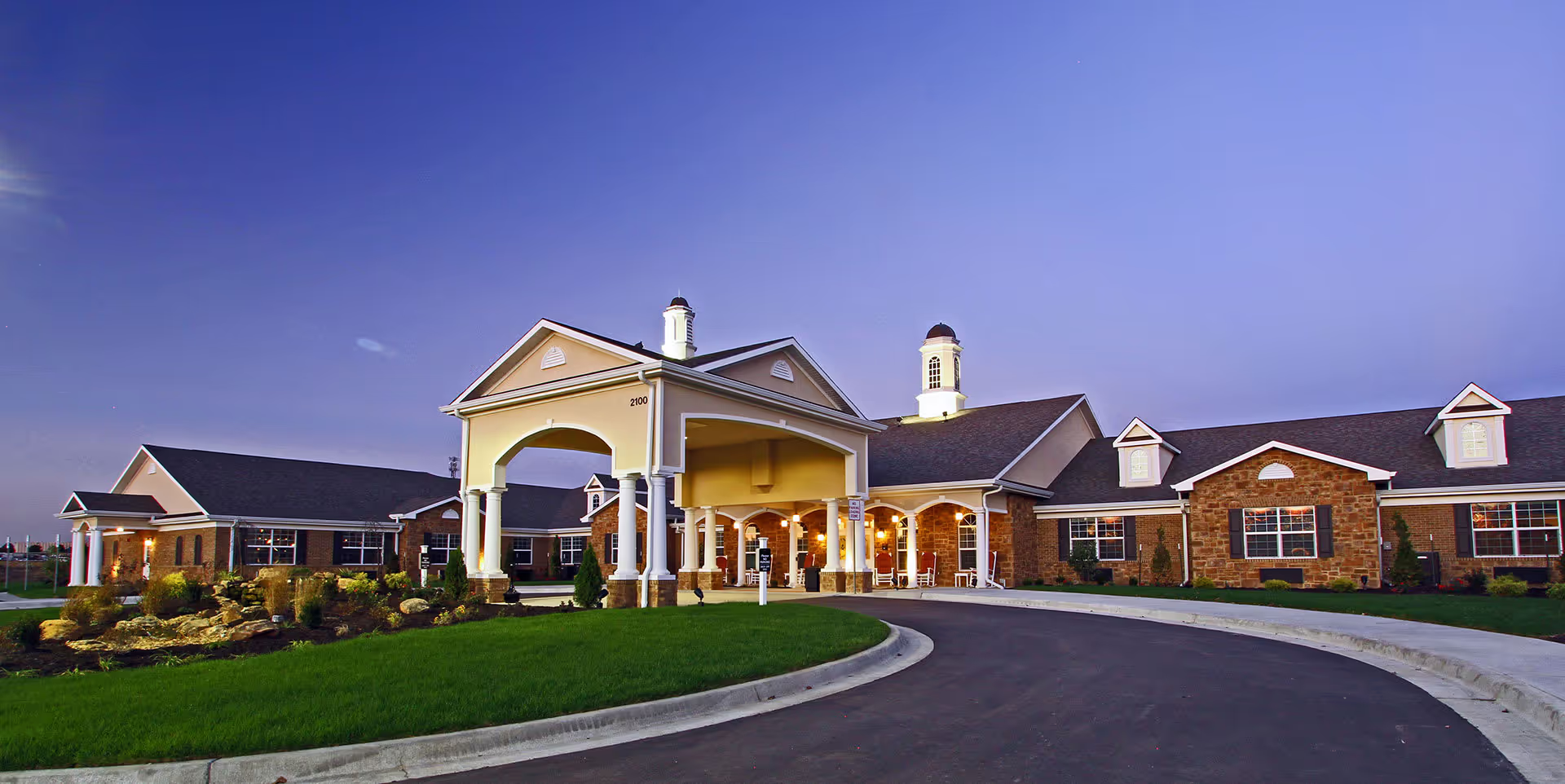
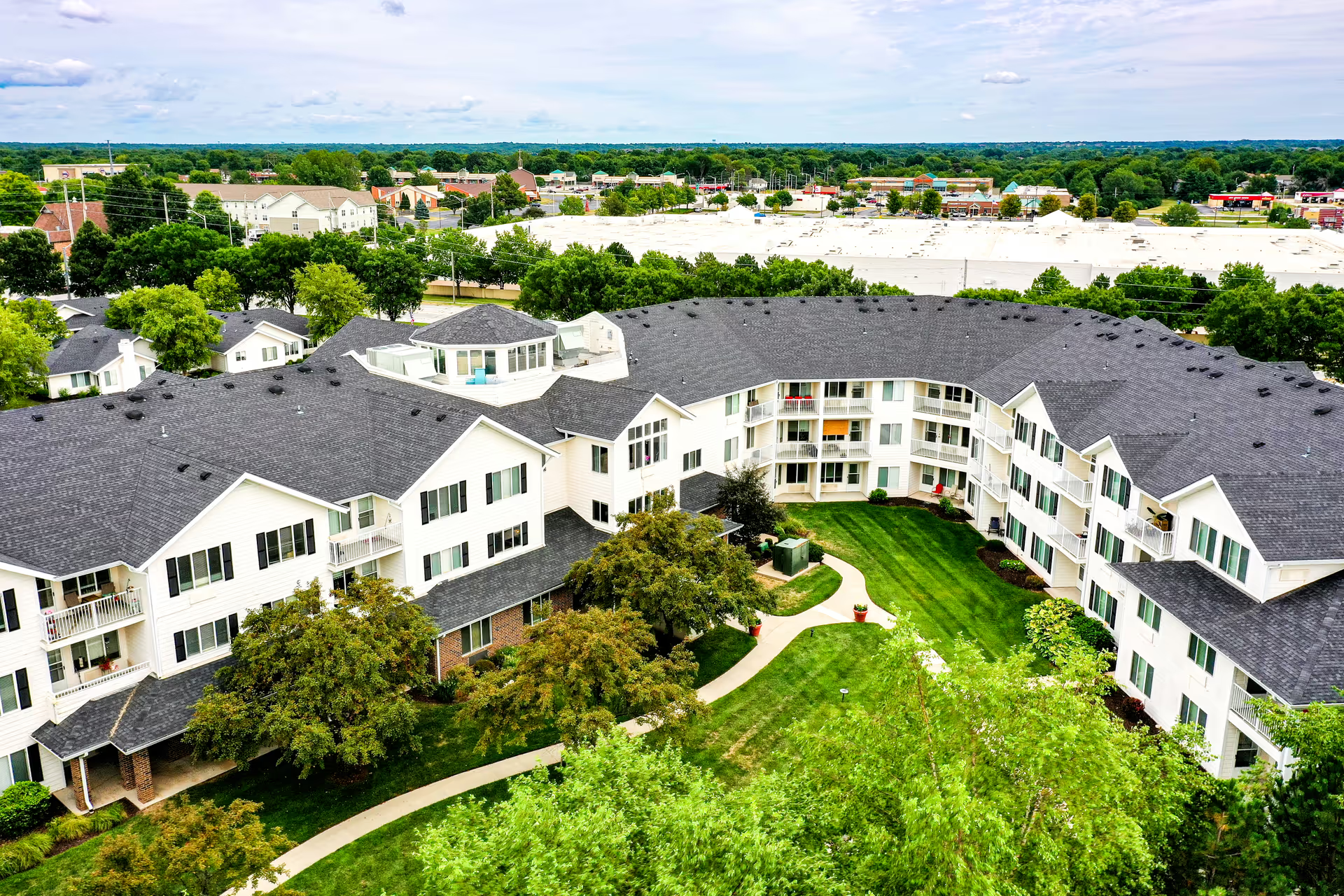
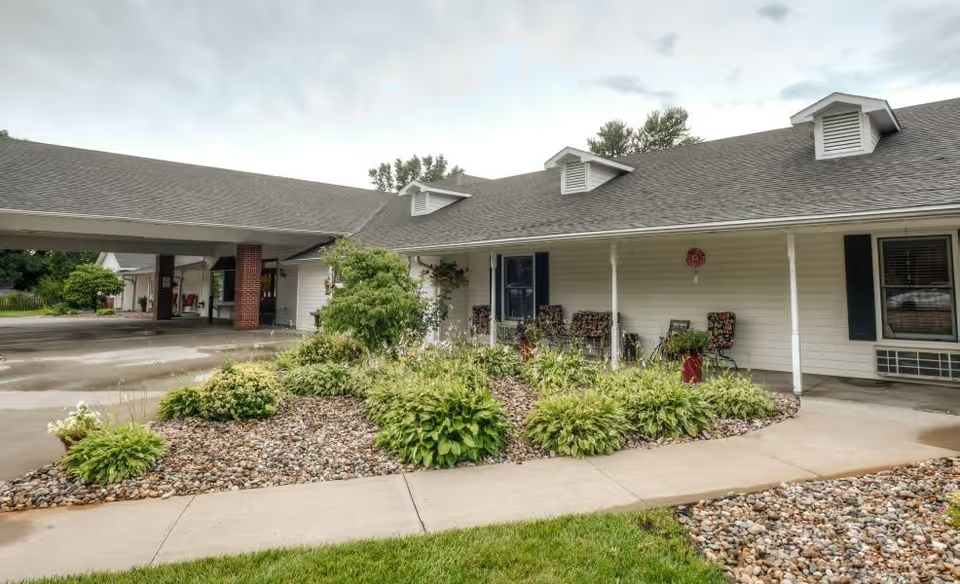
Facilities and environmental factors also vary. Several reviews describe clean, orderly rooms and well‑maintained therapy spaces; others raise sanitation and pest‑control concerns, occasional odors, and a dated or drab appearance in parts of the building. Private rooms are available in some cases but appear limited overall, leading to crowded shared rooms in certain units.
Management and compliance issues surfaced in multiple reviews. While some families praised administrators and the director of nursing for responsiveness, other accounts describe unprofessional communication, decision‑making based on incomplete information, and at least one serious allegation concerning billing and beneficiary rights. Infection‑control practices during the COVID period were a specific concern for some families, who reported inconsistent cohorting and mask use; this points to the need to confirm current protocols.
Overall pattern: the facility has clear strengths in rehabilitation, individual caregivers, and long‑term staff experience, but operational inconsistencies—especially staffing, documentation, infection control, and environmental maintenance—create variability in resident experience. Families evaluating placement should ask targeted questions about current staffing ratios, unit‑specific infection‑control measures, wound‑care capability, private‑room availability, recent pest‑control actions, weekend kitchen service, activity schedules for the relevant unit, and the facility’s processes for incident reporting and family communication.