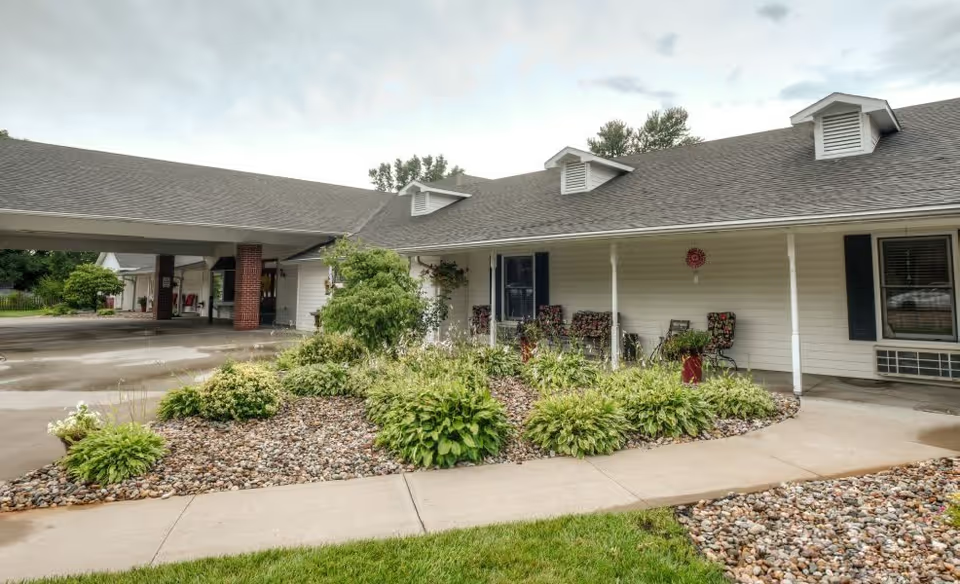
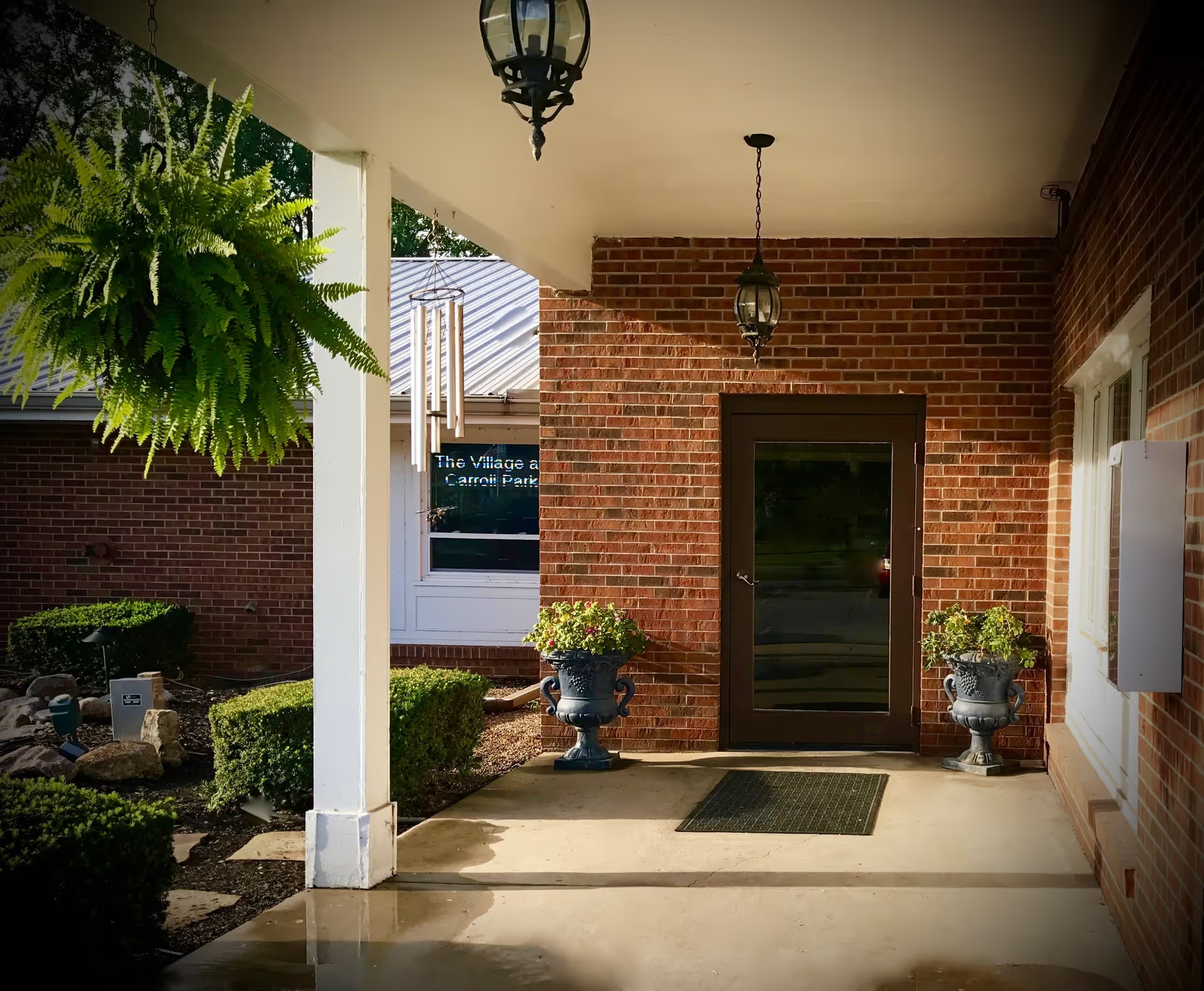
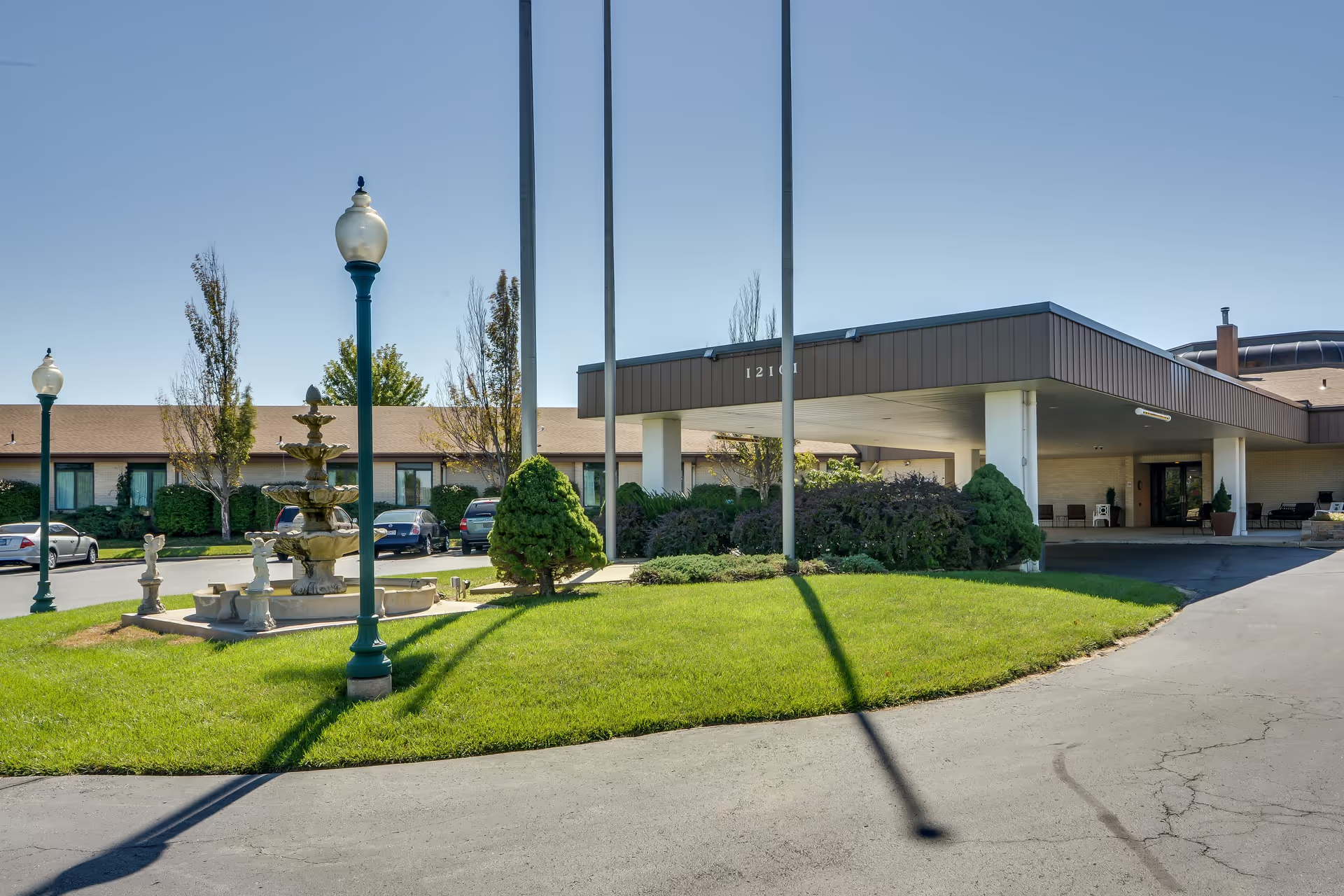
Reviews for Meadow View Health & Rehabilitation are highly polarized, with clear examples of both reliable, high-quality care and significant operational weaknesses. Many families and visitors describe a compassionate, attentive clinical staff, effective physical therapy, engaging social programming, and a welcoming, bright environment with secure entry and private medication handling. Several accounts highlight specific strengths such as a responsive director of nursing, successful therapy outcomes (residents regaining mobility), an active activities program including therapy animals, and improvements noted since new ownership in April 2023.
Conversely, a consistent cluster of concerns describes variability in how care is delivered across shifts and units. The most common operational themes are inconsistent staffing levels (especially overnight), slow or unreliable responses to call buttons, and uneven assistance with basic activities of daily living such as bathing and toileting. These patterns have been linked by some families to increased fall risk and to clinical issues such as missed or delayed medications, interruptions in chronic-medication regimens, and elevated vital signs when medication protocols were altered. There are also several sanitation and cleanliness lapses cited in certain areas, alongside maintenance deficits in older parts of the building.
Dining and hydration practices show mixed performance. Positive comments reference pleasant dining areas and staff encouragement to eat, but other reviewers cite limited menu options for residents with chewing/texture needs, narrow allergy substitutions, and inconsistent provision of fluids or snacks during shifts. Therapy and activities are generally viewed positively; many reviewers note meaningful social engagement, opportunities for creative pursuits, and individualized encouragement that support residents’ morale and function.
Staff behavior and management responsiveness emerge as a key differentiator. Numerous families praised specific nurses, aides, and the DON for compassionate, clear communication and good care coordination. In contrast, other accounts describe variable professionalism (including cellphone use in resident rooms and concerns about tone or conduct), an overworked aide workforce, and an inattentive night shift. Administrative follow-up is also inconsistent: some families commend proactive management and social-work involvement, while others describe unreturned calls and unresolved complaints.
Taken together, the pattern suggests that Meadow View can provide strong rehabilitative and supportive services when staffing and supervisory practices align, but it also has recurring operational gaps that affect safety, sanitation, medication management, and family communication. Prospective residents—especially those requiring memory-care supports or high levels of assistance—should ask specific questions about current staffing ratios and supervision for the unit, observe cleanliness and mealtime accommodations for specific dietary needs, and request documentation of medication and hydration protocols. Families considering placement may also benefit from arranging multiple visits at different times (including evenings and weekends) to assess consistency across shifts.