Blue Hills Rest Home elicits strongly mixed but specific impressions. Many families describe a small, home-like community with attentive caregivers, hands-on owner/administrator involvement, and strong clinical attention for residents' changing needs. Reviewers frequently highlight compassionate nursing and effective pain and end-of-life management, along with prompt responses to falls and other incidents. At the same time, several families raised substantive operational concerns about staff professionalism and management communication that can affect the family experience.
Care quality is often cited as a strength: reviewers report attentive, respectful nursing, assistance with complex paperwork (including VA/state forms), and an environment where residents are helped through transitions. The facility's scale and staffing continuity in some units appear to support individualized attention. However, contrasting accounts point to variability in staff conduct and responsiveness; these accounts suggest that the resident experience may depend on specific staff members or shifts, leading to inconsistent perceptions of clinical and interpersonal care.
Staff and management present a polarized picture. Positive comments describe helpful, friendly aides and nurses and an owner or administrator who facilitates admissions and paperwork and who is visible on the floor. Negative feedback centers on interpersonal issues among staff, perceived unprofessional behavior by some supervisors, and concerns that management at times emphasizes financial considerations. These themes indicate uneven leadership and morale that families should consider when evaluating long-term placement.
Dining and daily life are generally well regarded: multiple reviewers compliment home-cooked meals and the food quality, and some note outdoor space, a comfortable layout, and a small, family-feel that residents enjoy. Activity programming is more mixed. Some visitors report purposeful activities and a functioning activity program, while others describe limited exercise options and insufficient engagement, which they feel contributes to resident decline. Prospective families should ask about current activity schedules and how the program addresses residents with varying mobility and cognition.
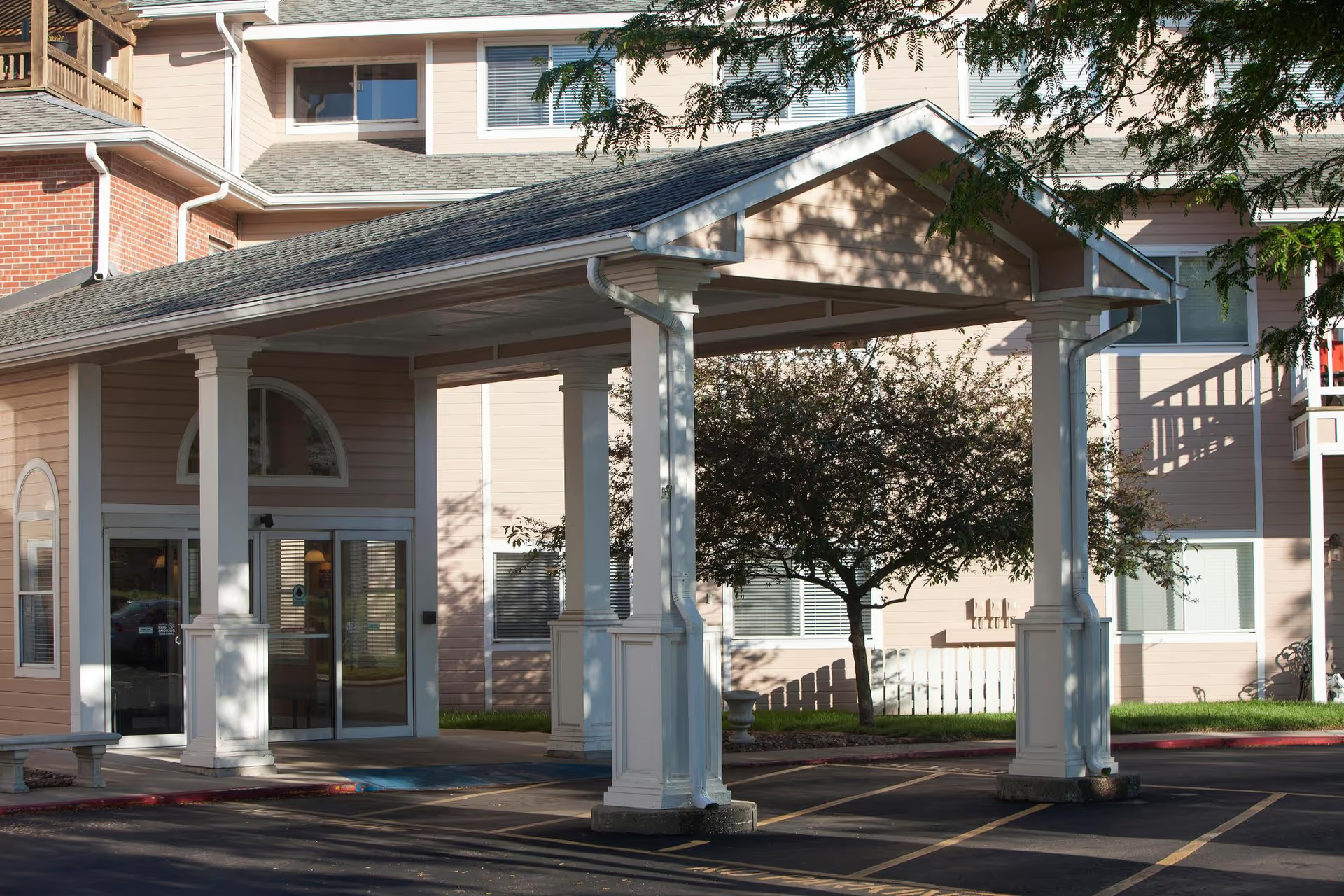
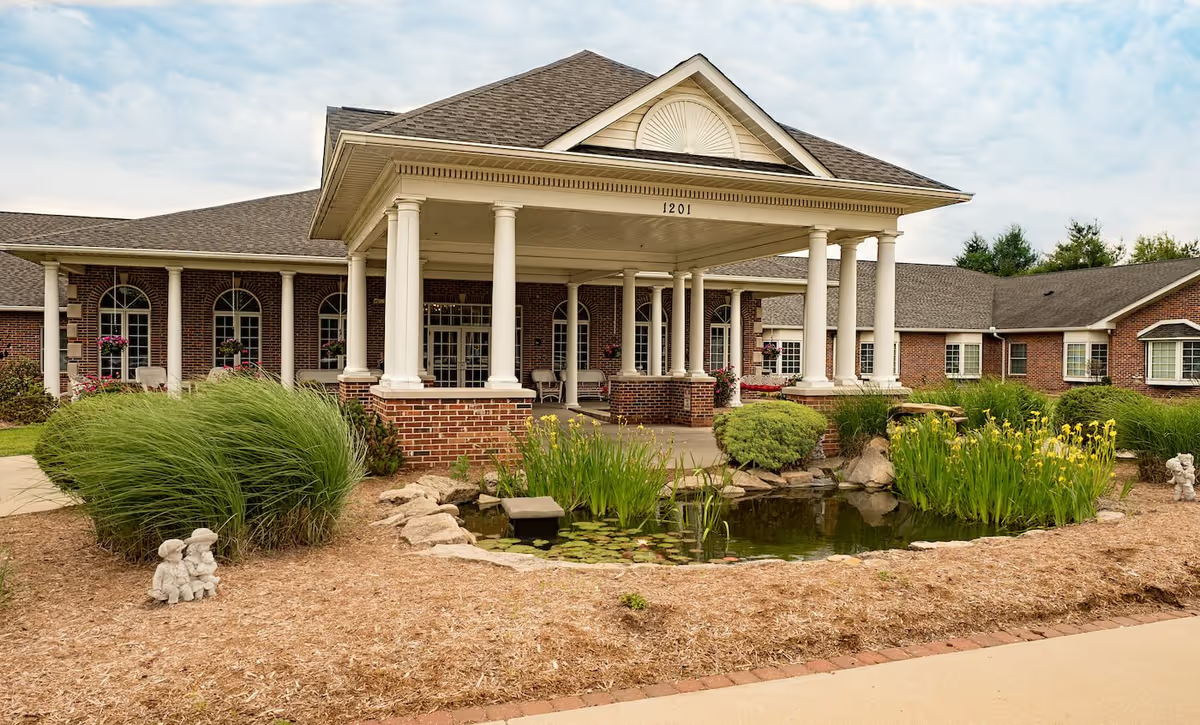
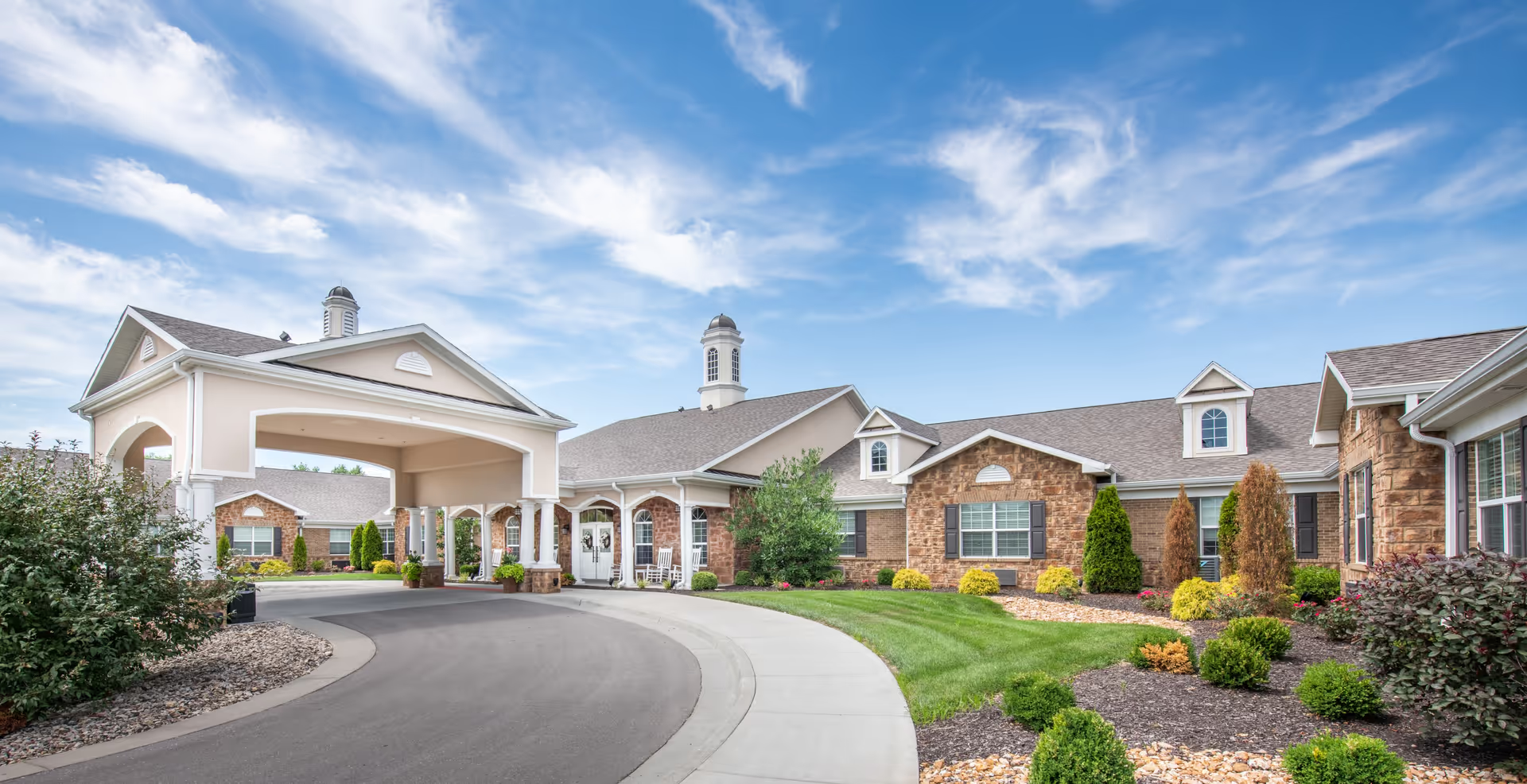
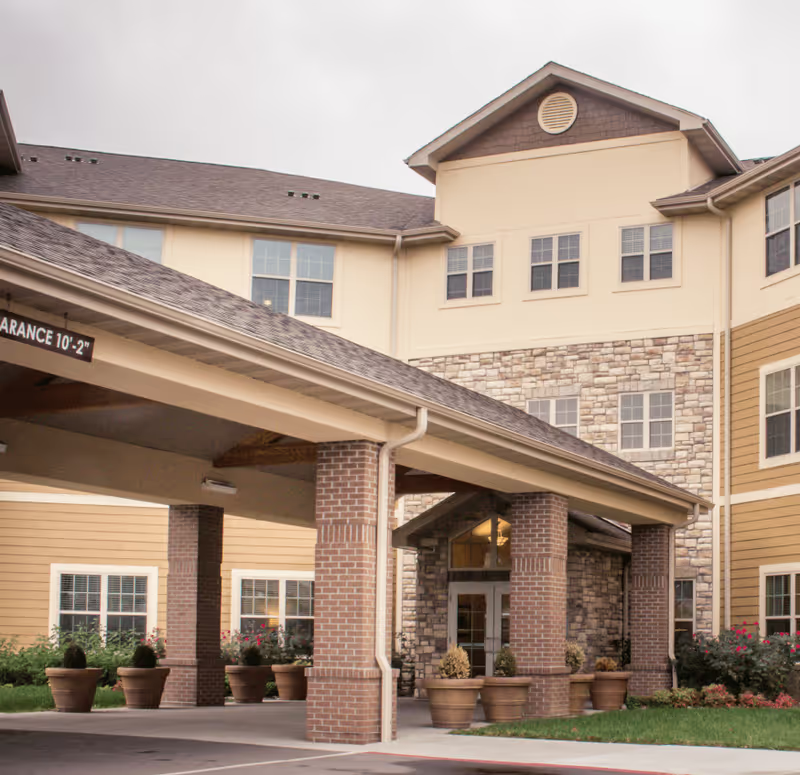
Facility condition and accommodations are also variable. Many reviews praise cleanliness, well-kept rooms, and an attractive property, plus safety features such as camera monitoring. Conversely, other accounts describe dated or gloomy interior areas and a need for cosmetic updates. Availability of private rooms is limited and shared bathrooms or room-sharing arrangements were mentioned; roommate compatibility (noise from hearing-impaired roommates, for example) can be a concern. Finally, specific worries were raised about care processes for residents who have difficulty communicating; families may want to discuss safeguards and staff training related to communication-impaired residents.
In sum, Blue Hills Rest Home offers clear strengths in individualized, compassionate care, owner engagement, and home-style dining at a reasonable cost. At the same time, variability in staff professionalism, management practices, activity programming, and rooming options are recurring themes. Families touring the community should observe staff–resident interactions across shifts, clarify management policies and financial priorities, review activity and therapeutic programming, and confirm rooming options and noise controls to assess fit for their loved one.