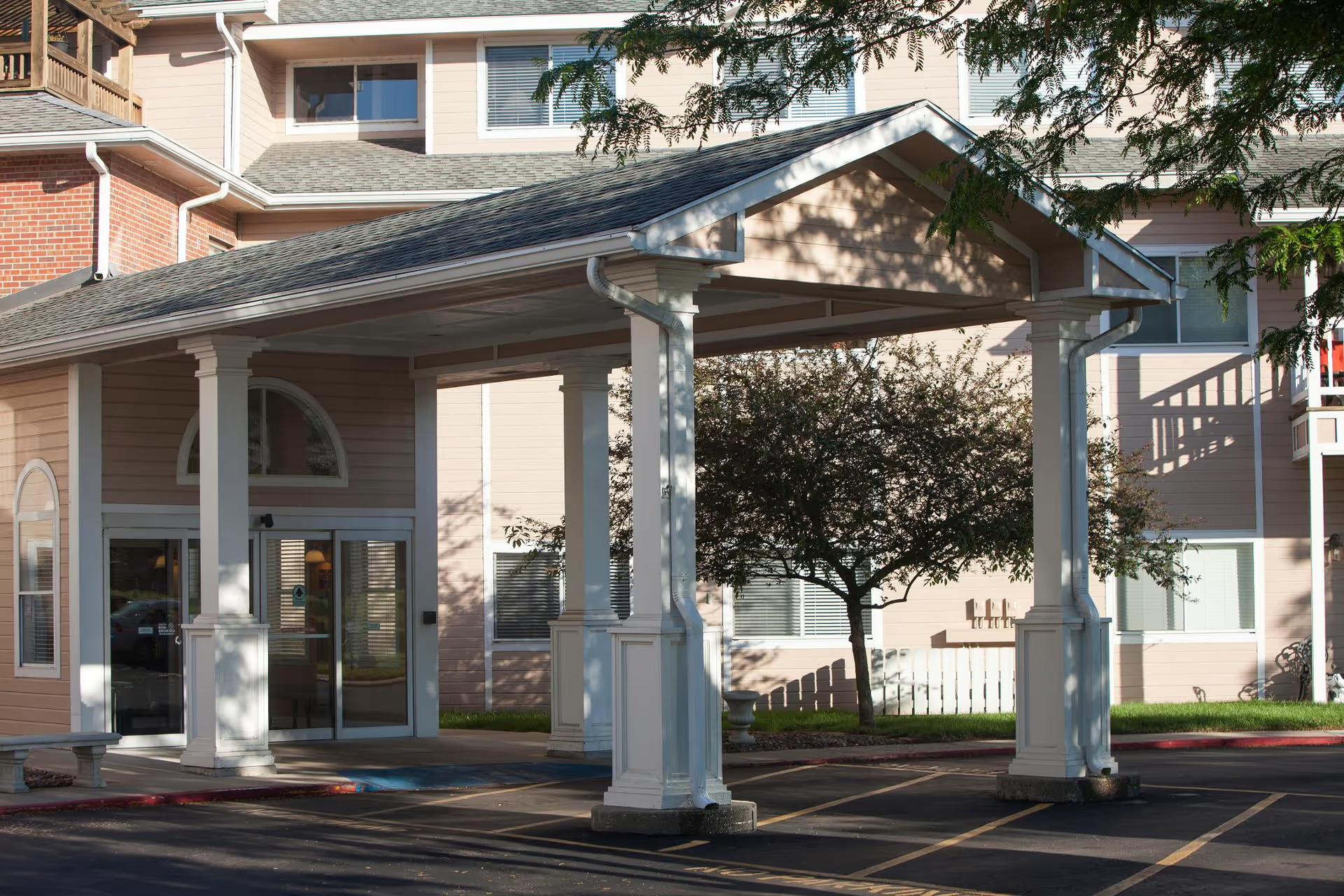
Rosewood Health and Rehab elicits strongly polarized impressions. Many families and residents praise the site’s amenity set and rehabilitation capabilities: an indoor atrium, pool and fitness areas, multiple activity rooms (library, movie room, game and craft spaces), and a continuum of care spanning independent living through assisted and memory-support services. The therapy teams, admissions staff, and some long-tenured CNAs and nurses receive consistent positive comments for responsiveness and effectiveness; reviewers highlighted successful rehab outcomes, attentive wound-care availability in certain units, and an admissions process that several families found helpful and smooth.
At the same time, a substantial number of reviews describe recurring operational weaknesses that affect daily life and clinical care. Staffing instability and dependence on agency personnel emerge as a frequent theme, with corresponding reports of slow call-light response times, delayed assistance for activities of daily living, and uneven medication and wound management. These clinical concerns are compounded in some accounts by inconsistent bathing and hygiene-support schedules and by gaps in care continuity when there are insurance or administrative transitions.
Dining and activities are also areas of mixed performance. The facility offers structured activities, outings, and three daily meals, and many residents appreciate the social opportunities. However, multiple reviewers noted declining or inconsistent meal quality, late or cold service on occasion, limited menu variety for some diets, and interruptions to dining-room access when services or staff are constrained. Activities such as woodworking or outings are available but have been described as intermittently closed or reduced depending on staffing and maintenance needs.
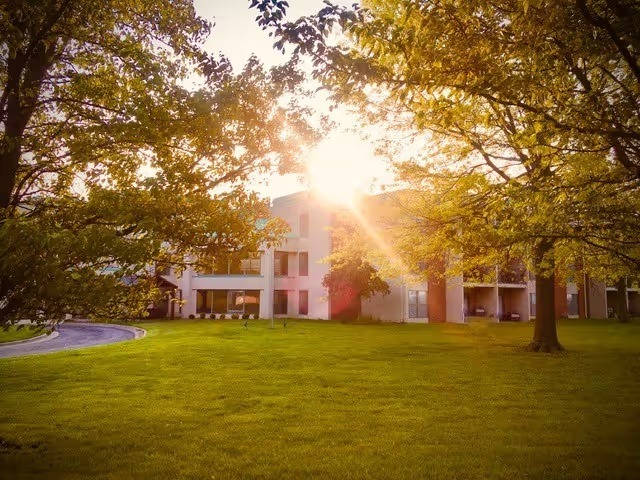
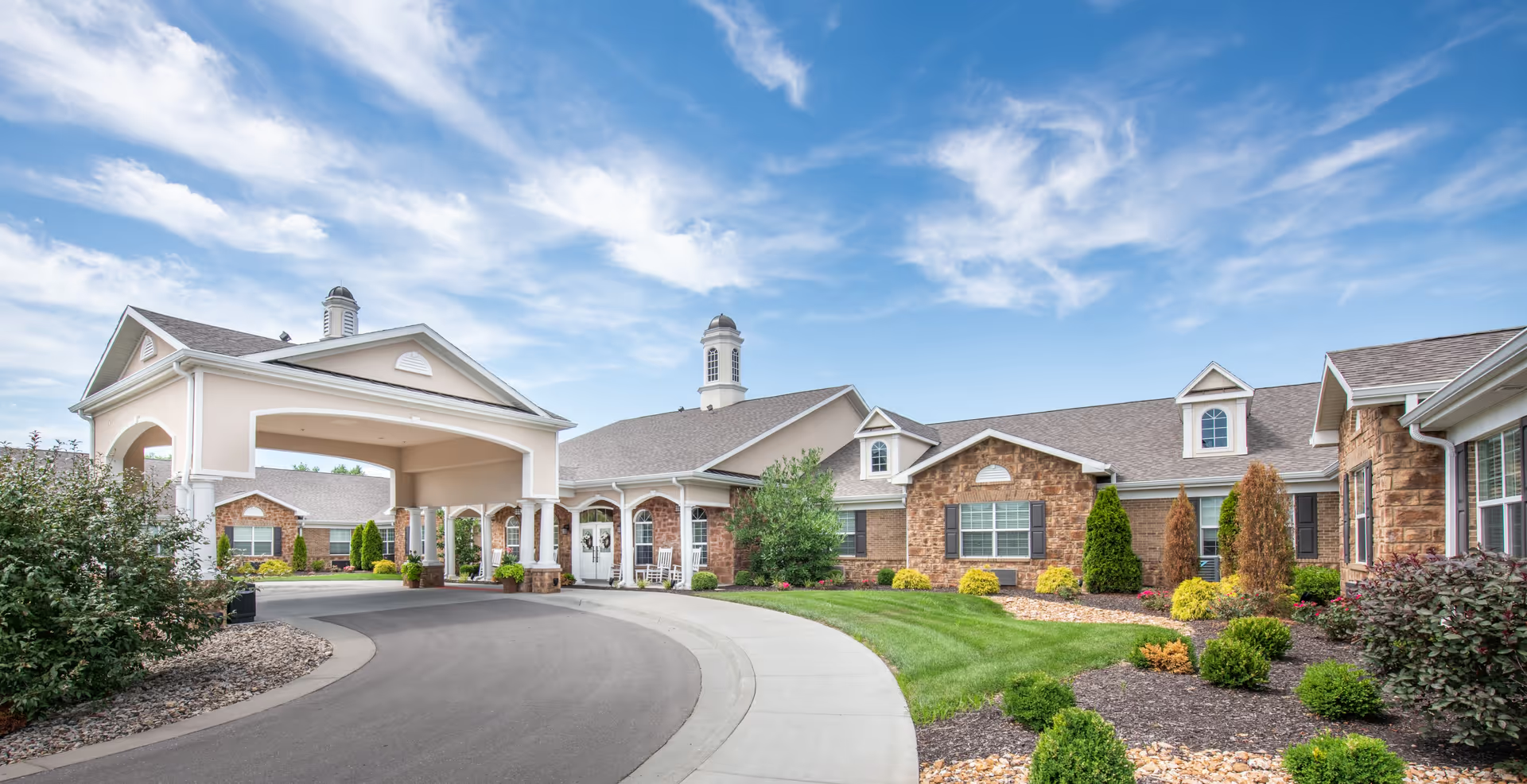
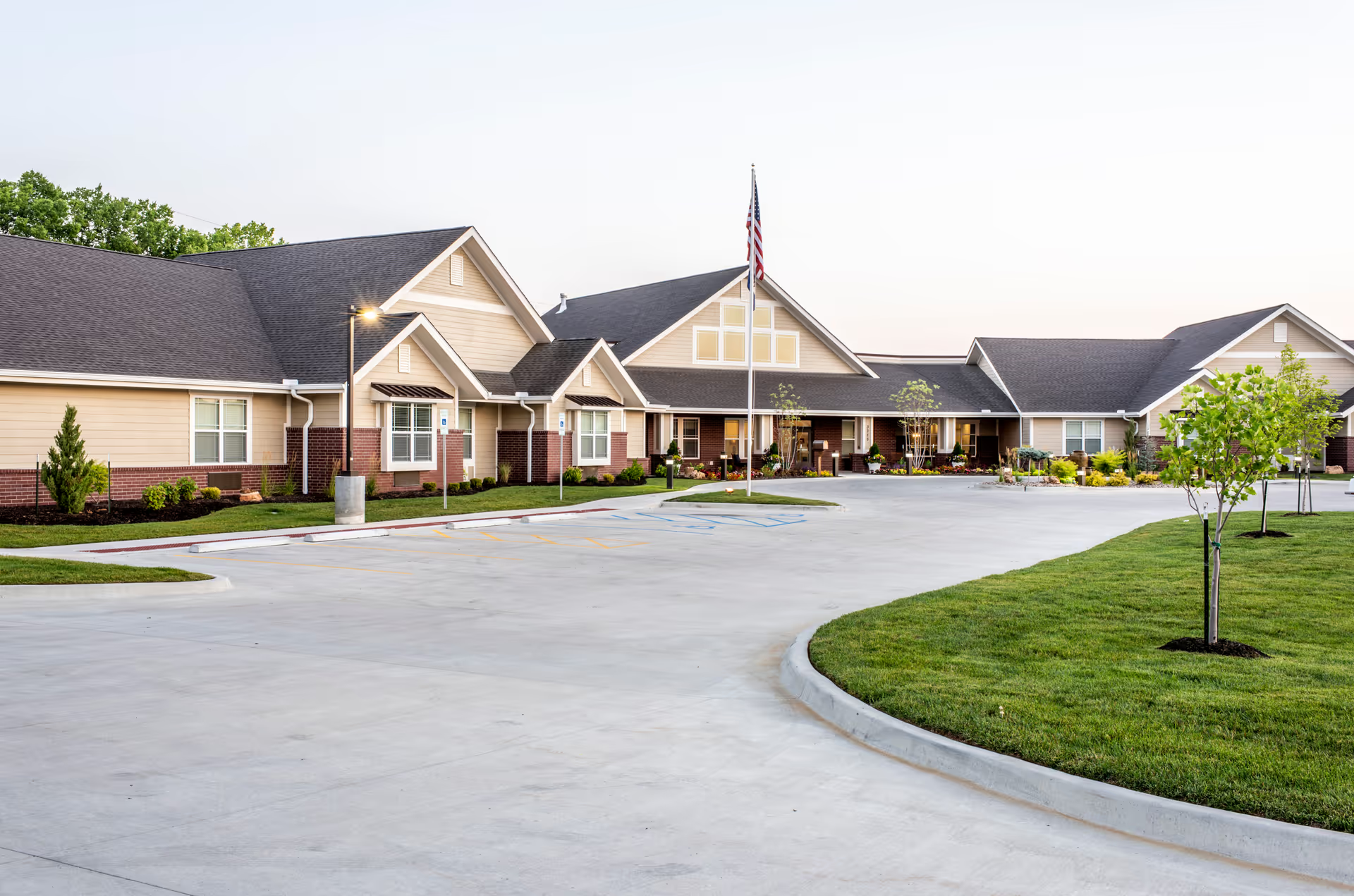
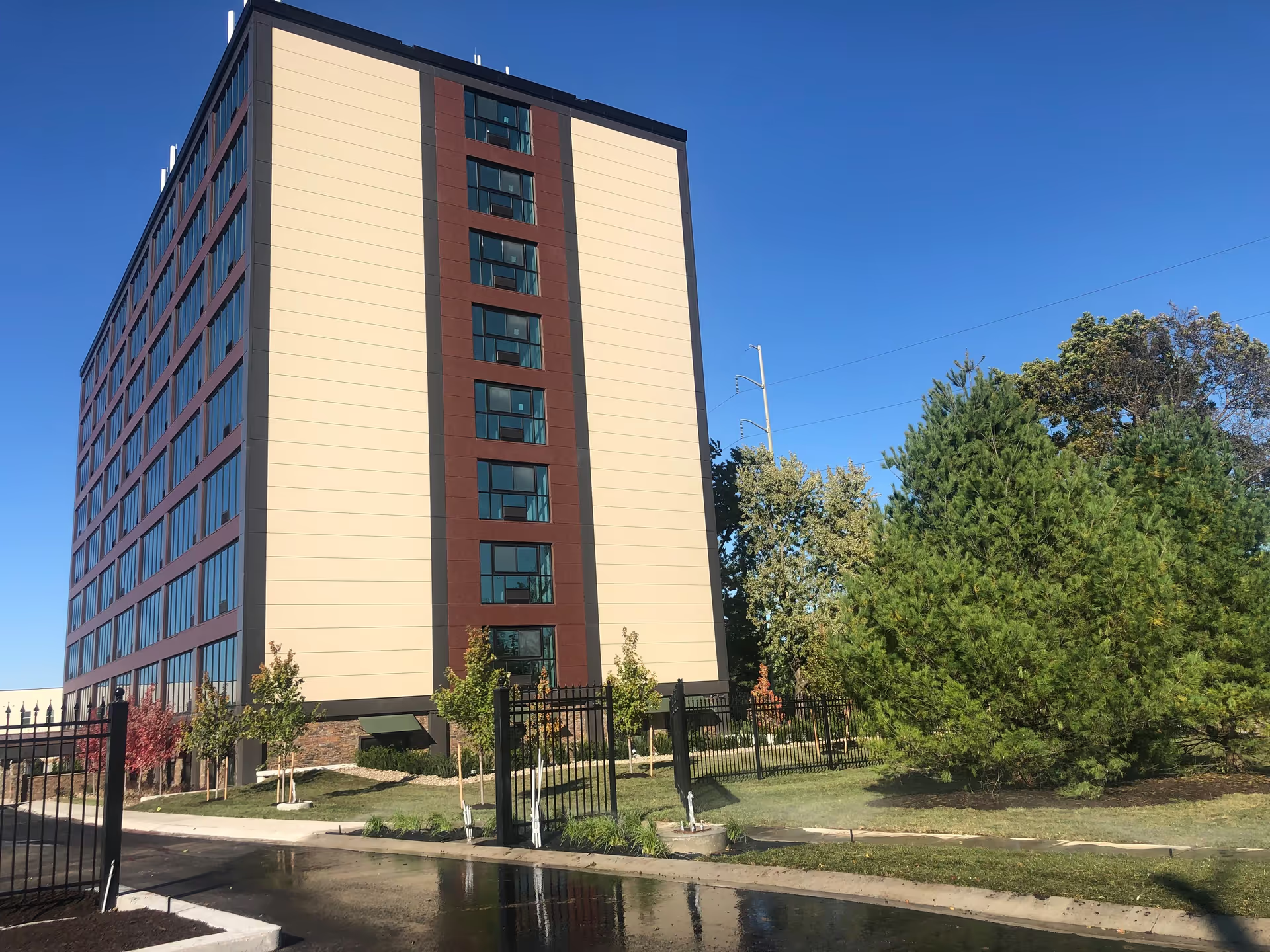
Facility condition and maintenance present another pattern of variability. The campus includes attractive elements — a large atrium, indoor connectivity, and landscaped grounds — but the underlying buildings are older and require ongoing upkeep. Reviewers described problems ranging from nonfunctional laundry machines and air-conditioning failures to water leaks, parking-lot deterioration, and dark or poorly lit common areas. Pest-control concerns and irregular housekeeping in some units were raised, alongside reports of missing personal items and weaknesses in belongings management. Accessibility can be challenging in parts of the campus because of hills, stairs, and limited ramp/elevator capacity.
Management and communication are mixed. Several reviewers praised new or engaged leadership, an accommodating admissions team, and improvements under new administration. Conversely, others described limited responsiveness from administration on care complaints, billing disputes, unclear fee structures (including charges for transportation and errands), and poor follow-through on concerns about personal property and care incidents. High turnover among staff and leadership changes were cited as contributing to inconsistency in resident experience.
Taken together, the pattern is one of strong elements — amenities, therapy services, and committed staff in many roles — alongside persistent operational risks tied to staffing, facilities maintenance, and administrative responsiveness. Prospective residents and families should weigh the facility’s rehabilitation and activity offerings and the benefits of a campus-style continuum of care against the need to confirm current staffing ratios, recent inspection and pest-control records, specifics of included services and extra fees, and documented approaches to clinical continuity (medication, wound care, bathing schedules). A focused tour that includes speaking with current families, reviewing recent state inspection results, and asking for written explanations of fees and staffing levels will help assess whether Rosewood’s strengths align with an individual’s care priorities.