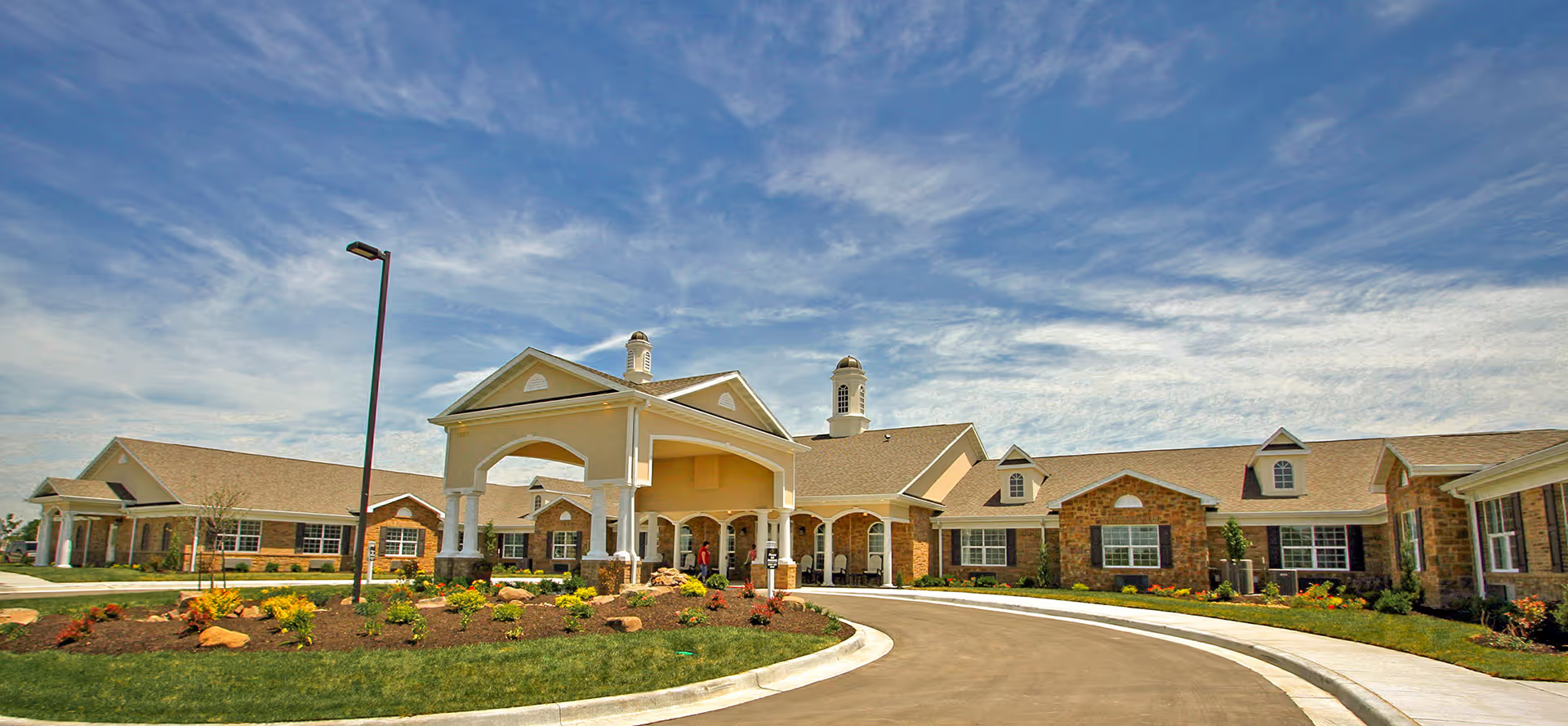
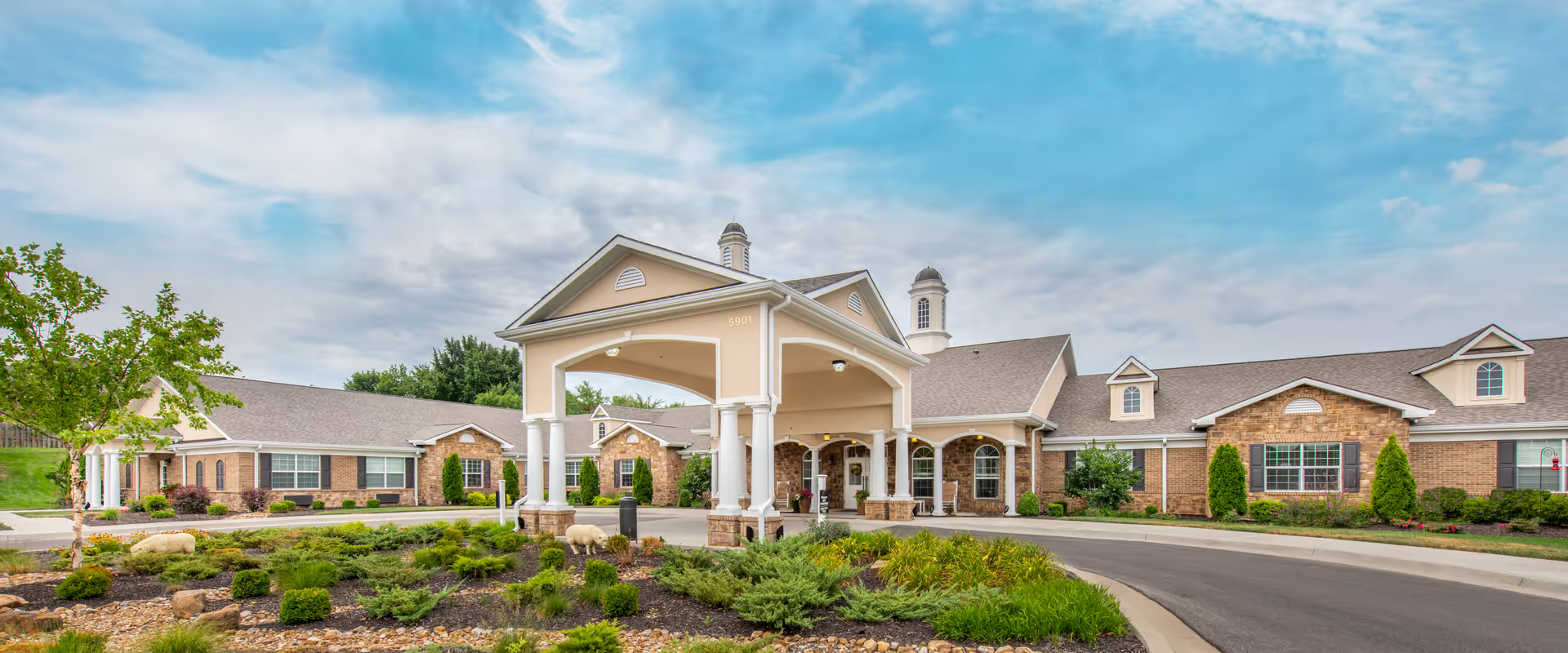
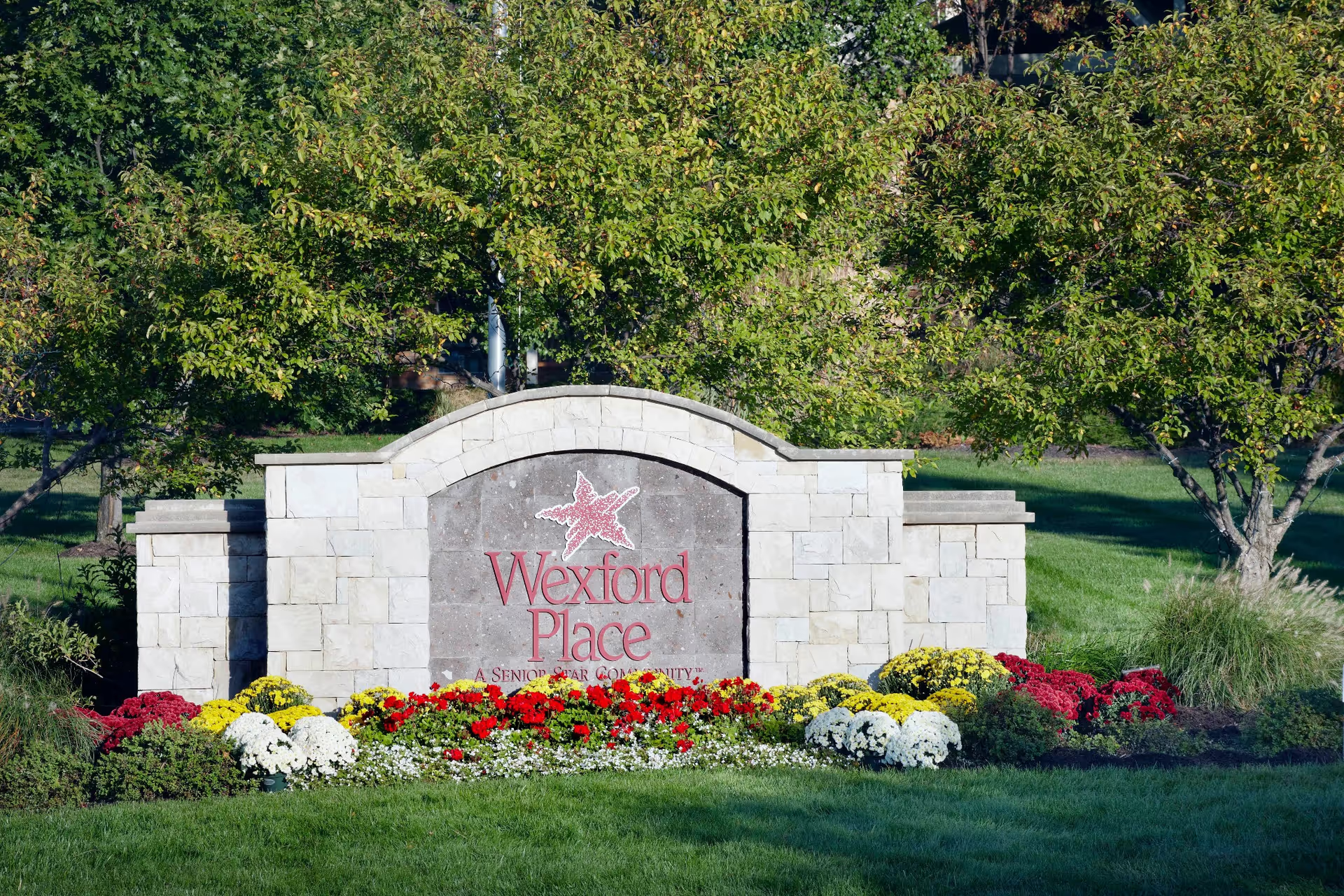
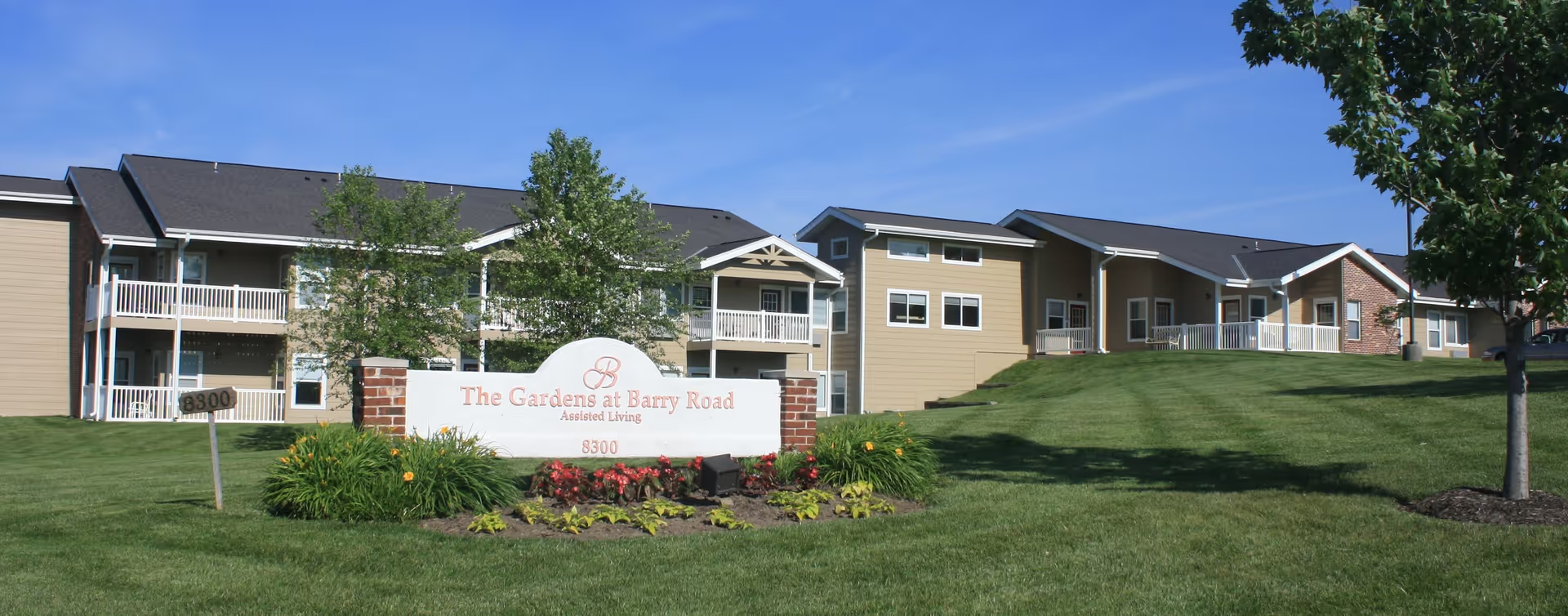
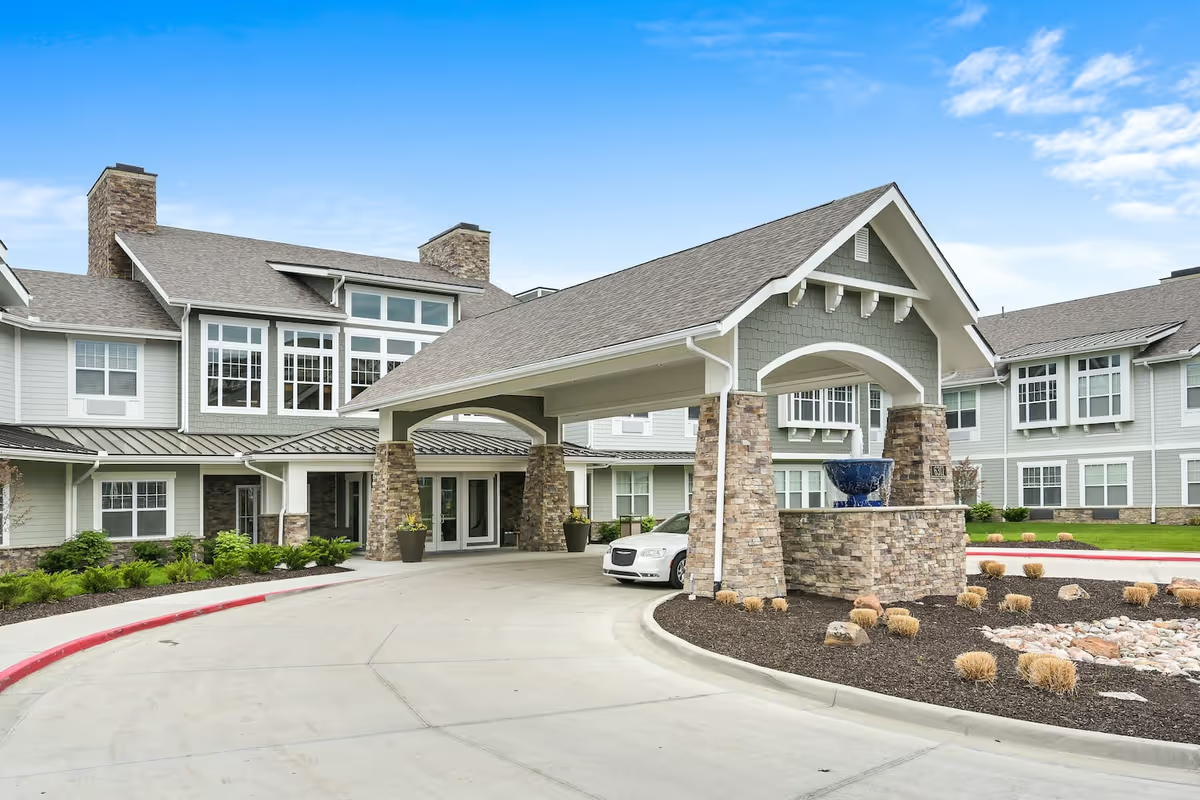
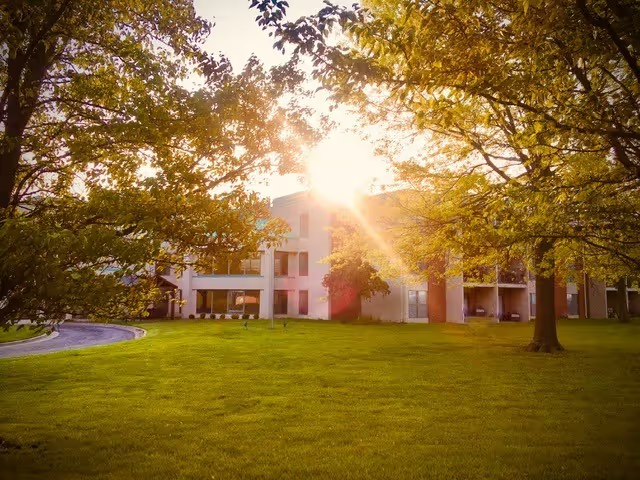
This community presents a mixed but informative profile for prospective independent-living residents. On the positive side, reviewers consistently cite warm, personable and knowledgeable staff members, an active activities program led by an on-site coordinator, and well-kept grounds and common spaces. Unit-level features that draw praise include in-unit washer/dryer, spacious layouts able to accommodate queen-size furniture, and large walk-in showers. Common amenities such as a library, TV room and game room support social engagement, and the overall environment is frequently described as clean with a strong sense of community among residents.
Care and daily living at this property align with independent-living expectations: residents generally manage their own meals and personal care, and there is no on-site nursing or assisted-living level of care. That model suits residents seeking independence and a social community, but it also means families should plan for external care services if clinical needs increase. Housekeeping and meal services are limited or optional in many units, so self-sufficiency is an operational characteristic rather than an exception.
Staff performance receives divergent feedback. Many reviewers name individual employees positively and describe timely, effective maintenance and attentive programming. At the same time, there is a clear pattern of management instability: frequent leadership changes, periods when on-site managers are absent, and uneven communication. Those organizational issues correlate with operational lapses identified by reviewers, including delayed responses to infrastructure problems and inconsistent follow-through on resident concerns.
Infrastructure and operations are notable areas of risk. Multiple accounts point to reliability problems—elevators, intermittent water and electrical outages, and occasional flooding or leaks—which can materially affect resident comfort and safety. Accessibility is another recurring theme: limited accessible units and ADA-compliance gaps were described, and some apartment features (thermostat access, closet or microwave placement) may not meet every resident’s needs. Dining is not a full-service, continuous offering; meal options are limited or event-based, and residents typically prepare their own meals or rely on informal communal arrangements.
Financial and policy transparency is uneven. Many residents appreciate up-front cost information and move-in assistance, but others report inconsistencies around extra fees (pet or garage charges), rent increases, and perceived discrepancies between what was shown during tours and what was delivered in leases. There are also mentions of inconsistent enforcement of lease terms, particularly around pets.
Overall, the community offers strong social programming, helpful frontline staff, and well-maintained living spaces that appeal to independent residents who value community activities and in-unit amenities. However, prospective residents and families should weigh these strengths against documented operational weaknesses—management turnover, infrastructure reliability, accessibility limitations, limited dining and housekeeping services, and occasional communication or billing inconsistencies. Visiting multiple times, asking for written disclosures about recent infrastructure repairs and management tenure, and clarifying the scope of services and extra fees in the lease will help determine fit for an individual’s needs.