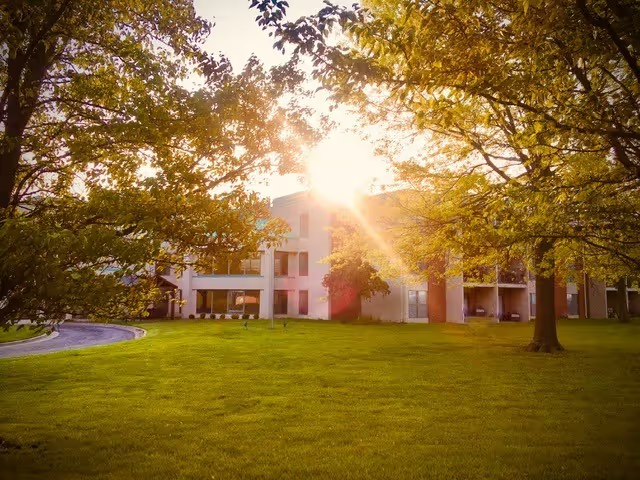
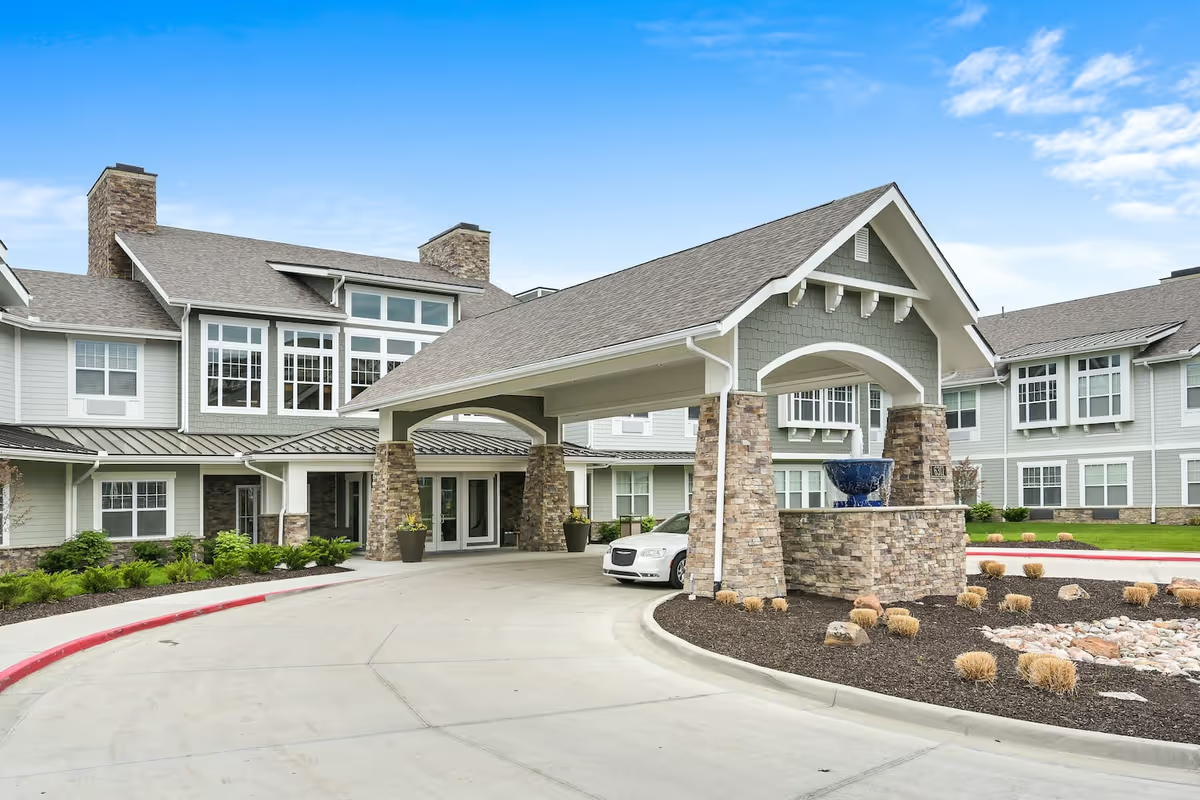
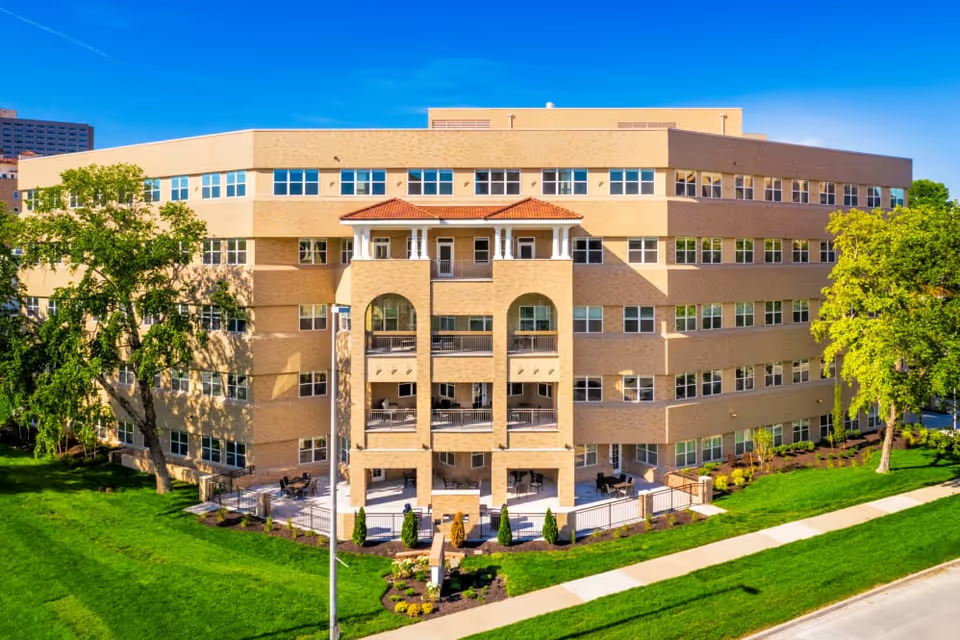
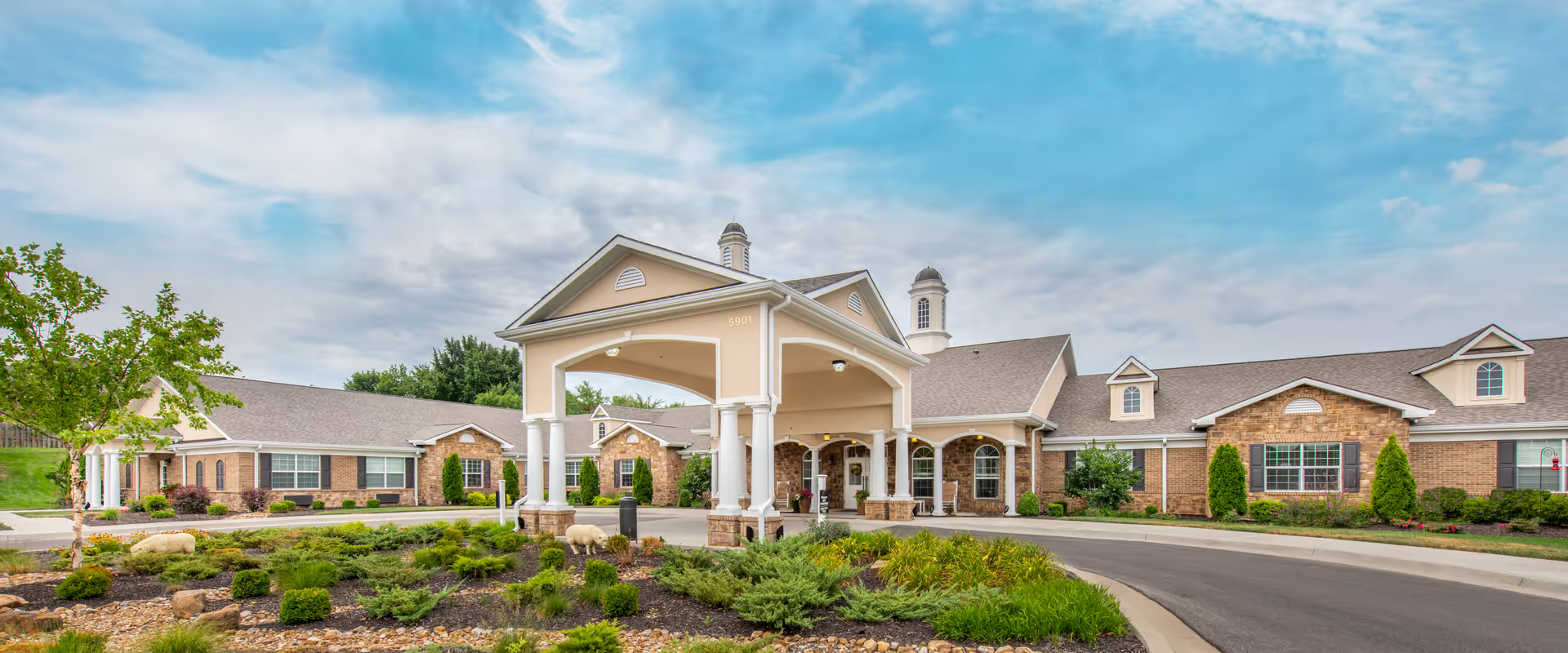
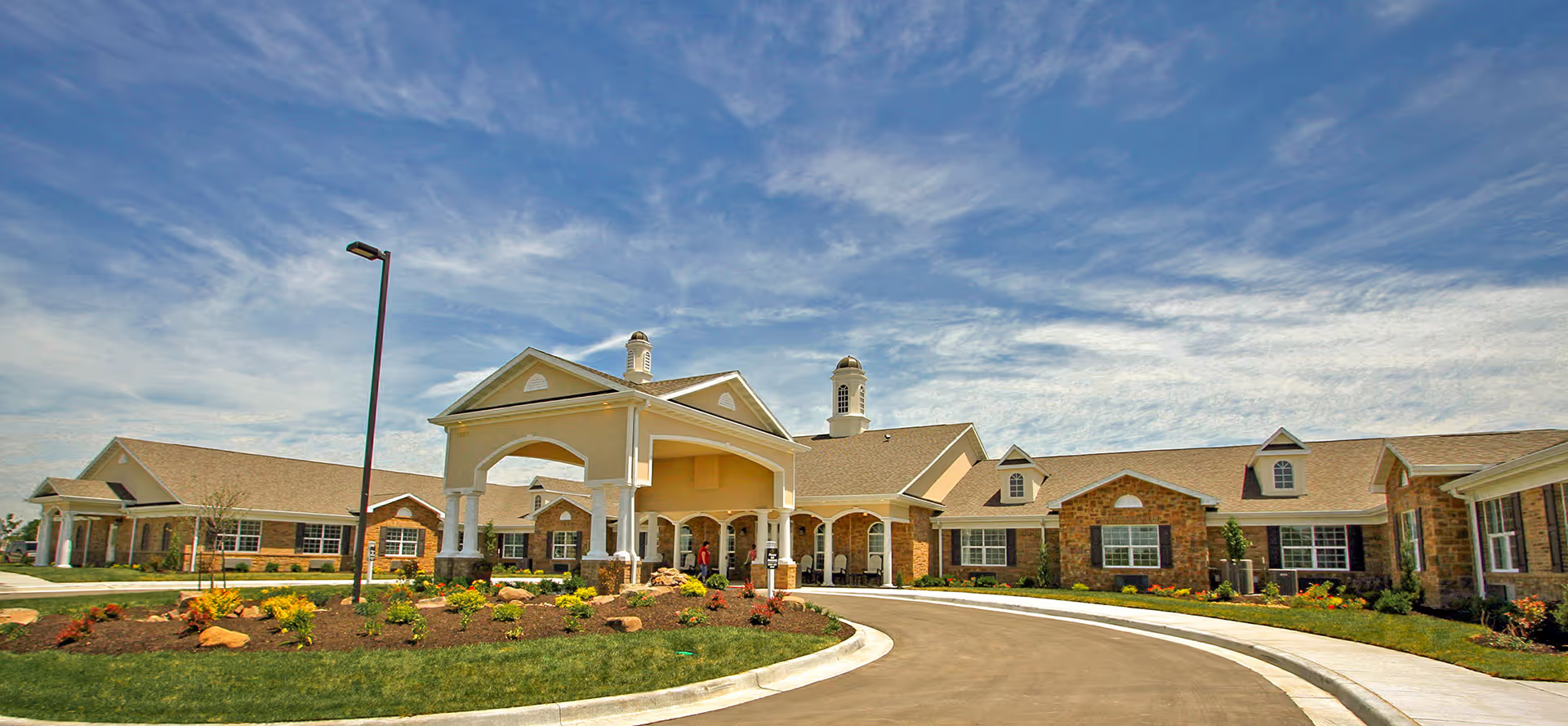
Reviews of Northland Rehabilitation & Health Care show a pronounced split between its rehabilitation strengths and operational inconsistencies in other areas. The facility's physical and occupational therapy programs receive consistently strong endorsements: therapists are described as skilled, goal-focused, and effective at restoring mobility and preparing residents for discharge home. Many families credit the rehab teams with measurable recovery gains. The facility's modern, clean environment, roomy accommodations, therapy gym, and landscaped outdoor area also support a positive rehabilitation experience.
Nursing and direct-care support present a mixed picture. Numerous reviewers praise individual CNAs and nurses for attentiveness and compassion, and several accounts describe timely personal care and successful short stays. However, there are recurrent concerns about staffing levels, particularly during evenings and overnight shifts, and about heavy use of agency staff. These operational features are linked to delays in responding to call lights, inconsistent medication timing, and uneven adherence to physician orders and individualized care plans. Several families described variability in staff conduct and communication tone; language barriers were also reported as a factor that occasionally impeded effective bedside communication.
Dining and nutrition are another area of divergence. Some reviews highlight enjoyable, homemade-style meals and the option for visitors to dine with residents. Other reviews point to inconsistent meal temperature, presentation (heated disposable service), and failures to follow prescribed diets — notably diabetic meal noncompliance. These reports suggest variability in kitchen execution and meal-service continuity rather than a uniformly poor dining program.
Activities, admissions, and facility amenities are generally seen as strengths. Reviewers often note well-attended, varied activities, an attractive and home-like interior, and a helpful admissions process. Several family members singled out administrative staff who were accessible and responsive and credited the team with smoothing transitions from hospital to facility. At the same time, there are repeated comments about administrative communication lapses — missed follow-through, room-assignment errors, and occasional billing or discharge coordination problems — that create stress for families.
Notable patterns to weigh when considering Northland: the facility appears well suited for short-term, therapy-intensive rehabilitation where therapy staff and the environment facilitate recovery. Conversely, families seeking long-term skilled nursing for residents with complex medical or dementia-related needs should be attentive to signs of staffing consistency, medication administration reliability, and documented adherence to care plans. A number of reviews raise serious individual concerns — including falls, readmissions, and end-of-life issues — that merit direct inquiry with facility leadership, review of state inspection reports, and verification of staffing levels and clinical protocols prior to placement.
In summary, Northland offers a modern setting with strong rehab services and many compassionate staff members, but prospective residents and families should confirm operational details (shift staffing, medication administration policies, dietary accommodations, and care-plan oversight) and monitor communication and responsiveness during any stay to ensure expectations align with day-to-day care delivery.