The reviews indicate a facility with notable strengths alongside persistent operational weaknesses. Positive accounts emphasize a core of caring nursing staff and CNAs who create a family-like atmosphere, engaging activities including spiritual programming and pet visits, and visible efforts at facility upkeep. Multiple accounts credit recent management changes with tangible improvements: renovated areas, a more professional administrator team, smoother operations, and more responsive in-house staffing models compared with prior contractor reliance.
Care-quality comments are mixed. Many families describe attentive, compassionate bedside care and successful rehabilitative outcomes when therapy is delivered and supervised; others describe delayed assistance with toileting and transfers, medication-administration lapses, and occurrences of pressure-related skin injury and weight loss that they attribute to inadequate monitoring or delayed response. These mixed accounts suggest variability in clinical consistency that appears tied to staffing levels, staff training, and supervision.
Staffing and operations emerge as a central theme. Reviewers cite frequent turnover, use of agency/contracted clinicians, and periods of staff burnout or overload that correlate with slower response times to call lights and inconsistent personal-care routines. Several comments suggest clinical oversight gaps when therapy personnel are contracted rather than employed by the facility, which can affect continuity of care and rehabilitation progress.
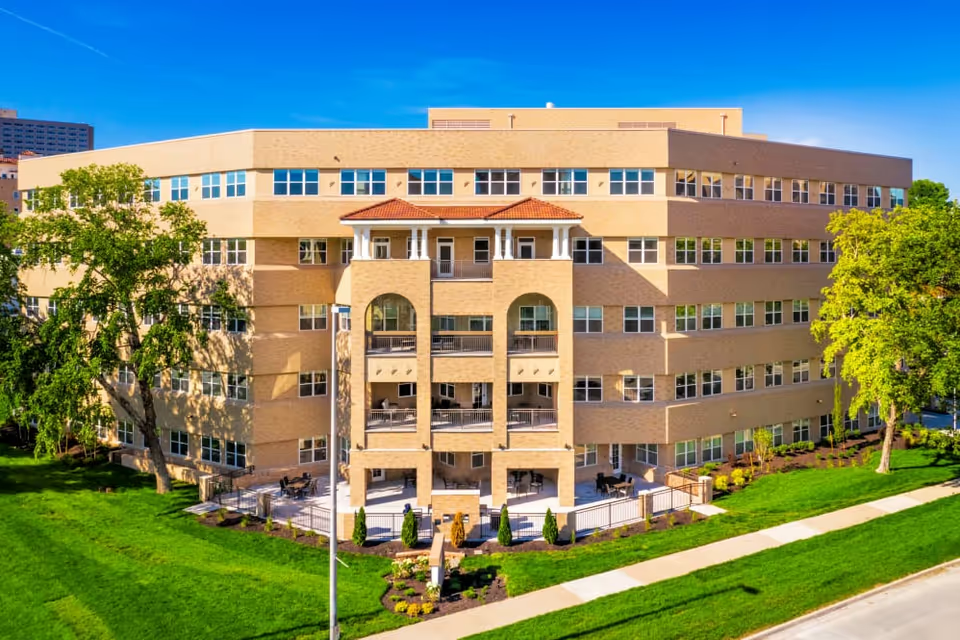
Facility and environmental issues are another recurring pattern. While some areas are described as clean and well maintained after recent changes, other accounts raise sanitation and pest-control concerns and uneven housekeeping attention across units. Dining experiences are described as variable — from adequate meals and supportive dining staff to meals perceived as poorly prepared or inappropriate for resident dietary needs. Amenities are limited in scope for some families, with the koi pond and community events listed as primary on-site features.
Communication, property security, and administrative processes are areas of concern. Multiple reviewers describe lapses in family notification after clinical events, limited follow-up after hospital transfers or deaths, and continuation of billing during unresolved transitions. Allegations of missing personal items and perceived weak controls over resident belongings were also raised. State and federal inspection deficiencies were referenced in some accounts, indicating that regulatory issues have been documented historically.
In summary, Parkview Healthcare appears to be a facility undergoing active change: there are clear and credible accounts of improved leadership, stronger administrative engagement, and positive staff–resident relationships, alongside persistent operational vulnerabilities tied to staffing stability, clinical oversight, environmental control, dining consistency, and family communication. Prospective residents and families should review recent inspection reports, ask about current staffing ratios and therapy arrangements (in-house versus contracted), tour multiple care areas, and discuss communication and property safeguards before deciding. If concerns arise during a stay, families should document incidents, request care-plan reviews, and use facility grievance or regulatory channels as needed.