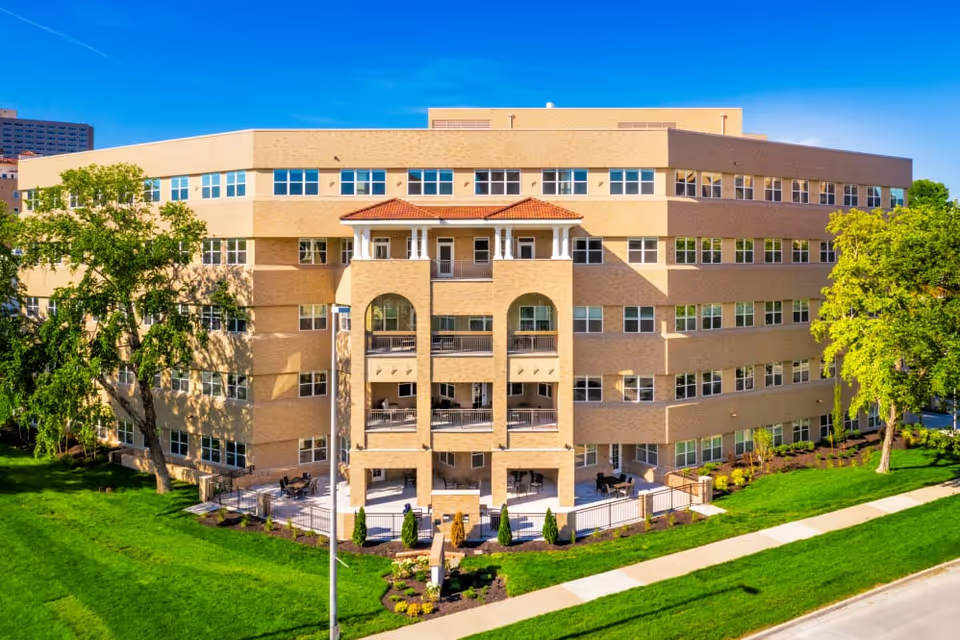
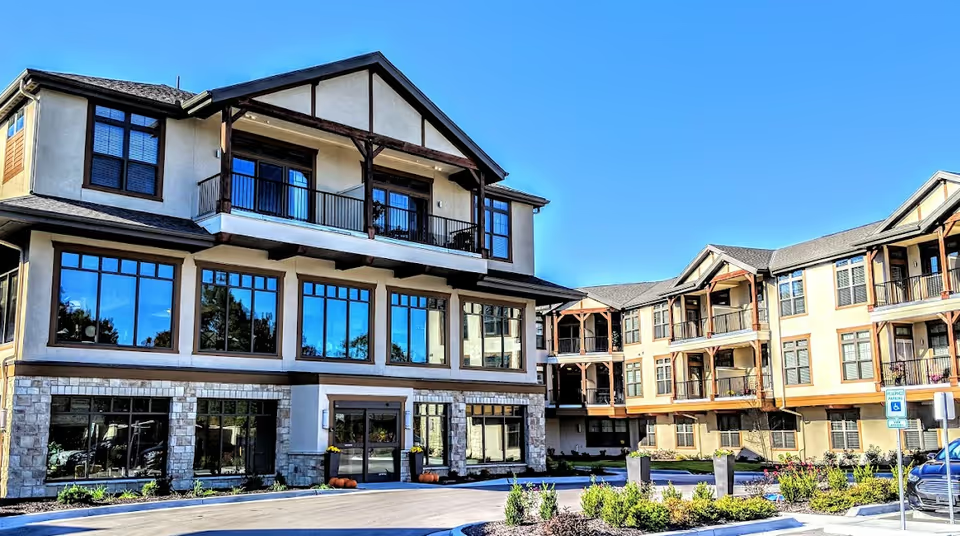
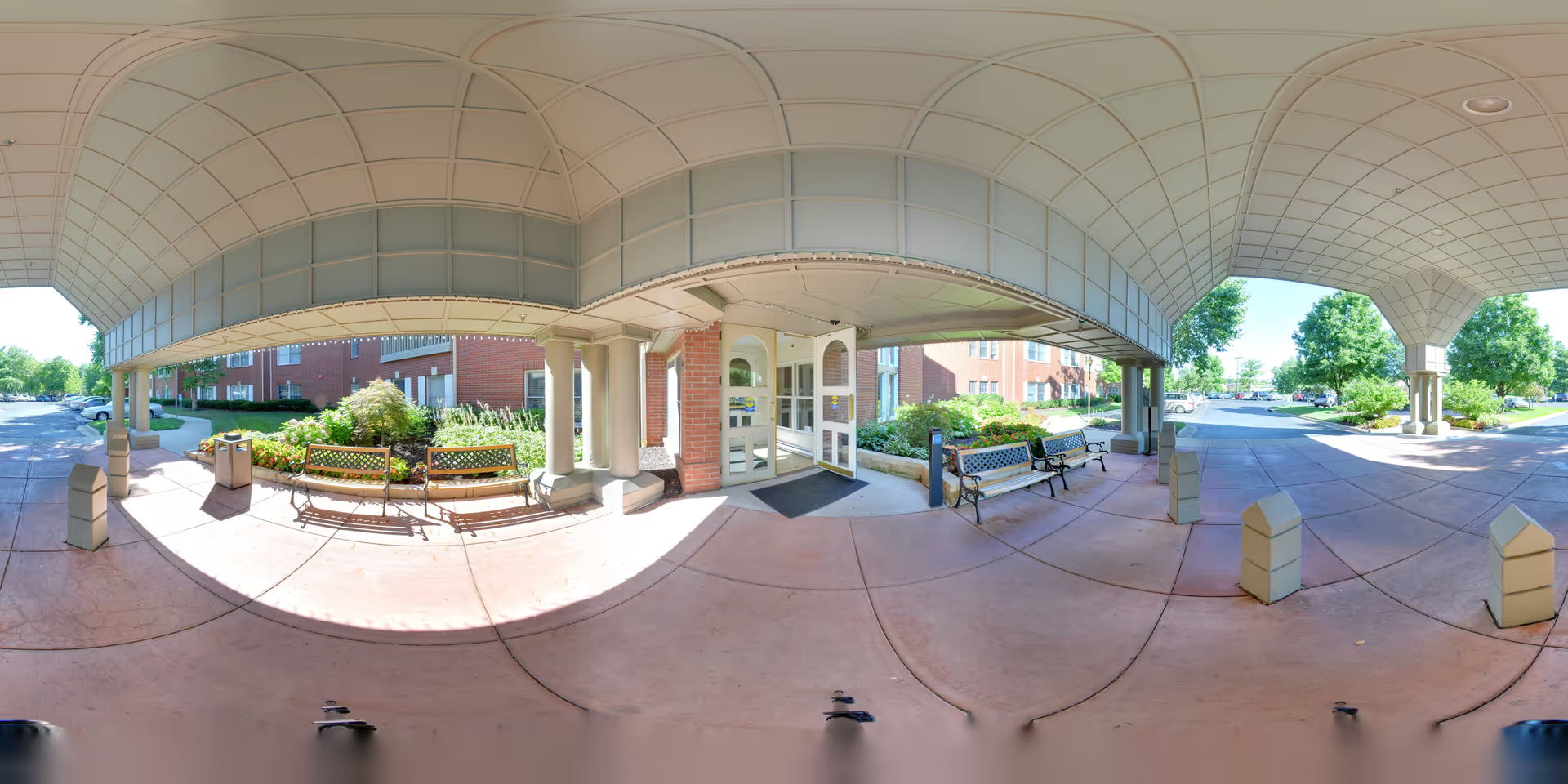
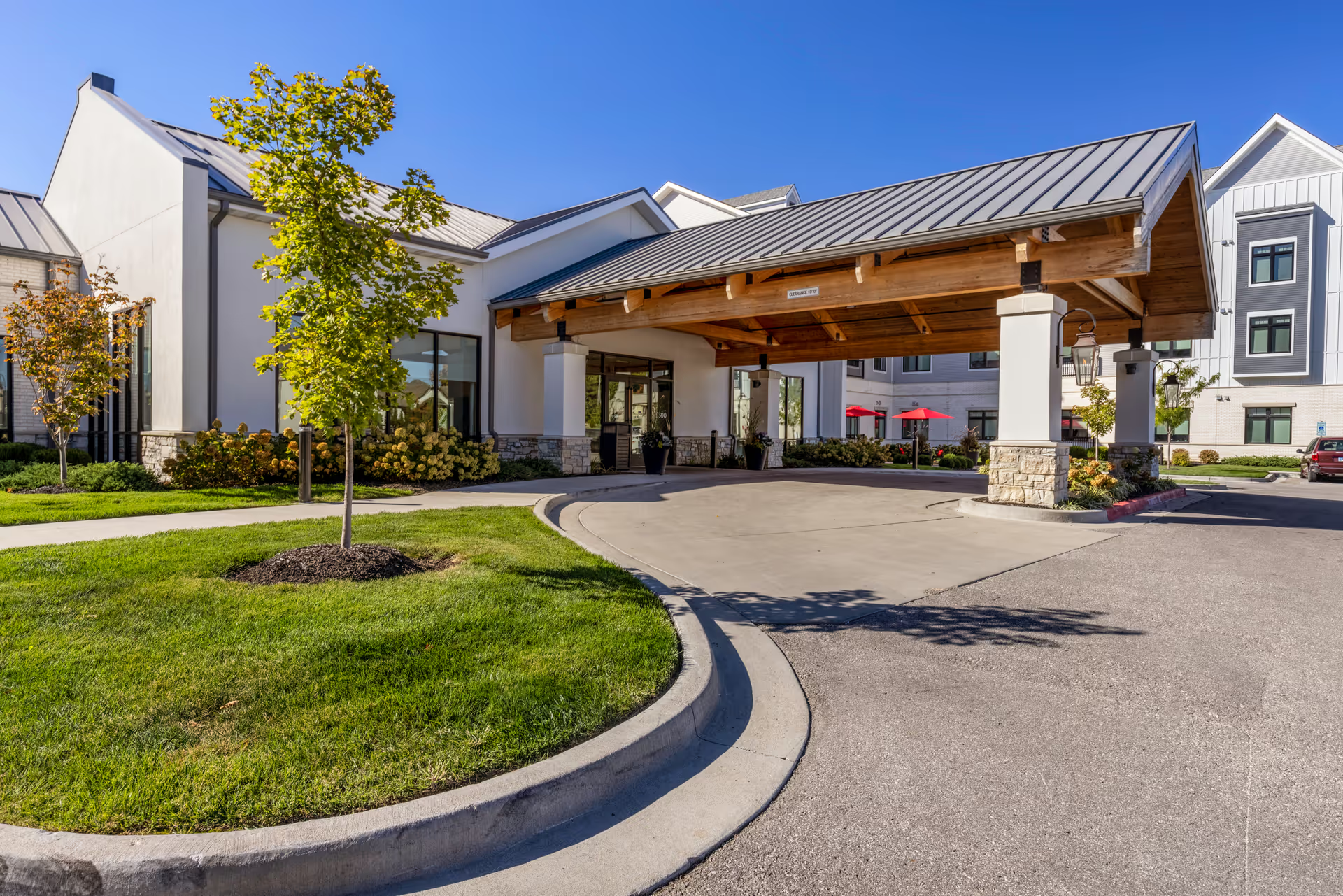
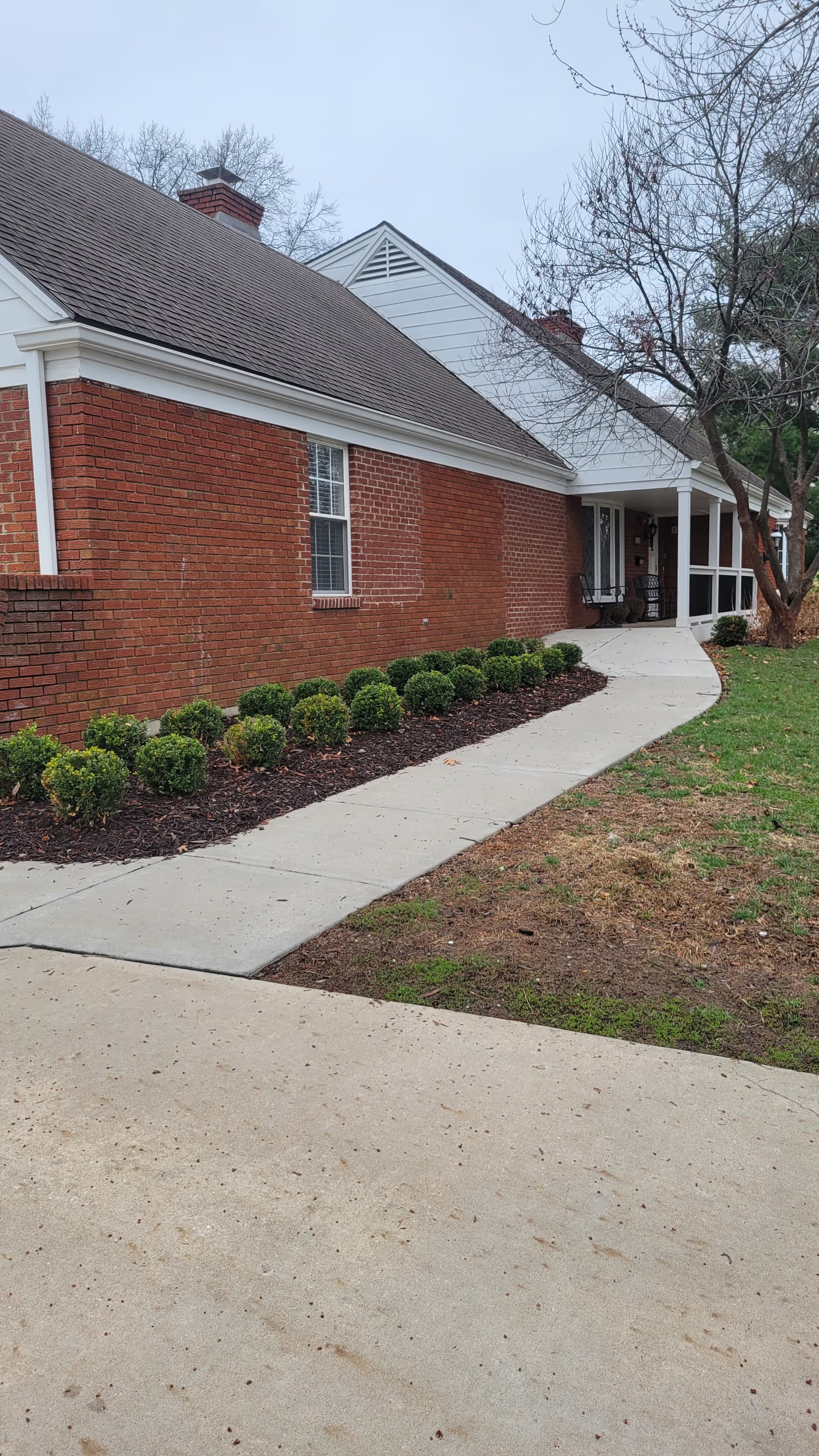
Rockhill Manor presents as a historic, well-appointed assisted living community with clearly defined clinical strengths and a distinct care orientation. Many reviewers highlight the facility's attractive common spaces, gardens, and renovated suites alongside a large, orderly dining room that serves balanced meals. The community emphasizes on-site clinical resources — including medical, laboratory, and radiology services — and maintains an integrated psychiatric and behavioral-health presence that supports physical and psychological therapies. Daily programming such as mind–body classes, crafts, and social activities contribute to a sense of community and improved quality of life for many residents.
Care quality is frequently described as attentive and knowledgeable. Families commonly praise nursing and clinical teams for their medication administration consistency and for providing coordinated therapies. Several accounts describe warm, family-like relationships between staff and residents and note that the facility can be especially beneficial for individuals who require active behavioral-health support or psychiatric care. At the same time, the facility’s clinical orientation toward behavioral health may make it less suitable for prospective residents seeking a primarily non-clinical assisted-living environment.
Dining and activities are strengths: meals are characterized as plentiful and well-balanced, with opportunities for resident input, and the activity schedule includes therapeutic and recreational offerings. Common areas such as sitting rooms with fireplaces and a piano, multiple social spaces, and local transit access were noted positively and support social engagement.
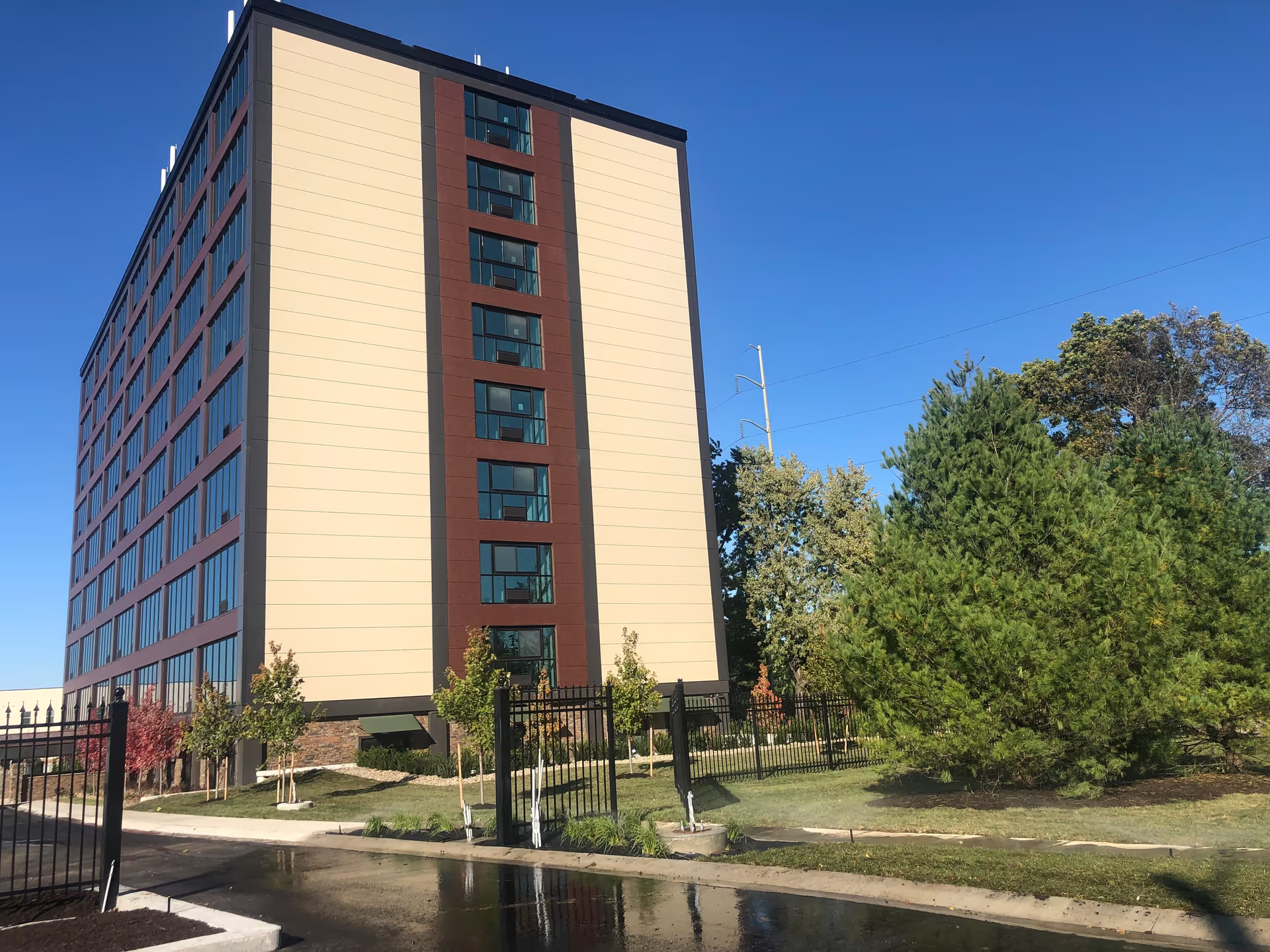
Facilities and maintenance show mixed signals. While parts of the building have been renovated thoughtfully and base pricing appears to reflect renovation status, reviewers describe variability in room layouts and finish levels. There are also mentions of sanitation and pest-control concerns in some units and of ongoing renovation work; prospective families should inspect specific rooms and ask about recent pest-control and housekeeping records.
Management and administrative practice are recurring sources of concern. Reviewers raise issues about inconsistent communication, unmet move-in or bed promises, and aggressive billing or damage-charge policies that can affect resident transitions. Some comments describe problematic staff conduct or an unpleasant communication tone, and a subset of reviews contains serious allegations of discriminatory behavior and safety concerns. Additionally, a portion of feedback questions the facility’s medication-management philosophy. These patterns suggest prospective residents and families should seek clear written agreements, inquire about dispute-resolution and billing policies, and observe staff–resident interactions during a visit.
In summary, Rockhill Manor may be a strong match for older adults who need or benefit from integrated medical and psychiatric supports and who value historic ambiance and active programming. However, variability in accommodations, administrative practices, and isolated but serious concerns around conduct, billing, and sanitation mean families should perform targeted due diligence: tour multiple rooms, review clinical and pest-control records, request written commitments on fees and room readiness, and discuss clinical philosophy to ensure alignment with the prospective resident’s needs.