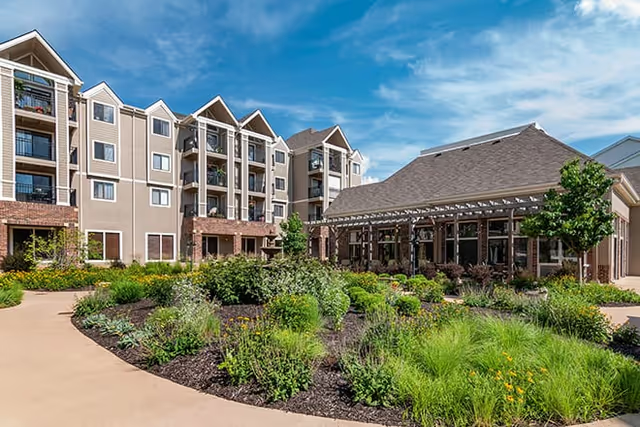
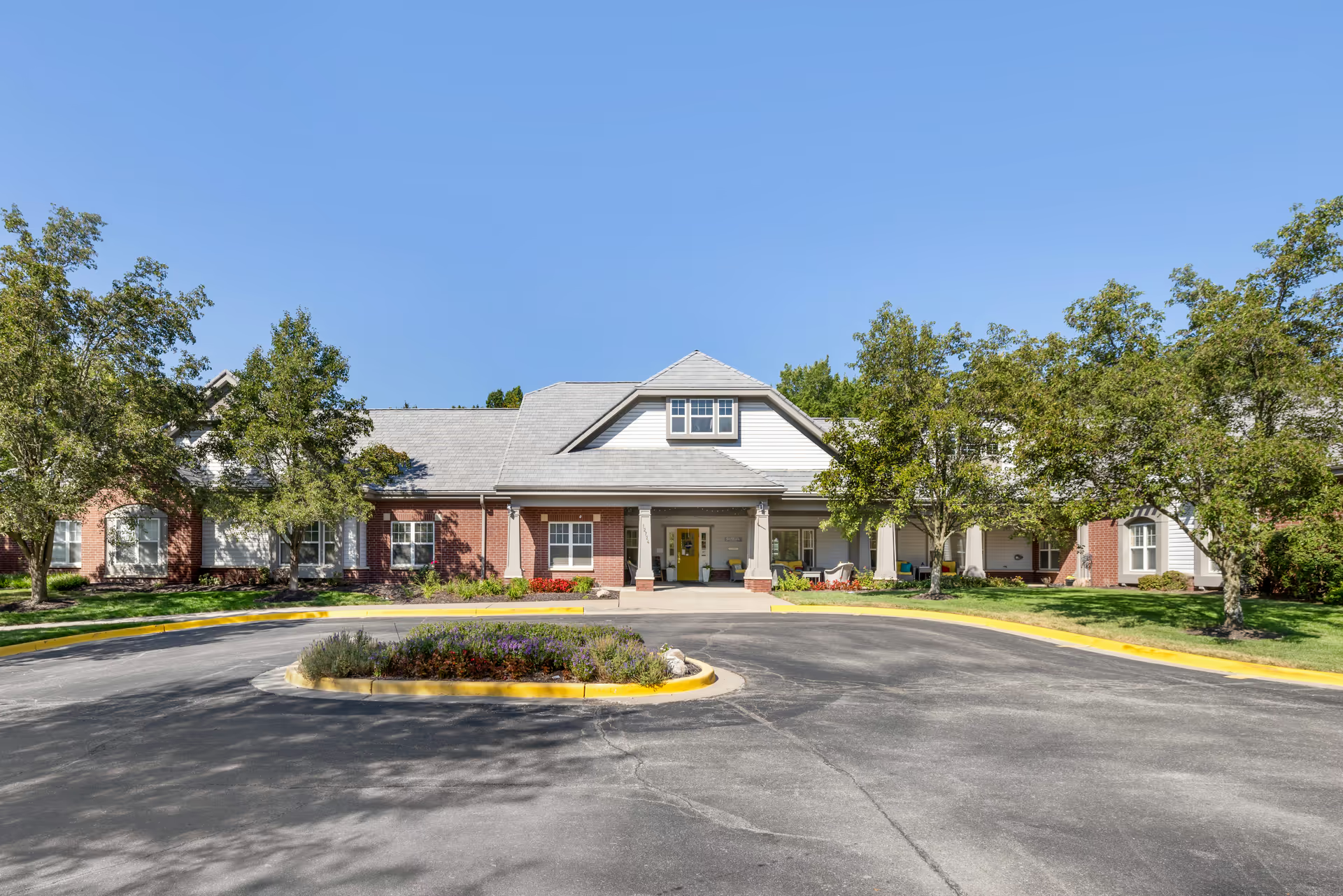
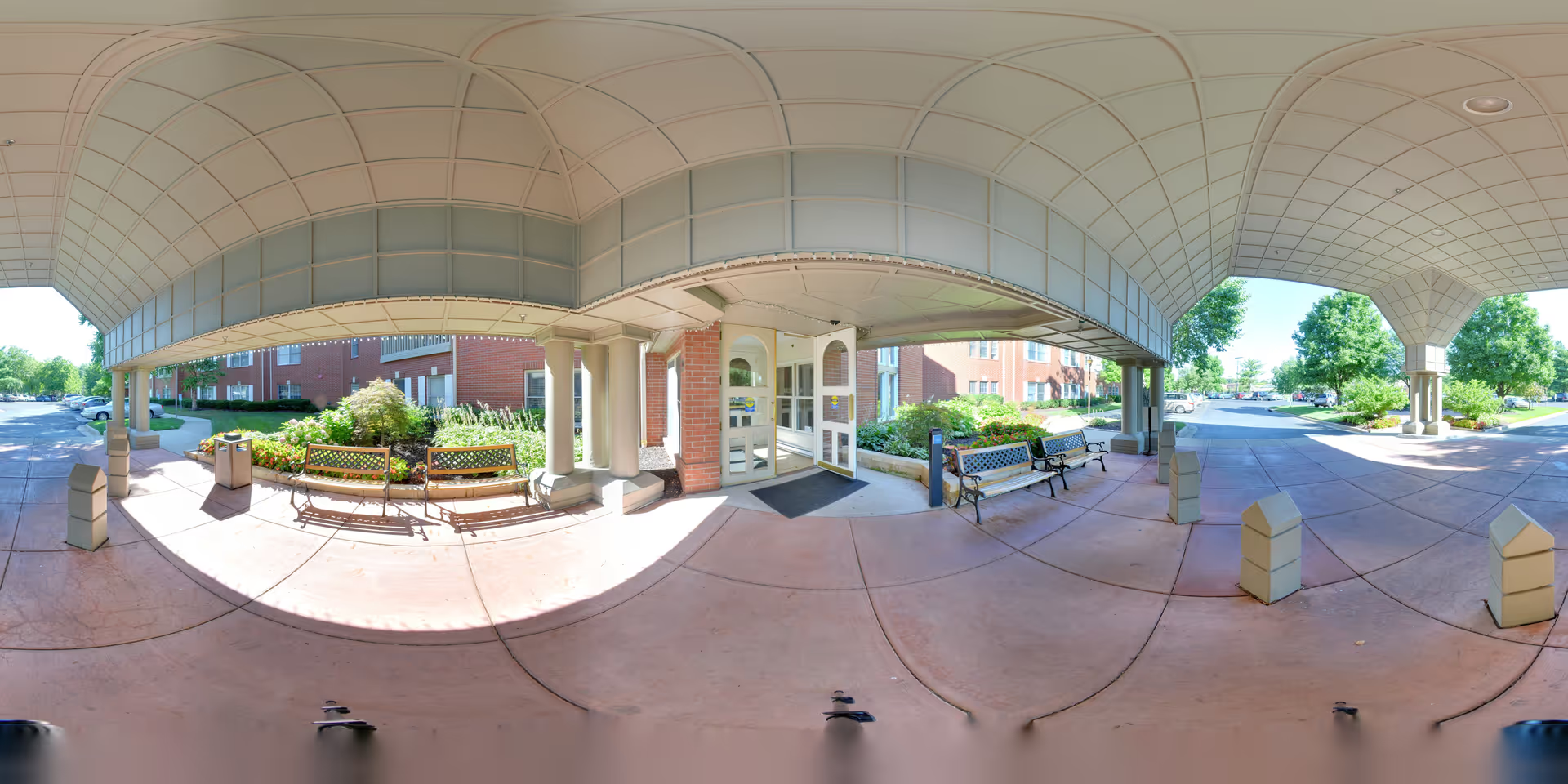
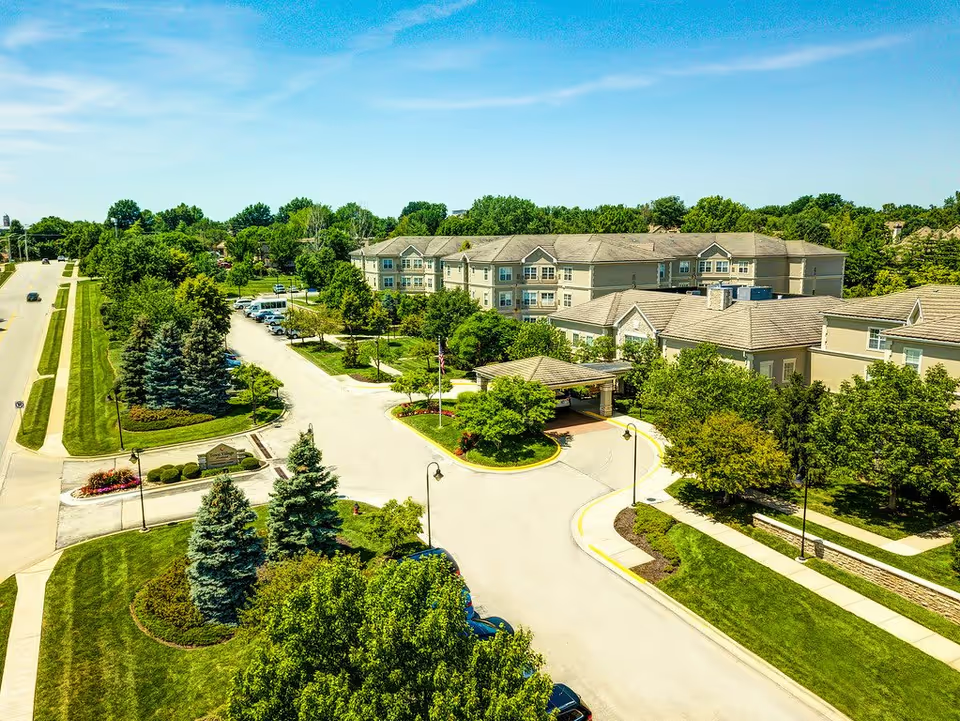
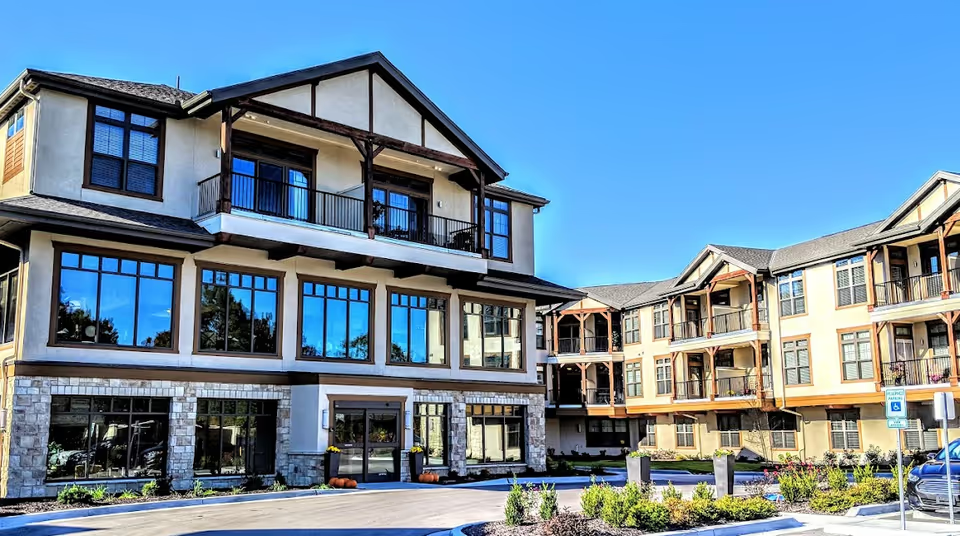
Reviews of The Hilltop at Blue River present a mixed picture with clear strengths in therapy, admissions, and some aspects of day-to-day resident life, alongside recurring operational and clinical concerns. Families and residents frequently praised individual caregivers, the admissions and front-desk teams, and the facility's physical environment — clean, bright common areas and spacious, sunlit rooms. Physical and occupational therapy services and rehabilitation coordination receive notably positive comments, and many reviewers describe engaging activities, monthly events, and attentive social work support that contribute to residents’ social involvement and recovery outcomes.
Care and staffing observations vary significantly. Positive accounts emphasize compassionate, patient-focused staff and timely clinical coordination in some cases. Conversely, other reviews describe inconsistent staffing levels and coverage, delays in attending to resident needs, and variability in medication administration and wound management. These operational inconsistencies translate into concerns about clinical reliability for families seeking steady, predictable nursing oversight. A subset of reviews also raised issues with staff conduct and tone; while many staff are described as professional and respectful, there are enough accounts of problematic interactions to merit attention to staff training and supervision.
Dining, activities, and facilities also show a split. Several reviewers compliment the activity programming, group therapies, and pet-therapy or social opportunities that foster a homelike atmosphere. Food quality and menu adaptability are more mixed: some families observed improved meals and resident weight gain, while others found the dining experience unappetizing or insufficiently tailored to dietary requirements. Facility maintenance and cleanliness are typically described positively (clean, well-maintained interiors, no persistent odors), but there are also recurring sanitation concerns and inconsistent housekeeping in some areas that suggest uneven execution of standards.
Management and communication are central themes. Many reviewers noted a history of leadership turnover and inconsistent responsiveness from administrative staff and nursing leadership; this instability appears correlated with variable family communication and gaps in transparency during clinical incidents. At the same time, several recent reviews indicate a shift under new leadership (named administrators and a returning director of nursing) with visible outreach from regional leadership, employee-appreciation efforts, and reported operational improvements. A few reviews described serious safety-related incidents that involved emergency responders or a resident leaving without documented authorization; these items underscore the need for stronger monitoring, documentation, and family notification protocols. Prospective families should weigh the facility’s clear strengths in therapy, admissions, and social programming against documented operational risks — especially around staffing consistency, infection-control practices, clinical reliability, and communication — and should ask specific, current questions about staffing ratios, infection protocols, fall-monitoring procedures, medication management, and recent quality-improvement actions when evaluating placement.