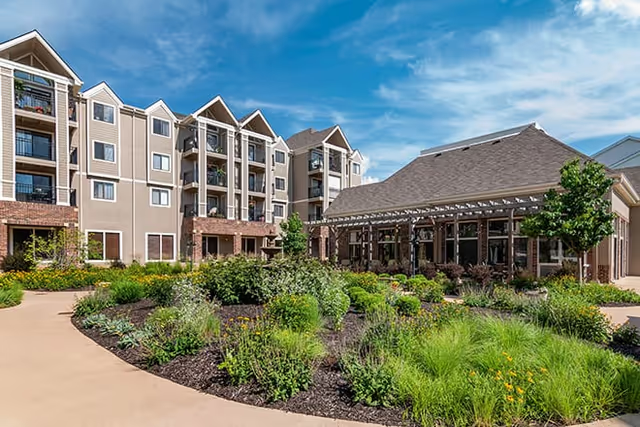
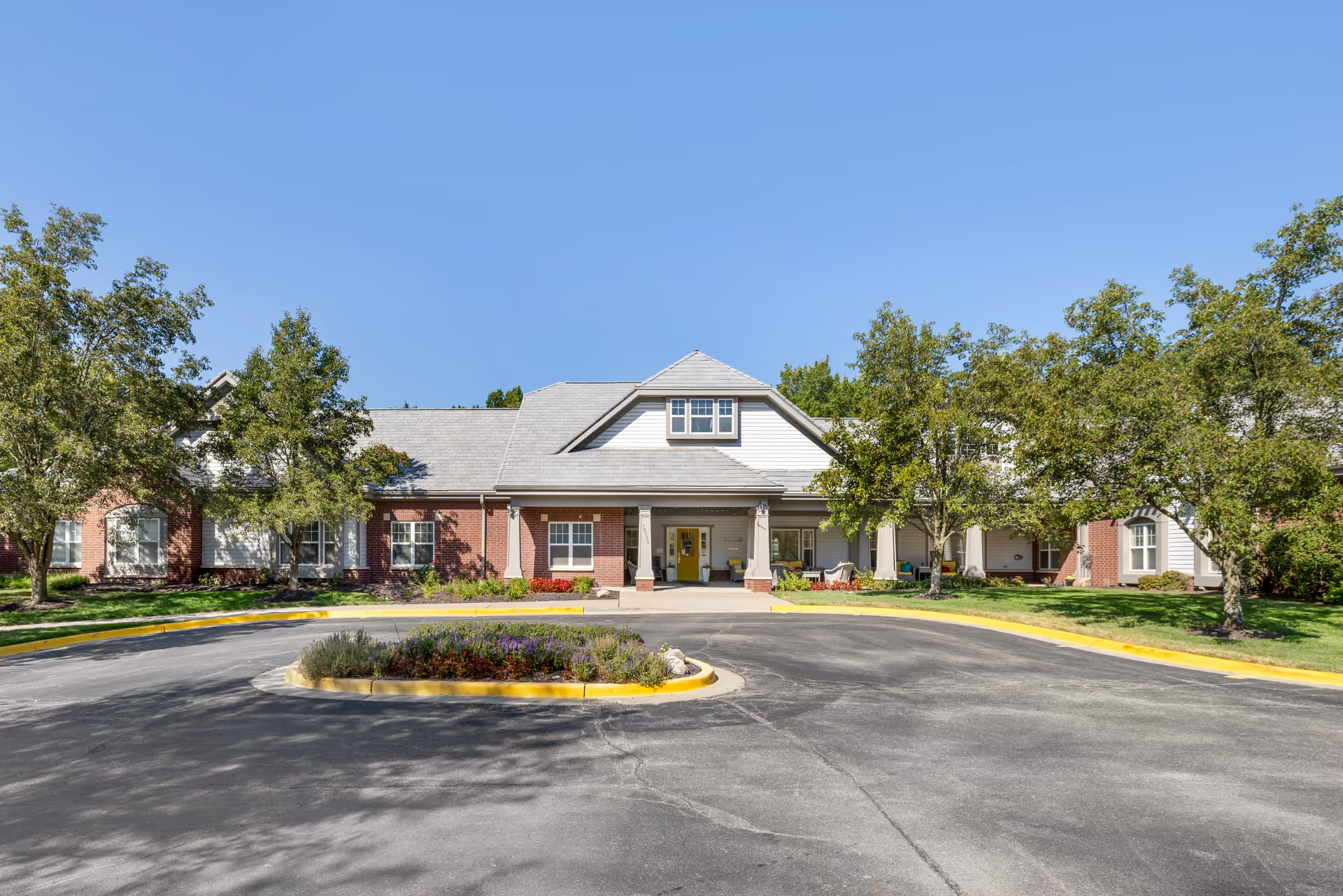
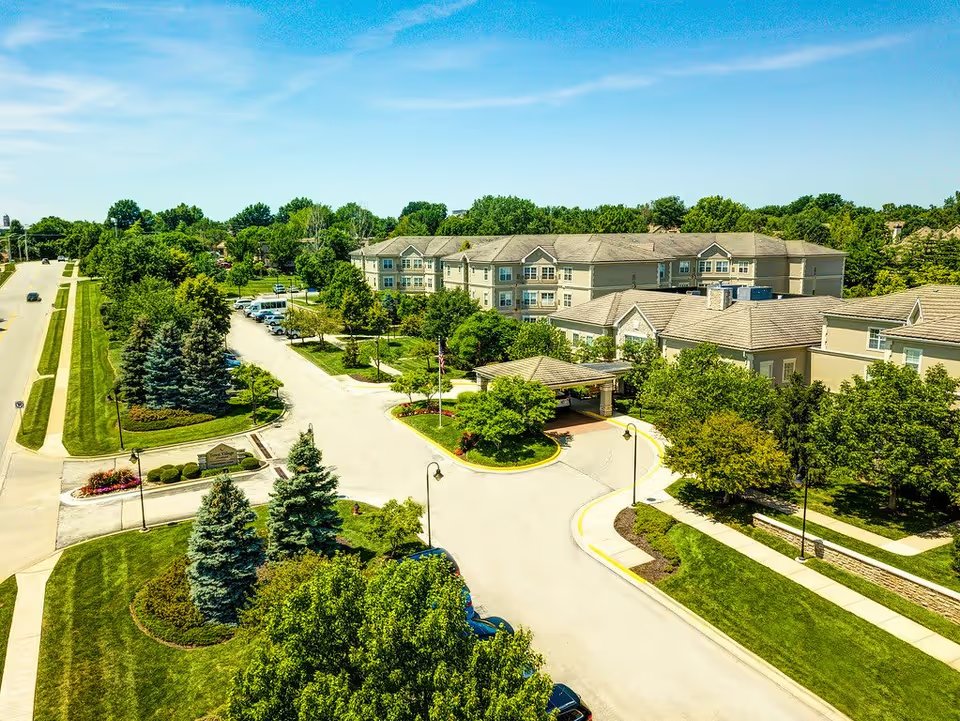
Reviews of Waterford South present a mixed picture with clear strengths and recurrent operational weaknesses. Strengths that come through include a consistently described culture of caring among many staff members, a small, house-like community feel, and opportunities for social engagement. Several accounts emphasize hands-on attention, camaraderie at mealtimes, personalized activities and excursions, and a 24/7 on-site staff presence that provides families with a degree of reassurance. Some units and common areas are described as updated, bright, and welcoming, and there is a perception of reasonable pricing and good value by multiple families.
Care and staffing are areas of notable variability. Positive narratives describe attentive, compassionate staff who ensure medications and meals are delivered on schedule and who remain with residents during acute events. Contrasting accounts raise concerns about clinical oversight—specifically medication-administration controls and the absence of round-the-clock nursing coverage in some reports. Staffing levels and responsiveness are described as inconsistent: reviewers alternately describe staff as wonderful and overwhelmed, and cite delays or lapses in monitoring that have clinical consequences. Infection-control practices are another mixed area, with some mentions of strong protocols and others indicating staff working while ill and related infection risks.
Dining and activities also show divergent experiences. On the positive side, reviewers mention home-style, restaurant-like meals and social events (for example, ice-cream socials) and a variety of activities including crafts, music, and fitness. Conversely, there are repeated concerns about inconsistent meal quality, discrepancies between posted menus and food served, and weak food-safety or meal-service procedures in some accounts. Activity programming is similarly uneven: some residents enjoy personalized outings and regular engagement, while others describe minimal programming or little happening in the common areas.
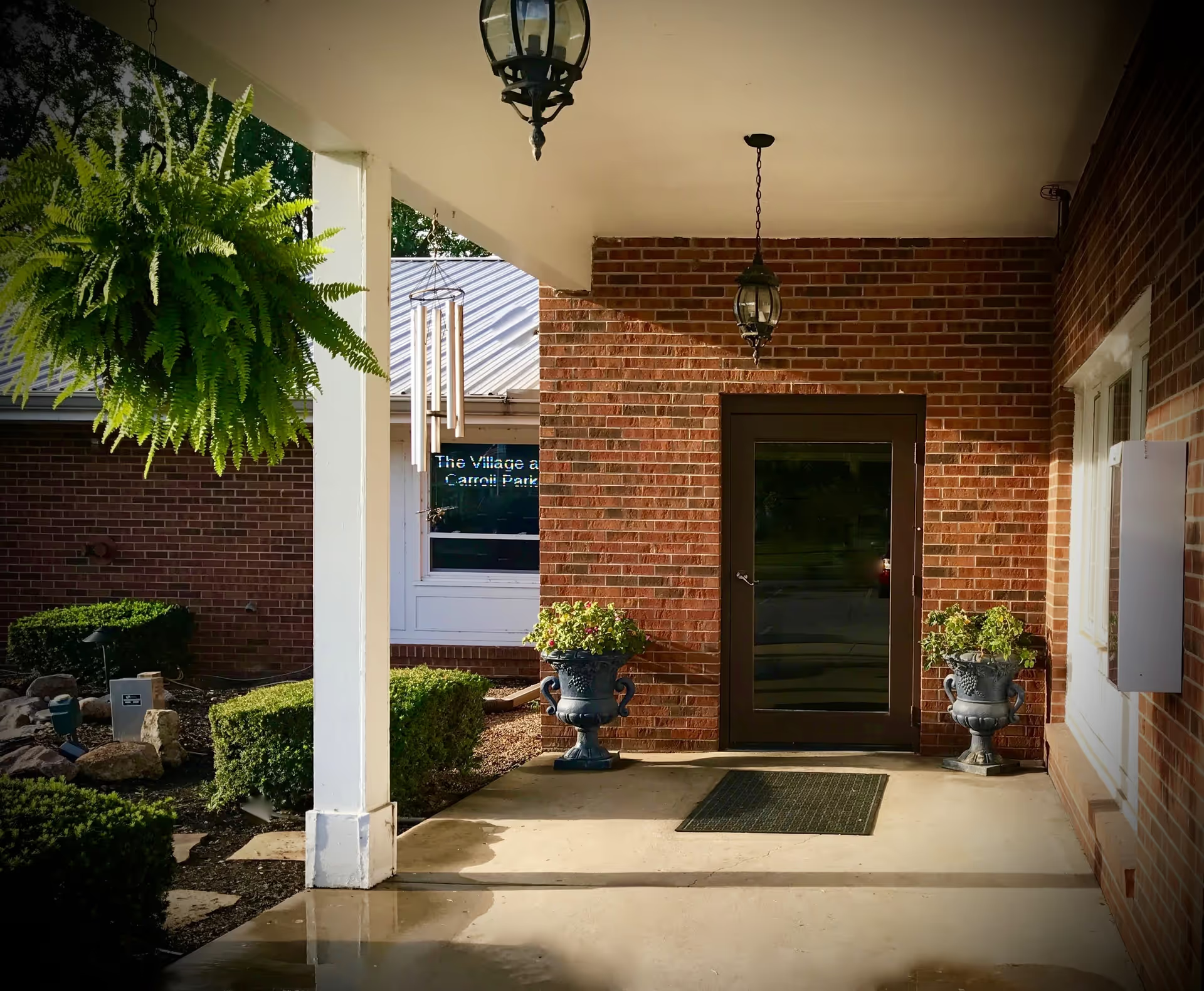
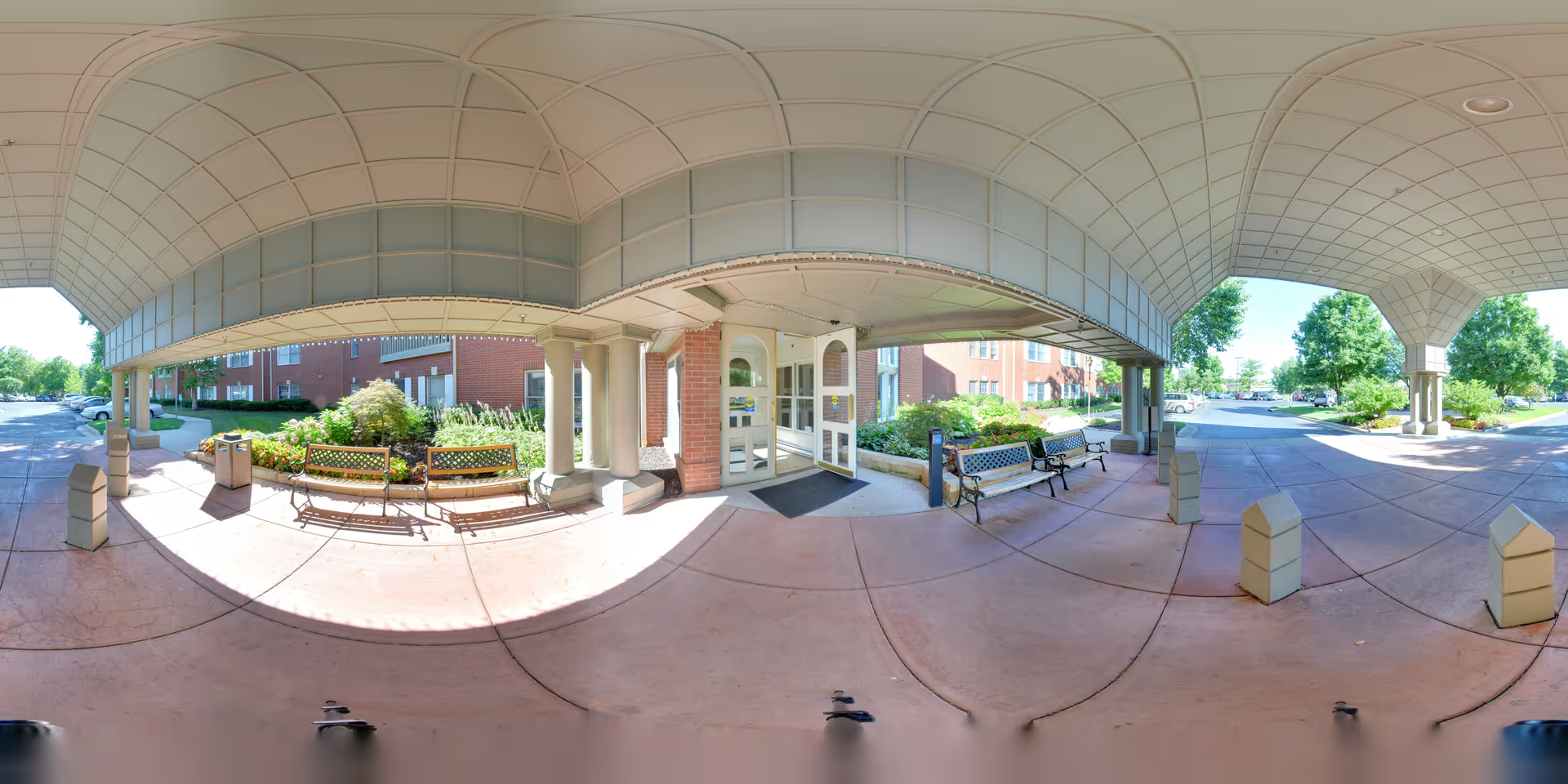
The physical environment and housekeeping show mixed reports tied to different units and timing. Several reviewers praise updated rooms and communal spaces; others describe small, dark, and cramped rooms, worn carpeting, and inconsistent housekeeping schedules. There are explicit pest-control concerns and variable maintenance practices that suggest uneven property management. Operationally, these factors combine with staffing variability to produce divergent family experiences—some feel safe and satisfied, others express concerns about core care processes and facility upkeep.
Overall, Waterford South appears to function as a small, community-oriented assisted living option that can deliver personalized attention and social connection, particularly in updated units and when staffing is sufficient. At the same time, recurring themes—medication-administration controls, meal-service consistency and food-safety procedures, housekeeping and maintenance variability, infection-control policies, and staffing capacity—warrant careful inquiry. Prospective residents and families should consider multiple walkthroughs at different times of day, ask specific questions about nurse coverage and medication protocols, request recent pest-control and housekeeping records, and review the activity calendar and staffing ratios to gauge day-to-day consistency.