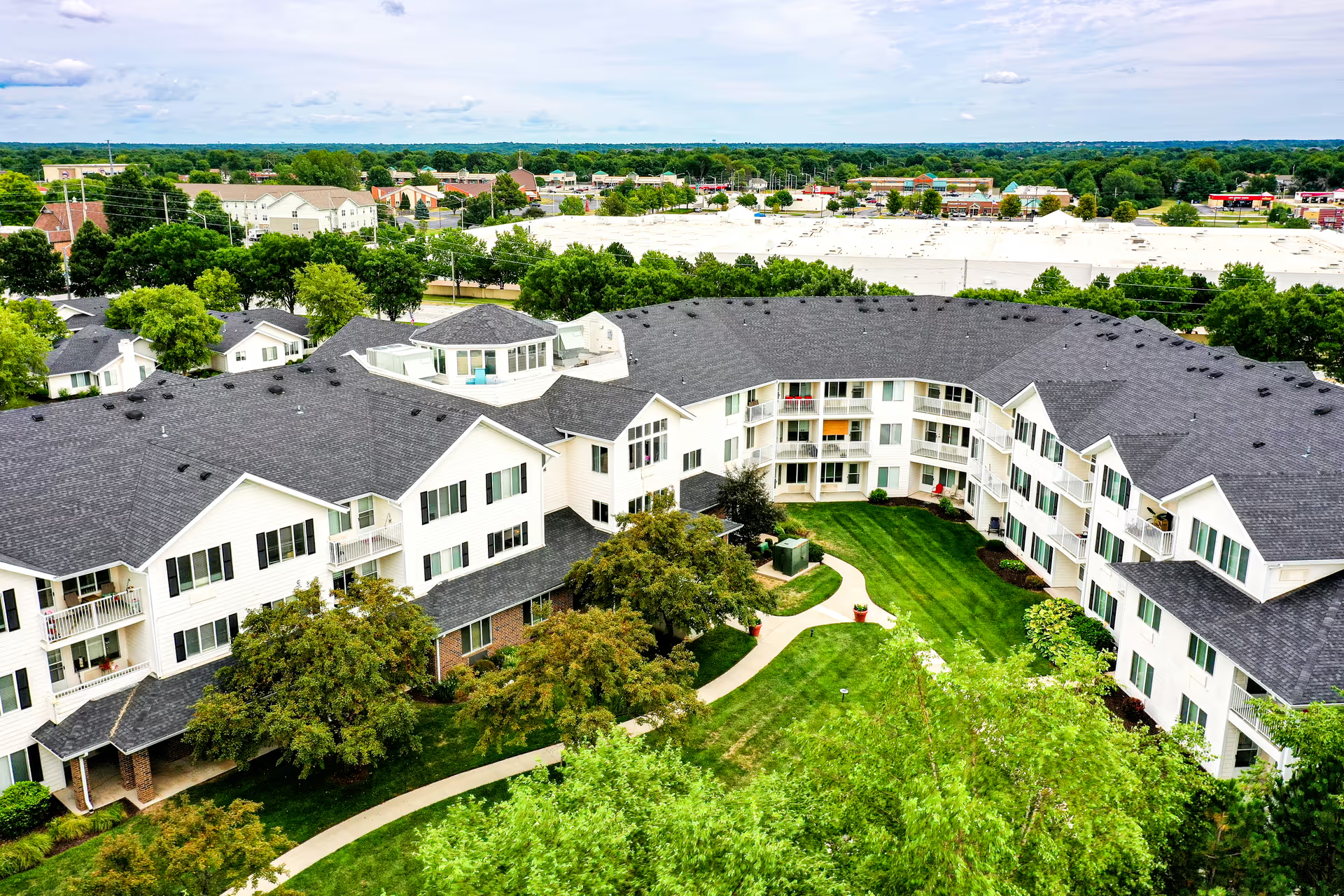
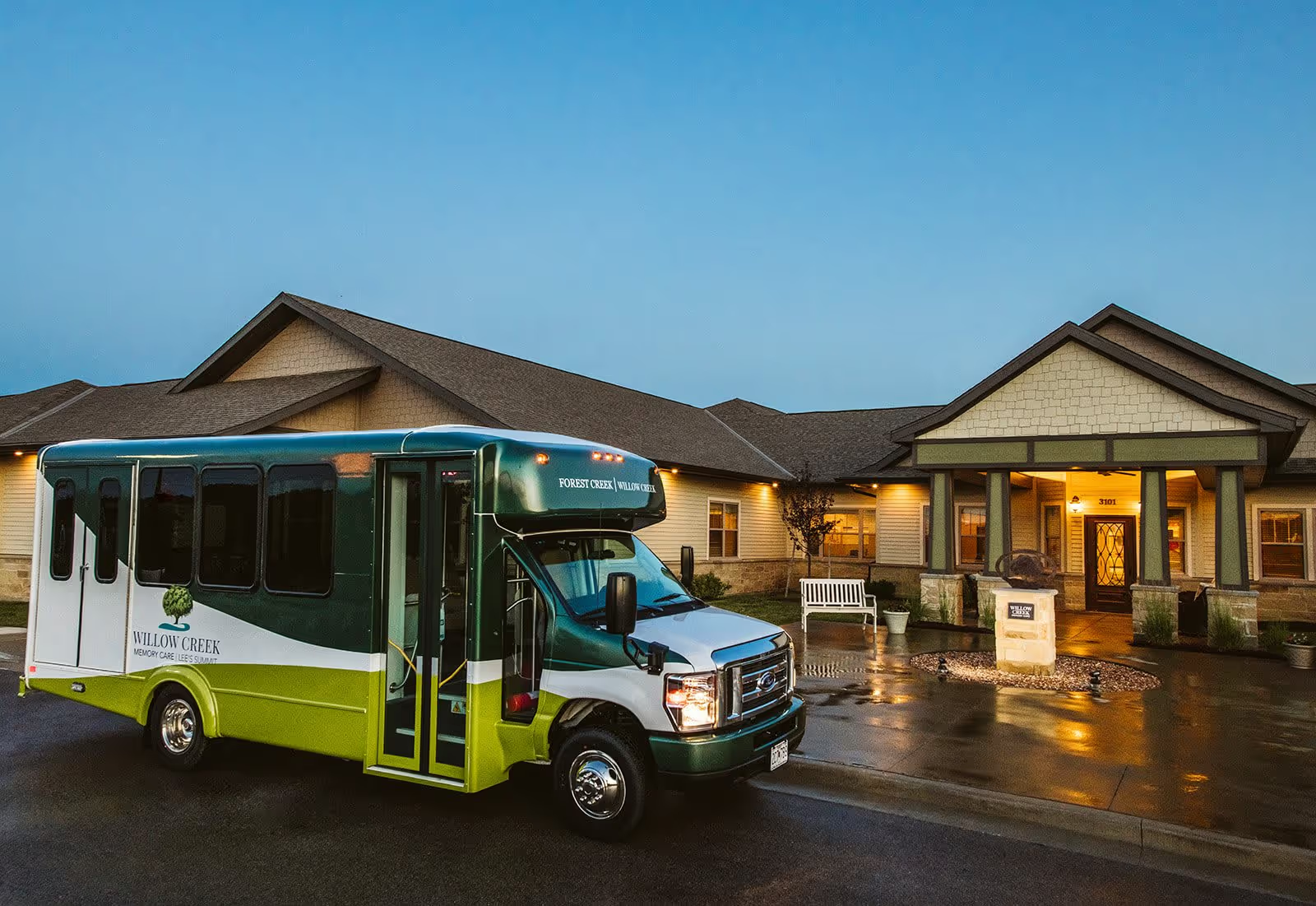
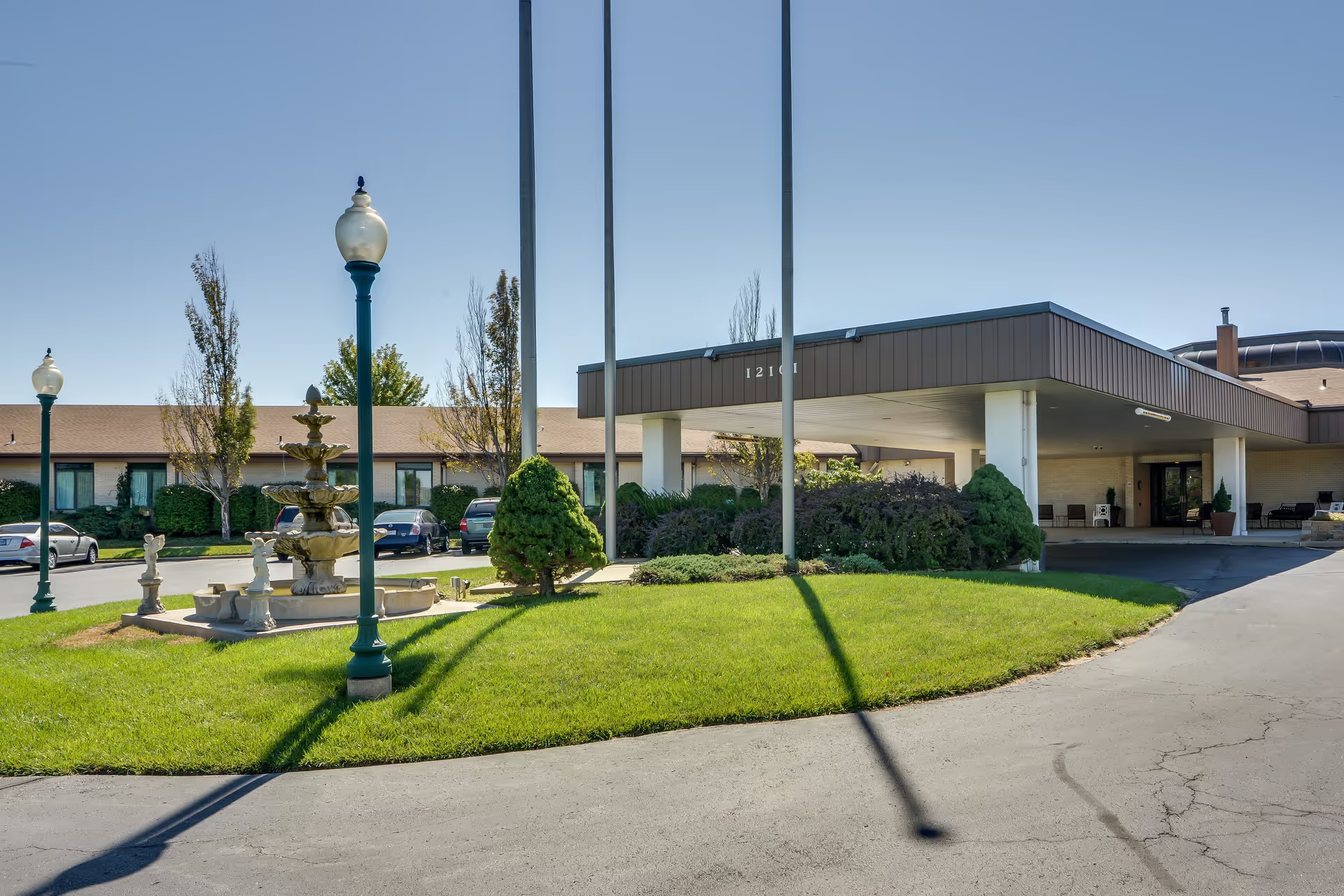
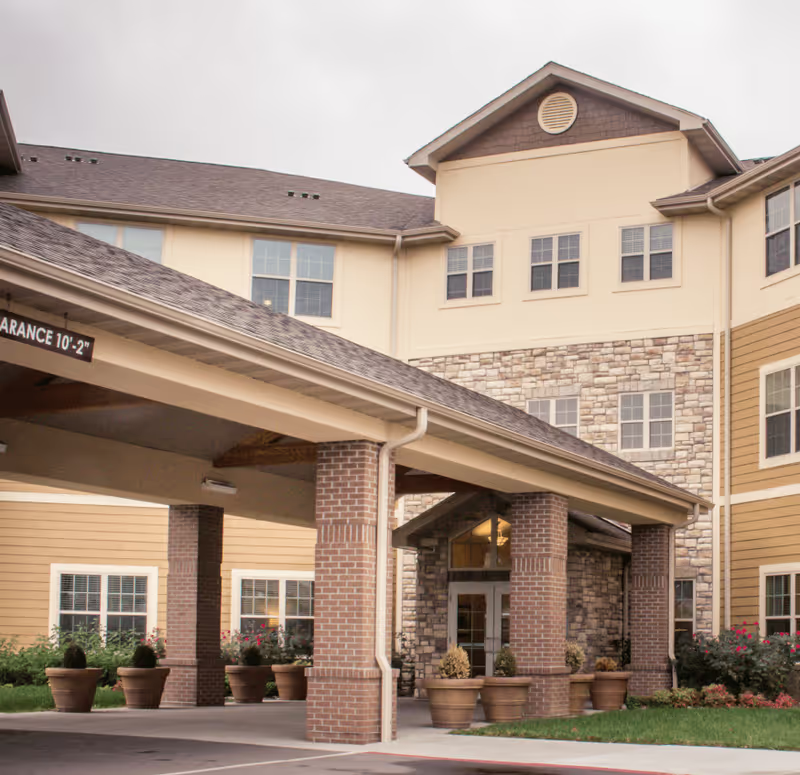
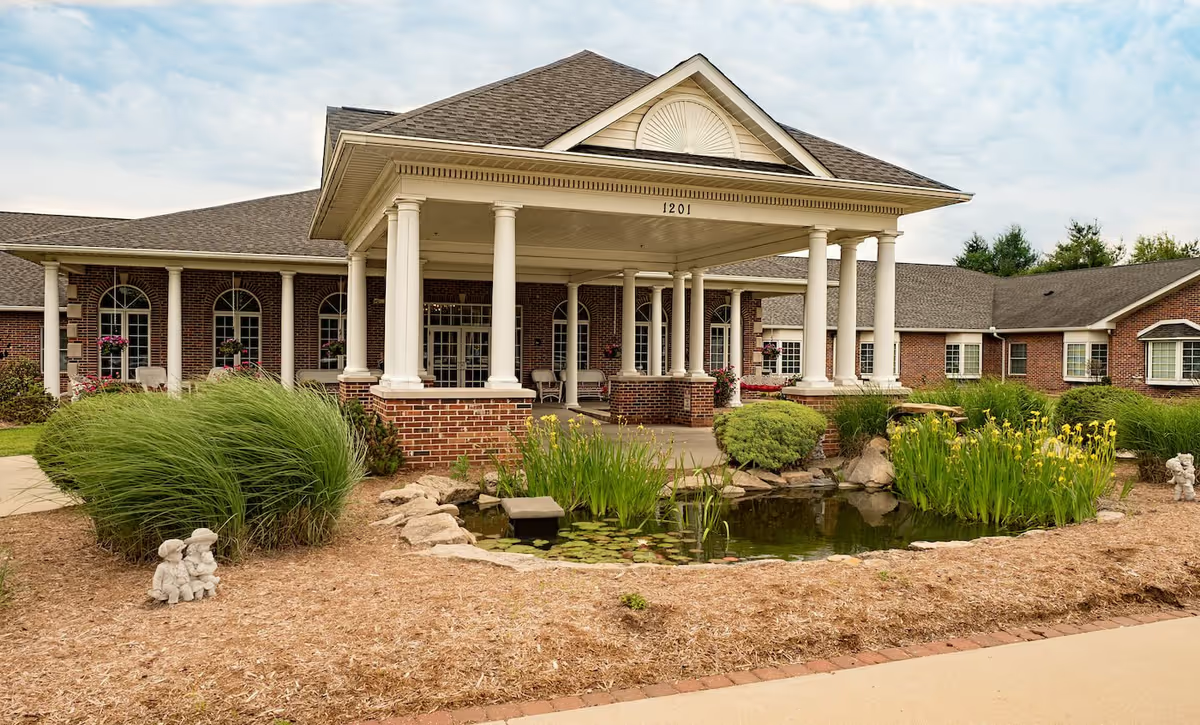
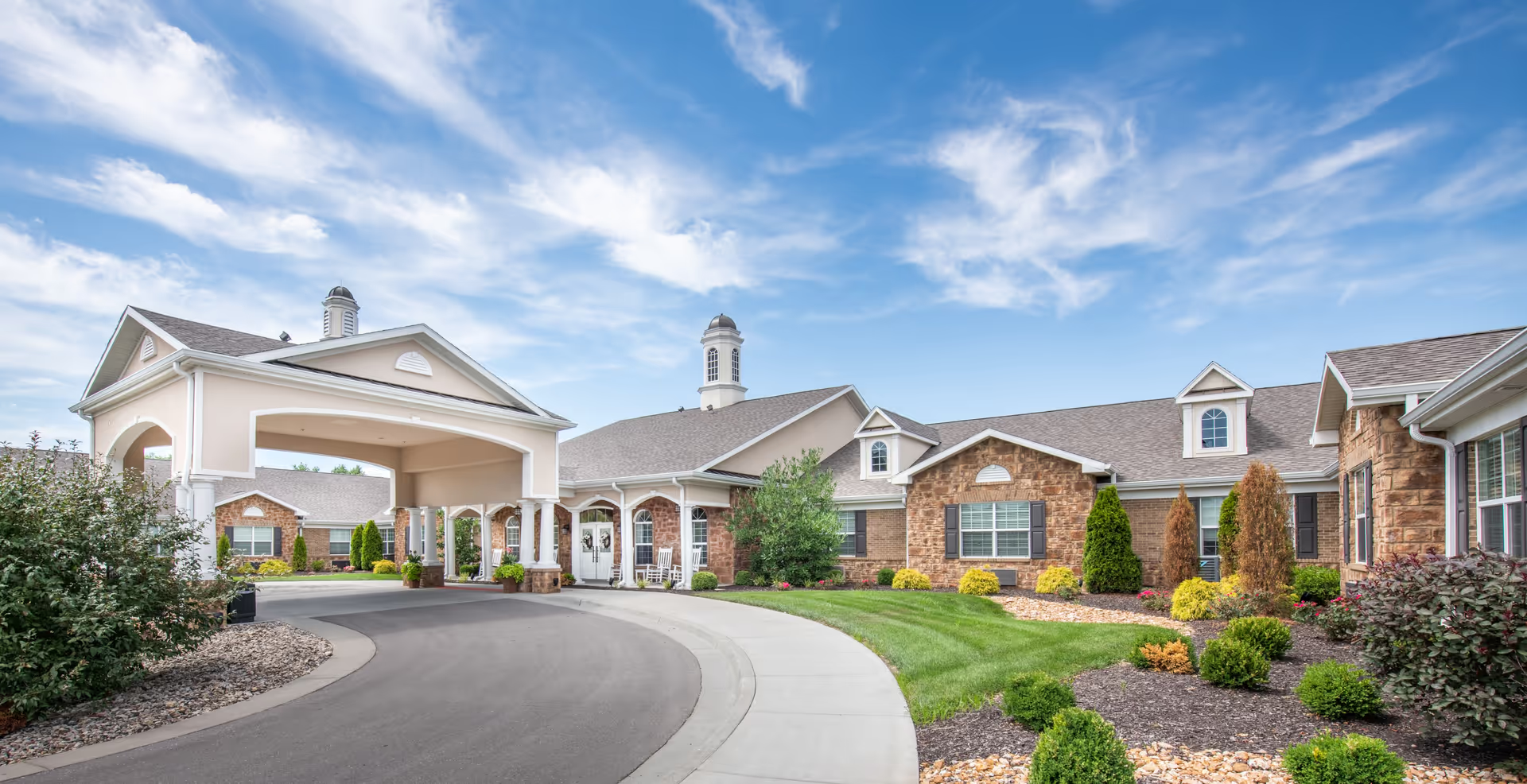
Addington Place of Lees Summit elicits a mixture of strong praise for frontline caregiving and concerns about operational consistency. Many families and visitors highlight warm, attentive staff who engage residents, help with mobility and eating, and create personalized touches at move-in and celebrations. The facility's apartments, bright common areas, courtyards, and hotel-like public spaces are frequently described as attractive and comfortable. Transportation services and proximity to the local hospital are additional conveniences noted by families.
Care quality is often described as compassionate and hands-on: caregivers are attentive, form strong bonds with residents, and participate in mealtime assistance and therapeutic activities. That said, reviewers identified recurring operational weaknesses that affect care continuity. Staffing levels are described as inconsistent, particularly overnight and on weekends, which reviewers linked to delays in responding to call lights, extended waits for showers, and variability in assistance with personal care. Several reviewers raised concerns about medication management and documentation practices and about supervision during meals and fluid intake for residents with higher needs.
Dining and nutrition receive mixed assessments. The community offers restaurant-style dining with a chef who involves residents in menu planning, and many families reported balanced meals and pleasant dining environments. Conversely, memory-care dining and portioning were cited as inconsistent, with limited menu options at times and challenges for residents who require adaptive textures or close supervision while eating and drinking.
Activity programming is a visible strength for assisted living residents, with frequent outings, social events, and individualized engagement that many families appreciate. However, activity availability in the memory-support unit is described as uneven; reviewers cite cancellations and fewer tailored programs for residents with dementia, indicating a gap between assisted-living and memory-care programming.
Facility maintenance and housekeeping are areas of mixed performance. The property and apartments are often praised for their layout, natural light, and accessibility, but reviewers also described sanitation and pest-control concerns, inconsistent housekeeping schedules, and problems with laundry and missing personal items. These operational issues are tied in multiple accounts to asset-security and inventory-control weaknesses.
Management and administration receive the most divergent feedback. Some families praise responsive admissions, helpful administrators, and an accommodating culture during transitions. Others describe problems with billing transparency, unexpected upcharges for higher care levels, slow or unclear communication after clinical incidents, and difficulties resolving accounts or lost-item issues. There are also mentions of regulatory complaints and allegations of theft and accounting irregularities; such claims merit follow-up by prospective families and regulators to determine scope and resolution.
Overall, Addington Place presents as an attractive, well-designed community with many highly regarded caregivers and active social programming for assisted living residents. Prospective residents and families should weigh these strengths against recurring operational concerns: verify staffing patterns (including overnight coverage), clarify dementia-care staffing and programming, ask about medication and clinical oversight, confirm housekeeping and laundry protocols, and request detailed billing and asset-security policies before committing. Visiting at varied times of day, speaking with current families in both assisted living and memory care, and reviewing recent regulatory or inspection records will help clarify whether the facility's operational consistency matches its evident strengths.