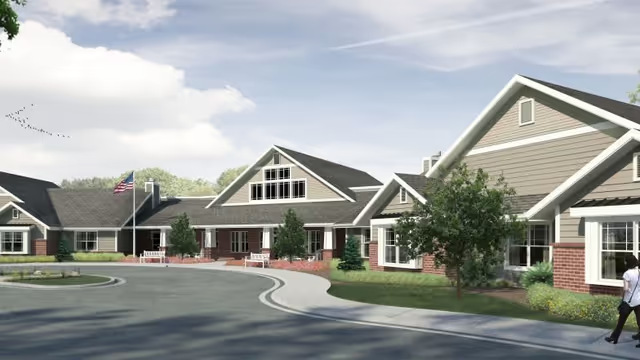
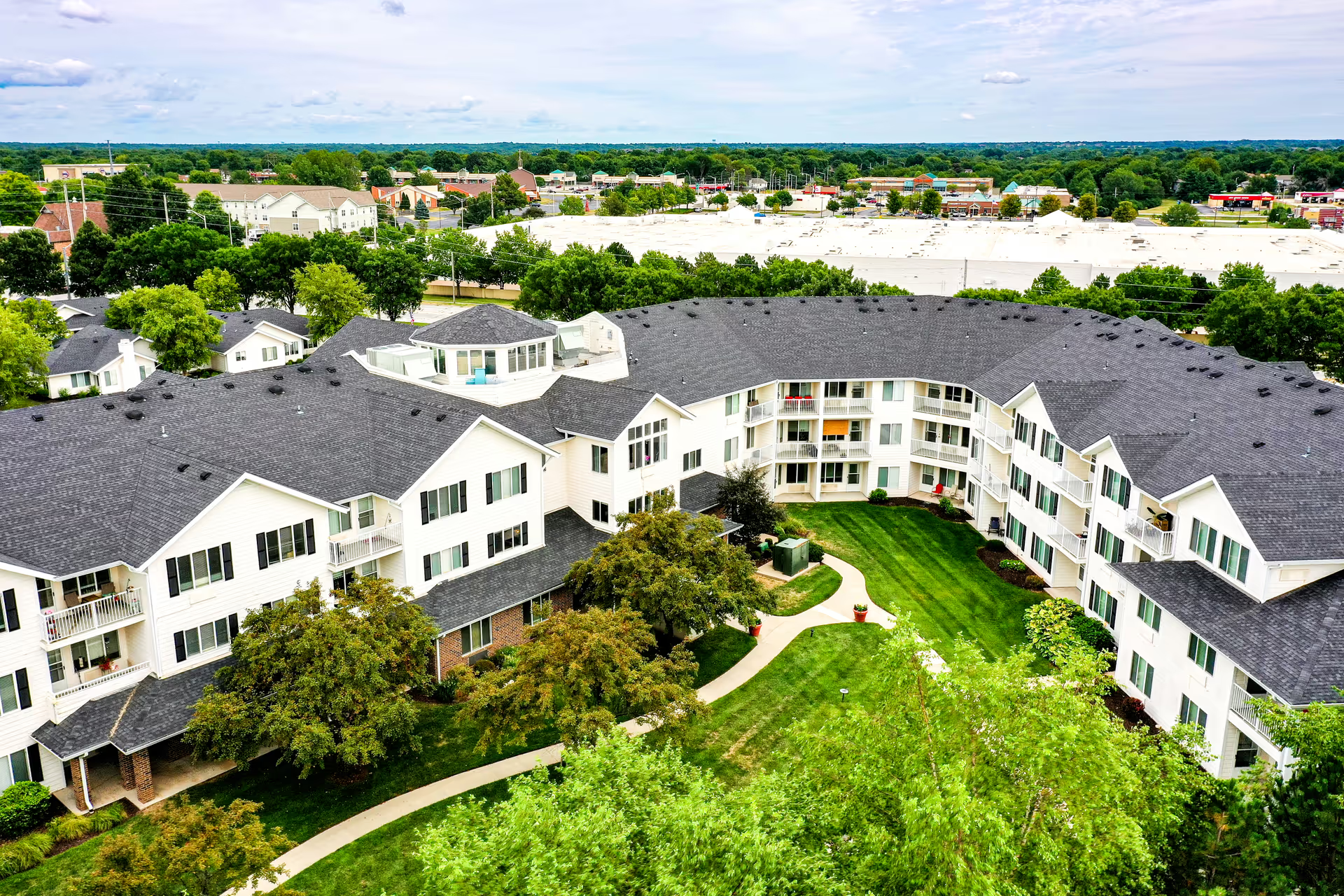
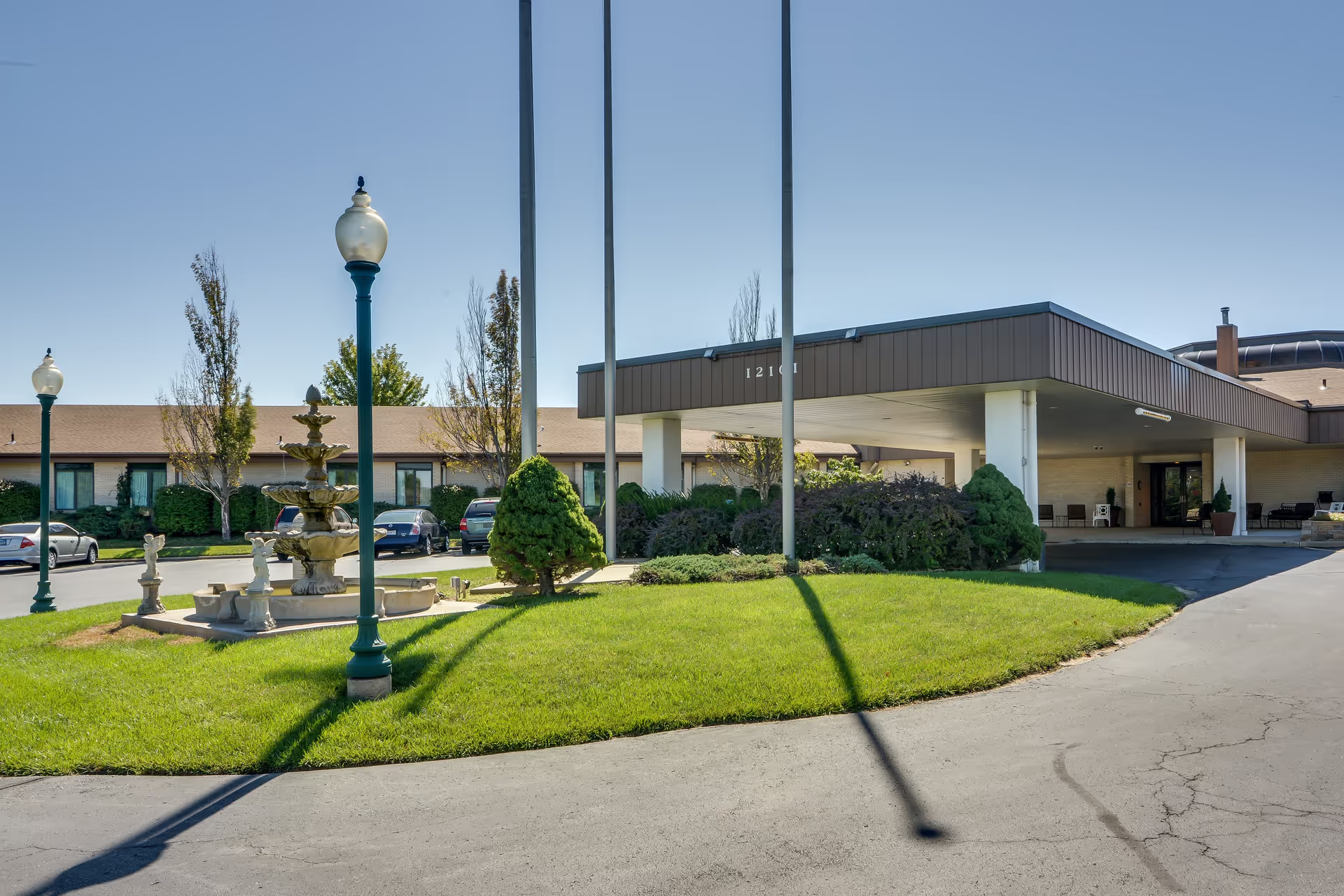
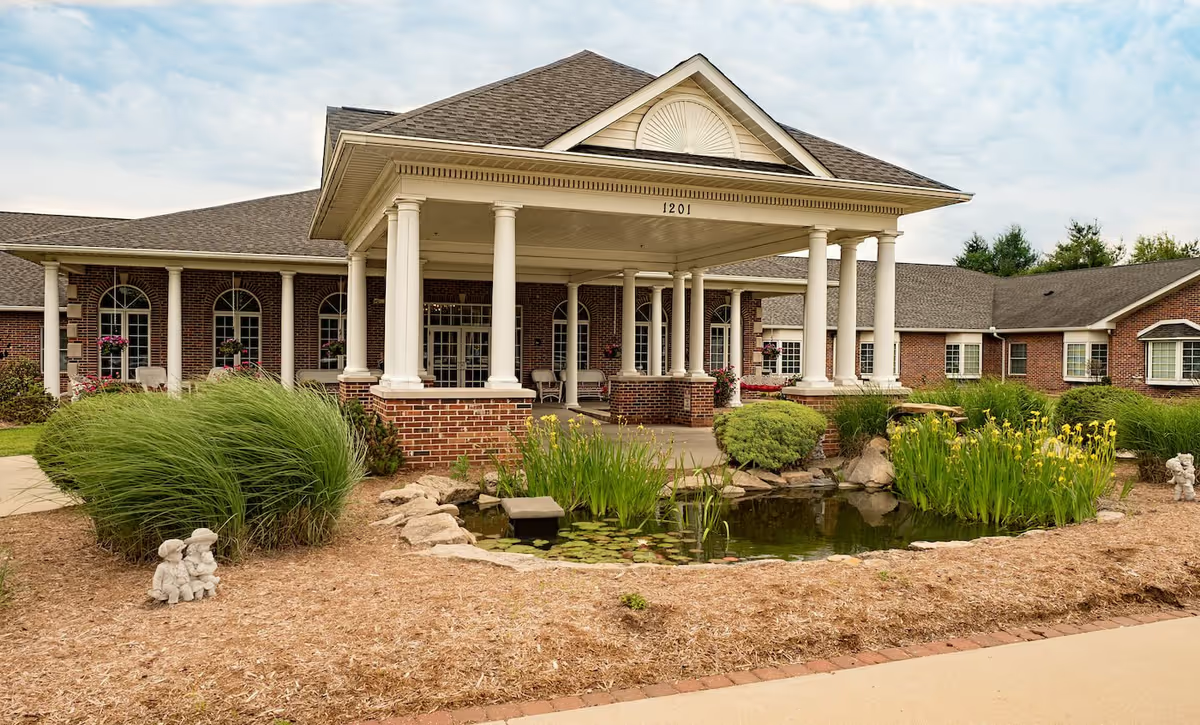
The reviews for Wilshire at Lakewood Rehab Center present a markedly mixed picture. Many families and patients praise the facility's rehabilitation program and several long-term caregivers: therapy staff are frequently described as effective and professional, and individual nursing and CNA interactions are often called compassionate and attentive. The facility's aesthetic features and amenities — including a welcoming admissions process, garden/courtyard areas, beauty shop, and cleaner self-pay accommodations — receive positive comments. Activity programming and certain leaders or liaisons are also credited with good communication and hands-on support in some cases.
At the same time, a consistent set of operational concerns appears across reviews. Staffing levels and reliance on temporary/agency personnel are recurrent themes; reviewers link this to delays in responding to call lights, inconsistent assistance at night, and gaps in routine care. Medication-management shortcomings are another prominent pattern: reviewers describe medication timing errors, missed doses, and unsecured controlled substances. Related clinical issues cited include irregular vital-sign monitoring, inconsistent restorative-care or weight checks, and missed or delayed therapies for some residents.
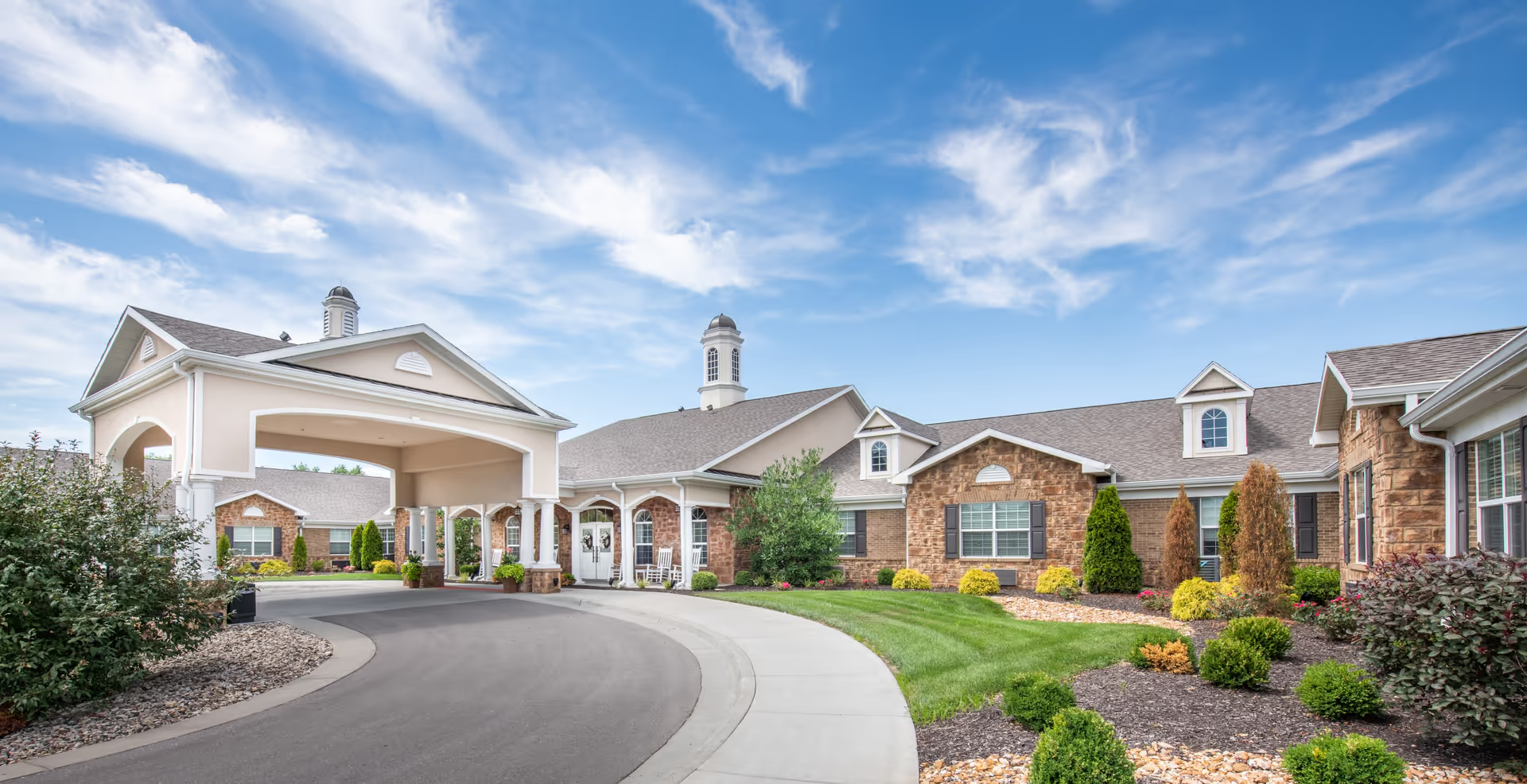
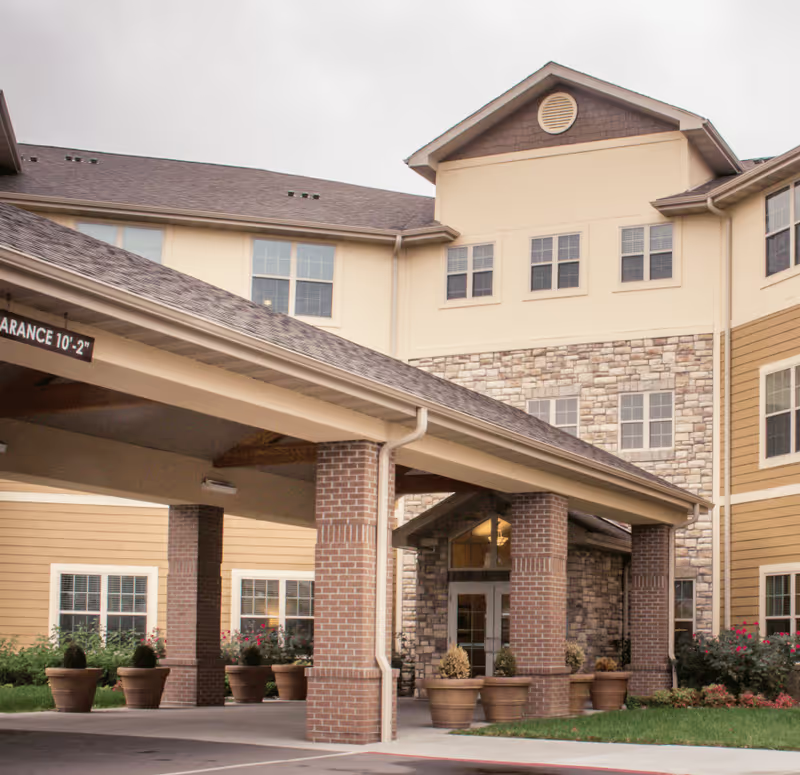
Housekeeping, meal service, and facility maintenance are additional areas of divergence. While some areas and rooms are reported as clean and well maintained, others are described as having sanitation and odor concerns, inconsistent linen and trash management, and infrequent cleaning of rooms or bathrooms. Meal complaints center on cold or late meals, limited variety, and missed service; conversely, some reviewers found the food acceptable. Infrastructure problems noted include phone system outages, HVAC or duct issues, worn carpeting and finishes, and delayed maintenance responses — all of which affect daily comfort and perceived safety.
Management and communication present another mixed pattern. Several reviews praise administrators and admissions staff who addressed concerns promptly and improved operations, while others describe slow or inadequate follow-up on grievances, poor communication about clinical changes, billing disputes, and perceived dismissive responses by leadership. There are also serious, individual-level claims including regulatory complaints and allegations of staff or management misconduct; these are raised infrequently but are consequential and warrant verification through official surveys and regulatory reports.
For prospective residents and families, the salient pattern is variability: strong clinical rehabilitation and numerous caring staff coexist with operational weaknesses that can impact daily living and safety if not actively managed. When evaluating this facility, consider asking for recent state inspection results, turnover and agency-staffing rates, the facility's medication-administration and narcotics-security policies, staffing ratios for nights and weekends, documented cleaning schedules, how grievances are tracked and resolved, and how the facility ensures continuity of care across payor wings. An in-person tour that examines rooms on both private/self-pay and Medicaid wings, a conversation with therapy leadership, and written commitments on call-response expectations can help clarify whether this facility's strengths align with a particular resident's needs.