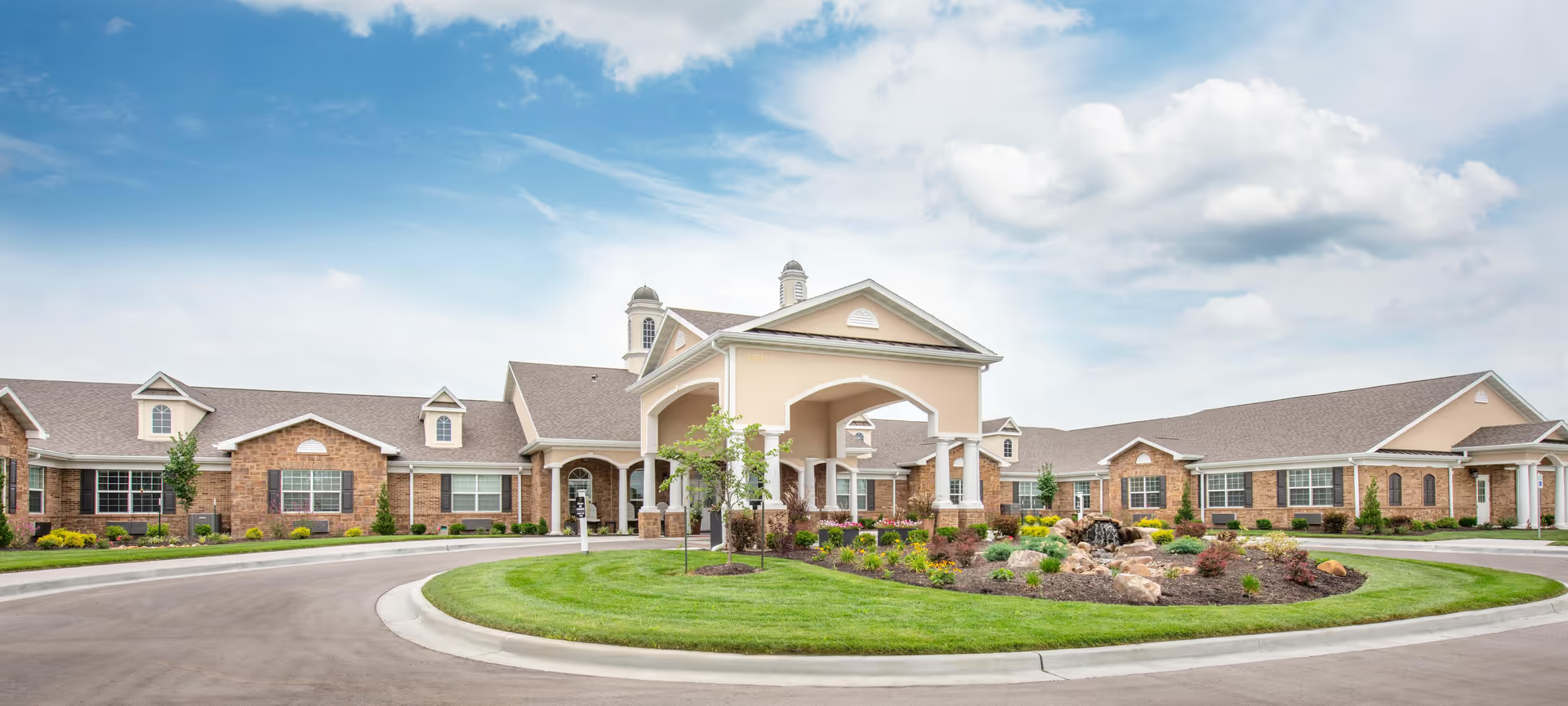
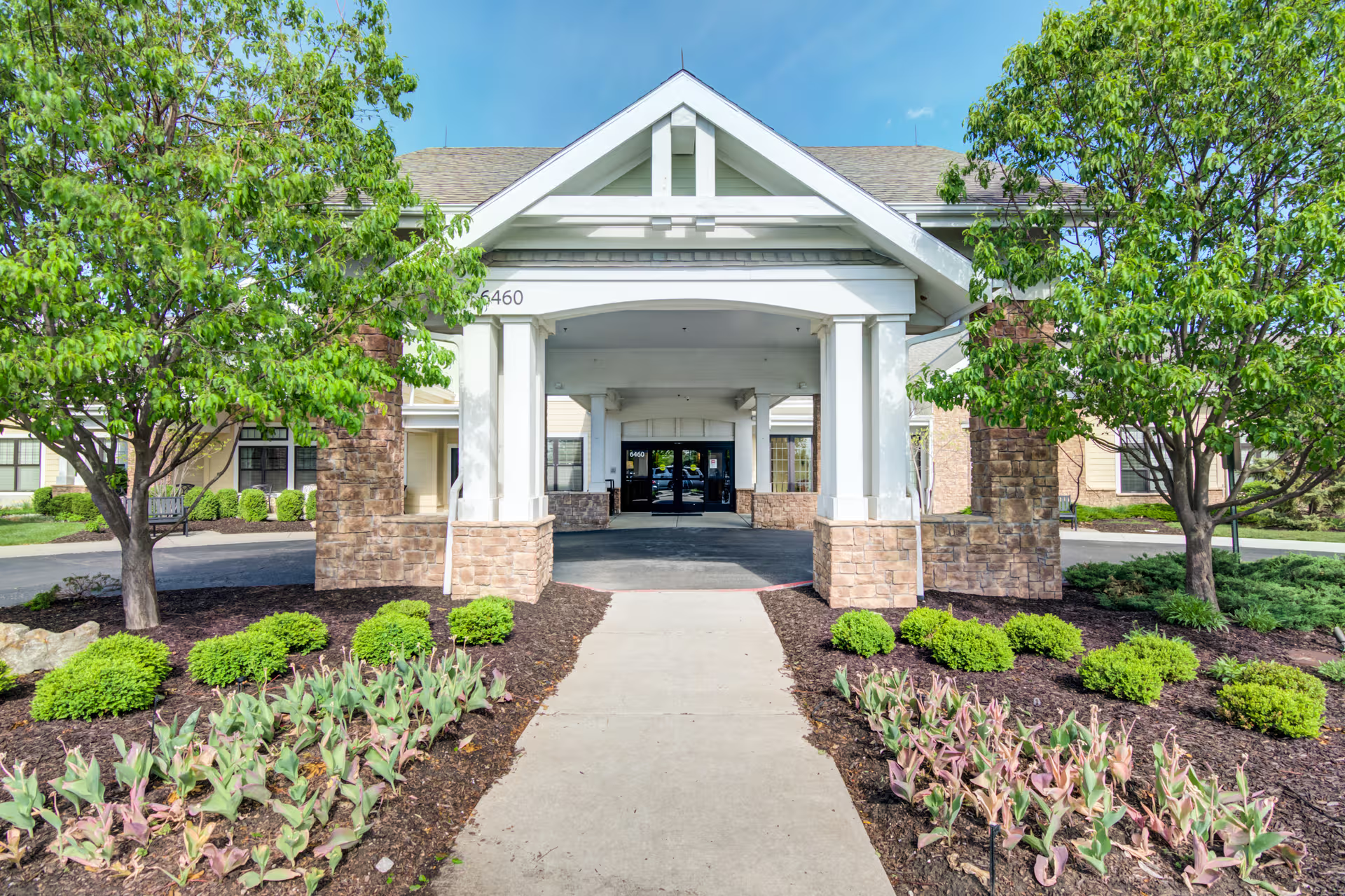
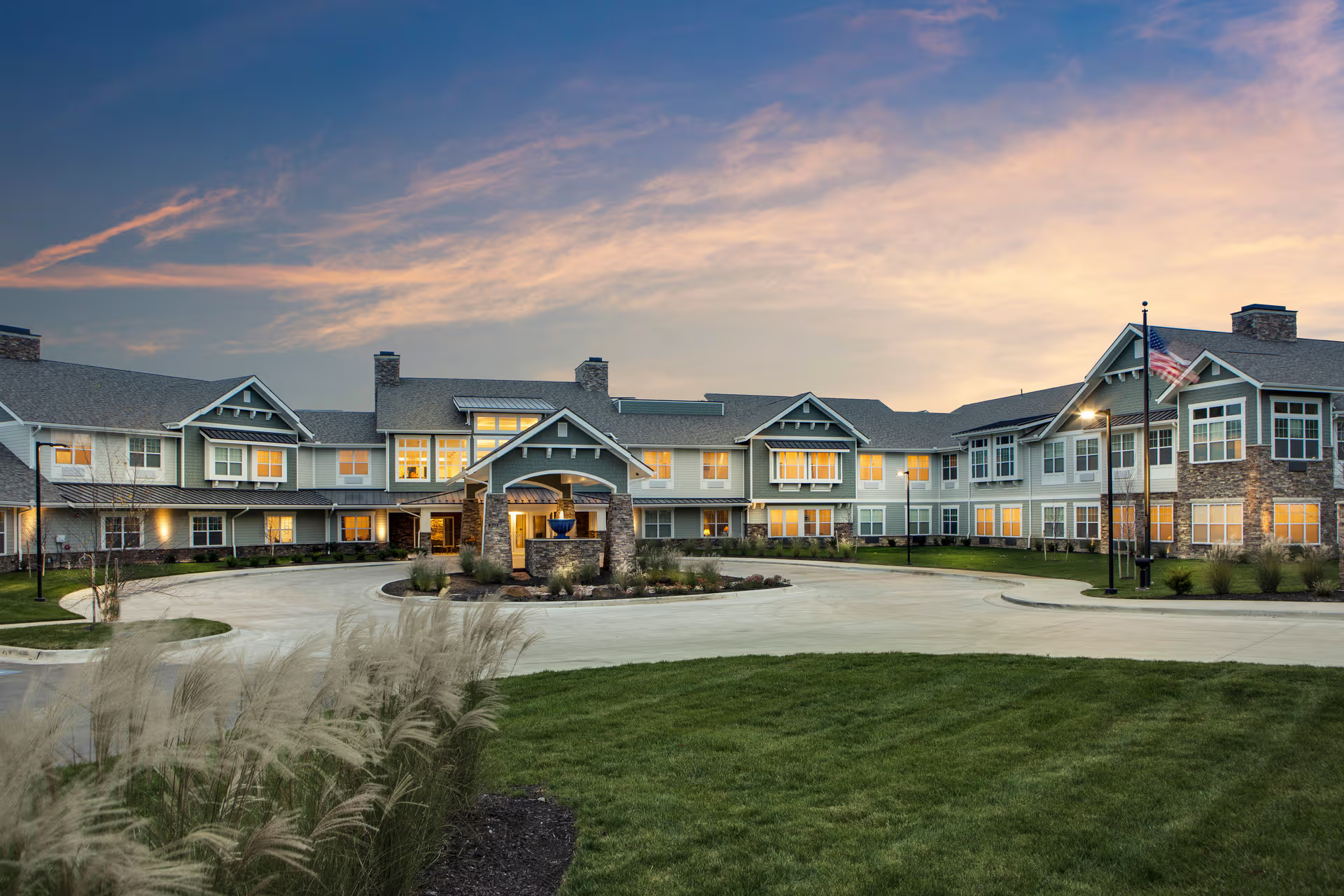
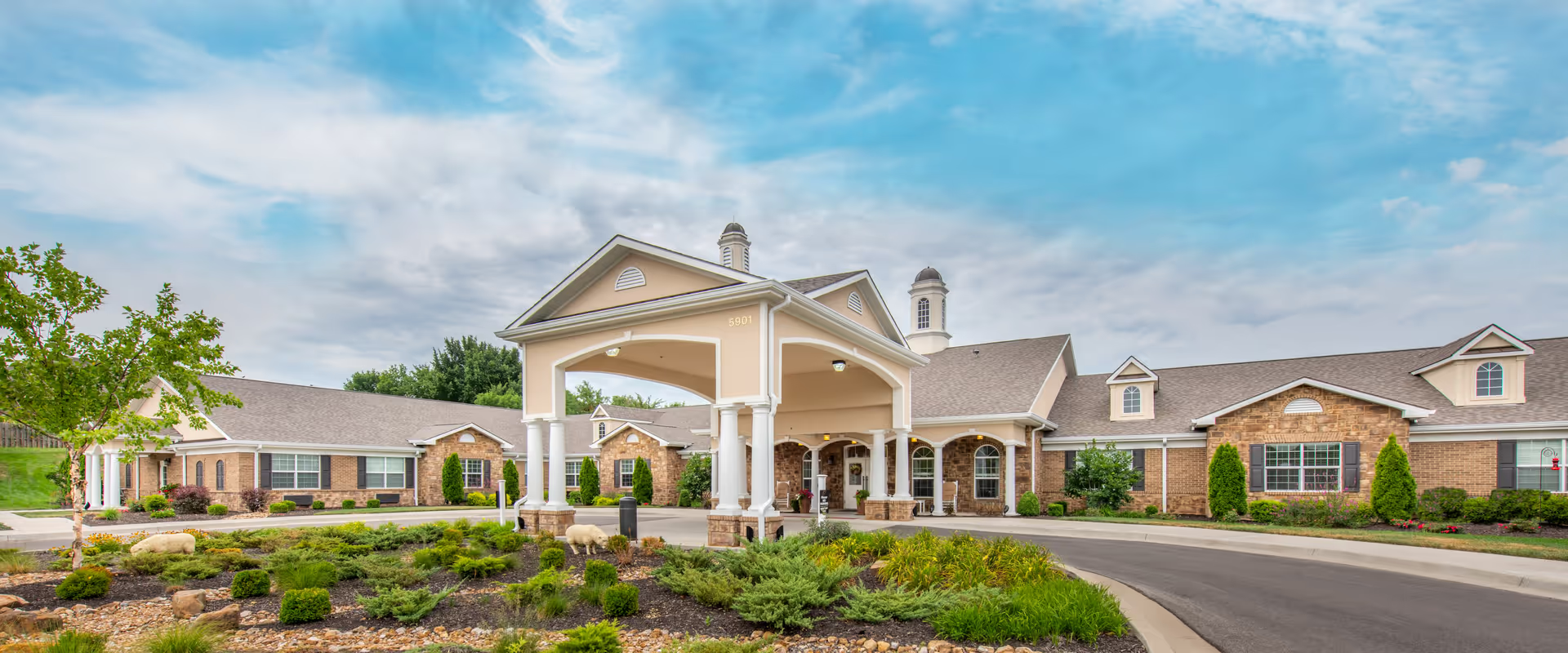
The review set reflects a facility with a substantial range of experiences: many families and residents describe warm, attentive caregiving and an engaging, home-like environment, while other reviewers raise operational and safety concerns that warrant attention. Positive feedback centers on direct-care staff who are described as compassionate and familiar with residents, accessible nursing and attendants on the floor, active programming and rehabilitation services, and units that are in many instances clean and welcoming. These strengths appear to contribute to good quality-of-life outcomes for some residents and to satisfied families.
Care quality and staffing present a mixed picture. Several reviewers praised the bedside manner and consistent attention of certain caregivers and nurses; at the same time, a recurring theme is inconsistent staffing levels, frequent use of agency staff, and high turnover. These staffing patterns are associated with delayed responsiveness, variable staff accountability, and a clique-like atmosphere in some areas. Families should expect variability in caregiver continuity and responsiveness depending on shift and unit.
Dining and activity offerings are another area with notable contrasts. Many residents find activities engaging and appreciate on-site therapy and rehabilitation programs. Meal quality receives generally positive comments from some families, but operational limits are frequently mentioned: rigid meal-signup procedures, early cutoffs for meal enrollment, occasional lack of breakfast service without special arrangements, and requests for greater variety and nutritional balance. The dining process appears structured but inflexible, which can be burdensome for residents with variable schedules or dietary needs.
Facility condition and environment are described inconsistently. Several reviewers describe clean, well-maintained rooms, active common areas, and no offensive odors, while others note sanitation and pest-control concerns in some units and outdated equipment or cosmetic deterioration in parts of the building. Room-level environmental-control problems were specifically mentioned (for example, high room temperatures reported by some families). Shower and beauty-shop facilities were described as unappealing by some visitors, and crowded hallways and limited physical space were cited as operational constraints in busier units.
Management, safety, and communication are prominent areas of concern. Multiple comments point to poor scheduling coordination and difficulty contacting administrative staff, including the scheduling coordinator. Families also described inconsistent incident notification and gaps in clinical follow-up for issues such as pain and hydration concerns. More serious allegations include missing personal items and concerns about property security. Additionally, inadequate lift/transfer infrastructure and limited physical space for two-person transfers were raised as matters that could affect resident privacy and safe-handling practices. These combined themes suggest gaps in operational oversight, property controls, and family communication protocols.
Overall pattern and guidance: the facility demonstrates clear strengths in compassionate direct care, social engagement, and rehabilitation services, but there is sizable variability in experience driven by staffing consistency, operational procedures, and environmental maintenance. Prospective residents and families should tour at different times of day, ask for current staffing ratios, verify pest-control and maintenance logs, review meal-access and signage policies, confirm procedures for property security and incident notification, and inquire about lift/transfer equipment and temperature-control measures. Doing so will help assess whether the facility’s current operational status aligns with the prospective resident’s clinical and comfort needs.