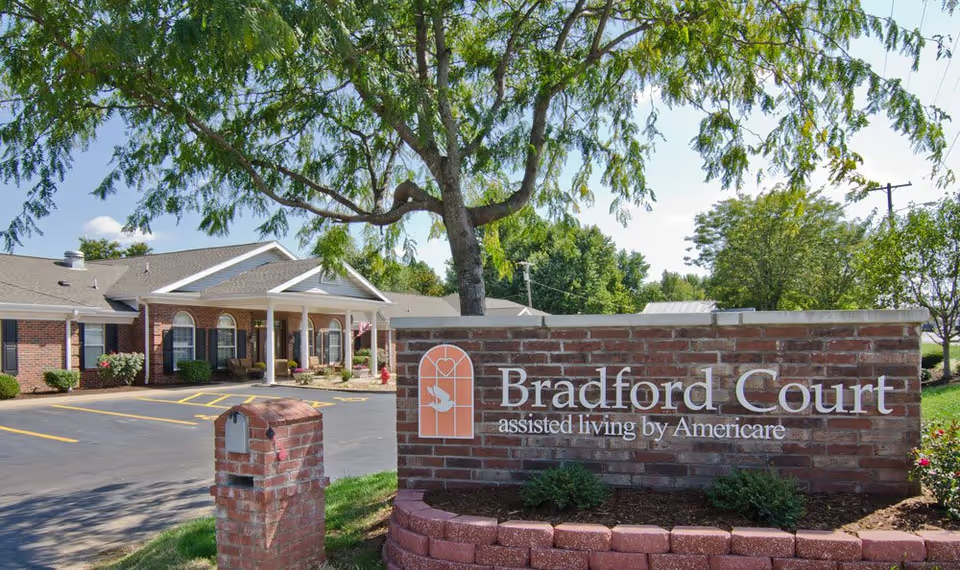
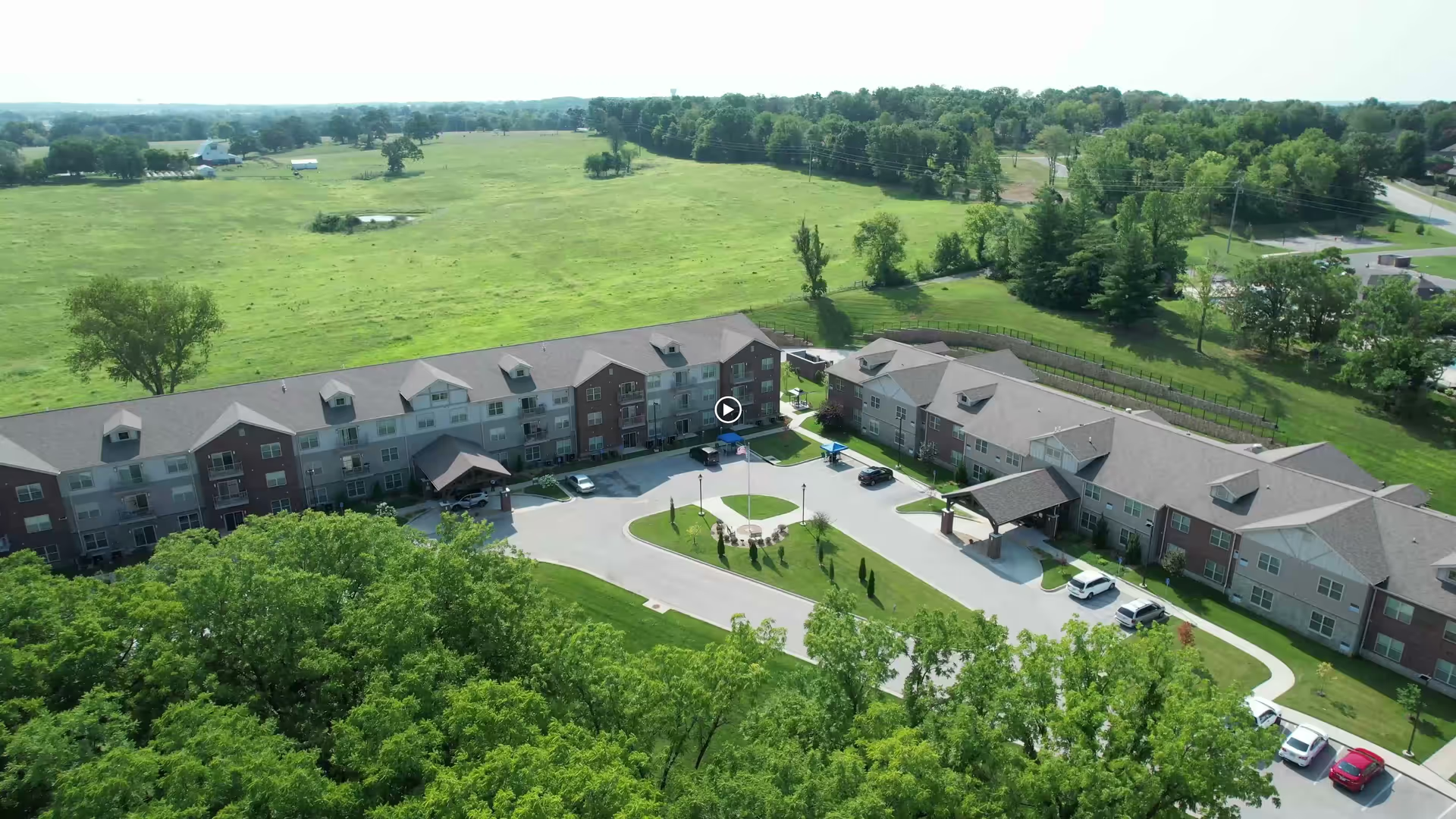
Overall impression is mixed: reviewers describe clear strengths in everyday caregiving and the community scale, but also raise repeated operational concerns. Positive comments emphasize attentive staff, a smaller community feel, and generally healthy and enjoyable meals; however, other reviewers describe patterns of inconsistent service, restrictive policies affecting family contact, and management communication shortfalls.
Care quality appears uneven. Several reviewers praised staff who were attentive and ensured on-time medication administration. At the same time, there are accounts that point to inconsistent medication-management processes and gaps in follow-through. Those inconsistencies have led some families to consider relocation, indicating that continuity and reliability of clinical processes may vary by shift or staff assignment.
Staffing and conduct are a notable area of concern. Reviewers cite high turnover and low staff motivation as recurring themes, which can reduce continuity of care and make resident interactions unpredictable. There are also concerns about the tone and responsiveness of some staff members; these descriptions suggest variability in how staff engage with residents and families rather than a uniformly positive or negative culture.
Dining received both positive and negative comments. Many reviewers described healthy menu options and meals that were enjoyable most days, but others reported poor or inconsistent meal quality. The divergence suggests variable kitchen performance or uneven meal-service execution rather than a single, consistent dining experience.
Facilities and activities were mentioned less frequently. The community’s smaller size is seen as a benefit for social familiarity, but reviewers provided limited detail on organized activities and amenity breadth. A persistent operational policy issue is restrictive internet and family-access rules: accounts of limited Wi‑Fi access, password restrictions, and constrained FaceTime/family contact indicate that technology- and visitation-related policies materially affect family communication.
Management and communication patterns are an important theme. Reviewers describe weak responsiveness from management around both operational issues and family concerns, and policy enforcement that some families find overly restrictive. Taken together, the reviews point to variability across shifts and departments: where strengths exist (attentive caregivers, enjoyable meals), they are counterbalanced by intermittent operational breakdowns. Prospective residents and families should clarify current staffing stability, medication-administration procedures, dining guarantees, internet/family-access policies, and avenues for raising and resolving concerns during their decision process.