The reviews present a highly mixed picture of Jordan Creek Nursing & Rehab. Many families and visitors identify individual caregivers and teams who provide attentive, warm, and family-oriented care; those positive experiences emphasize compassionate nursing assistants, friendly frontline staff, and a relatively non‑institutional atmosphere. At the same time, a consistent set of operational concerns appears across the feedback, creating clear variability in resident experience and outcomes.
Care quality and clinical oversight are central themes in the negative feedback. Several families described delays in medication administration and pain management, slow response to assistance requests, and instances where residents required return transfer to acute care with subsequent clinical decline. There are also reports indicating unsafe handling or transfer techniques and delayed emergency responses. These reports suggest gaps in training, protocols, or supervision related to resident handling, medication workflows, and clinical monitoring.
Staffing and workplace culture are described as uneven. Reviewers praise particular CNAs and caregivers for their dedication and communication with families, but also describe understaffing, high workload, and low morale among employees, which reviewers link to rushed care and unfocused priorities. Concerns about the tone of staff communication and tolerance of disrespectful behavior by some employees were raised, and several accounts point to perceived management inaction when staff‑support or conduct issues arise.
Dining and daily living operations present mixed findings. Multiple comments note meal errors (wrong trays delivered), inconsistent accommodation of dietary restrictions, and limited variety or individualized options. A few reviewers found the environment and food-service staff pleasant and efficient, but others described systemic breakfast/lunchtime continuity problems and kitchen staffing constraints that affect meal accuracy and appropriateness.
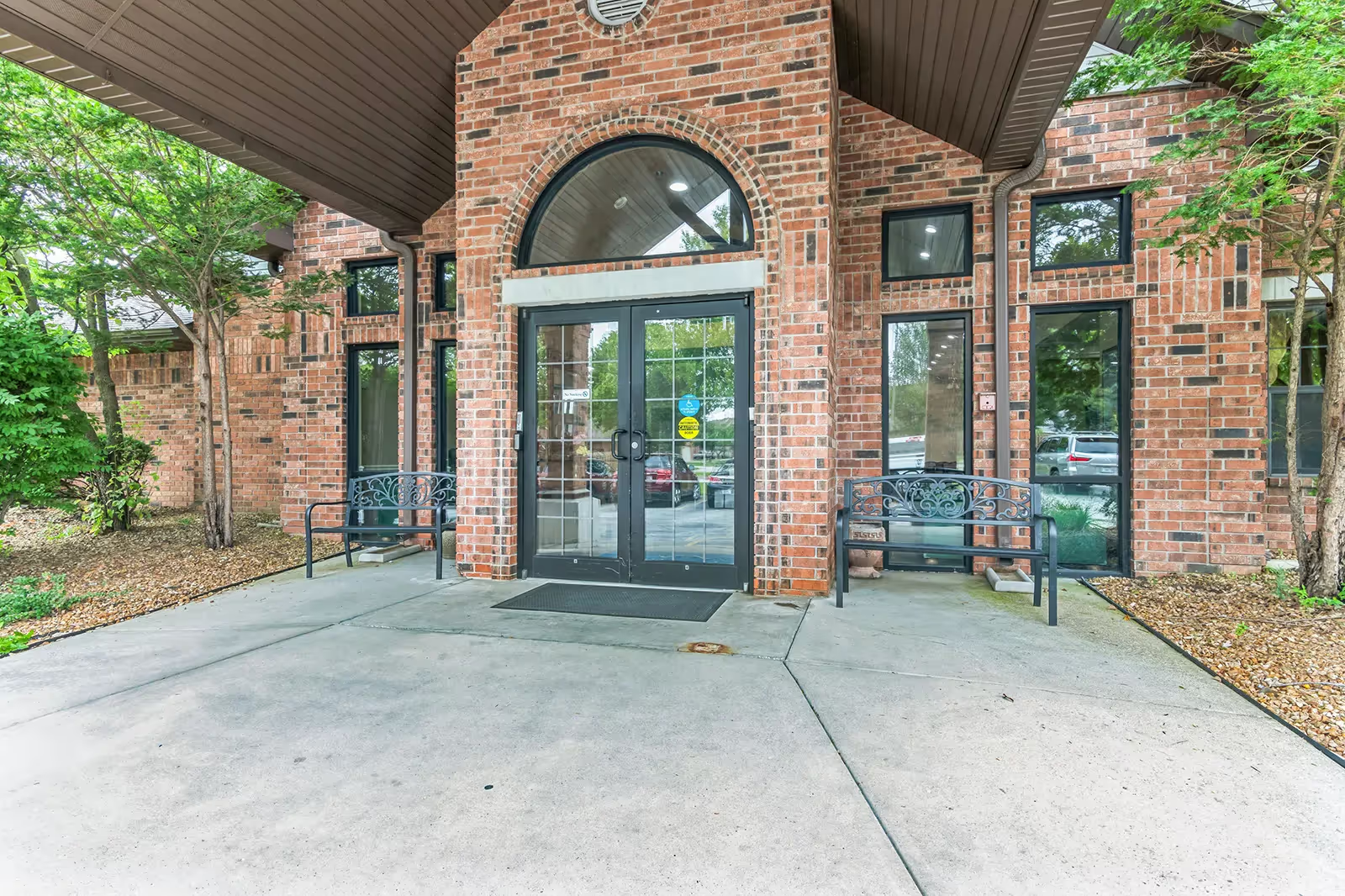
Facility, safety, and property-management concerns appear repeatedly. Families reported lost or missing personal items and laundry management problems, raising questions about inventory and property-control processes. Some reviewers raised security and access-control concerns, noting unmonitored entry points and limited staff interaction in common areas. Cleanliness and grooming were also mentioned as inconsistent, including irregular bathing and nail care, indicating variability in personal‑care routines and environmental maintenance.
Management and oversight emerge as an underlying pattern: positive individual caregivers are not uniformly supported by systems that ensure consistent care, safety, and communication. For prospective residents and families, recommended focus areas when evaluating the facility include inquiring about staffing ratios and turnover, medication-administration protocols and audit procedures, transfer and handling training, dietary-accommodation processes, property/laundry controls, security/access policies, and incident‑reporting and family‑communication practices. The facility appears to have strengths in committed frontline staff and a welcoming environment in places, but operational gaps and inconsistent management practices contribute to markedly different experiences between residents.