The reviews for Magnolia Square Nursing present a strongly mixed but thematically consistent picture: many families and clinicians praise individual staff members, therapy services, and the facility’s appearance, while a substantial number of accounts describe operational inconsistencies that affected clinical care and family confidence.
Care quality appears variable. Positive experiences include successful short-term rehabilitation outcomes, attentive pain-management by night staff, and instances of dignified end-of-life support. Conversely, there are repeated concerns about medication administration, delayed oxygen or wound care, inconsistent bathing and incontinence-care routines, and clinical issues that in some cases led to hospital transfer and significant weight loss. These descriptions suggest gaps in clinical monitoring and follow-through rather than a uniform standard of care across all shifts and units.
Staffing and staff conduct are central themes. Several reviews single out individual caregivers and nurses as exemplary and describe warm, family-like interactions; front-desk liaisons and some administrators are also frequently praised. At the same time, many families report understaffing (especially evenings and weekends), slow responses to call lights, inconsistent assistance at mealtimes, and variable tone or communication style from some staff. Infection-control practices such as PPE use and hand hygiene are described as inconsistent in a subset of accounts.
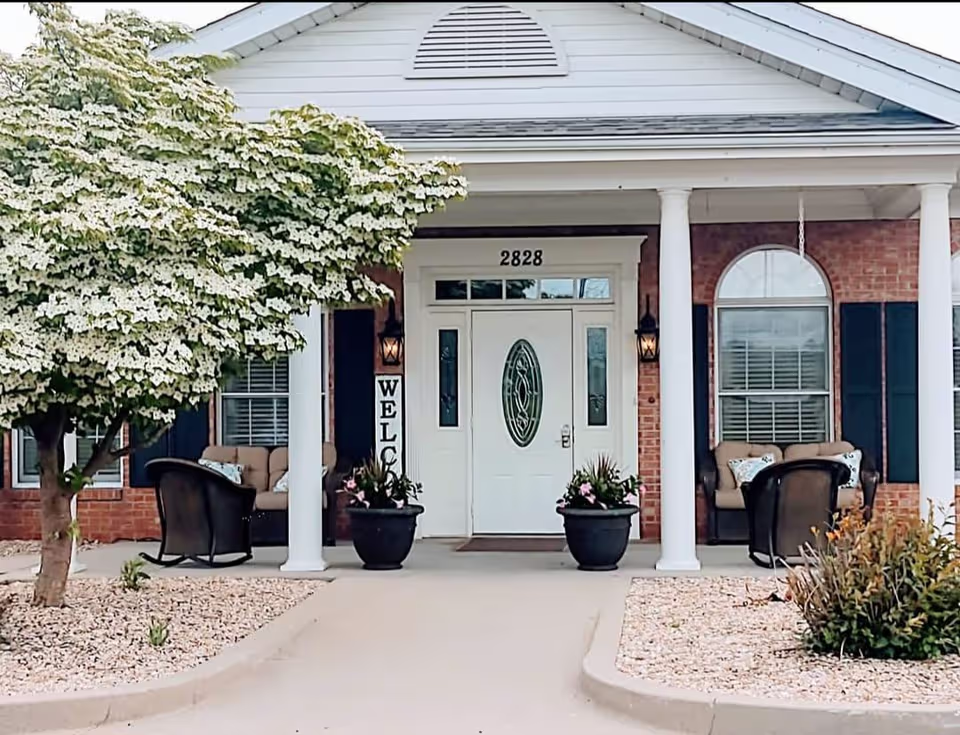
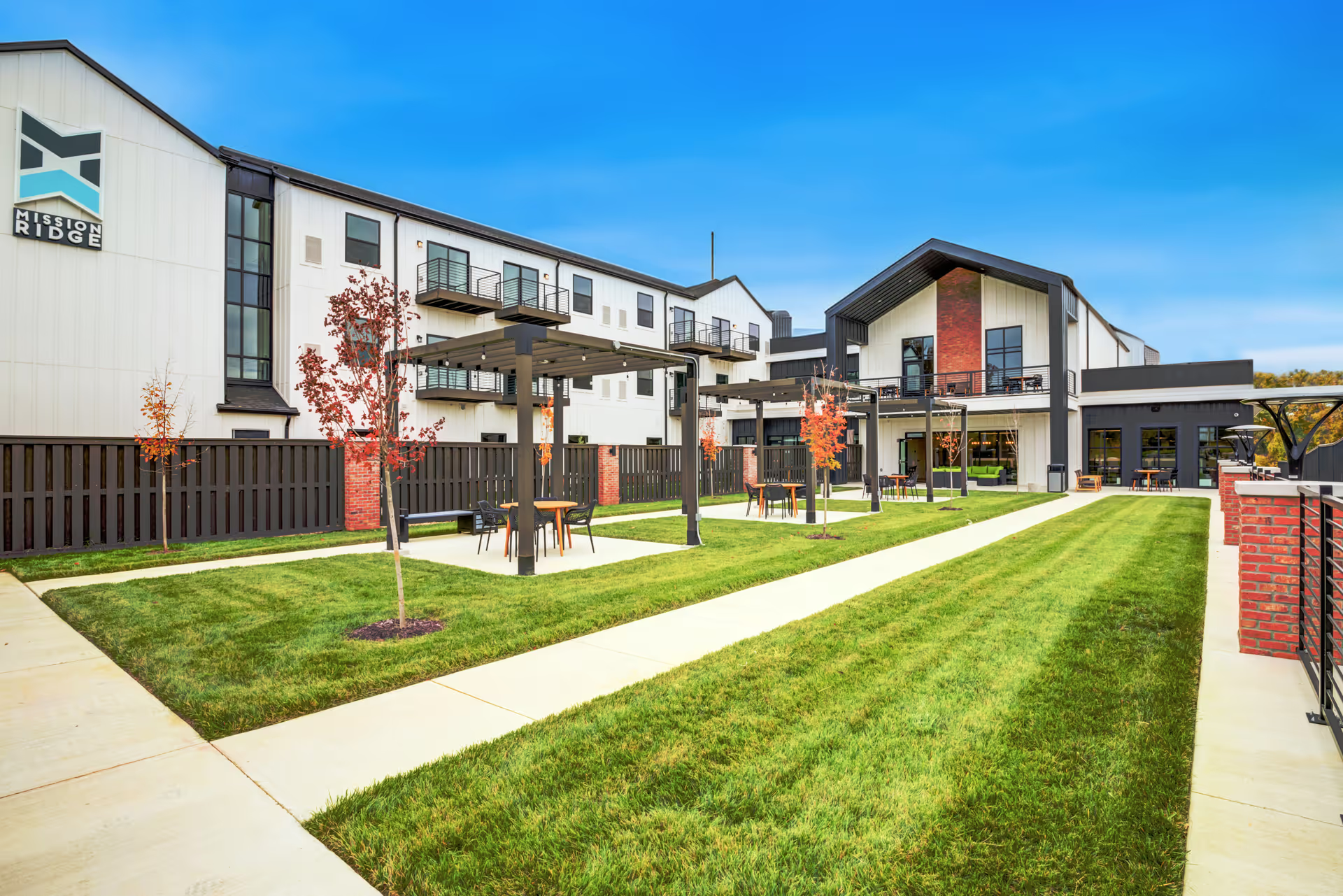
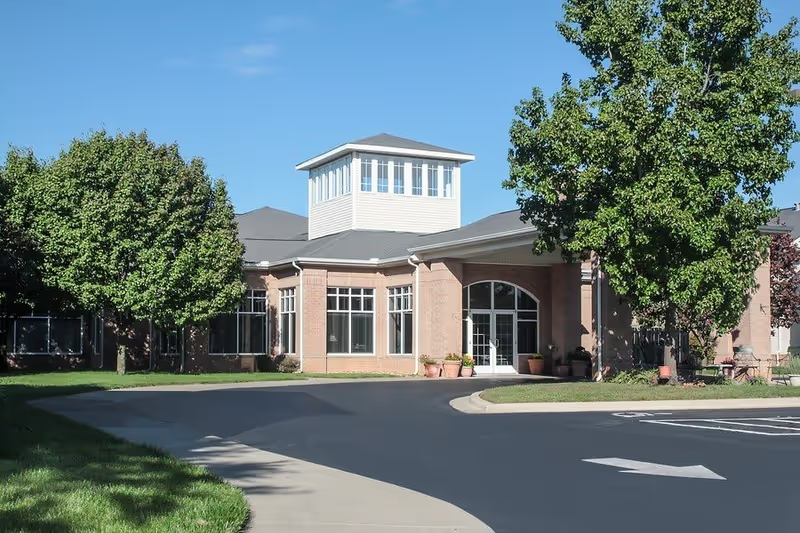
Dining, activities, and environment also show contrast. The facility is often described as clean, well-maintained, and pleasant with attractive outdoor spaces and an active activities program. Therapy departments receive strong positive feedback for rehabilitative progress. However, other reviews describe sanitation and odor concerns in portions of the building, variable laundry and housekeeping practices, inconsistent meal quality and insufficient mealtime assistance, and at least one concern about pest control. These divergent impressions point to unit-level variability in operational consistency.
Management, documentation, and coordination stand out as recurring administrative issues. Families reported problems with records transfer, discharge paperwork, hospice coordination, delayed or disputed refunds, and uneven communication about hospital transfers or medication decisions. There are also references to leadership changes and a perception of uneven oversight; some reviewers note an improvement after administrative turnover, while others continue to describe coordination gaps. A small number of serious allegations — including theft and financial discrepancies — were raised and should prompt careful inquiry by prospective families.
Notable pattern: experiences appear polarized and may depend on timing, unit, and individual staff on duty. Prospective residents and families may encounter strong, compassionate care and successful rehab stays, or they may experience significant lapses in responsiveness, clinical follow-through, and communication. When evaluating Magnolia Square, families should tour the specific unit, ask about current staffing levels and infection-control protocols, clarify hospice coordination and documentation/transfer procedures, and request current references from families whose loved ones have similar clinical needs (e.g., dementia care or short-term rehab).