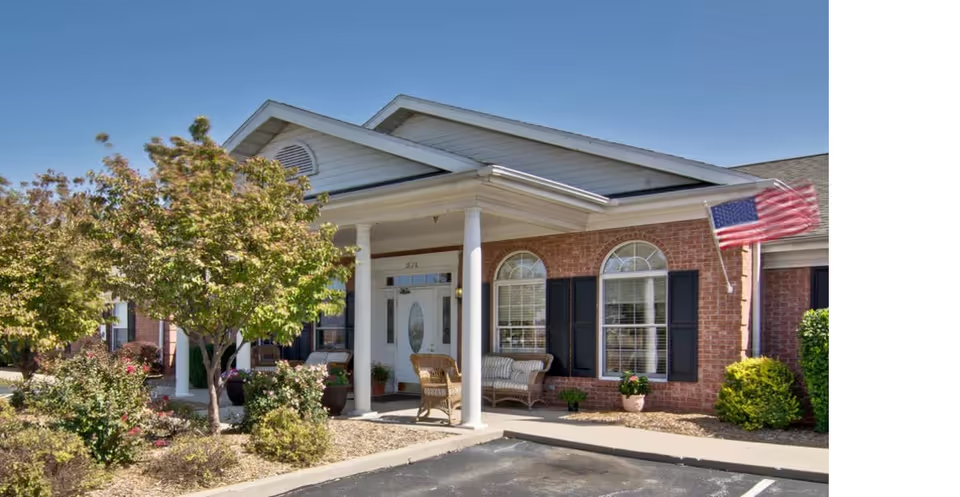
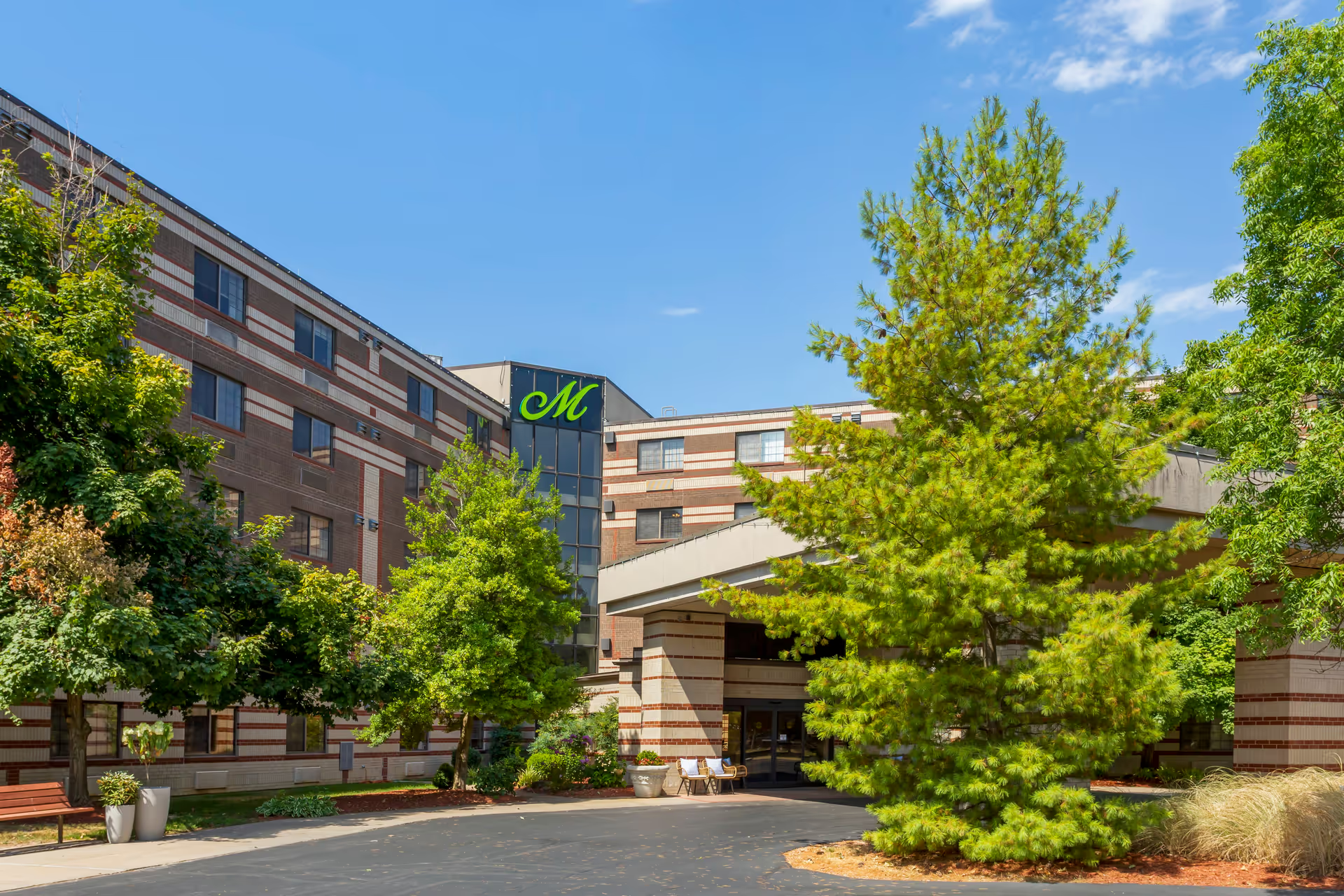
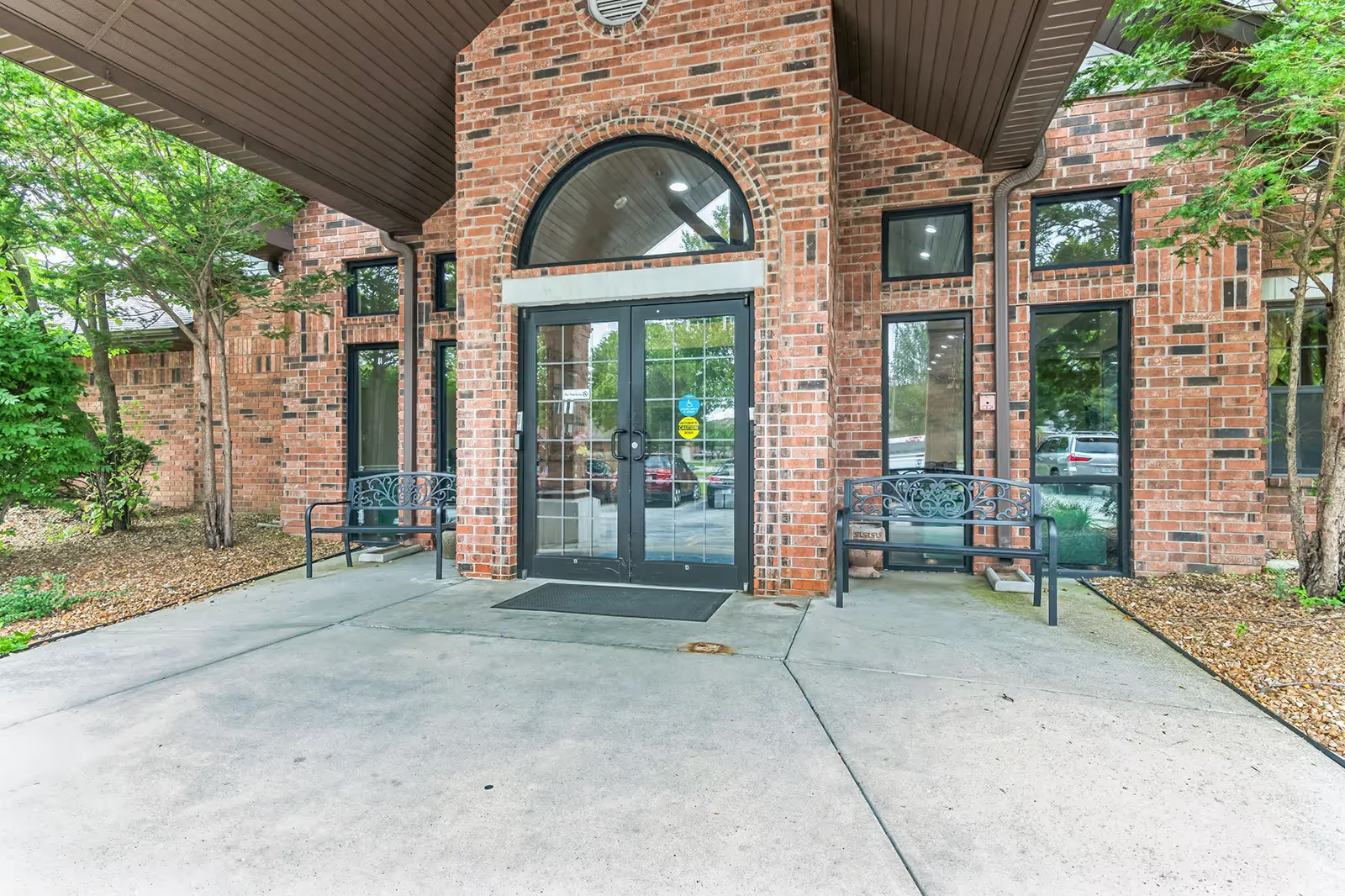
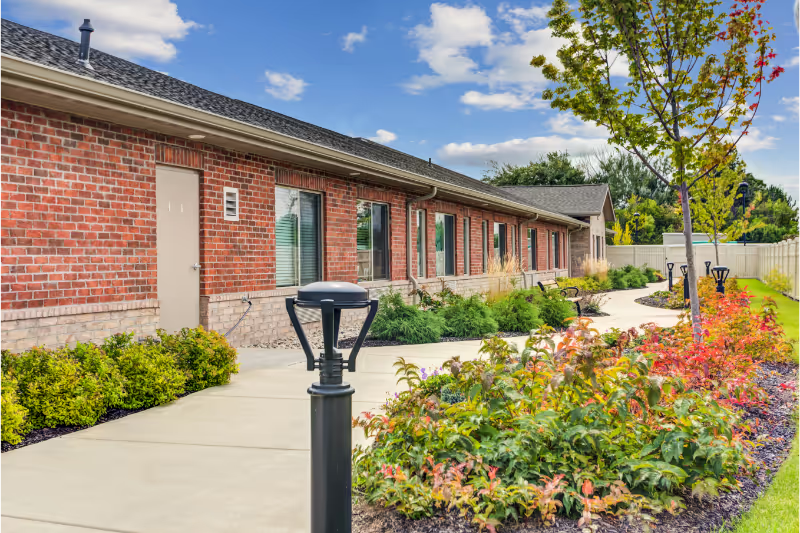
Manor at Elfindale elicits a wide spectrum of experiences, with clear strengths in clinical rehabilitation, memory care, and facility environment alongside recurring operational and management concerns. Many families describe compassionate, attentive direct-care staff and a therapy team capable of delivering individualized physical and occupational programs. The memory-care unit is frequently characterized as comfortable and home-like, and short-term rehabilitation services are noted as professional and focused on personalized goals. The facility’s interior and grounds are generally described as clean and well maintained, with pleasant outdoor areas and scenic views that contribute positively to resident quality of life.
Clinical care and therapies are one of the facility’s strongest areas. Reviewers highlight skilled therapists, customized treatment plans, and coordinated skilled-nursing and bathing services. That said, reviewers also describe uneven therapy outcomes and instances where rehabilitation admission or continuation was denied or deprioritized; these observations point to variability in how rehab services are allocated and in the clarity of eligibility or assessment procedures. Memory-care residents and families frequently report compassionate interactions and stable routines within that unit.
Staffing and communication are mixed. Many comments praise caring, professional, and approachable nurses and aides; however, there is also a clear pattern of inconsistent staff performance, occasional insensitive communication tone, and gaps in responsiveness to family concerns. Some families found nurse and therapy communication strong, while others experienced delays in response or unclear handoffs. Physician accessibility is flagged as limited by several families, which can complicate clinical decision-making and care coordination.
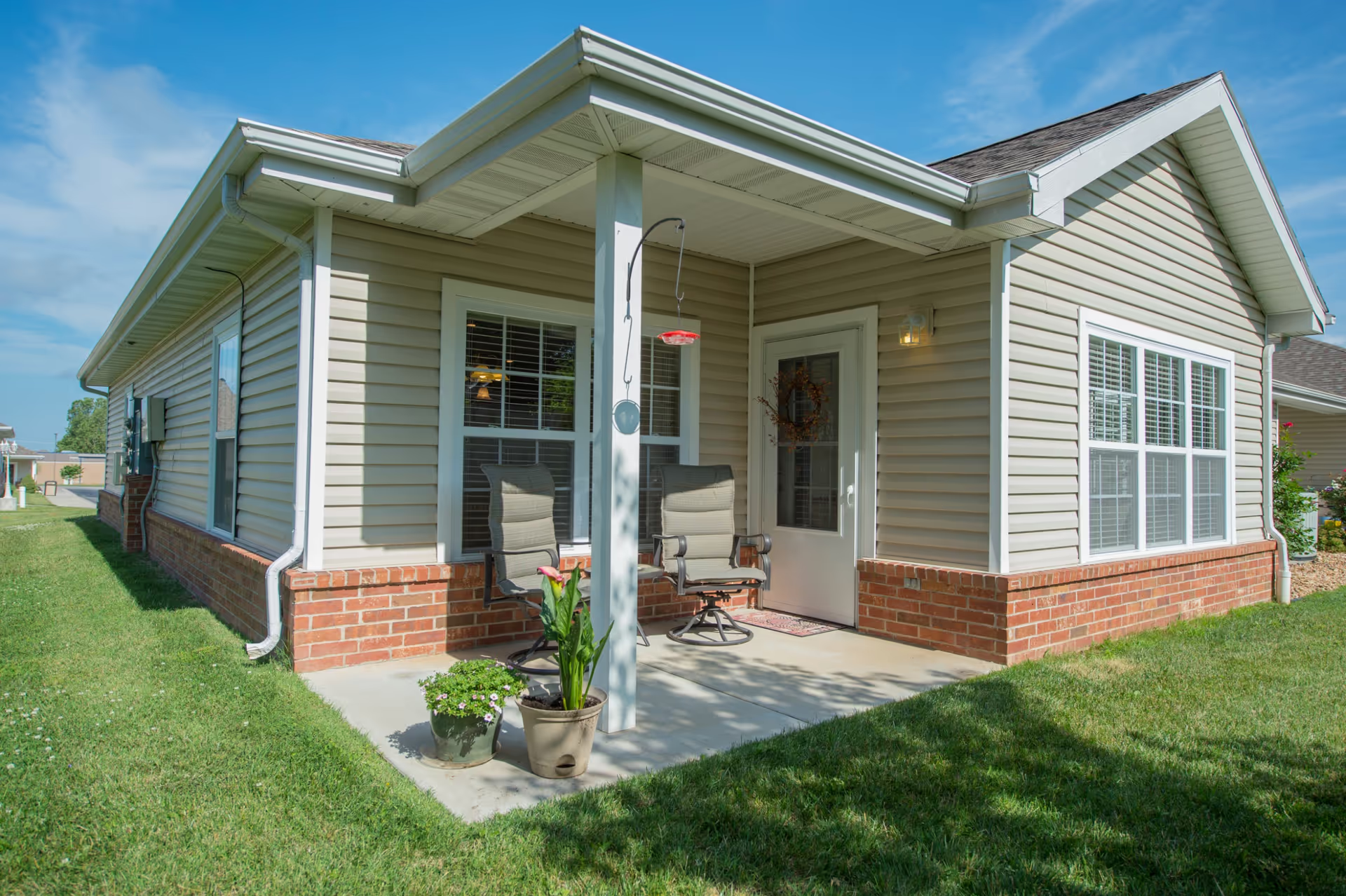
Dining, amenities, and activities are generally positive features. The facility offers bathing and hair services, an activities program, and a neighborhood-style approach that families describe as less institutional than some nursing homes. Participation in activities varies by resident, and a few families noted that expected engagement did not occur for their loved ones. The physical environment is consistently described as clean and pleasant, with private or home-like rooms and attractive outdoor spaces.
Management and administrative practices are the area of greatest concern. Multiple notes reference unclear billing practices, add-on or hidden charges, insurance-billing disputes, and aggressive collection communication; these items suggest the need for improved billing transparency and clearer explanation of financial responsibilities at admission. Administrative changes and perceived declines in leadership consistency are associated with reputational unease among some families. There are also accounts of restrictive or inconsistent admission and therapy-eligibility processes, including denials based on paperwork rather than direct clinical assessment, which indicate a need for clearer admission protocols and appeals pathways.
Bottom line: Manor at Elfindale offers many hallmarks of a high-quality long-term and rehabilitation provider—compassionate caregivers, effective therapy teams, and a clean, attractive setting—but prospective residents and families should evaluate administrative practices and clarify billing, admission, and physician-coverage policies before committing. Visiting in person, meeting the therapy and nursing teams, and requesting written explanations of charges and admission criteria can help align expectations with the facility’s operational practices.