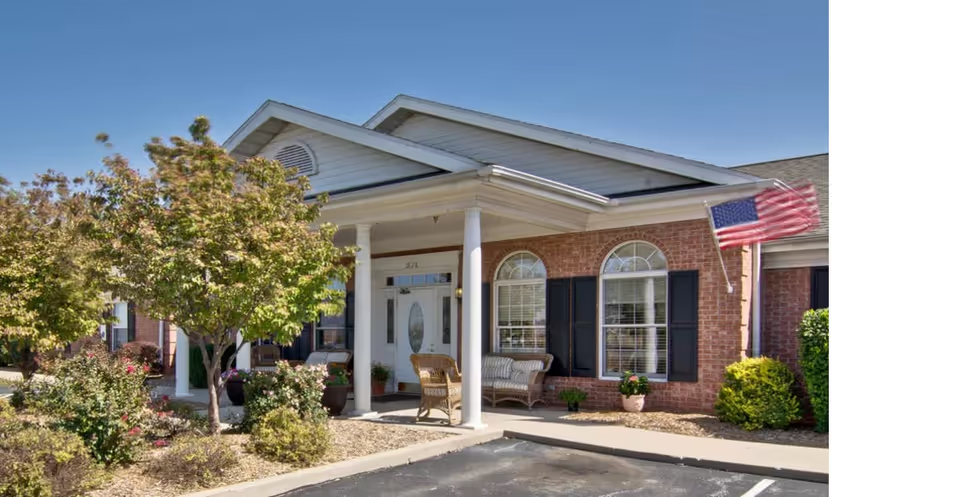
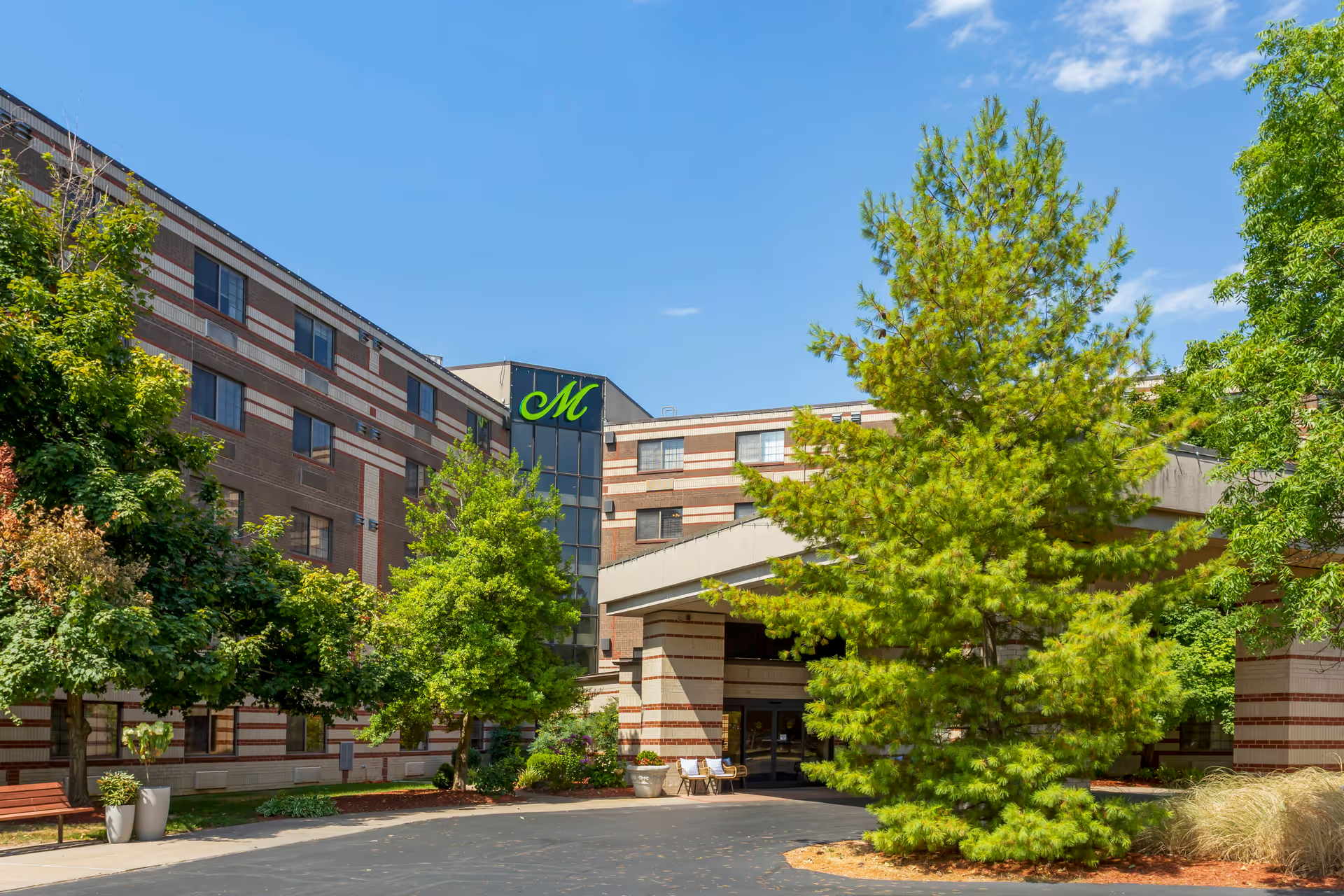
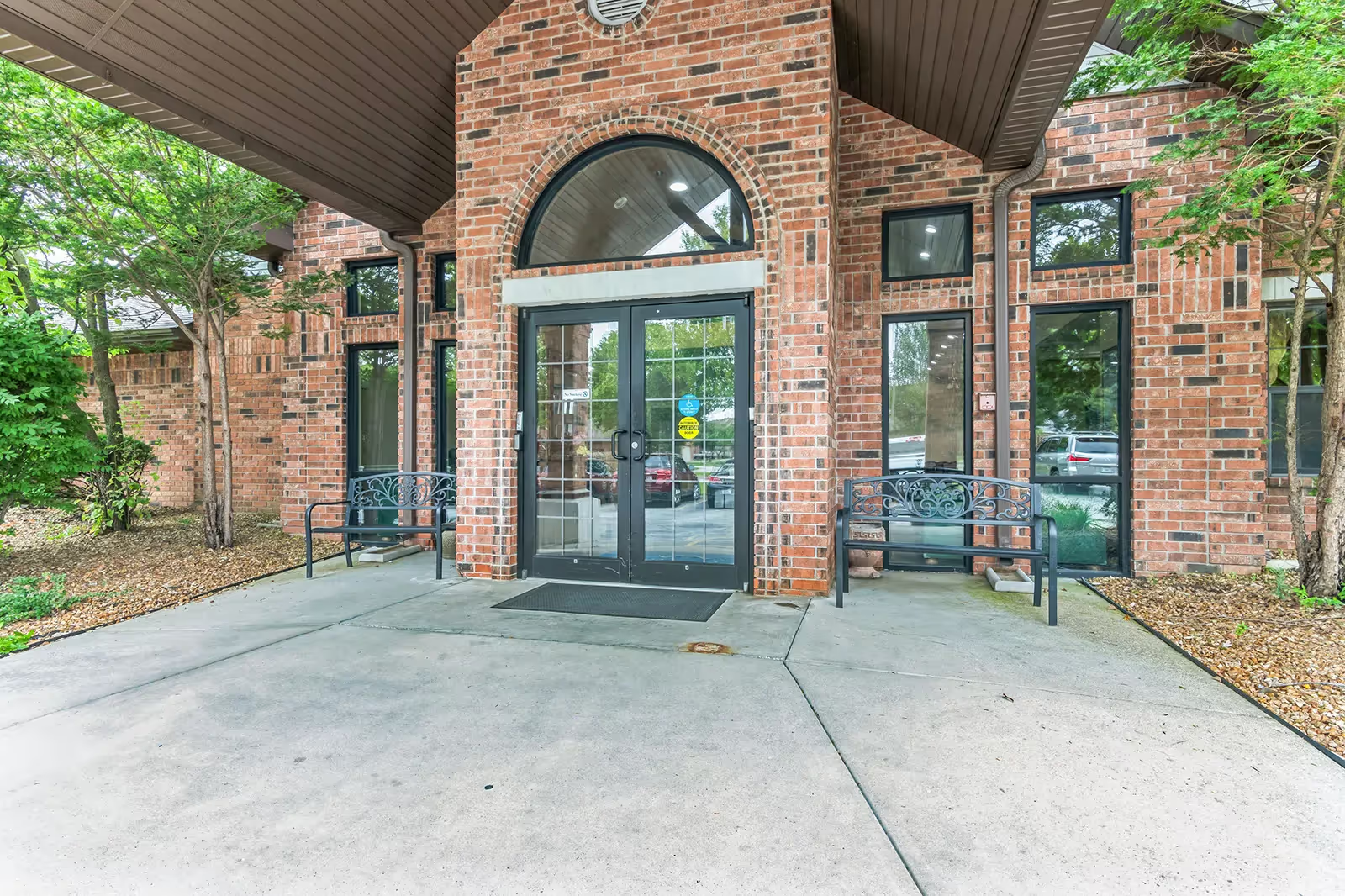
Springfield Rehabilitation & HealthCare Center elicits strongly mixed impressions: many families praise the facility’s hands-on caregivers and therapy team, while others describe operational gaps that materially affected care for individual residents. The facility’s rehabilitation program (PT/OT) and many bedside staff receive consistent positive remarks for helping residents regain strength, providing motivating therapy, and delivering compassionate personal care. Several reviews emphasize attentive CNAs, approachable therapists, a welcoming activities program, and clean, comfortable rooms that support a positive patient experience.
Clinical care quality appears uneven. Positive accounts highlight skilled nursing and aides who provide dignified support and effective symptom relief, including compassionate end-of-life presence. Counterbalancing those accounts are recurring concerns about medication management (including documentation and communication around changes), delays in clinical escalation or emergency response, and isolated medication-administration errors. These issues suggest variability in adherence to clinical protocols that families should evaluate further when considering placement.
Staffing and workplace dynamics are a central pattern in the feedback. Multiple comments point to inconsistent staffing levels, frequent turnover, and shifts where staff are described as stretched thin. Reviewers credit individual caregivers for extraordinary efforts, yet note that understaffing contributes to delayed responses to call buttons, inconsistent assistance with bathing and dressing, missed or delayed mealtime assistance, and lapses in routine hygiene tasks. There are also reports of tense staff interactions and an uneven workplace culture, which some families felt affected resident experience and staff willingness to speak up.
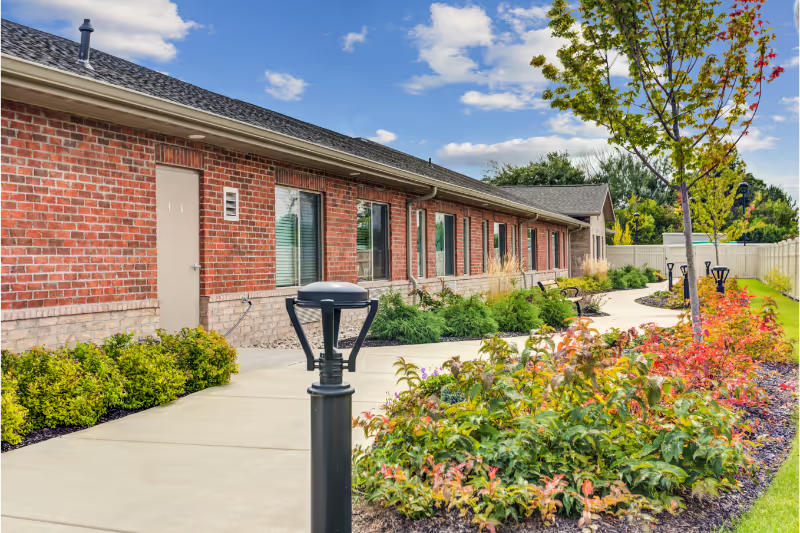
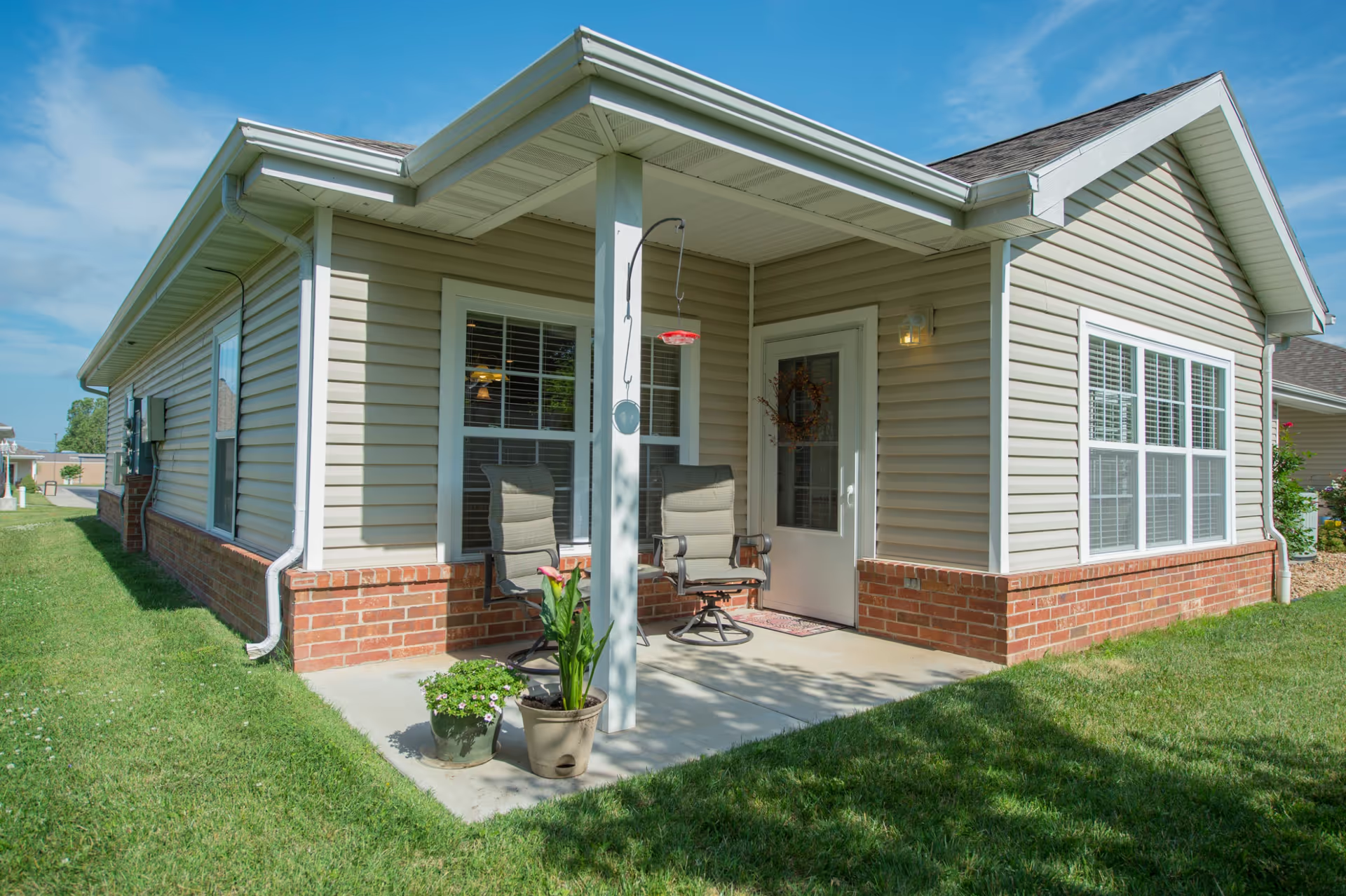
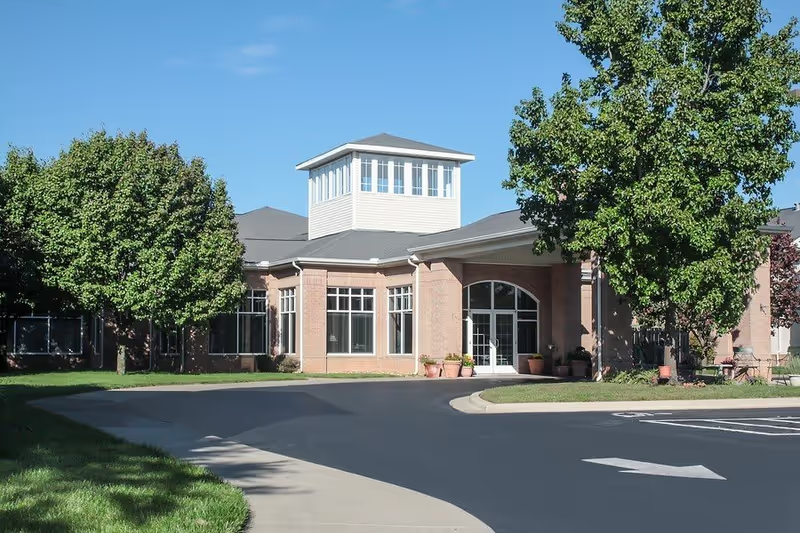
Dining, activities, and the physical environment are relative strengths. Many families describe acceptable to good meals, plenty of activities, and an activities coordinator who brings consistent engagement. The building and rooms are frequently described as clean and well-maintained; reviewers praise comfortable rooms and an odor-free environment in many areas. At the same time, there are isolated sanitation concerns and inconsistent personal-care practices that contrast with these positive descriptions.
Management and communication are areas of mixed feedback. Some families commend social work and care-coordination support and point to administrators who are accessible and effective. Others report gaps in administrative responsiveness, delayed family notification about transfers or hospitalizations, and difficulties coordinating with hospice. These mixed reports suggest variability in leadership follow-through and unit-level consistency. Notable system-level themes include inconsistent family communication, transfer-notification delays, and uneven hospice integration at end of life.
For prospective residents and families: during a tour and admission discussion, ask specific, operational questions about staffing ratios by shift, medication-administration safeguards, protocols for clinical escalation and emergency transfers, hospice integration and end-of-life processes, call-button response targets, bathing and toileting schedules, and how mealtime assistance is arranged. Verify how social work and administration handle family communication and inquire about recent staff turnover and corrective actions taken. Springfield shows clear strengths in rehabilitation, therapy, and many compassionate caregivers, but the facility also demonstrates variability in operational consistency that merits direct inquiry and observation before placement.