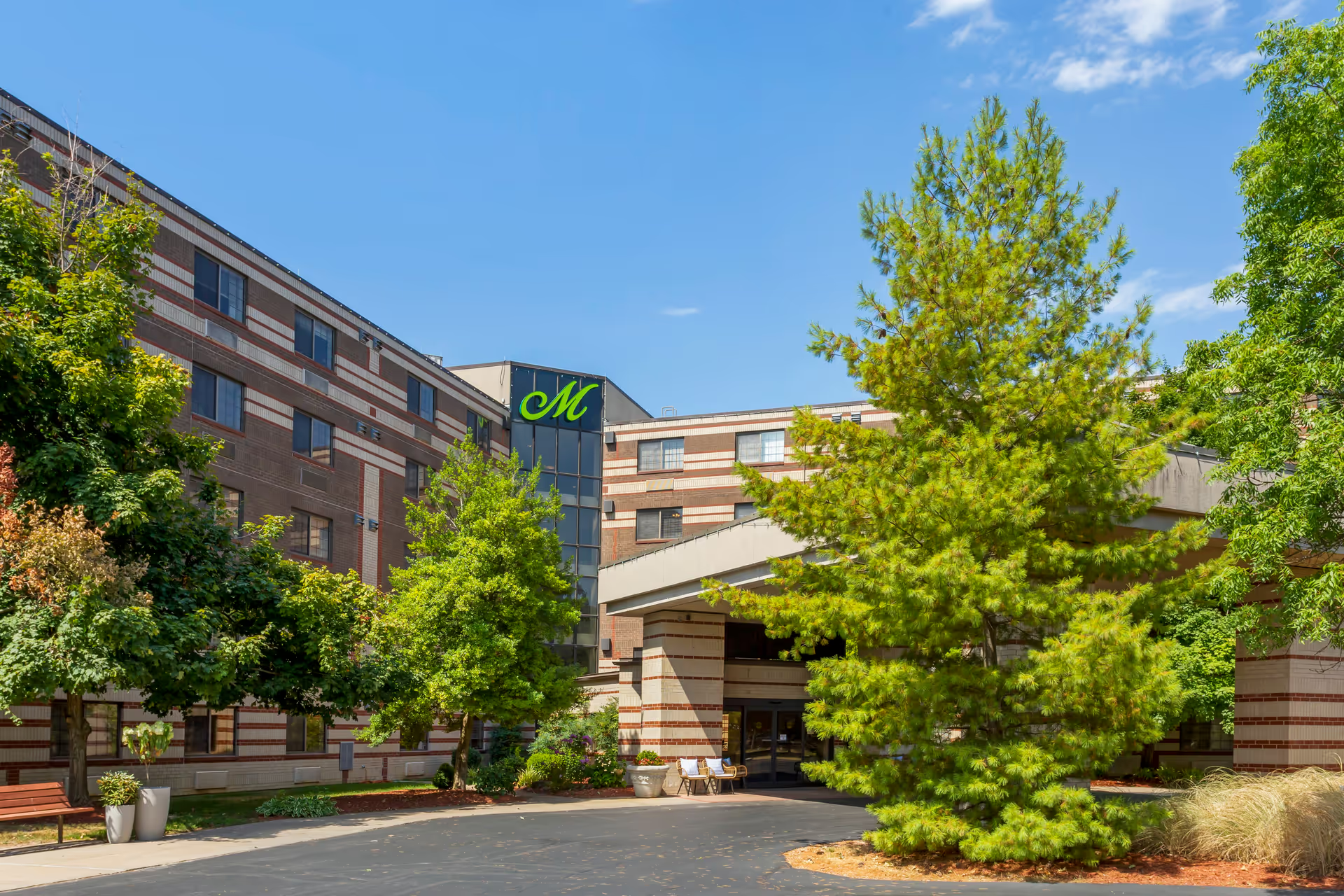
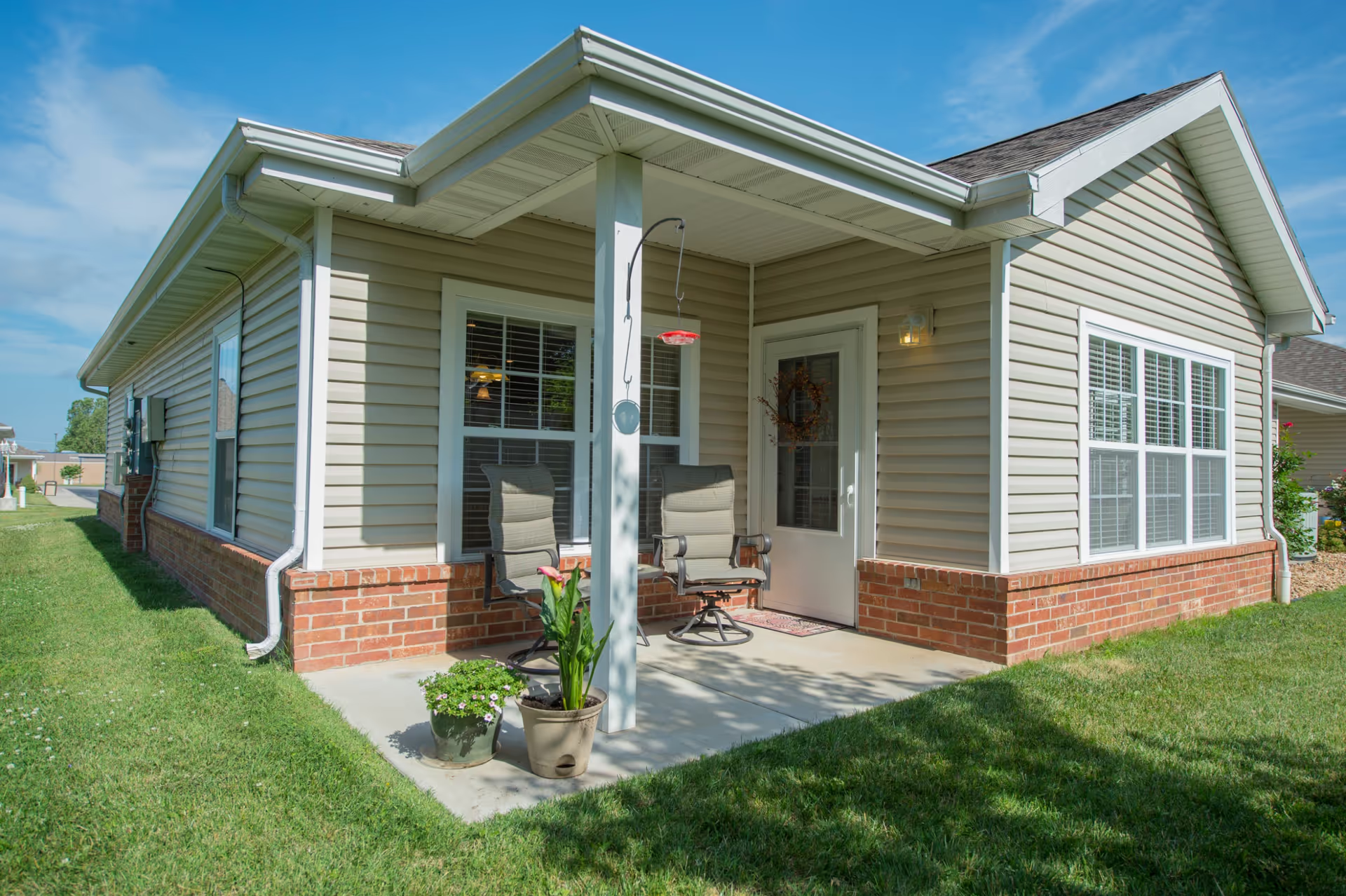
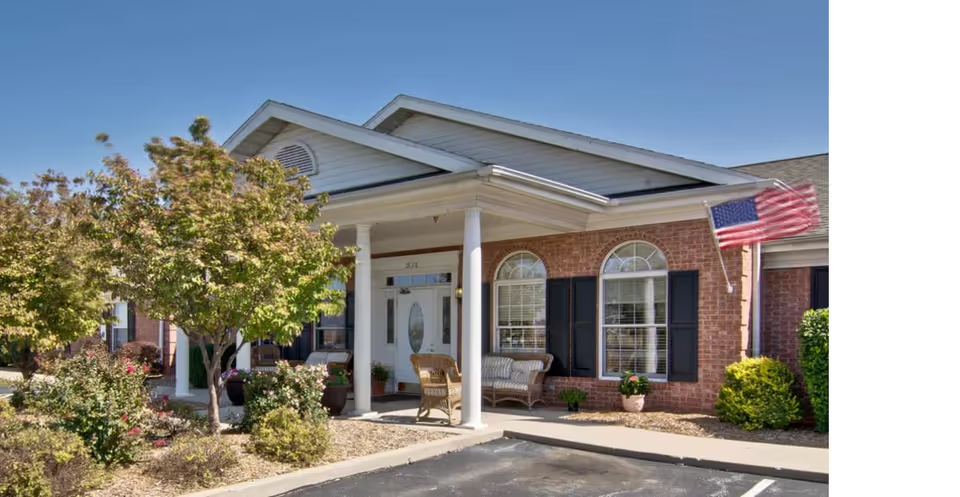
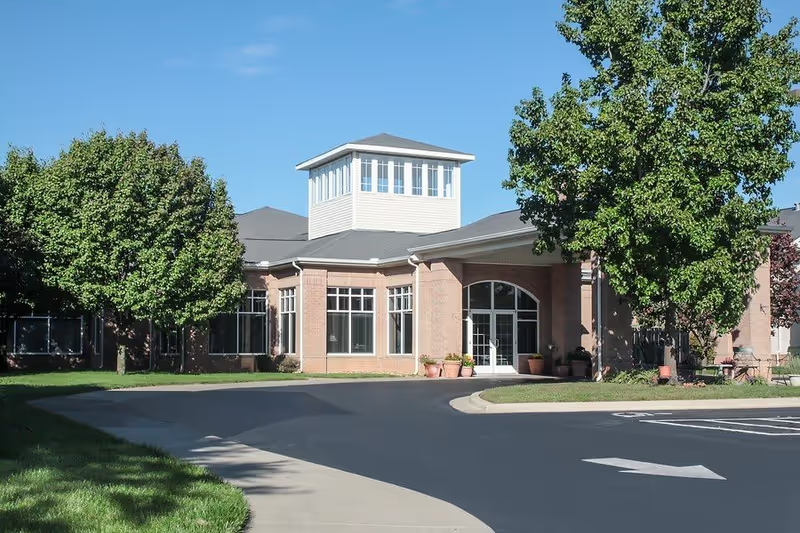
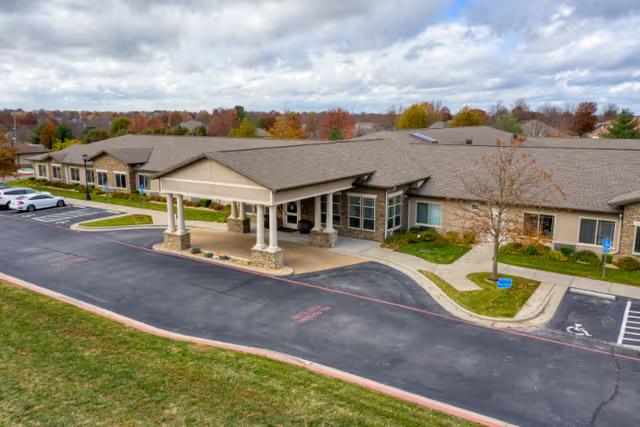
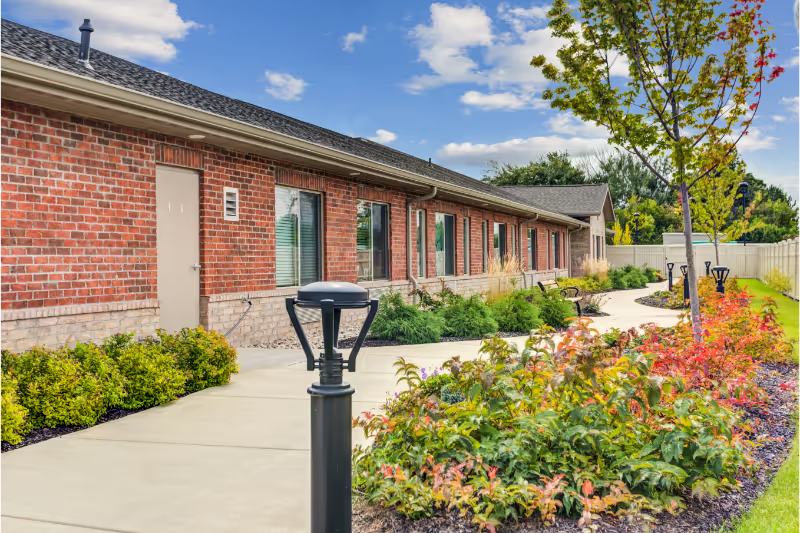
Springhouse Village presents as a high-end, well-appointed senior living community with strong emphasis on physical comfort and social amenities. Reviews consistently highlight upscale finishes, attractive landscaping with fountains and courtyards, thoughtful apartment design (including zero-entry showers, ample natural light, and large refrigerators), and a broad suite of amenities such as a theatre, bistro, art gallery, beauty salon, and on-site dining areas. The campus layout and outdoor seating areas are described as inviting, and safety features like gated access and storm shelters are noted as distinguishing elements.
Clinical and caregiving services draw mixed but largely positive descriptions. Many families describe compassionate, attentive staff and committed nursing leadership; long-tenured employees and caregivers who learn residents’ names are specifically praised. The facility offers multiple levels of care—independent living, assisted living, and memory care—along with therapy and individualized care plans, which several families said restored quality of life for residents. At the same time, reviewers indicate variability in how consistently those caregiving strengths are delivered: concerns about inconsistent staff engagement, lapses in medication-administration reliability, and differences in the perceived suitability of the memory-care approach were raised. Prospective families should clarify staffing ratios, medication protocols, and memory-care training during a tour.
Dining and programming are frequently cited as strong points. Meal service is often described as restaurant-style with high-quality offerings that residents enjoy, and communal dining is viewed as a key social opportunity. A robust calendar of activities, celebratory events, and memory-focused programming (games, sensory activities, themed treats) contributes to engagement for many residents. On-site amenities such as a salon, theatre, and therapy services support both social and practical needs.
Operational and management patterns show divergence in perception. Several reviewers praised leadership and administrative responsiveness, while others flagged gaps in communication, leadership follow-through, and an organizational emphasis on marketing or financial considerations over clinical priorities. Specific operational concerns include inconsistent security controls (for example, doors left unsecured), privacy breaches from staff conversations in public spaces, and occasional delays in maintenance or follow-up on family requests. These differences suggest variability in day-to-day execution despite strong facility resources. For families considering Springhouse Village, recommended due diligence includes asking for written policies on medication administration, memory-care staff training and oversight, security protocols, privacy/confidentiality measures, and examples of how leadership handles family communication and maintenance issues.