Overall impression: Reviews portray a facility with many operational strengths alongside several recurring operational weaknesses. Many families and residents praise the facility’s cleanliness, physical environment, and daily social programing, and several describe staff who are compassionate, attentive, and helpful during transitions. At the same time, a set of consistent concerns appears around staffing stability, dining consistency, safety practices, and management transparency.
Care and staff: The caregiving team is frequently described as caring, responsive, and individualized in approach. Reviewers note attentive nursing, medication assistance, and help with doctor visits; names of specific staff are often mentioned positively, and multiple accounts reference staff who go above and beyond for residents and families. However, a contrasting pattern exists: some reviewers indicate high staff turnover, inconsistent continuity of caregivers, and instances where staff conduct and communication tone were problematic. There are also specific concerns that clinical responses to incidents (including falls) can be uneven; this suggests potential variability in shift-level supervision, training, or incident escalation protocols.
Dining: Dining is a polarizing area. Several reviewers praise gourmet meals, a pleasant dining room, and three daily meals with an open/available kitchen. Others report a decline in food quality over time and describe meal offerings as inconsistent. Taken together, the evidence suggests that while the facility has capacity for higher-quality dining service, meal consistency and continuity may vary by time period, building, or staffing levels.
Activities and social programming: The activity calendar is a clear strength. The community offers daily exercise classes, bingo, music programs, church services, Bible study, in-house entertainment, pet visits, and organized outings. Reviewers frequently report residents being busy and engaged, with ample opportunities for social interaction and spiritual programming. This variety supports an active lifestyle for many residents.
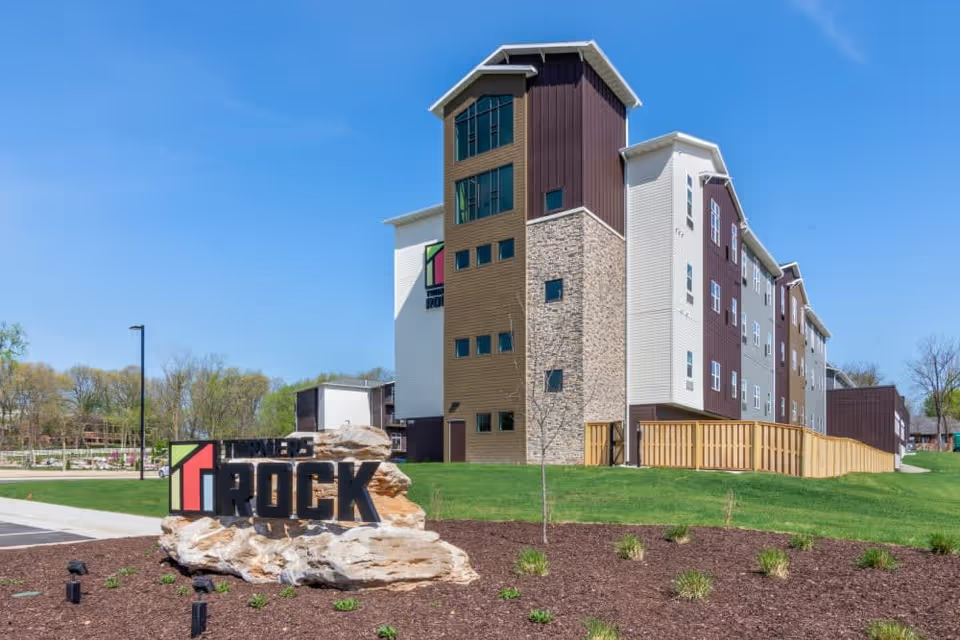
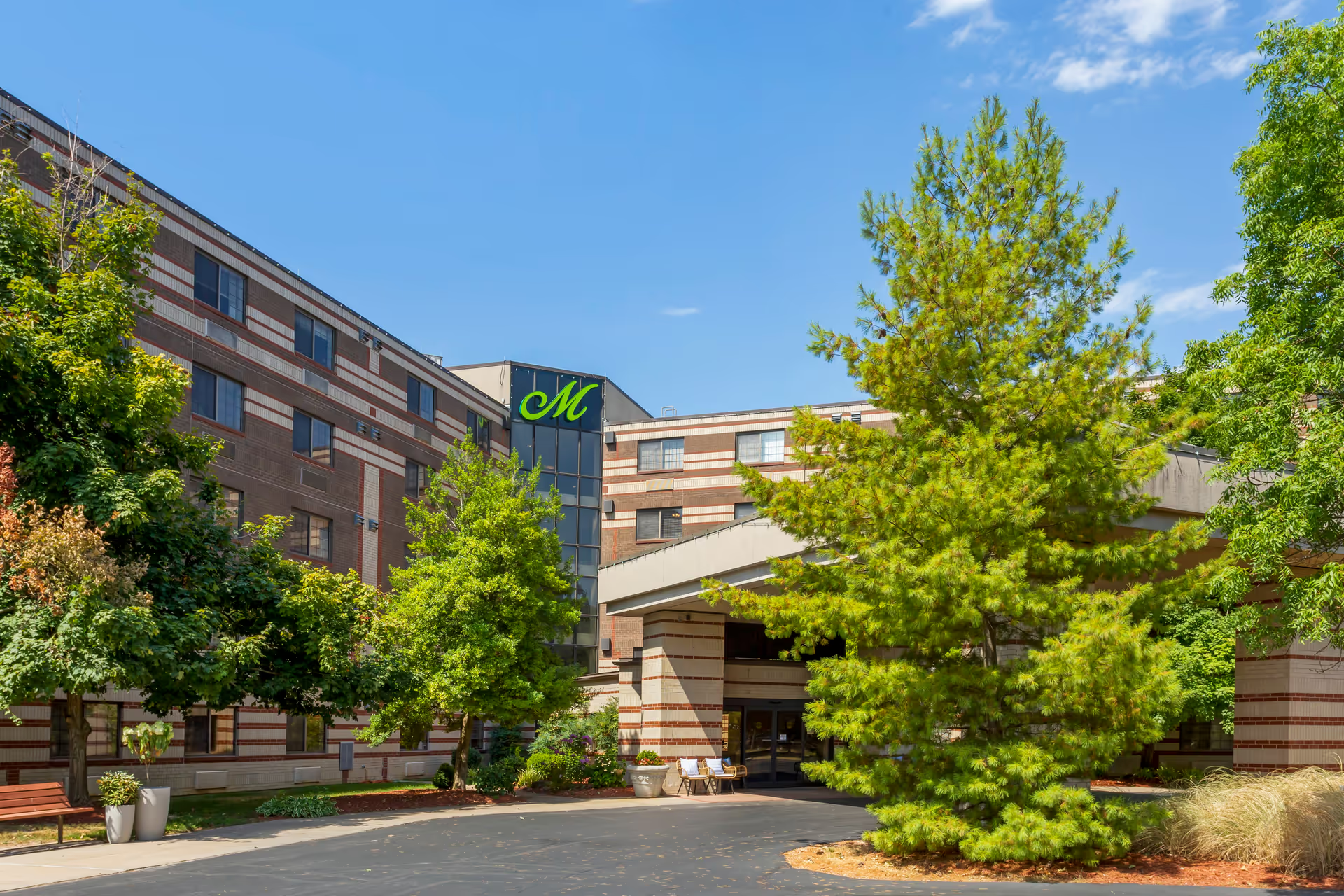
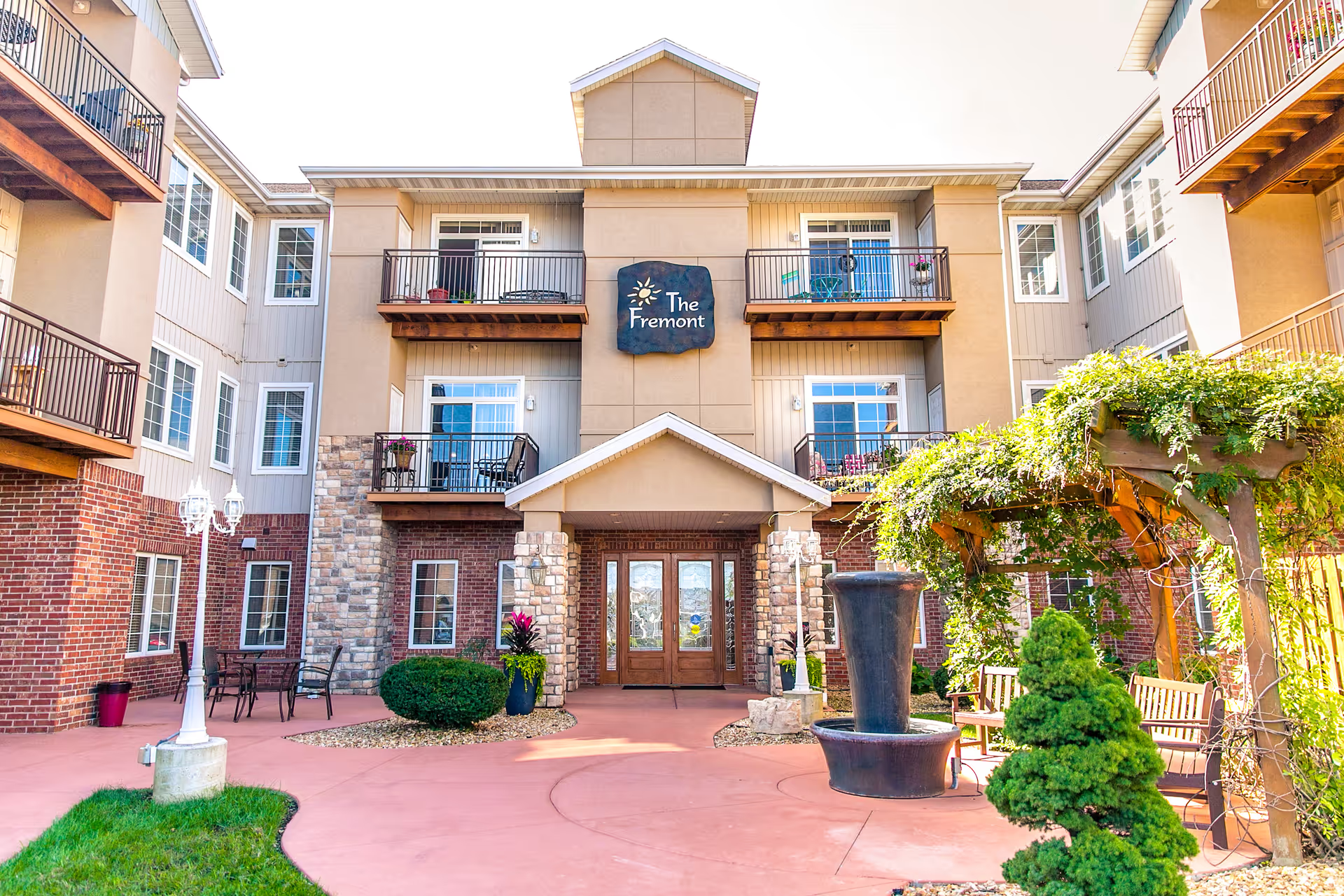
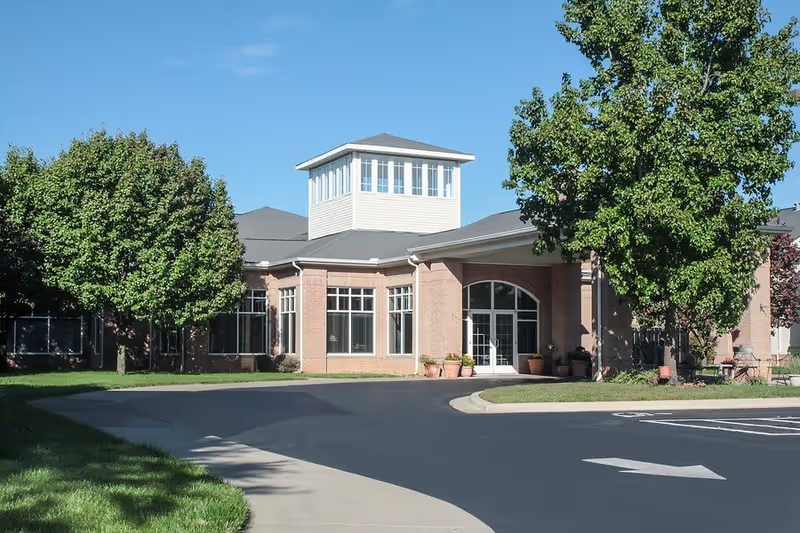
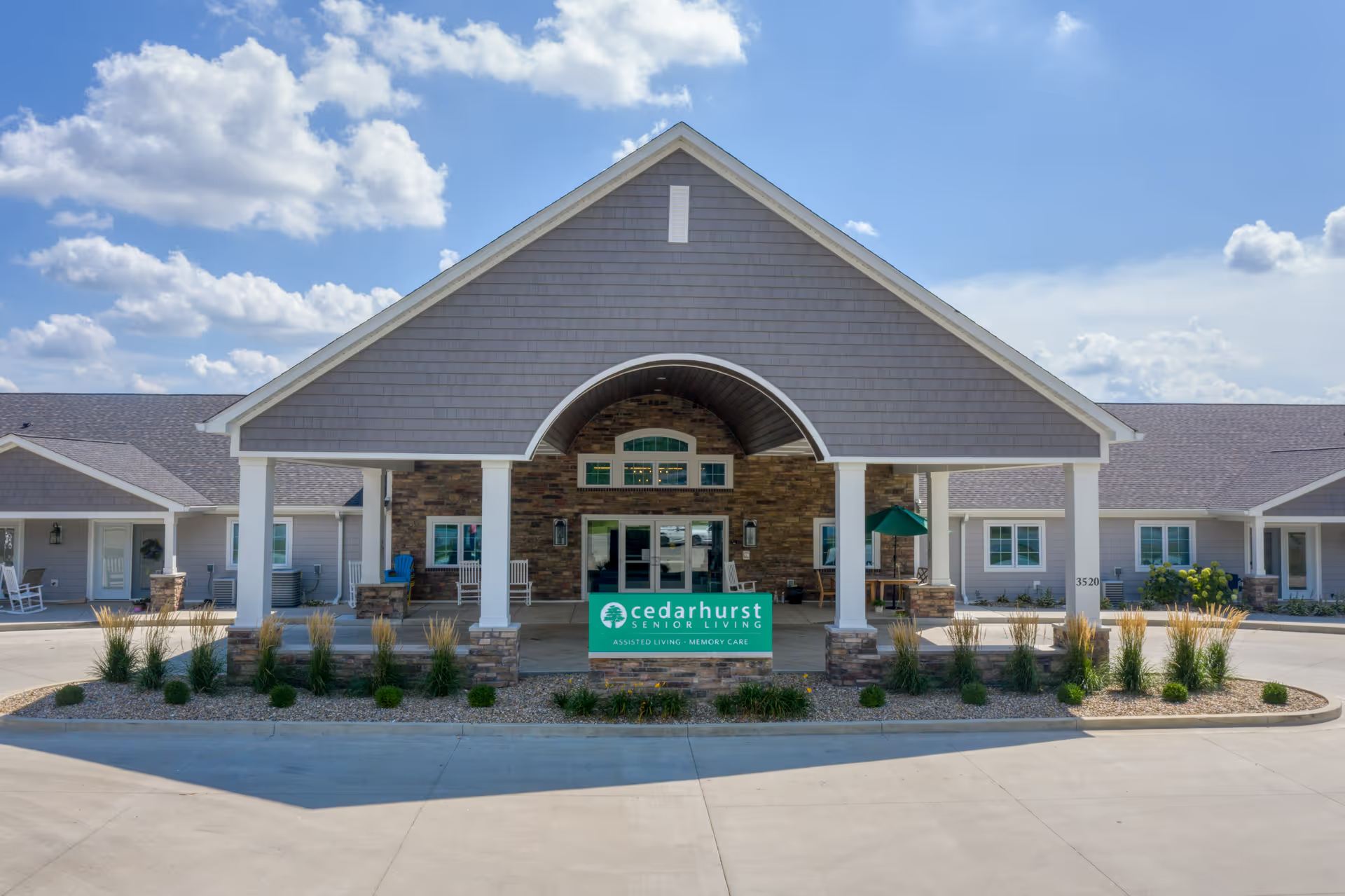
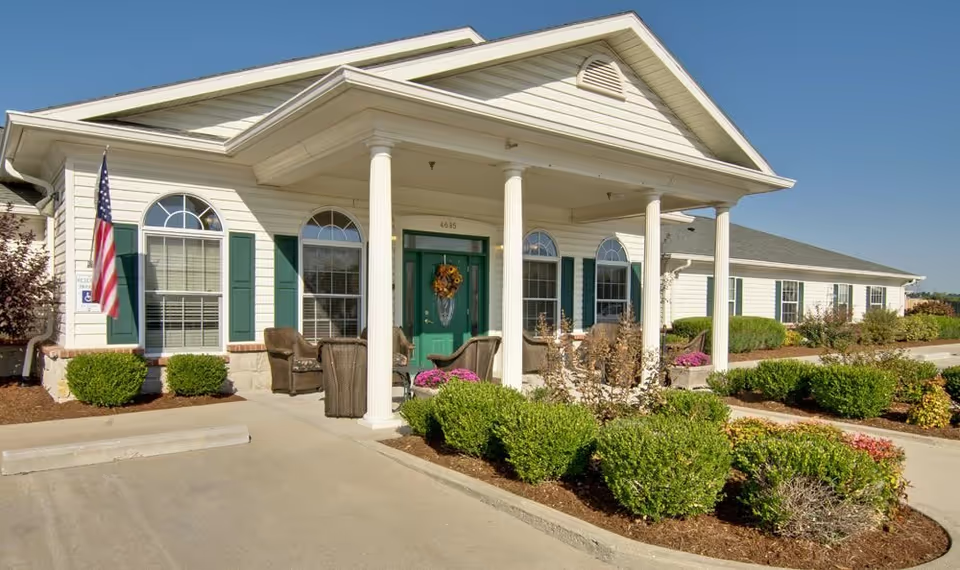
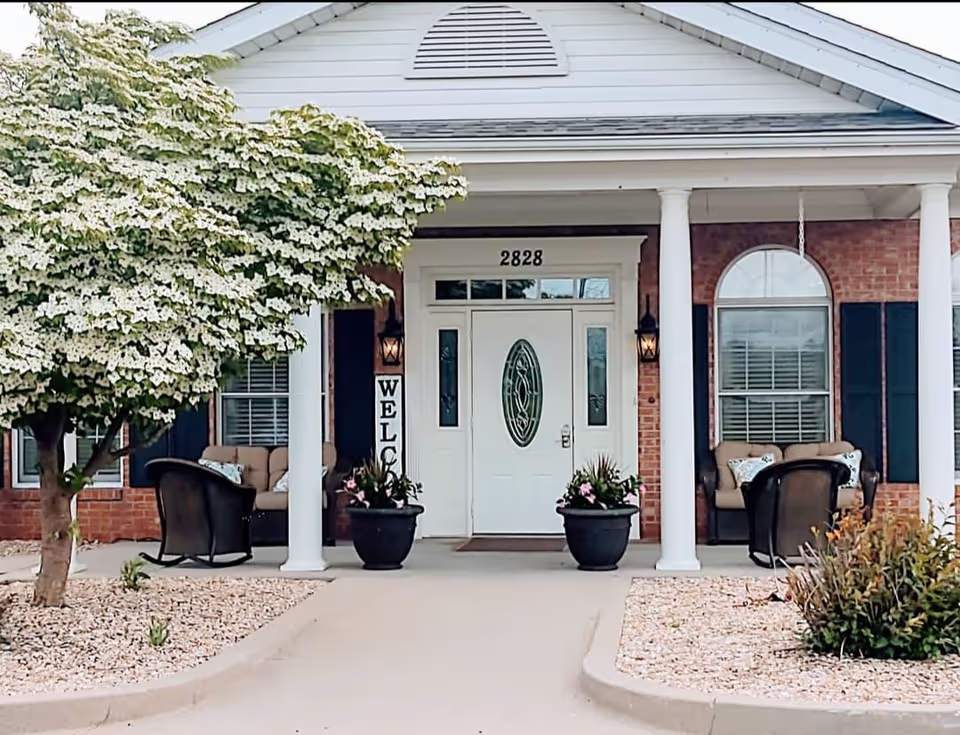
Facilities and security: The physical environment is widely praised: clean, well-maintained interiors and grounds, spacious apartments, multiple common sitting areas, patios and courtyards, and positive sensory cues (fresh-smelling, home-like atmosphere). Security features such as sign-in/sign-out procedures are noted favorably. Some comments indicate that privacy and the degree of a nursing-home-like atmosphere vary between buildings, so the experience may depend on the specific unit or floor.
Management and administration: Administrative issues are a recurring concern. Reviewers cite unclear or unexpected fees, communication gaps (including unreturned calls), and perceptions of deceptive or inconsistent information during the admission process. These items point to uneven transparency around pricing and policies. A small number of serious, individualized complaints about staff-health screening, permissive practices when staff are ill, and a head-nurse conduct issue were raised; while these appear to be less common than positive accounts, they indicate areas where administrative oversight and policy enforcement may merit attention.
Notable patterns and practical considerations: The reviews are relatively polarized—many families emphasize exceptional staff and an attractive, well-run environment, while others describe operational weaknesses that affect trust (staff turnover, inconsistent meal quality, safety incident handling, and financial transparency). Prospective residents and families should consider touring multiple buildings, asking for recent staffing ratios and turnover data, inquiring about fall-prevention and incident-response protocols, sampling menus, and requesting a clear written breakdown of fees and admission policies. These steps can help determine whether the community’s strengths align with an individual resident’s clinical and social needs.