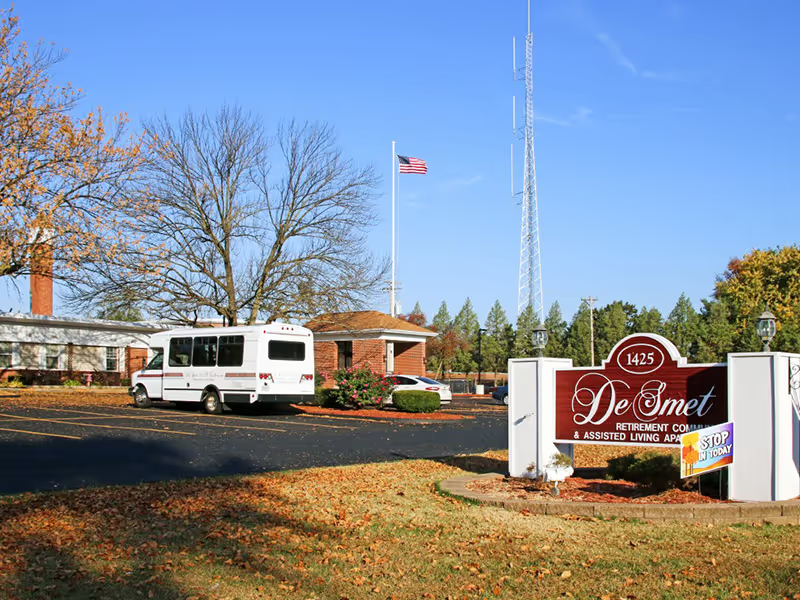
This facility presents a mixed profile: it is described by many families as a small, home‑like setting with staff who form familiar, personalized relationships with residents. Positive attributes include attentive basic caregiving, helpful move‑in support, a quiet, shaded location near recreational options, and recent improvements to activities programming. The community accepts VA financial assistance, and several accounts highlight staff flexibility and a welcoming atmosphere during transition periods.
Care quality appears uneven. Several accounts praise routine care and staff who know residents by name, but there are operational concerns that could affect quality during higher-need episodes. Notable patterns include staffing shortfalls during evenings and nights and limitations in accommodating quickly escalating care needs; a number of families described transfers or moves when a higher level of clinical care was required. There are also specific incontinence‑care process gaps and sanitation-related concerns that warrant attention, as delays in attending to toileting needs and odor concerns were described.
Staff and management receive mixed evaluations. Direct-care staff are frequently characterized as friendly, supportive, and helpful with admissions and daily routines; activities staff have recently expanded offerings under new leadership. At the same time, management-level issues are evident in operational areas: limited kitchen staffing, inconsistent meal supply/portions, and variable maintenance. There is at least one serious allegation involving resident financial impropriety, which should prompt families to ask about resident‑fund safeguards and financial controls during their review of the facility.
Dining and activities show a split picture. Meal offerings are described as basic and acceptable by some, but meal quantity and delivery continuity have been questioned because of thin kitchen staffing and supply challenges. Activity programming has improved with new direction and is seen as engaging for many residents, though prospective families should confirm current schedules and participation opportunities during a visit.
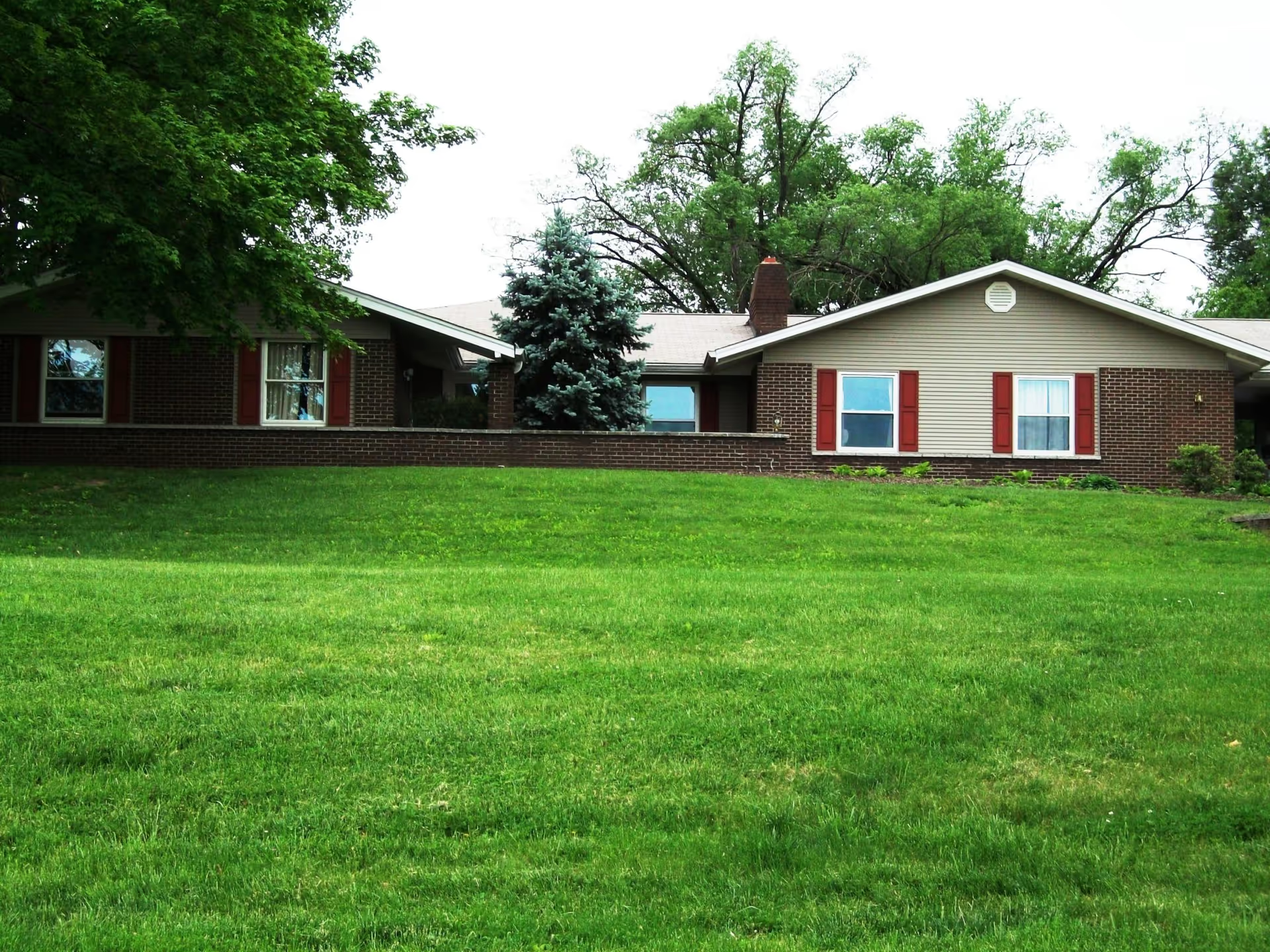
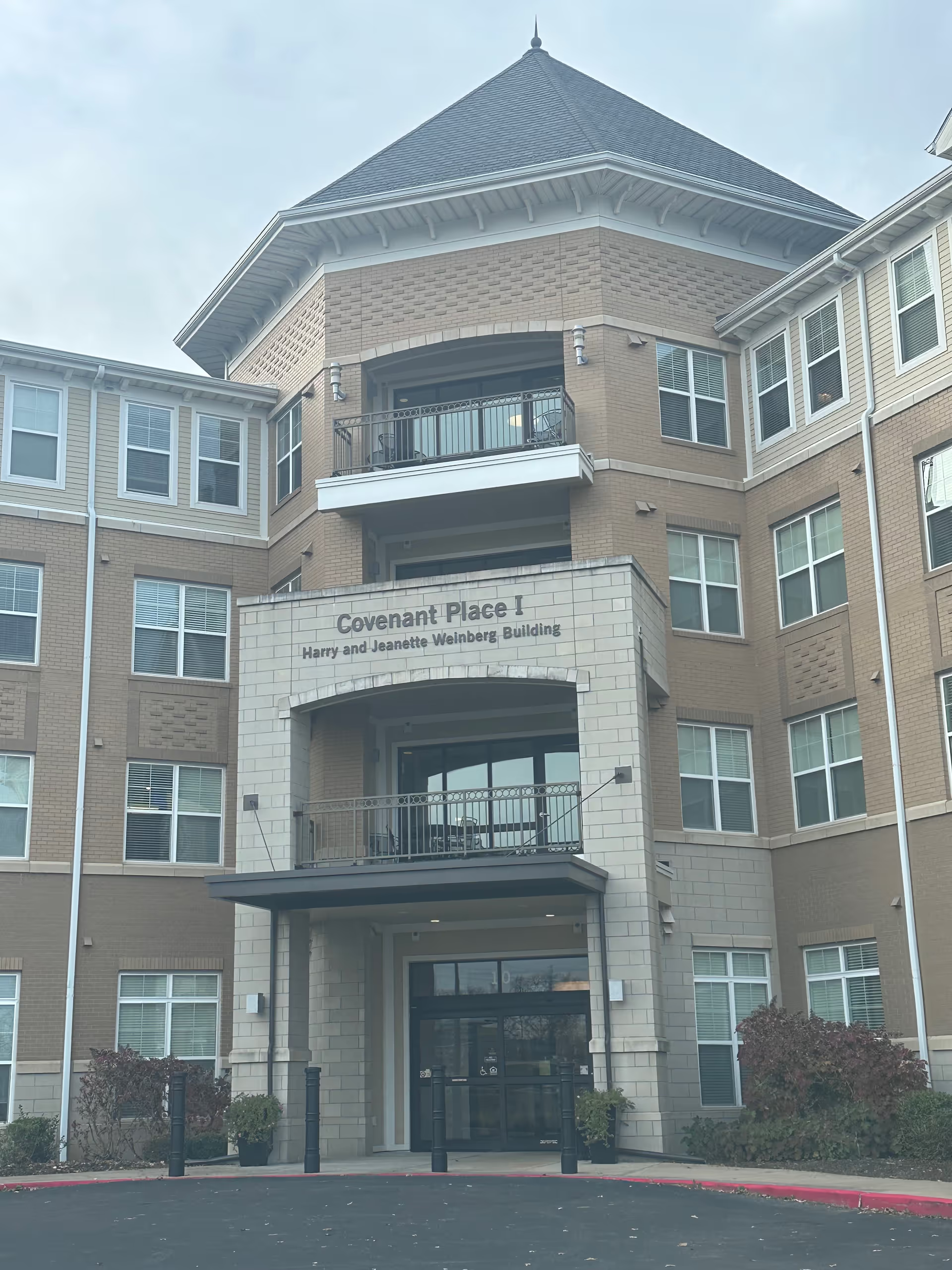
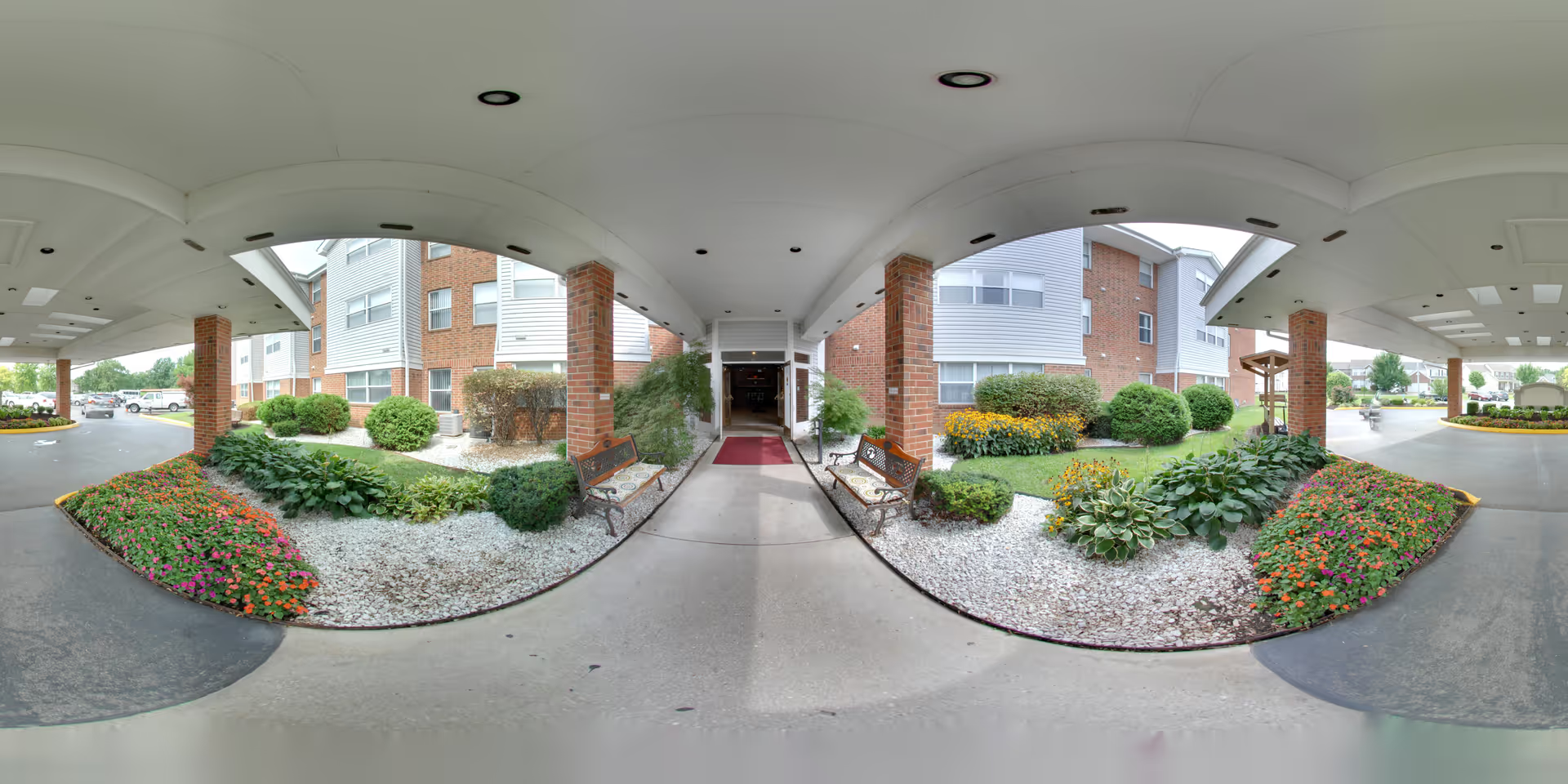
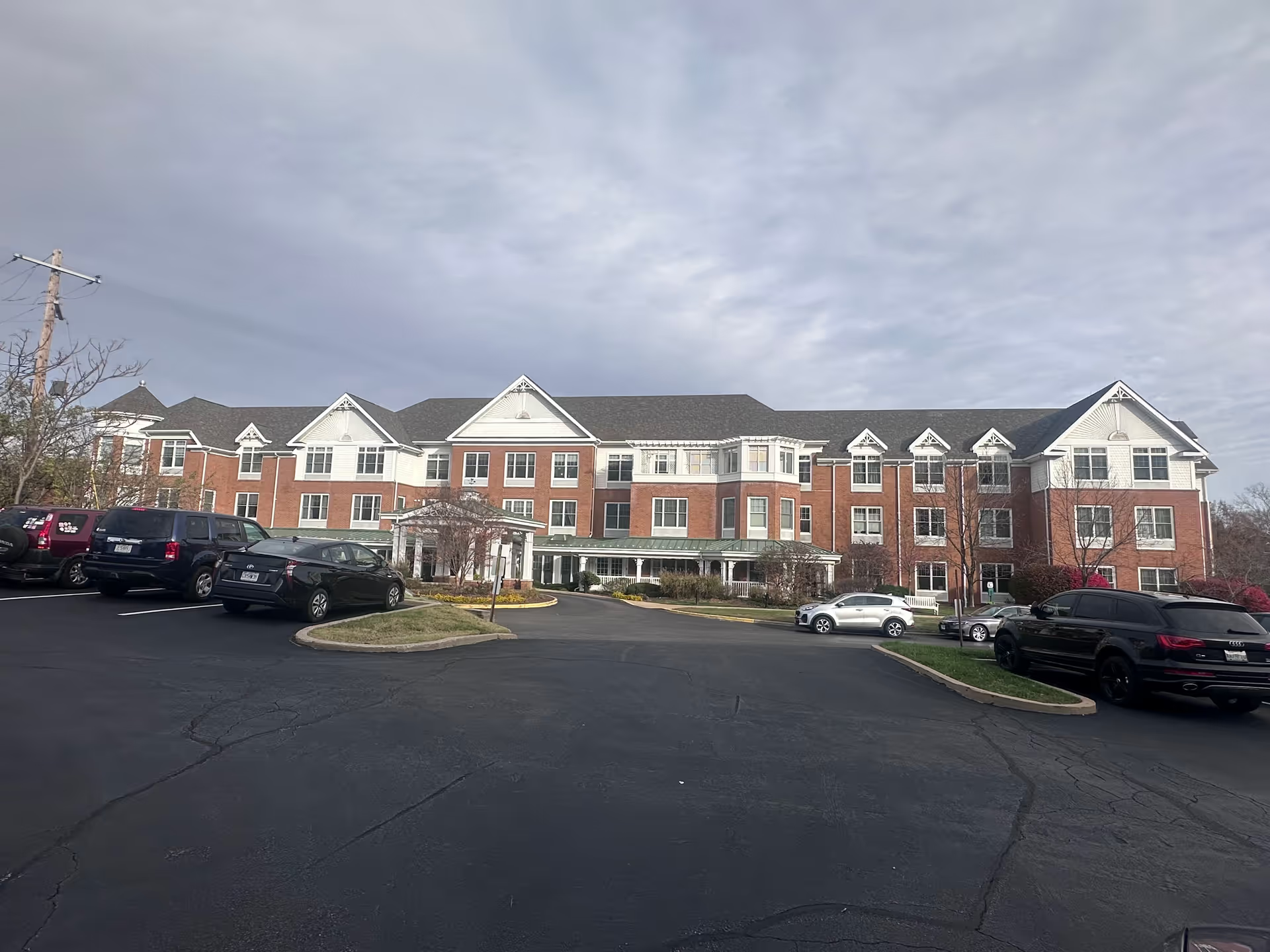
The physical plant is an older building with both strengths and limitations. Some reviewers find the facility well maintained in areas, while others note dated furnishings, bedding, and a somewhat institutional feel in parts of the building. Room configurations include semi‑private or Jack‑and‑Jill bathroom arrangements that can compromise privacy and complicate incontinence management. Heating/cooling inconsistencies and variable cleanliness in certain areas were also noted.
Taken together, the pattern suggests this facility can be a good fit for residents seeking a small, personal environment with familiar staff and basic, straightforward services. Families considering placement should tour multiple times, inspect private versus semi‑private room and bathroom layouts, ask about evening and overnight staffing levels, review kitchen staffing and meal‑service continuity, verify cleanliness protocols and pest‑control measures, and confirm financial safeguards and the facility's ability to manage increasing care needs. These targeted questions will help determine whether the facility’s operational realities align with a prospective resident’s clinical and quality‑of‑life needs.