Overall impression: Reviews present a mixed picture. Many families and residents praise individual caregivers, therapy teams, and concierge staff, and they describe the facility as clean and comfortable with pleasant common areas. At the same time there are recurring operational concerns that affect clinical reliability, resident comfort, and family confidence.
Care quality and staffing: Nursing and direct-care staff receive frequent positive mention for compassion and responsiveness from particular individuals and shifts; several staff members are repeatedly identified as standout contributors. However, a pattern of understaffing and use of agency staff is associated with delayed responses, inconsistent overnight coverage, and gaps in routine care. Reviewers identify systemic concerns around medication handling and documentation, with examples of missed or late doses and inconsistencies in administration practices. Wound and ostomy care are specific clinical areas flagged for variability in competency and timeliness, and some families reported worsening pressure injuries and care delays that contributed to anxiety about safety.
Rehabilitation and therapy: Therapy services (physical, occupational, speech) are frequently described as effective, goal-driven, and encouraging when staffed and scheduled as intended. Several reviewers credited therapy teams with meaningful functional gains and safe discharges home. That said, other reports indicate limited therapy duration, missed sessions, inconsistent adherence to orders, and occasional scheduling/documentation gaps that reduced perceived value of the program.
Dining and activities: The facility’s activities program and concierge-led engagement draw strong praise; individualized attention, creative programming, and helpful concierge coordination are consistent strengths. Dining feedback is mixed: some families commend coordinated meal planning and dietary accommodations, while others cite cold or unappetizing meals, long gaps between service times, and inconsistent meal delivery temperature. Housekeeping and laundry services are often cited as reliable.
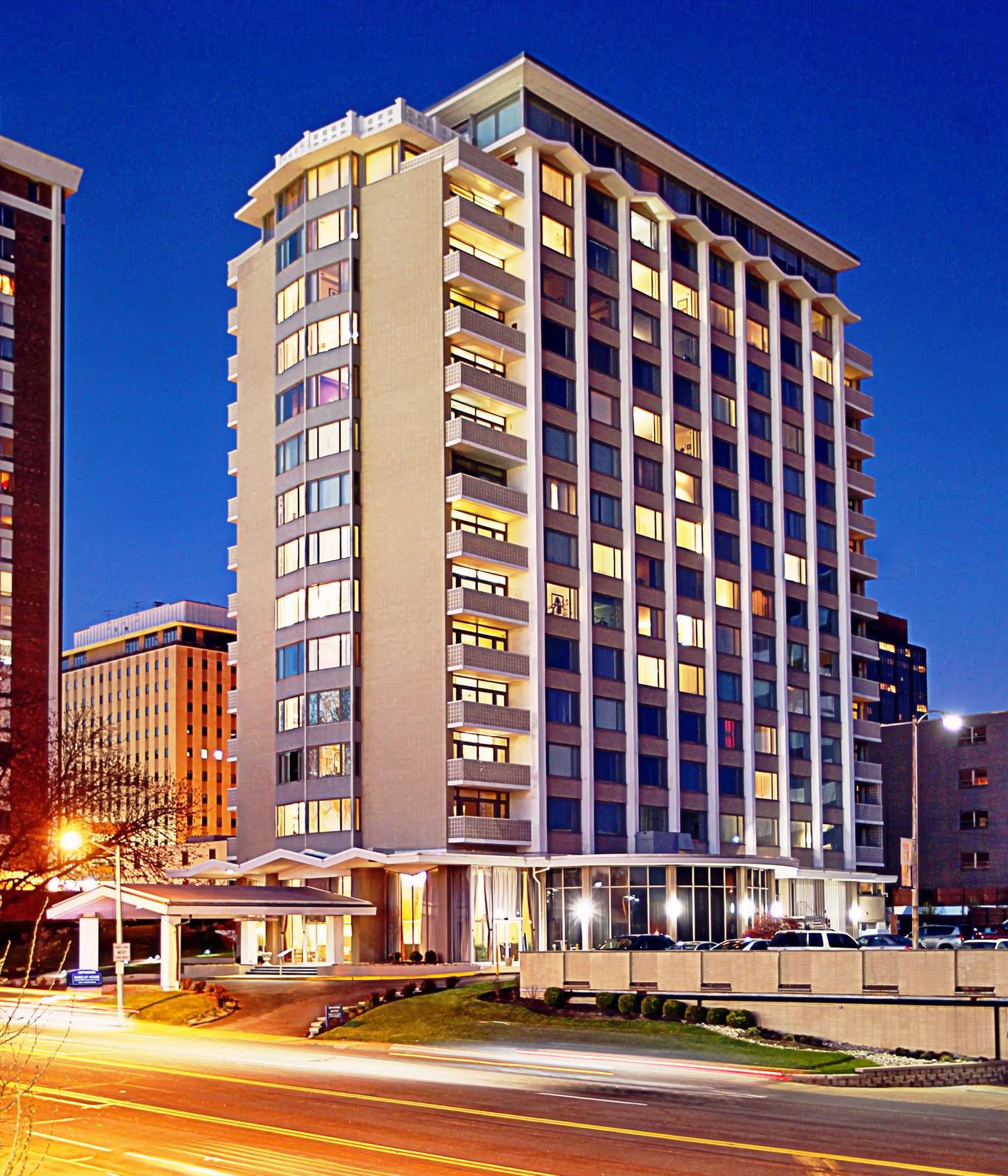
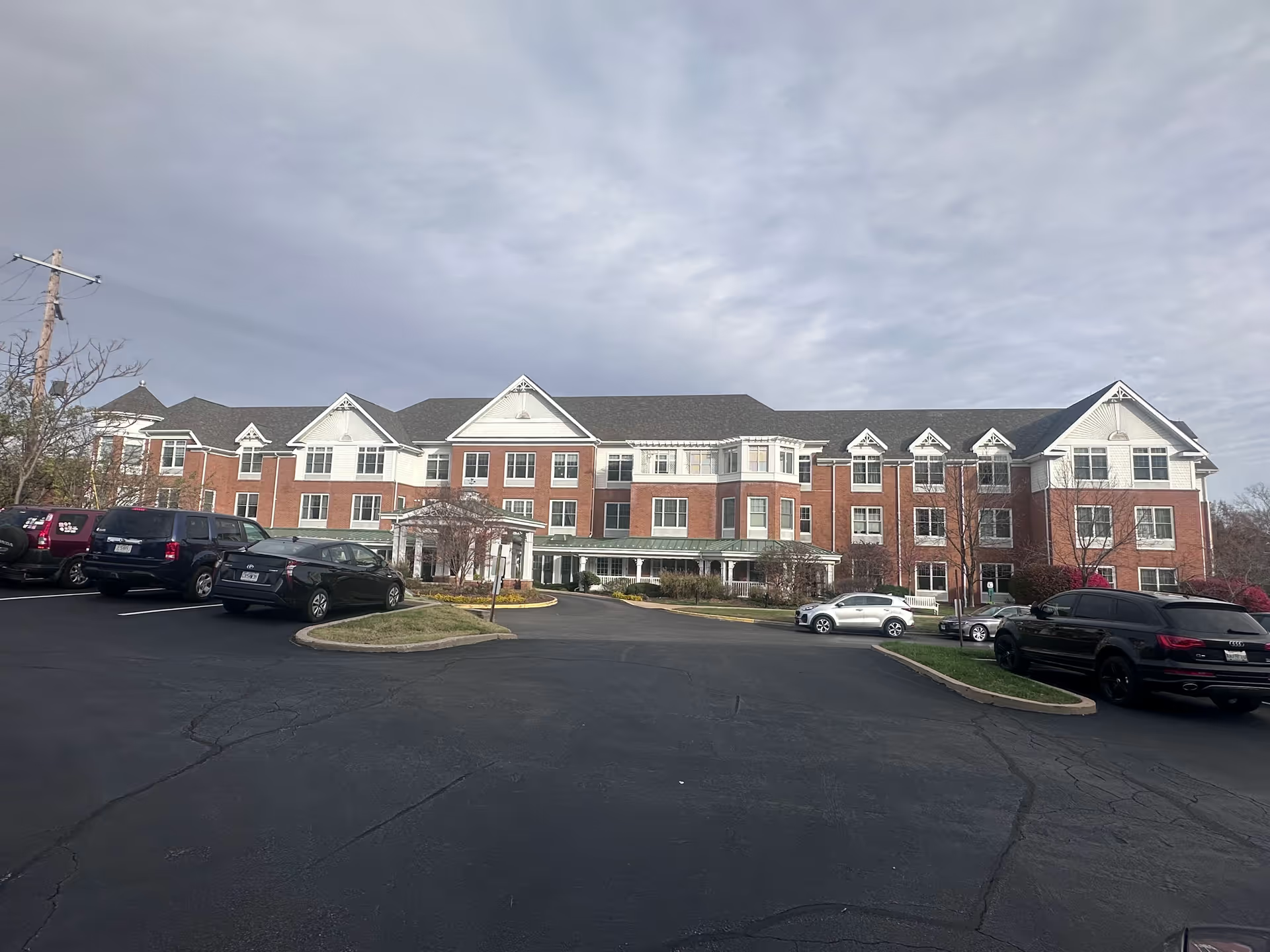
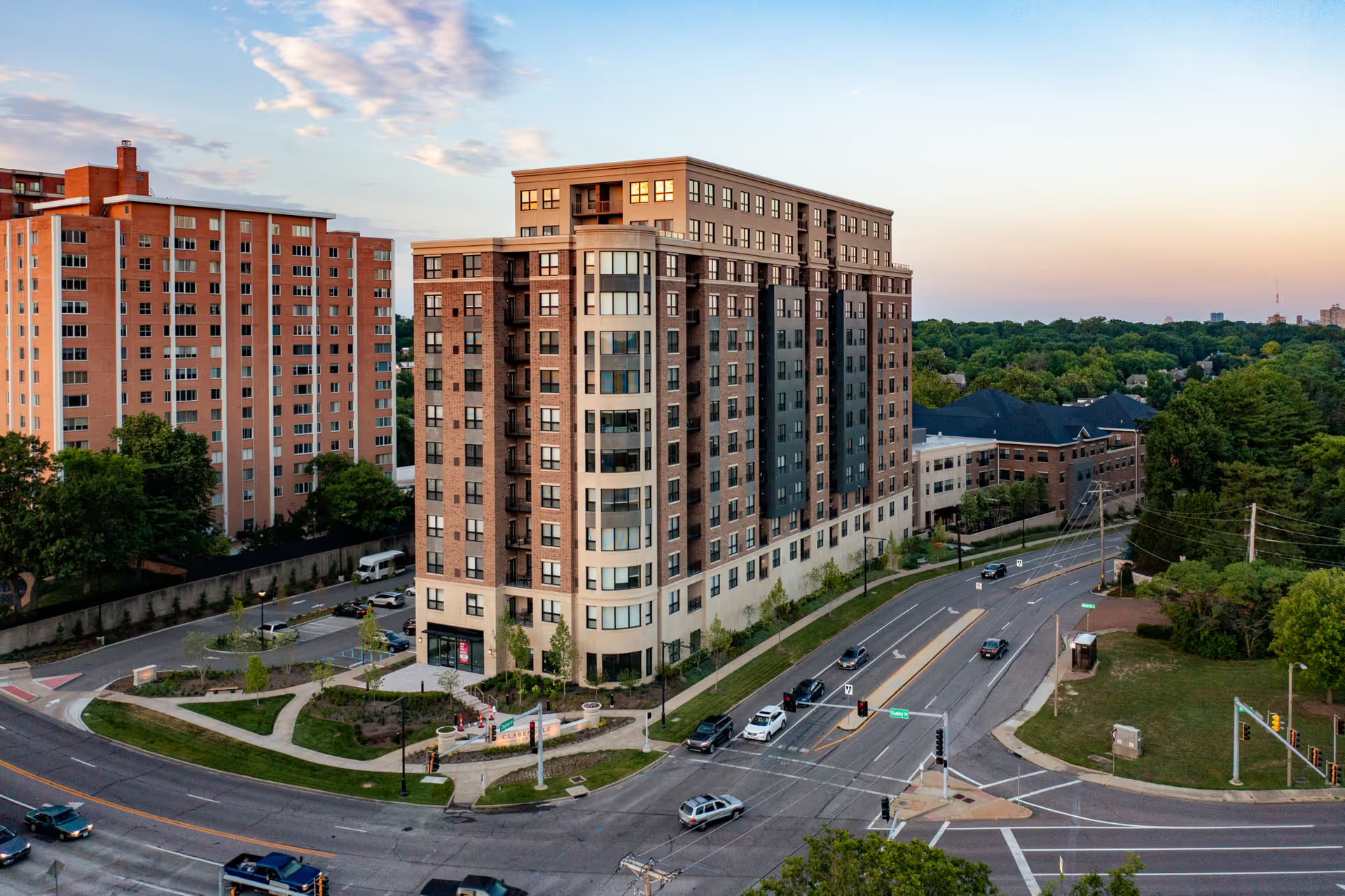
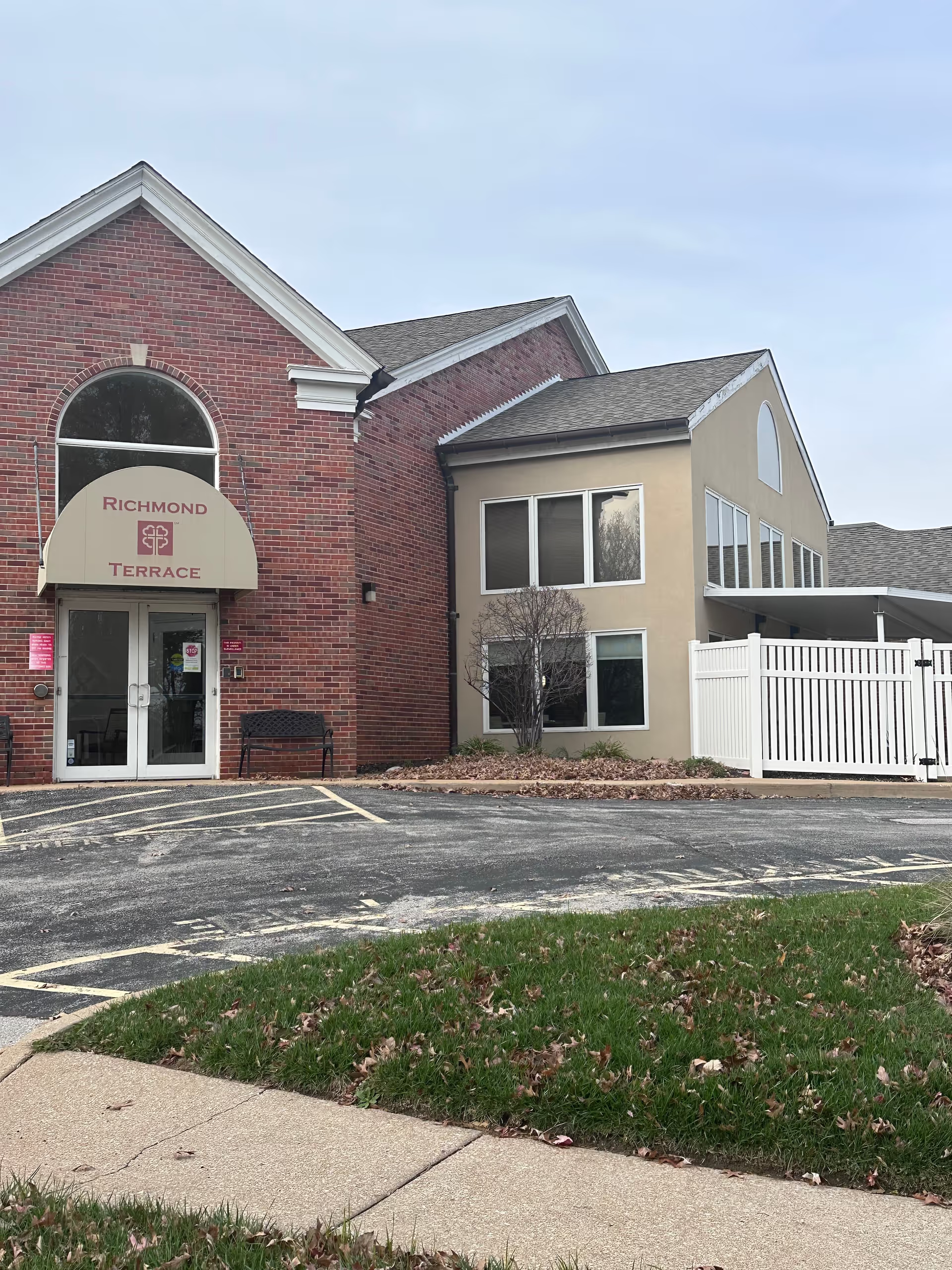
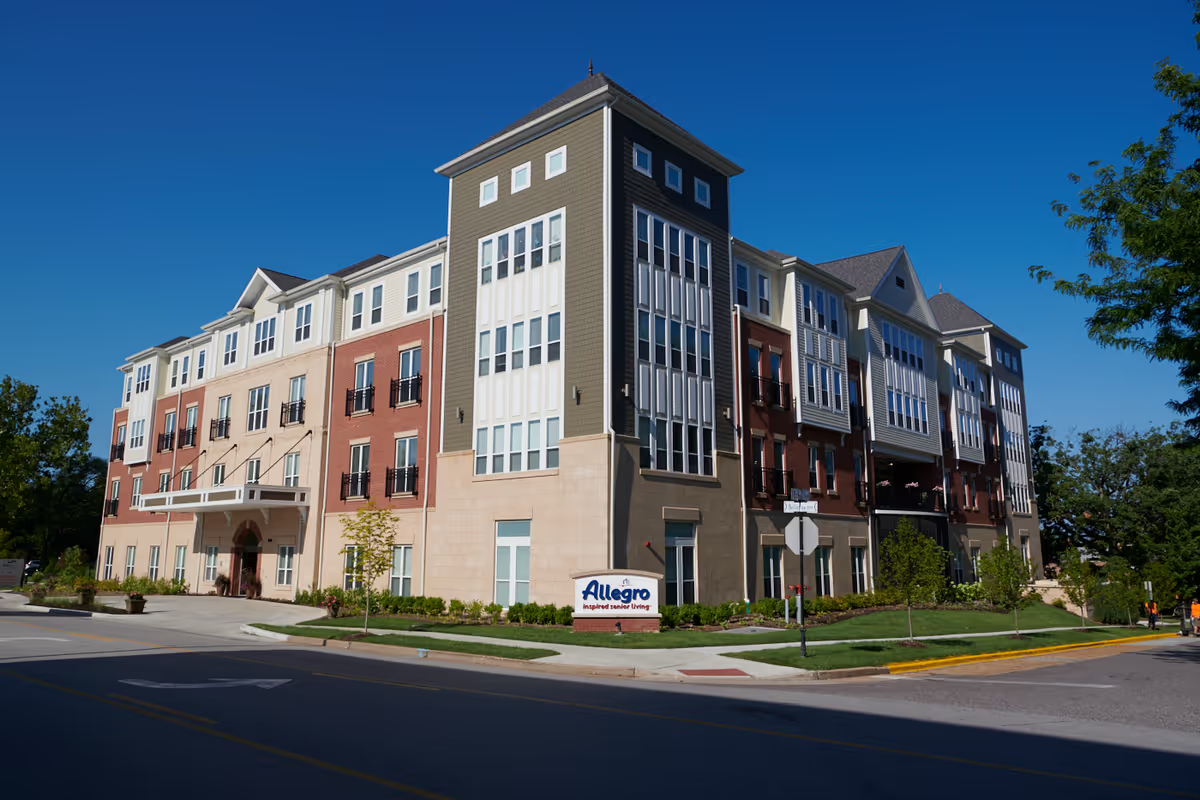
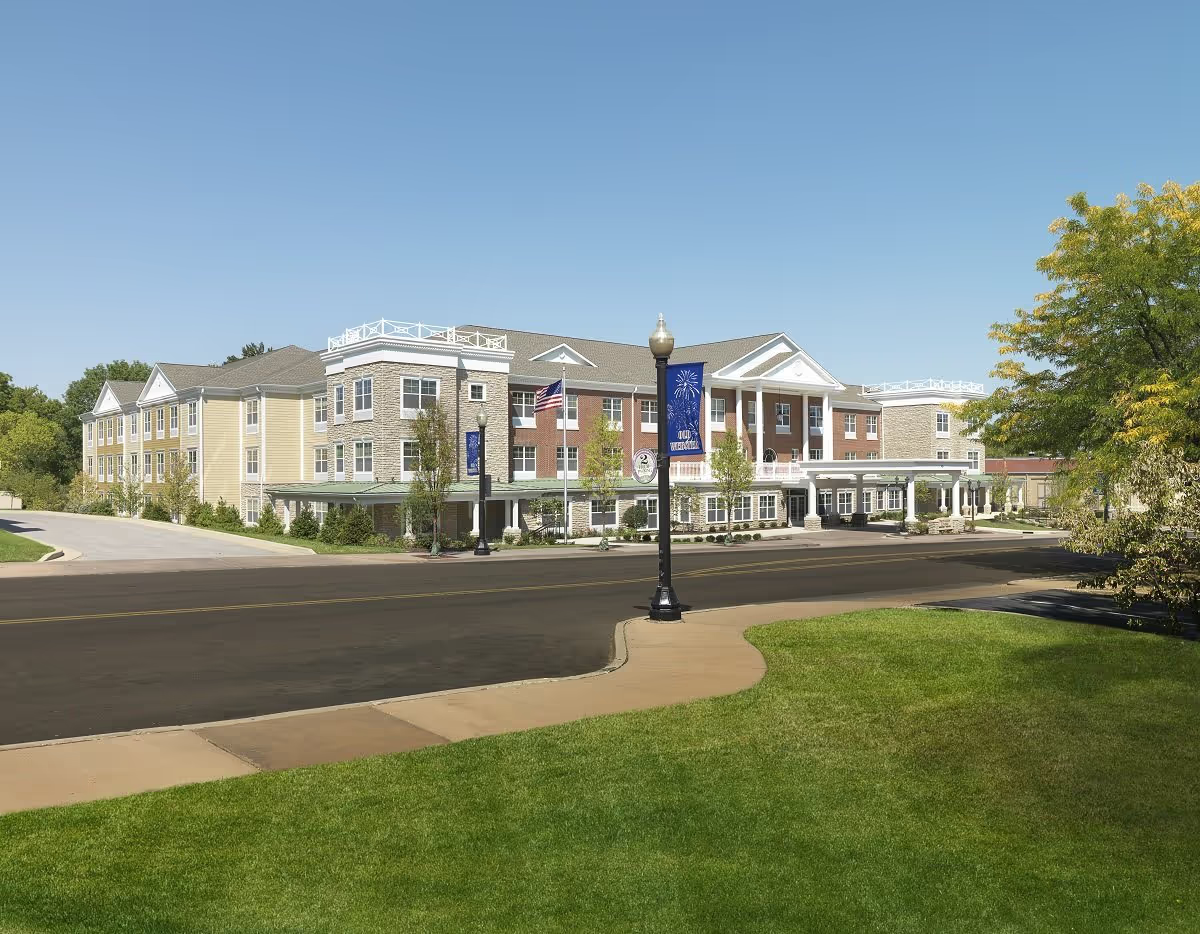
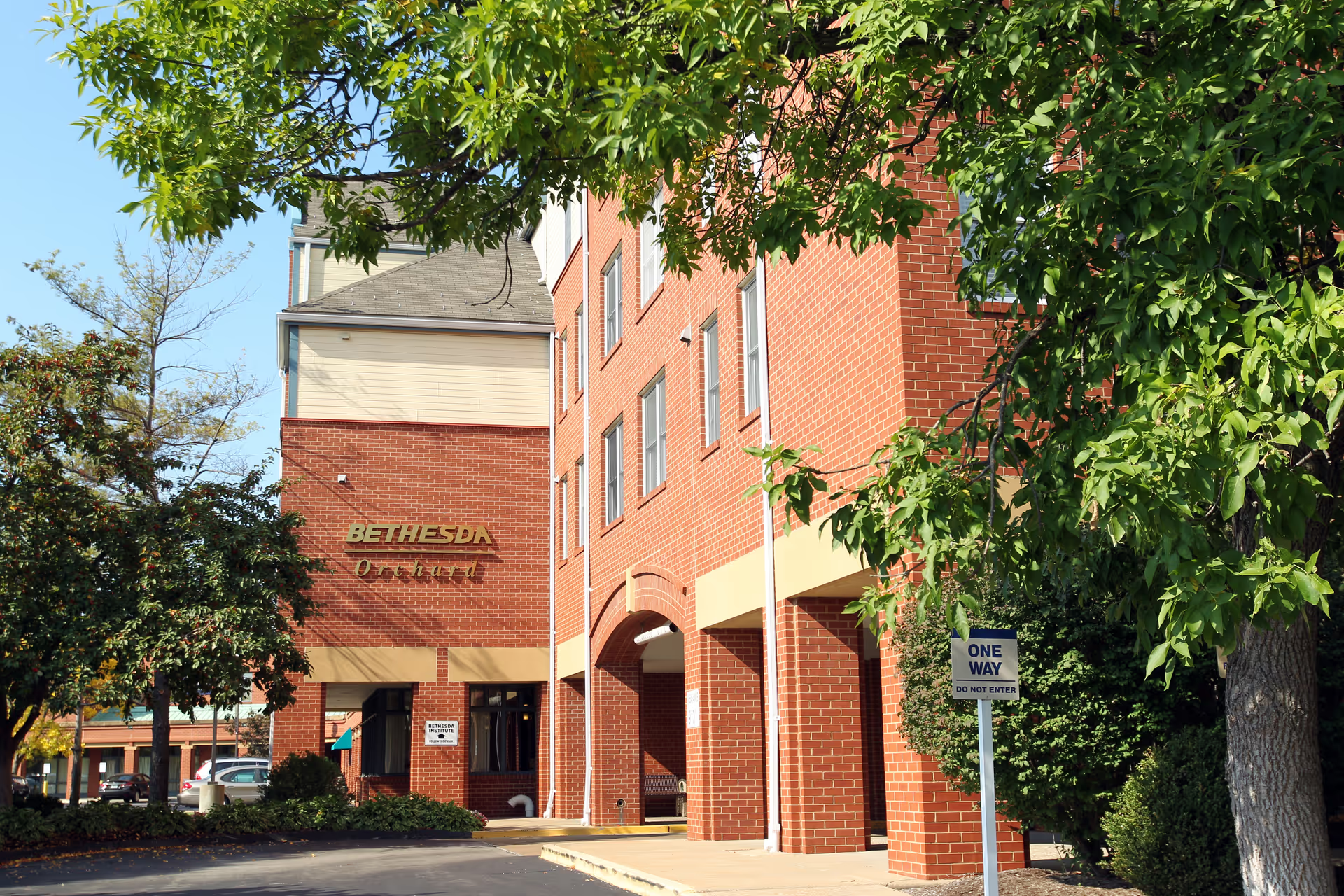
Facilities, privacy, and security: Physical spaces are generally described as clean and hotel-like, with outdoor amenities such as a Japanese garden noted positively. Concerns include semi-private room assignments affecting privacy and noise, aging room furniture in some units, heating/cooling inconsistencies, and weaknesses in visitor sign-in and security processes.
Management, communication, and administration: Administrative themes include uneven responsiveness from management and social-work teams, confusing discharge coordination, difficulties with billing and insurance interactions, and perceived pressure around private-pay arrangements. Several families described having to advocate repeatedly to obtain timely clinical interventions, documentation corrections, or coordinated post-discharge services. There are also isolated but serious claims involving medication handling and missing items; these are best investigated directly with facility leadership or regulators as appropriate.
Patterns and recommendations for prospective families: The facility shows clear strengths tied to particular staff members and structured therapy programs, but outcomes appear to depend heavily on staffing levels and shift-to-shift variability. Prospective residents and families should evaluate current staffing ratios, ask for written protocols for medication administration, wound/ostomy care, bathing schedules, and discharge planning, and seek clarity about meal service times and dietary accommodations. Visiting at different times of day and speaking with therapy, nursing leadership, and the concierge can help set expectations about the likely experience for a given admission.