Overall impression: Reviews of Beauvais Rehab and Healthcare Center are mixed, with a strong cluster of positive comments about staff, therapy, and social programming contrasted with a set of serious operational concerns. Many reviewers praised the facility’s administrative leadership, clinical teams, and recreational offerings; however, other reviewers described significant sanitation, staffing, and safety issues. Prospective residents and families will see both notable strengths and areas that warrant close inquiry.
Care and staff: Several reviews emphasize compassionate, attentive nursing and caregiving staff, clinicians who take time with residents, and administrators who engage directly with families. These accounts describe a caring culture, staff pride, and cases where therapy led to meaningful functional recovery. At the same time, there are consistent accounts pointing to inconsistent clinical performance: delays in responsiveness to call lights, concerns about incontinence-care processes, and at least a few accounts of serious clinical outcomes that families found troubling. Staffing reliability and responsiveness emerged as an operational weakness that can affect daily care and family trust.
Therapy and activities: The facility is frequently described as rehab-focused with a well-equipped gym and effective therapists; reviewers cite restored mobility and positive rehab outcomes. The recreational department and social calendar receive strong praise — daily Coffee Talks, holiday events, and active engagement that contribute to a home-like, community feel. These programmatic strengths are a clear asset for residents seeking active short-term or long-term care.
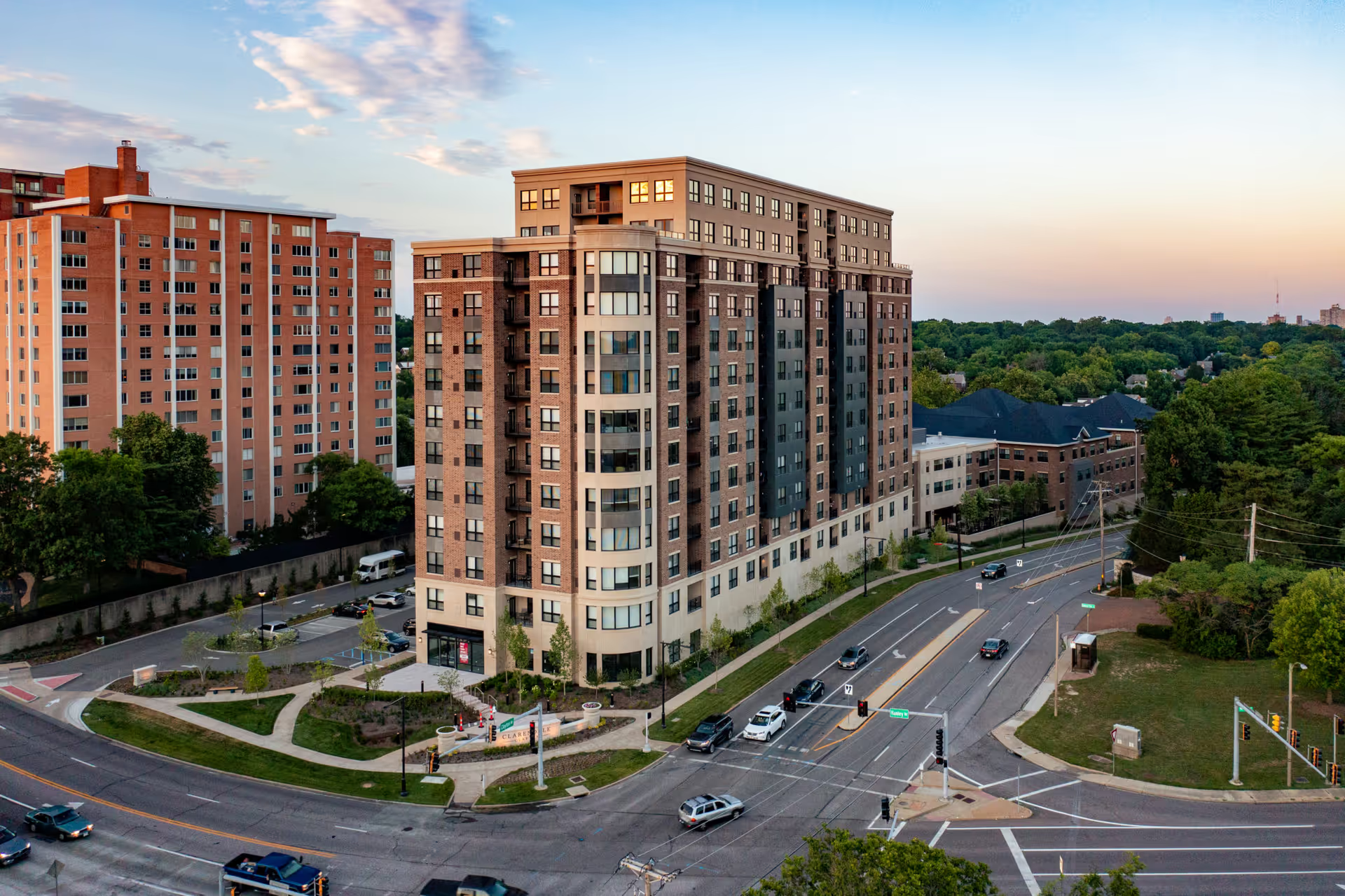
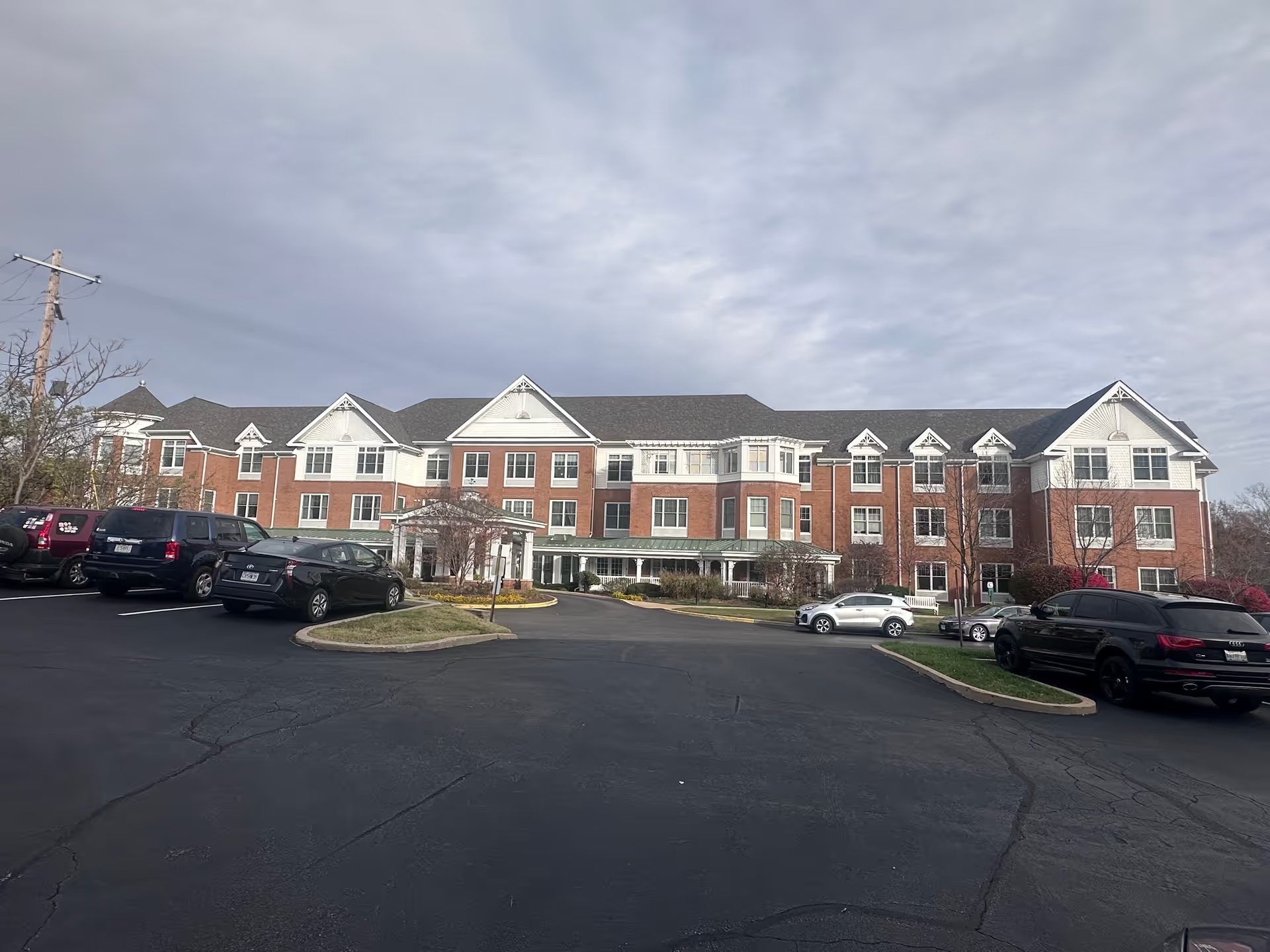
Facilities, dining, and cleanliness: Many reviewers compliment the facility’s appearance, outdoor space, and home-like atmosphere. Conversely, a number of reviews raise sanitation and odor concerns, as well as pest-control issues and variable housekeeping standards. Food-service quality is described inconsistently, ranging from adequate to poor. Several comments also reference improvements in facility maintenance and leadership, suggesting recent or ongoing remediation in some areas.
Management, communication, and safety: Administrative responsiveness and leadership are highlighted as strengths by multiple reviewers, and some families describe strong coordination with physicians and hospice when needed. However, communication and phone-access limitations are recurring themes — families described difficulty reaching staff or getting timely updates. Safety-practice gaps were also cited, including concerns about transfer and fall prevention procedures. A subset of reviewers raised infection-control and end-of-life care concerns; these are serious topics that justify direct discussion with management and review of facility policies.
Notable patterns and recommendation: The pattern in these reviews is one of variability — strong person-centered care and programming reported alongside operational weaknesses that can materially affect resident experience. When evaluating this facility in person, ask targeted questions about staffing ratios and schedules, infection-control protocols, pest-control measures, incontinence-care procedures, recent quality-improvement actions, and family communication practices. Verify therapy goals and typical outcomes for residents with similar needs. A site visit during an activity or mealtime and conversations with current families can help clarify whether the facility’s strengths are consistent and whether cited concerns have been addressed.