Delhaven Manor elicits a strongly mixed set of impressions from families and residents. A substantial number of reviewers praise the frontline staff: nurses, CNAs, and department teams are frequently described as attentive, compassionate, and effective in rehabilitation contexts. Several accounts note measurable clinical improvements (wound healing, weight gain, regained function) and emphasize personalized, family‑oriented care. Dining and activities receive positive comments as well — meals are described as acceptable to good, and the facility offers a range of social and therapeutic activities that residents and families find engaging.
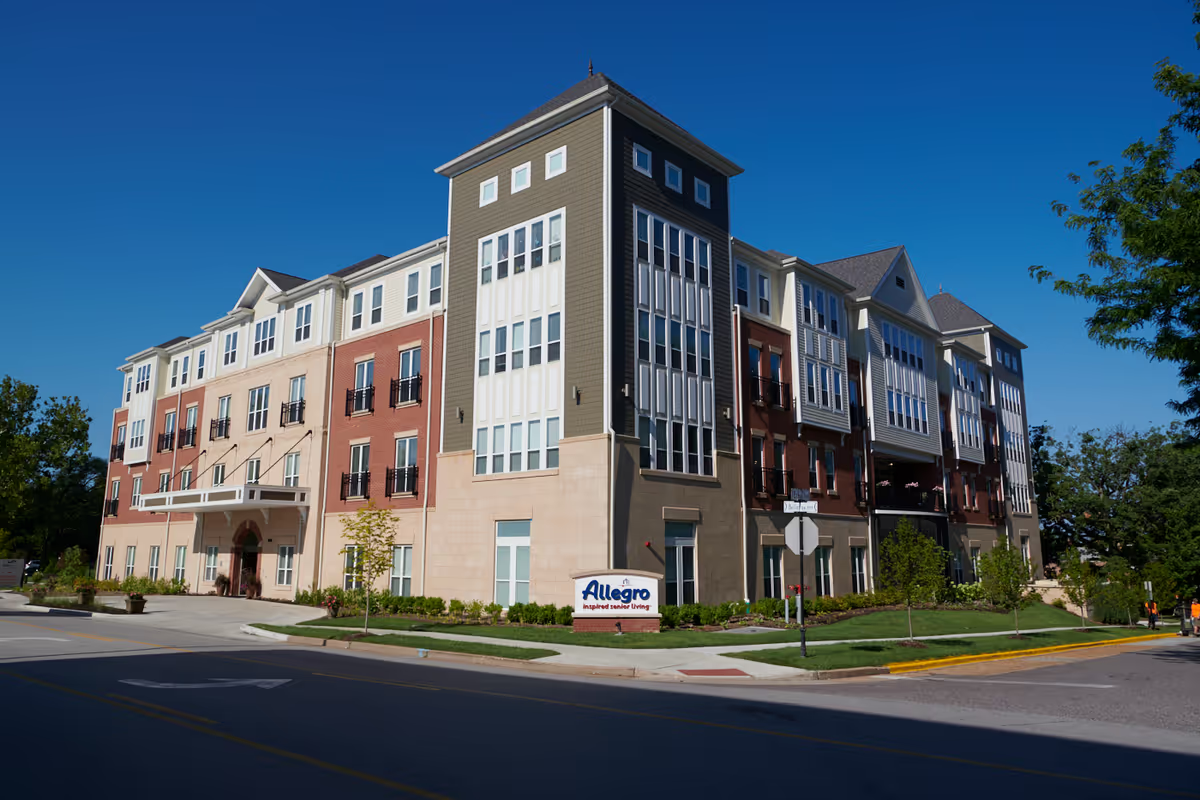
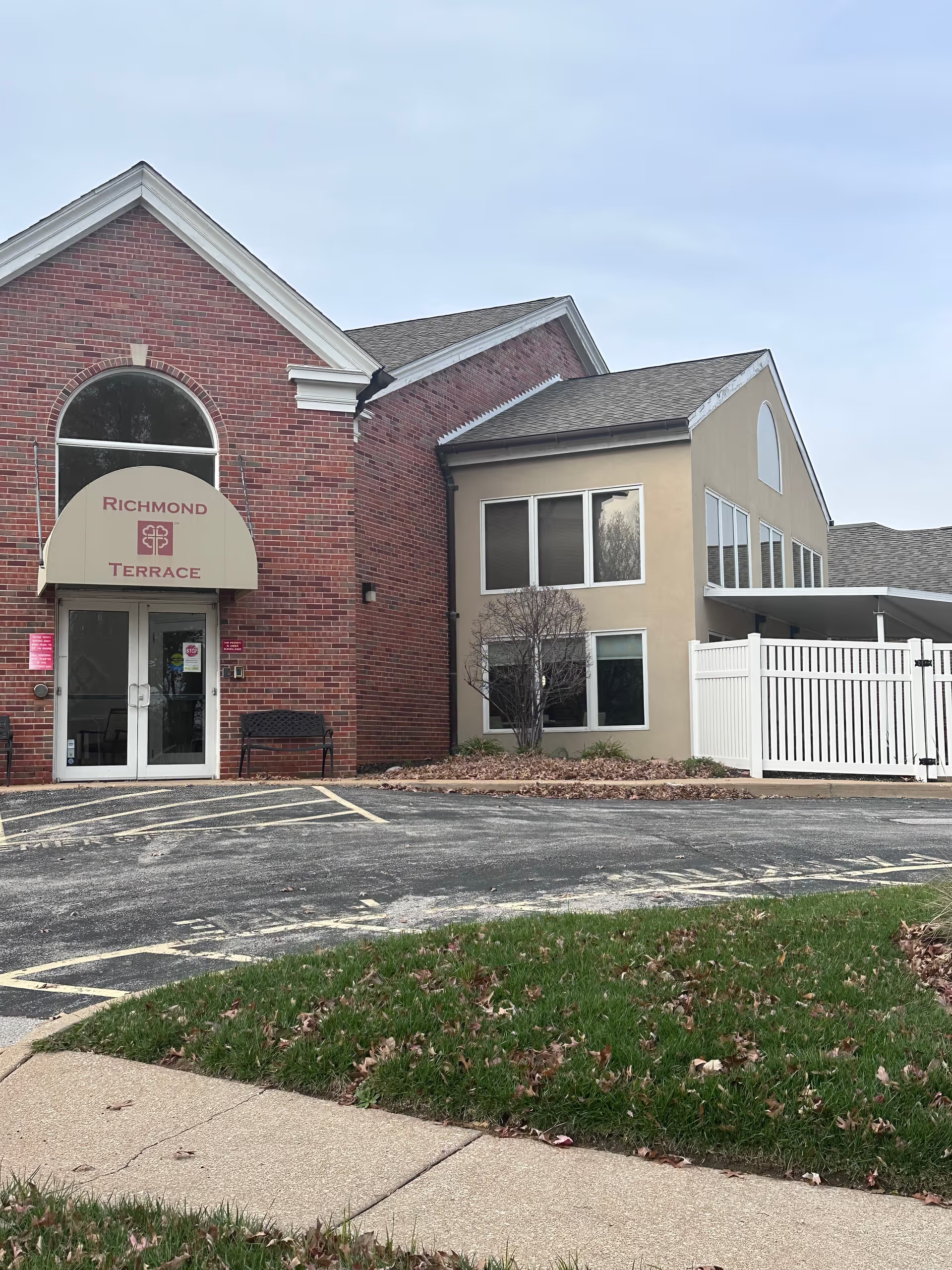
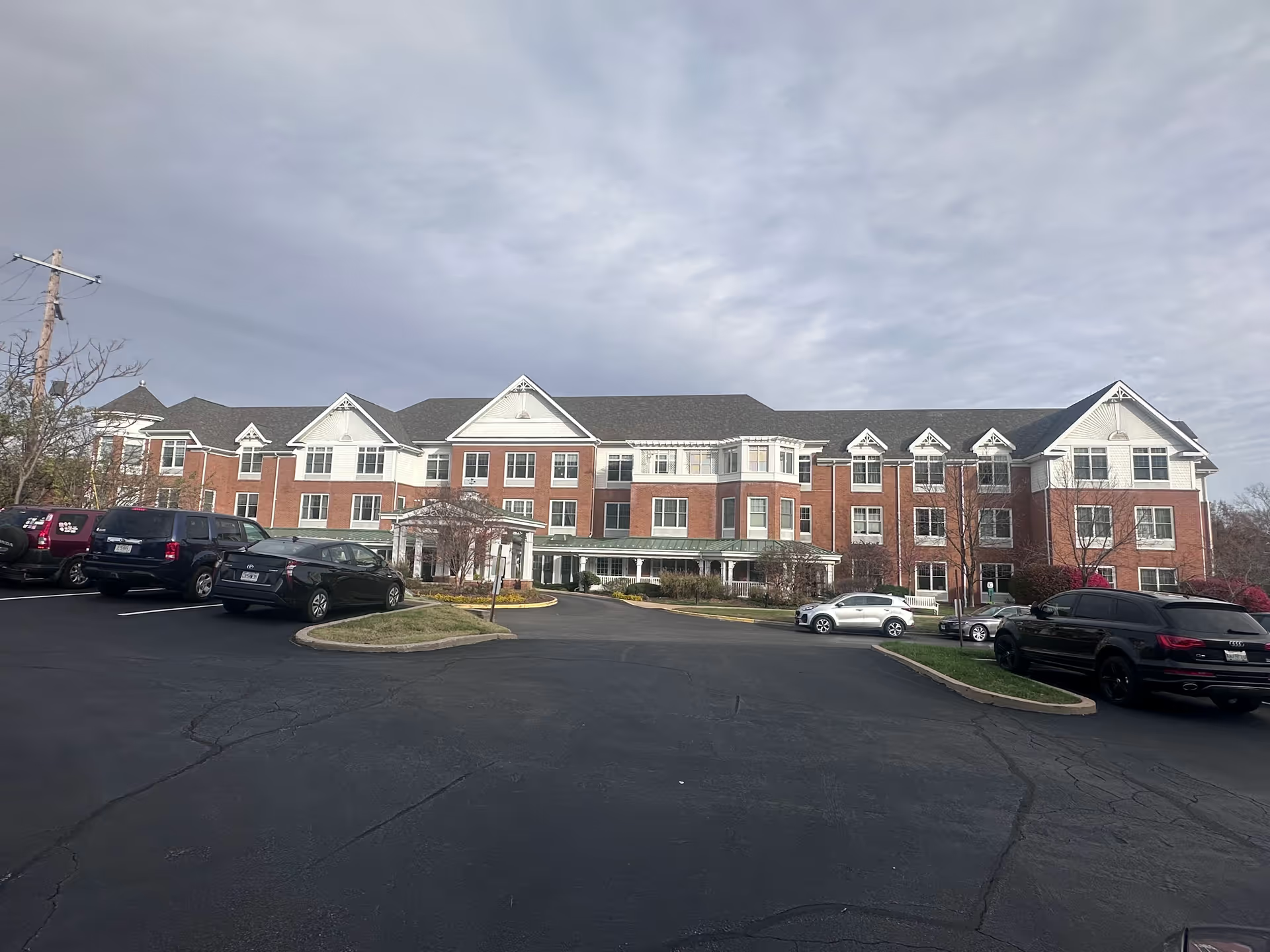
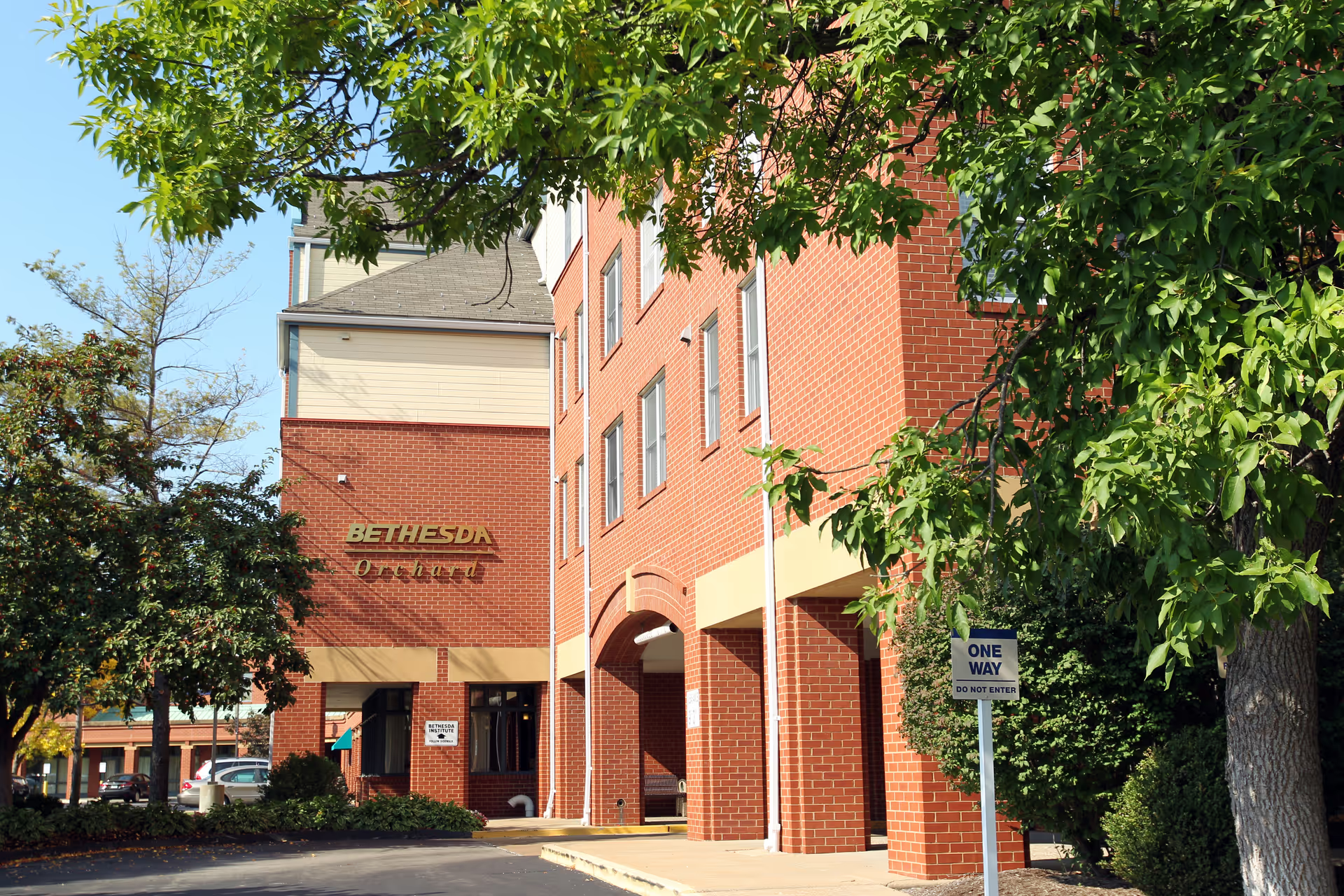
The physical environment shows recent investment: multiple reviewers highlight renovated rooms and common areas, comfortable beds and furnishings, and generally clean, odor‑free spaces on renovated floors. Others confirm good collaboration with external providers and organized department-level teams. New management and recently hired employees are explicitly credited by some as producing timely improvements and more positive day-to-day experiences.
Counterbalancing the positives, a recurring operational pattern underlies many negative accounts. Staffing instability and inconsistent shift coverage are repeatedly connected to delays in attending to resident requests, slow call‑light response times, and interruptions in routine care. Relatedly, reviewers describe gaps in medication-management processes, including delays in pain medication and medication mix-ups, which contribute to family concern about clinical reliability.
Facility-level systems also draw criticism. Some reviewers report sanitation and pest-control concerns in particular units and intermittent hot-water and service reliability problems that affect bathing and hygiene routines. Communication weaknesses are noted both in transitions with hospitals and in family updates, and several comments indicate perceived cost‑driven reductions in resources or prioritization decisions that affect staffing and supplies. A small number of serious administrative issues are raised — including allegations of payroll/timekeeping irregularities and concerns about personal‑property security — which have eroded trust for some families.
Overall pattern: experiences appear polarized. Many families report consistently compassionate care, successful rehab outcomes, and a clean, modern environment on renovated floors; others describe operational lapses tied to staffing, medication management, basic-service reliability, and administrative transparency. Prospective residents and families would benefit from an on-site tour that asks direct questions about current staffing ratios, medication-safety protocols, hot-water/service maintenance plans, pest-control measures, property-security policies, and the facility’s approach to communication and discharge planning. These targeted inquiries can help determine whether recent management changes have addressed the operational weaknesses noted by some families while preserving the clinically strong aspects other families value.