The reviews for Hillside Rehab and Healthcare Center are highly polarized, with distinct clusters of very positive and very negative experiences. Many families and residents praise the facility for strong hands-on caregiving, an effective therapy department, an active recreational program, and individualized attention during transitions and discharges. At the same time, other families cite operational and clinical concerns that materially affected their confidence in the facility.
Care quality shows a mixed picture. Positive accounts highlight compassionate nursing, attentive wound and clinical nursing in some cases, strong hospice involvement, and therapy teams that focus on reconditioning and pain management. Conversely, several families raised serious clinical concerns including delays in medical attention, wound and infection issues, and situations that required frequent family oversight. These opposing patterns suggest variability in how clinical care is delivered across shifts or units.
Staffing and staff conduct are a prominent theme. Many reviewers describe hardworking, nurturing, and personable staff who go beyond expectations; others describe confrontational, inconsistent, or rude interactions. Chronic staffing shortages and uneven coverage were frequently mentioned and appear to contribute to unpredictable service levels and variable resident experiences. Training and consistency in staff behavior are areas that would benefit from attention.
Dining and activities generally receive positive comments. Recreational offerings such as arts and crafts, karaoke, bingo, and group exercise are highlighted as strengths that support resident engagement and a sense of community. Food opinions are mixed: some reviewers praise the dining experience and attentive dietary staff, while others note inconsistent meal quality.
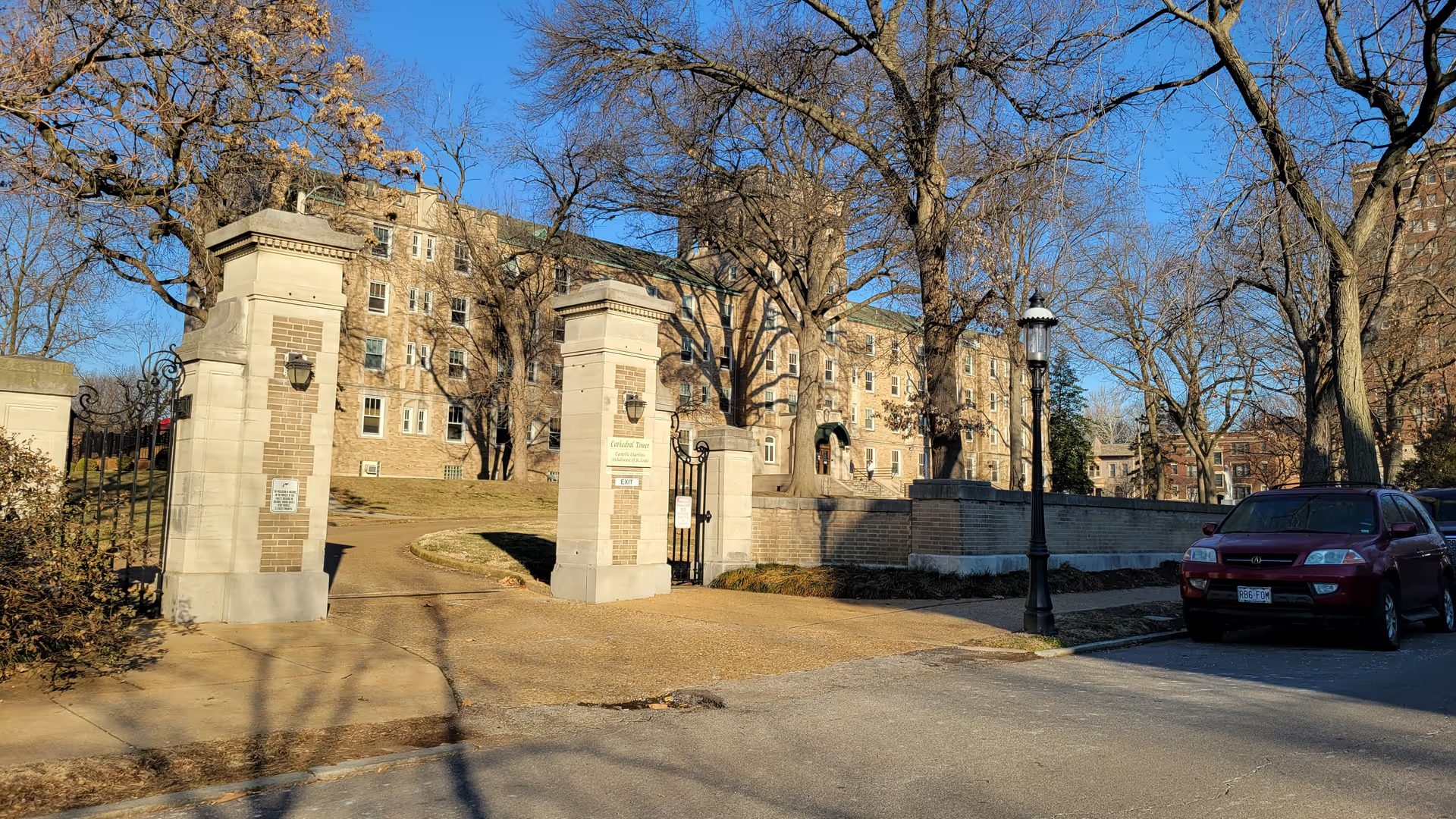
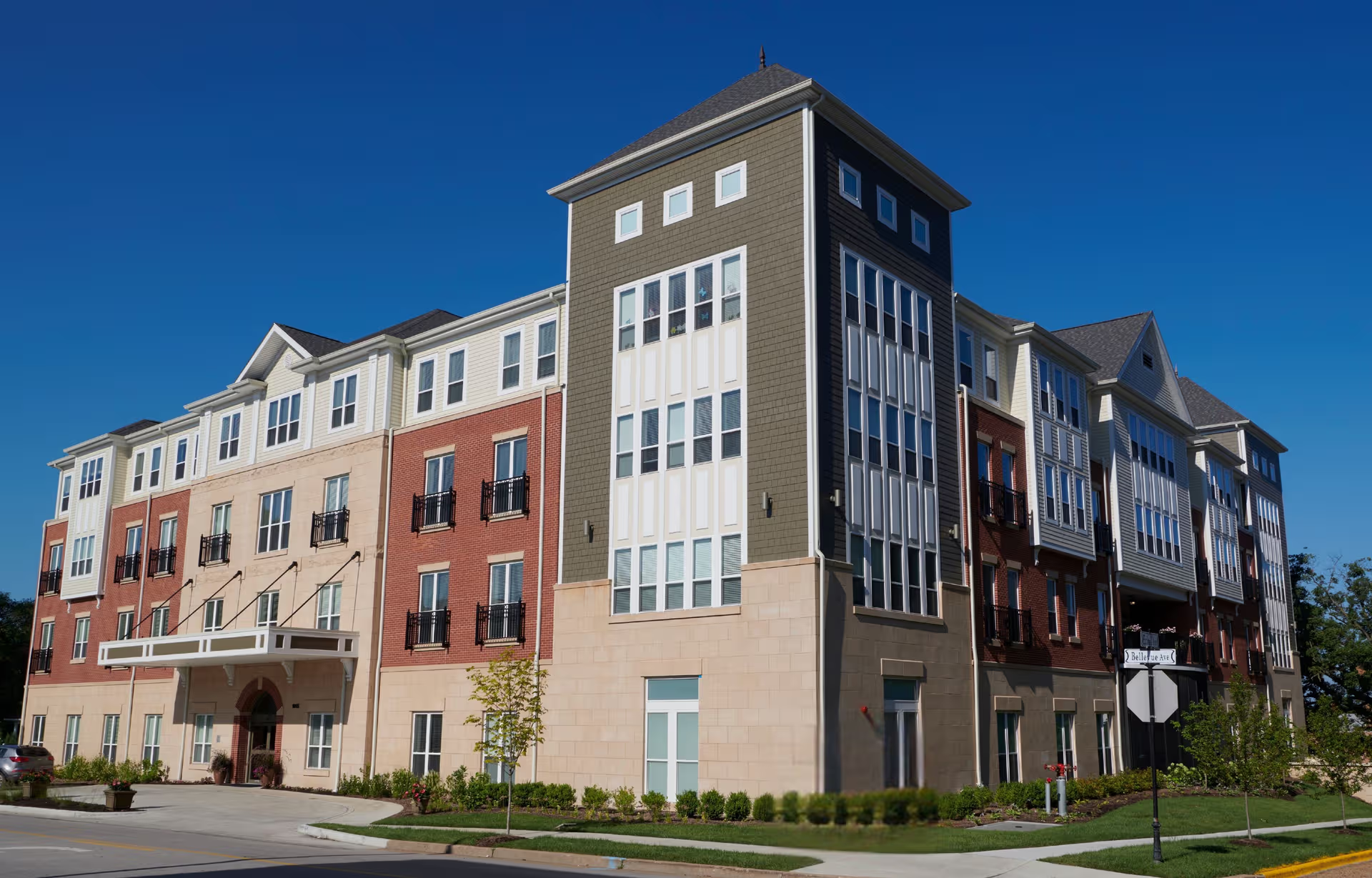
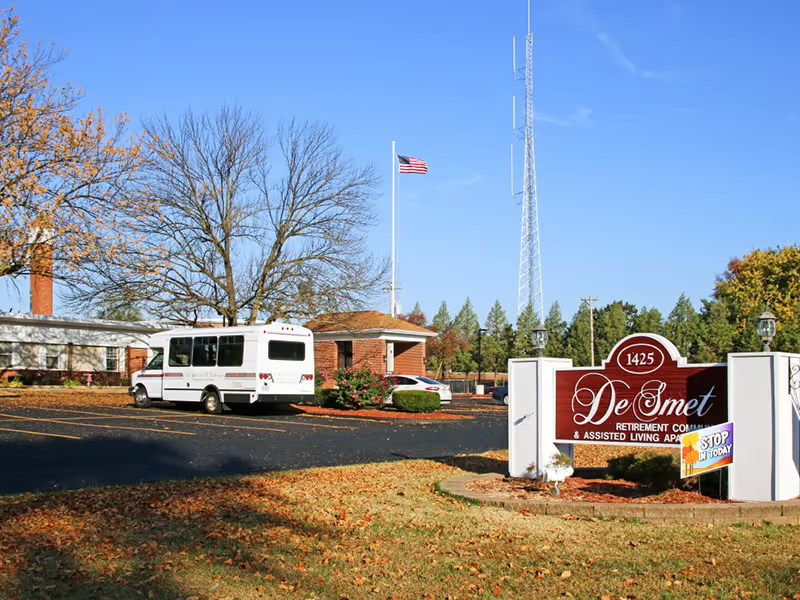
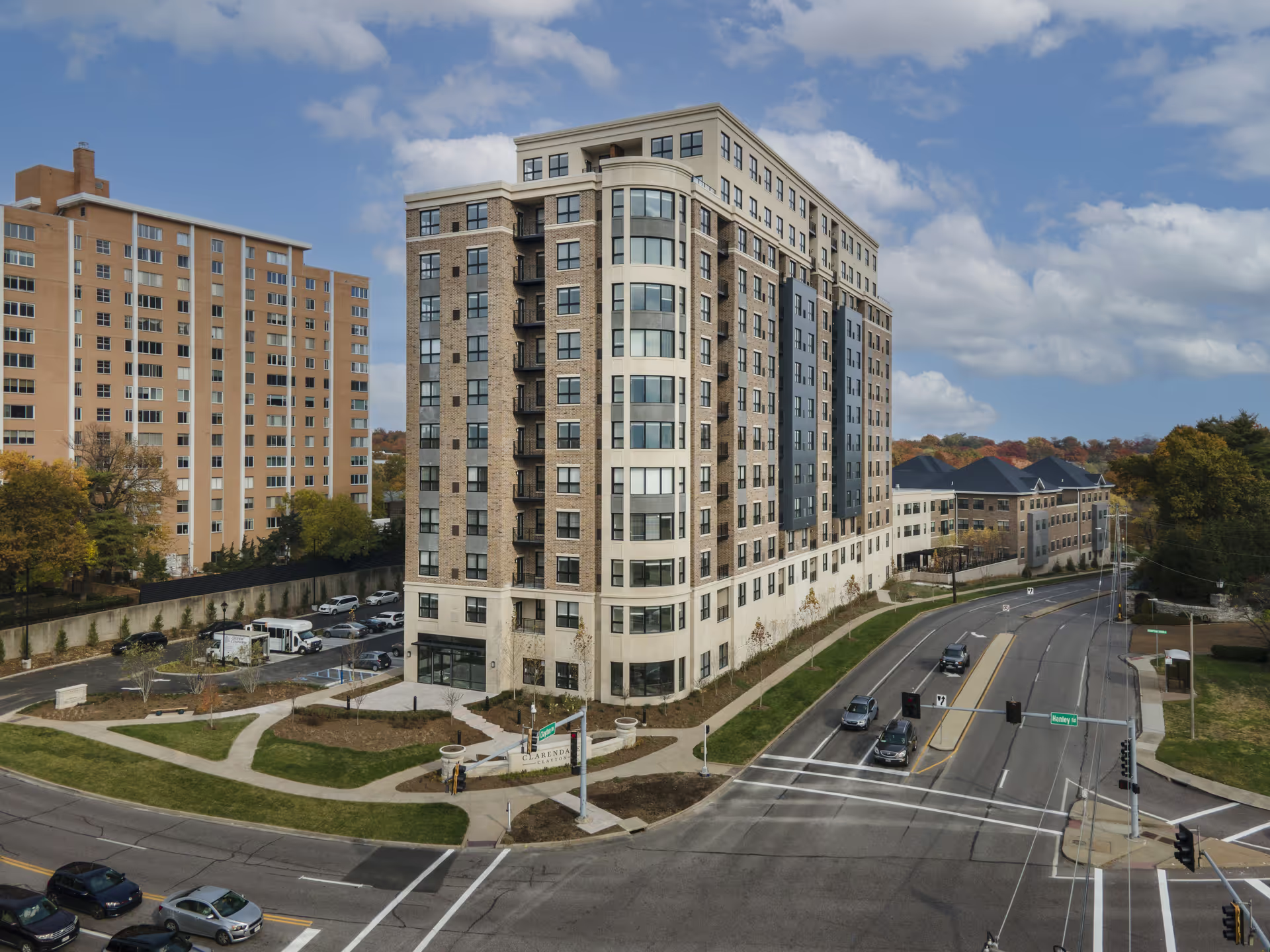
Facility condition and maintenance are another area of divergence. Positive remarks note festive decorations, welcoming common areas, and a secure campus with convenient parking. Negative feedback points to sanitation concerns, odor issues, pest-control concerns, leaking ceilings, loose or missing door hardware, and accessibility barriers. Reviewers also raised concerns about online photos and marketing not reflecting actual room or unit condition.
Management and communication show variability. Several families praised helpful admissions staff and efficient discharge planning, while many others reported unreturned calls, voicemail-only communication, disorganization, and improper admission paperwork. Some reviewers described pressure to increase family involvement or to remove a loved one rather than addressing operational gaps internally. These communication and administrative issues appear to be a key driver of frustration for families.
Notable patterns: the facility appears capable of delivering high-quality, person-centered care under certain conditions and with particular staff, but inconsistent staffing, maintenance, and communication issues create significant variability in resident experience. Prospective residents and families should consider arranging a tour, asking specific questions about staffing ratios, infection-control practices, therapy schedules, documentation processes, and recent maintenance or pest-control actions. Observing a mealtime and an activity session and requesting recent state-inspection results may help clarify whether the facility’s strengths align with the prospective resident’s needs.