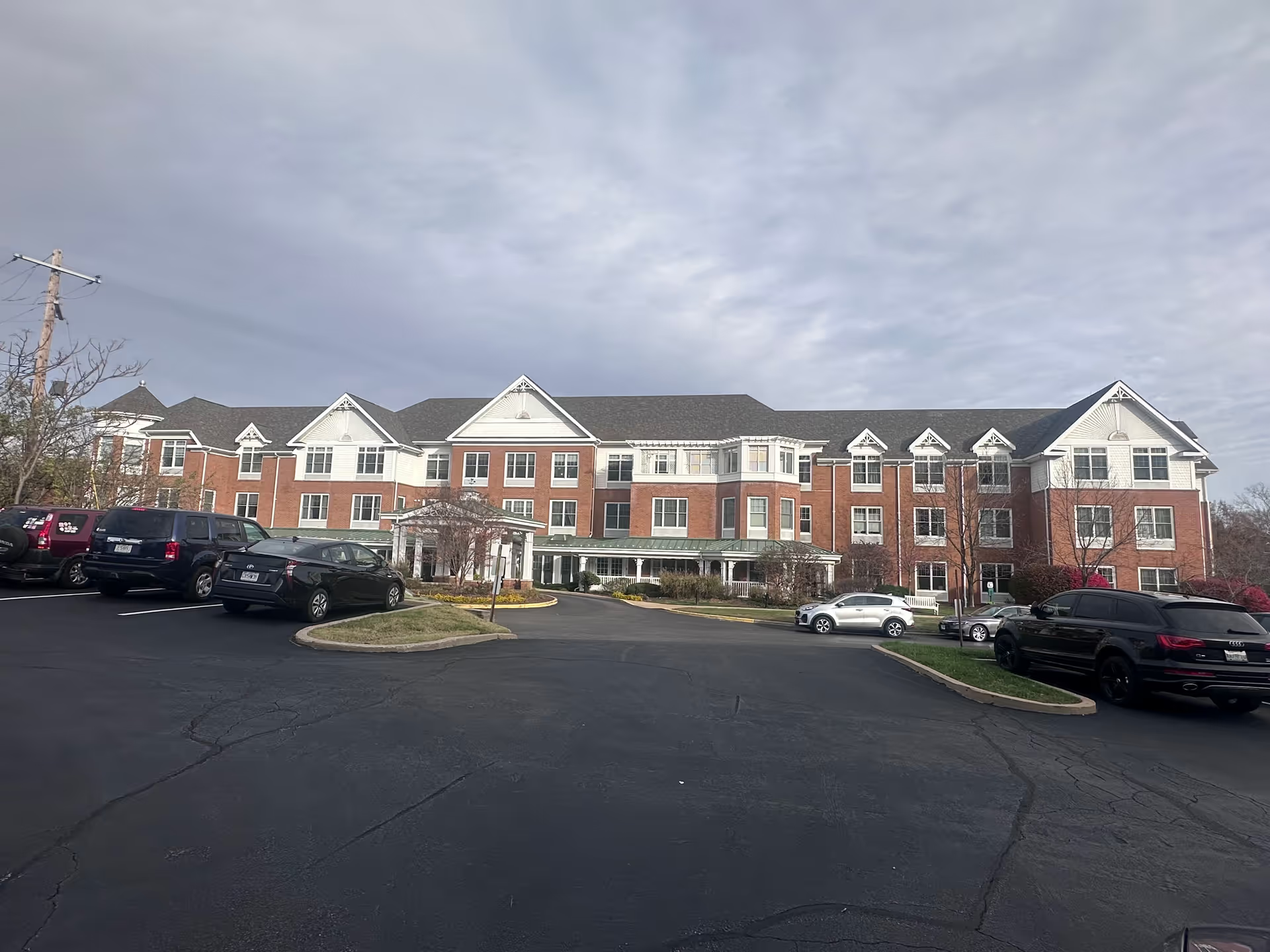
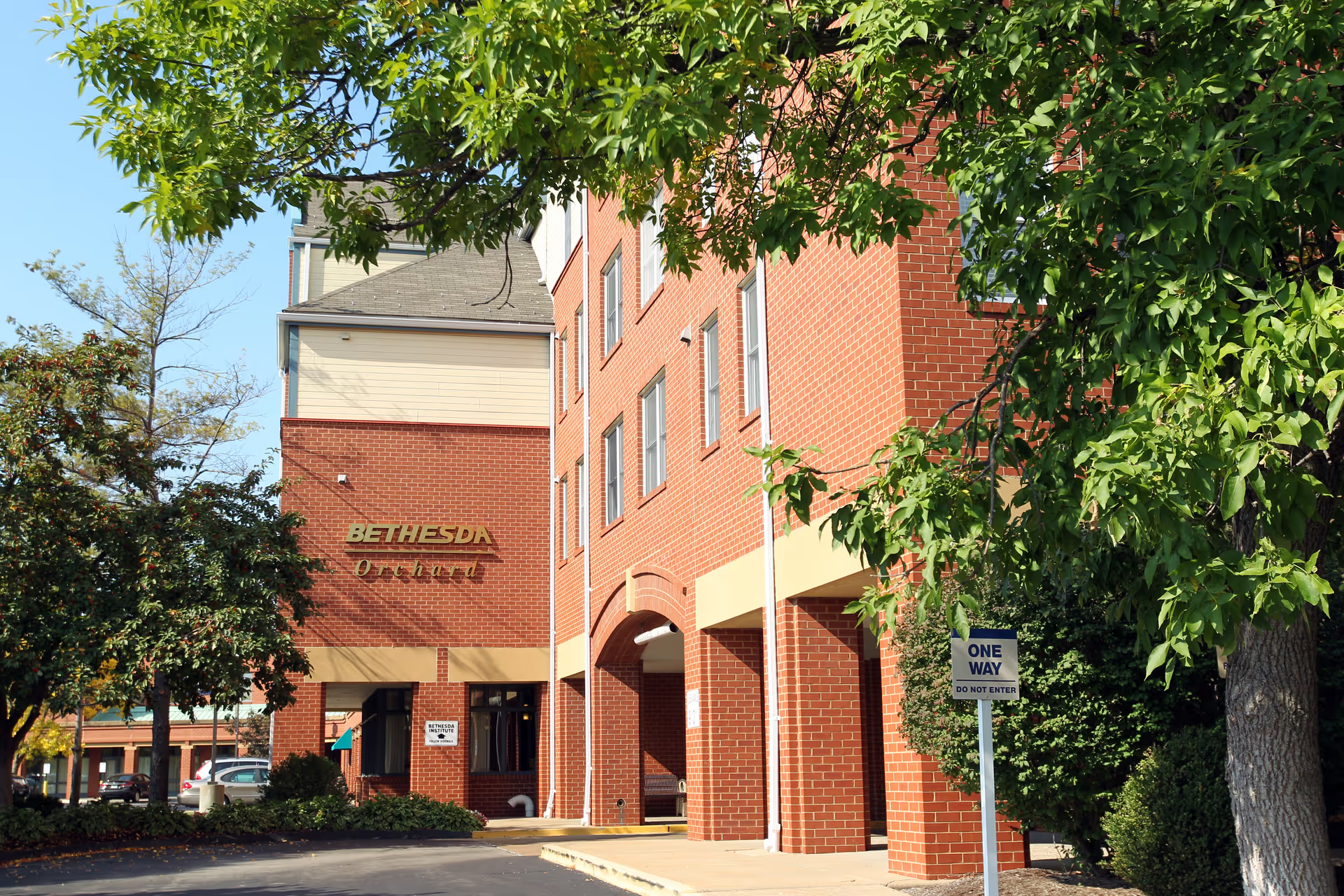
Life Care Center of Saint Louis elicits mixed feedback that clusters into clear areas of strength and recurring operational weaknesses. Many families and former residents praise the therapy department and short-term rehabilitation outcomes; physical and occupational therapy staff are frequently described as effective, proactive, and instrumental in successful discharges home. Frontline caregivers — CNAs and some nurses — are often characterized as compassionate and attentive, and multiple reviewers complimented reception staff, computerized check-in, and the overall cleanliness of common areas and rooms.
At the same time, a pattern of inconsistent staffing and responsiveness emerges across reviews. Delays in answering call lights, slow IV and clinical responses, and insufficient weekend/holiday coverage are cited as recurring problems. These operational gaps are frequently tied to high staff turnover and occasional reports of unprofessional conduct, which contribute to variable bedside communication and an uneven resident experience. Several reviewers also noted gaps in clinical-care continuity, including wound and dialysis management, which in some instances required escalation to higher-level care.
Communication and management practices are another mixed area. Some families commend administrators, social services, and business-office staff for clear updates and periodic care meetings. Conversely, others describe difficulty reaching directors, inconsistent or inaccurate information about discharges, and failures to arrange post-discharge home health services. These communication failures intersect with scheduling inconsistencies for therapy and physician visits, and with discharge-planning gaps that can affect transitions home.
Dining, activities, and ancillary services show variability. Therapy-led activities and social programming receive positive mentions, and several reviewers found meal service satisfactory. However, there are repeated complaints about inconsistent dietary accommodations (for example, diabetic or lactose‑intolerance needs not always met) and variable meal quality. Facility condition feedback is similarly mixed: many reviewers find the environment clean and comfortable, while others report sanitation concerns, localized odor issues, pest-control perceptions, and maintenance shortcomings such as elevator reliability, broken fixtures, and furniture disrepair.
Notable patterns for families to weigh are responsiveness, staffing consistency, and administrative communication. There are isolated but serious claims — including concerns about personal-property loss and clinical outcomes after transitions — that prospective residents and families may want to review more closely with facility leadership and during visits. For individuals prioritizing strong rehabilitation services and engaged therapeutic teams, the facility demonstrates clear strengths. For those for whom consistent nursing responsiveness, reliable dietary accommodations, and predictable administrative communication are critical, documented variability suggests asking specific, targeted questions during tours and care-planning meetings (staffing ratios by shift, call-button response times, dietary accommodation protocols, discharge-planning workflows, and property‑management procedures).