Overall impression Mother of Good Counsel Home is frequently characterized by a clean, orderly physical environment and a faith-centered culture. Families commonly describe compassionate caregiving, strong social connections among residents, and an on-site chapel that supports religious practice. Clinical care and basic nursing support are generally viewed as high quality, and many accounts emphasize personalized touches such as diet adjustments and activities tailored to individual needs.
Care and staff Caregivers are repeatedly described as attentive and warm, with several families noting that residents are treated like family. The presence of religious staff and nuns contributes to the facility’s faith-based atmosphere and is viewed positively by those seeking spiritual continuity. At the same time, reviewers indicate operational challenges: inconsistent staffing levels have been noted and may affect continuity of care, and there are isolated but noteworthy concerns about staff conduct and communication tone. A few accounts describe dissatisfaction with personnel decisions and grievance outcomes, suggesting room for improvement in human-resources practices and family communication around staff actions.
Dining and activities Dining receives mixed feedback. Many families appreciate nutritious meals and the facility’s willingness to adjust diets to individual needs, yet there are also remarks about variability in food quality. The activity program is consistently described as engaging and adaptable; activities are tailored to residents’ abilities and contribute to a positive social environment and overall quality of life.
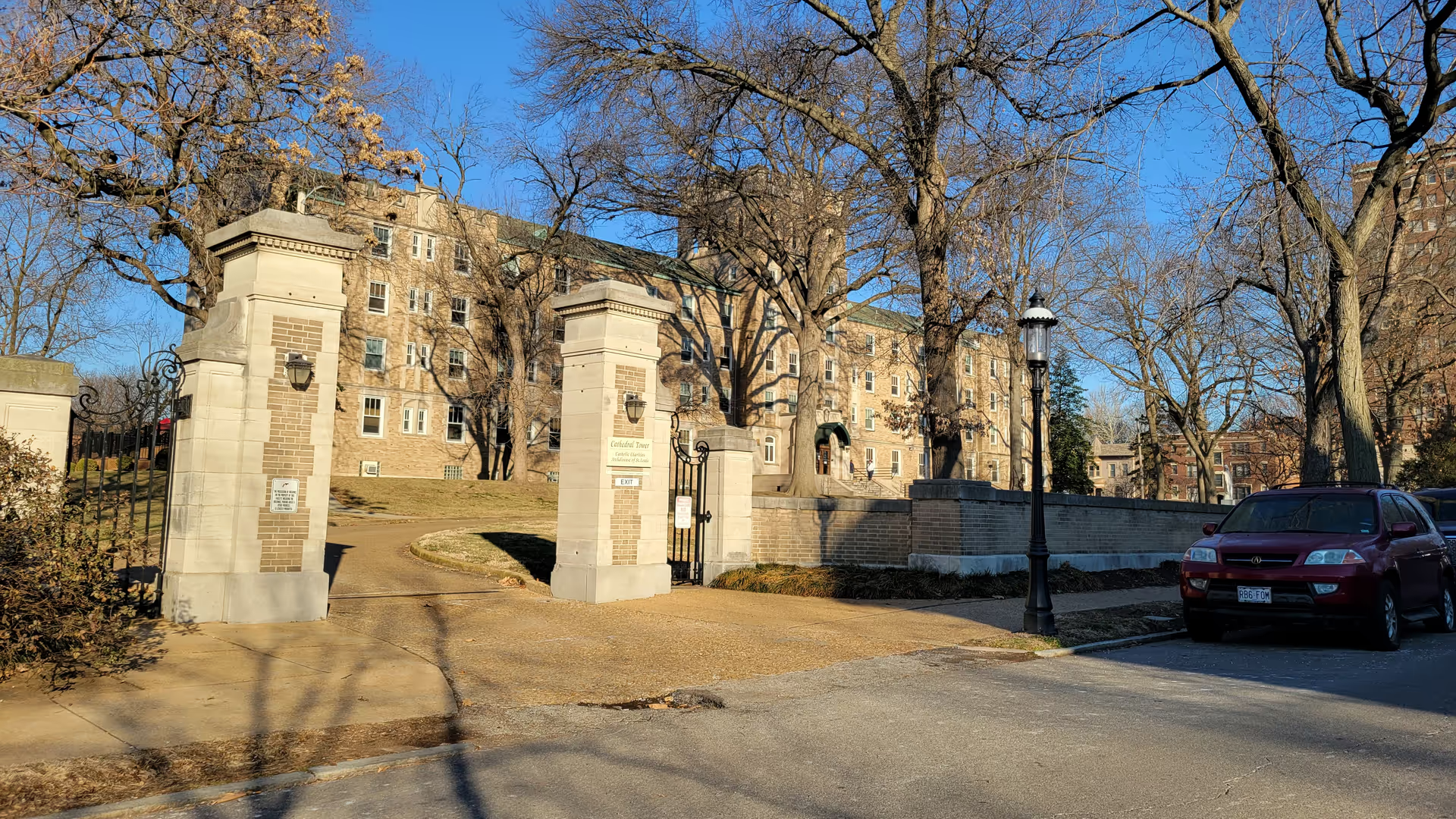
Facilities and location The facility’s physical plant is frequently praised for cleanliness and upkeep; descriptors include spotless common areas and exemplary facilities. The on-site Catholic chapel and faith-focused programming are notable assets. The convenient location is an additional practical benefit cited by families.
Management and notable patterns Management is credited with responsiveness to concerns in several accounts, but other comments point to gaps in grievance-handling and personnel-management processes. Sensory-support services—specifically hearing and vision assistance—are an area of consistent deficiency in the feedback. Taken together, the pattern is one of strong person-centered caregiving and a well-maintained, faith-centered environment, tempered by operational issues around staffing consistency, dining quality variability, sensory-support services, and certain management practices. Prospective residents and families should weigh the facility’s clear strengths in atmosphere and compassionate care against the identified operational areas for improvement and raise those topics during tours and intake meetings.