The reviews portray a facility with meaningful strengths alongside persistent operational weaknesses. Positive accounts emphasize a core of compassionate, hands-on caregivers, a capable rehabilitation team, and an activities program that engages residents. Several families described nursing staff who encourage independence and an admissions process that felt supportive and smooth. In those accounts the building presented as clean, quiet, and reassuring.
Care quality appears inconsistent across shifts and units. While some reviewers praised attentive clinical staff and thoughtful explanations of care, others described delays in medication administration, gaps in documentation, and concerns about post-fall response and supervision. These trends point to variable clinical oversight and uneven staffing coverage, particularly in evenings and off-hours, which can affect timeliness of care and monitoring.
Staffing and conduct are mixed themes. Many reviewers characterize direct-care staff as kind, attentive, and respectful, and some singled out individual nurses for compassionate care. Conversely, there are repeated comments about staff distraction (personal phone use), on-site smoking near entrances, curt or dismissive communication with families, and occasional unprofessional behavior. Leadership instability — short tenures for administrators and directors of nursing — and complaints about scheduling, contract compliance, and personnel practices contribute to perceptions of inconsistency in management.
Dining and daily-living routines show variability. The activities program and social engagement receive favorable mentions, but meal quality and service consistency are uneven: complaints include cold meals, identical meal presentations for all residents, absence of posted menus, and insufficient dining seating at times. These operational lapses affect resident choice and satisfaction with the dining experience.
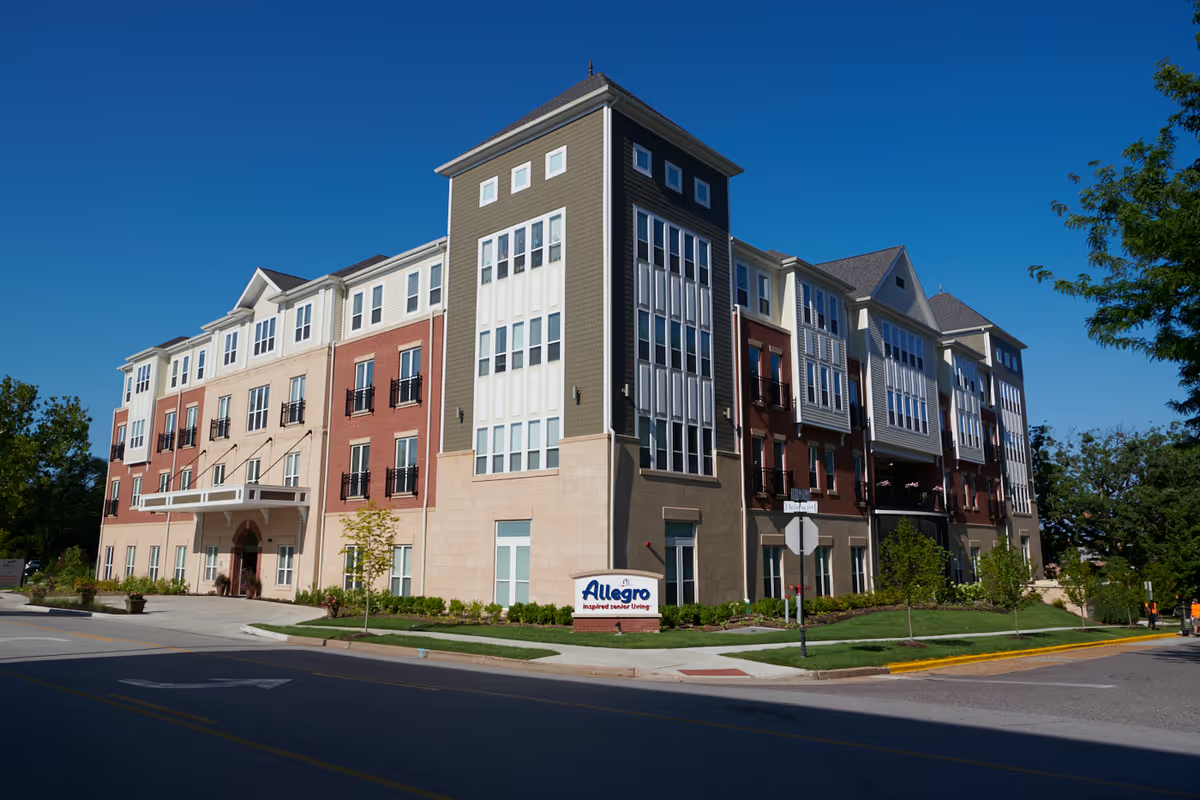
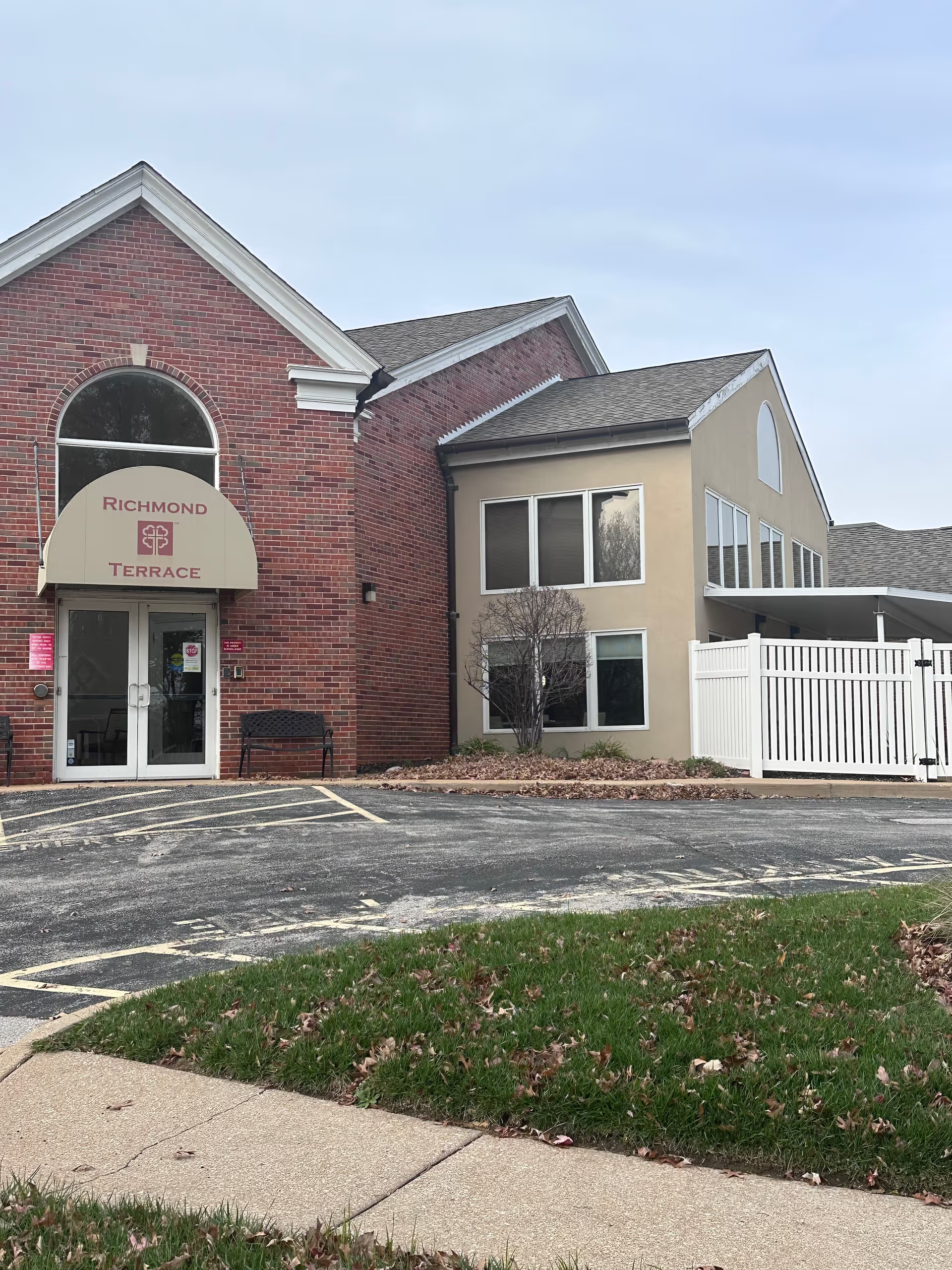
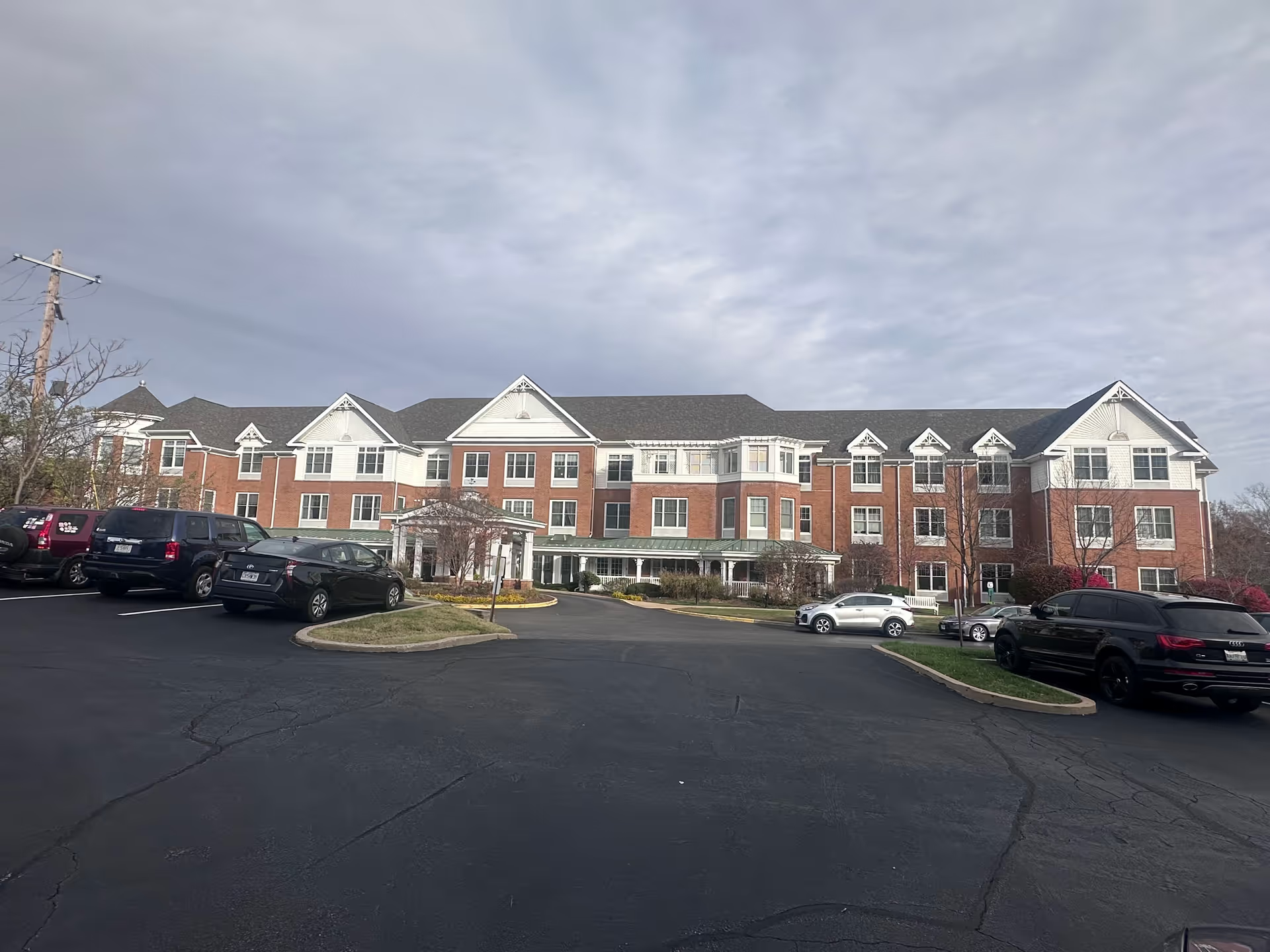
Facility upkeep is described as both adequate and problematic depending on the reviewer. Positive observations note clean floors and a well-kept appearance in parts of the building. Other comments identify sanitation and odor-control concerns in specific areas, maintenance delays (walls/mold, lighting, vending machines, door guards), and smoke seeping into shared spaces. These mixed impressions suggest that environmental standards may vary by unit or shift.
Management and communications are recurring concerns. Families reported difficulties reaching staff by phone, voicemail overloads, and inconsistent responses from admissions or administration. There are also serious allegations about personnel-management practices and possible medication-control weaknesses; these claims warrant careful inquiry by prospective families and regulatory oversight as appropriate.
Overall pattern: experiences range from highly positive to significantly problematic. The facility has clear strengths in staff compassion, therapy services, and activities, but also shows systemic issues in staffing consistency, clinical oversight, communication, dining operations, and maintenance. Prospective residents and families should conduct in-person tours, ask specific questions about staffing ratios by shift, medication administration protocols and documentation, post-fall procedures, turnover rates for leadership, smoking policy enforcement, menu offerings, and recent maintenance records. Seeking references from current families and reviewing recent inspection reports will help clarify whether the facility’s positive elements are consistent and whether the operational gaps have been addressed.