The reviews present a mixed picture of the facility: several accounts emphasize strong admissions support, welcoming staff, and comfortable housing, while other accounts raise operational safety and care-quality concerns. Positive comments focus on front-line interactions at intake, room size and condition, and meal quality. Negative feedback centers on episodes that suggest weaknesses in resident supervision, medication handling, and continuity of care.
Care and staff: Many reviewers praised individual caregivers and coordinators, describing staff as caring and family-like and singling out admissions personnel who provided resources and a smooth transition. These positives suggest strengths in initial orientation and some day-to-day caregiving relationships. Conversely, other reviews describe a lack of timely responsiveness and concerns about staff conduct; this contrast points to uneven execution of care routines across shifts or teams rather than a uniformly high or low standard.
Safety and clinical practices: Reviews include accounts indicating resident wandering and at least one event that required external emergency involvement, as well as instances of a resident not taking prescribed medication. Taken together, these items suggest gaps in perimeter security, supervision during higher-risk periods, and medication-management controls. Prospective families should verify measures such as secure exits, elopement-prevention protocols, and documented medication-administration policies.
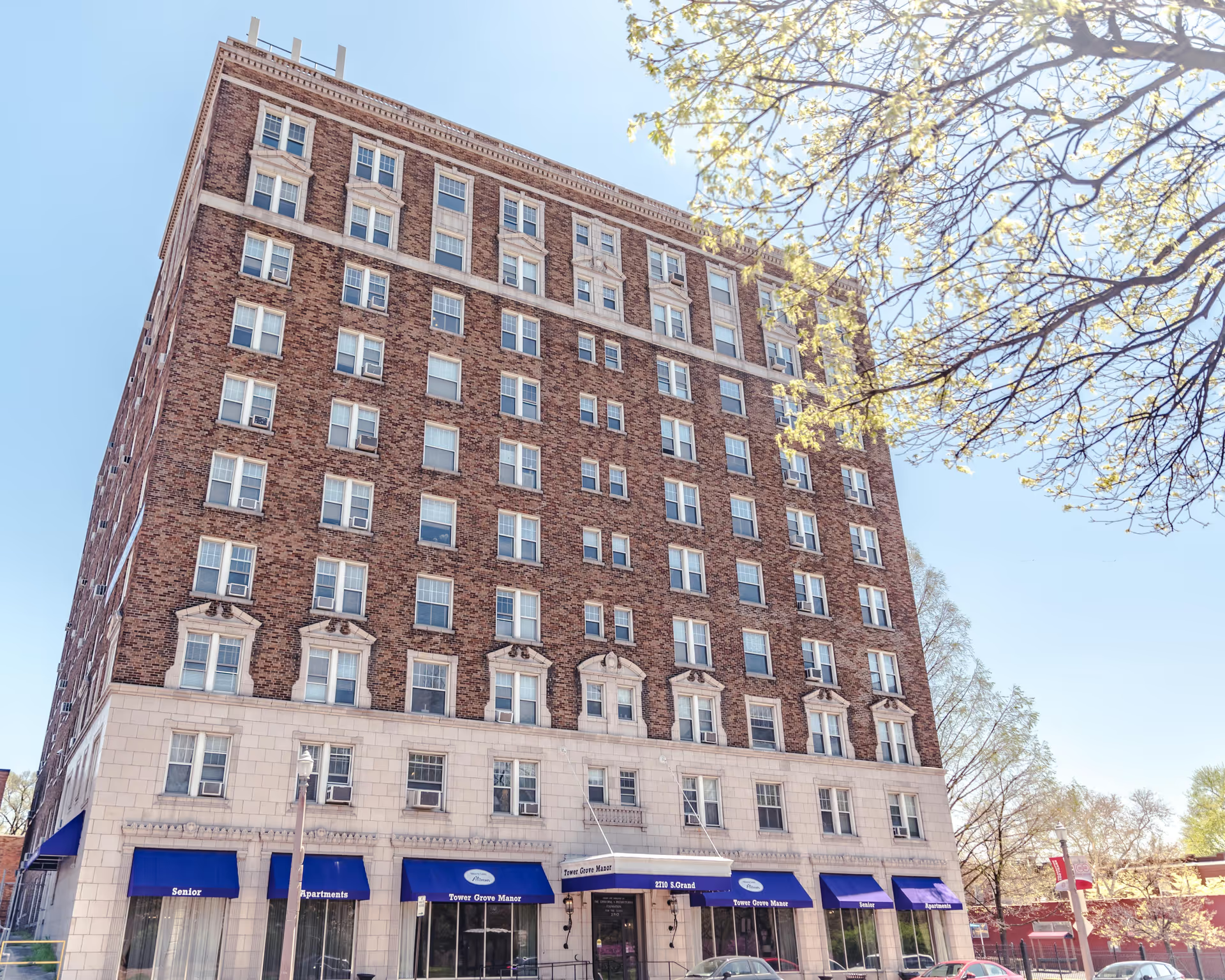
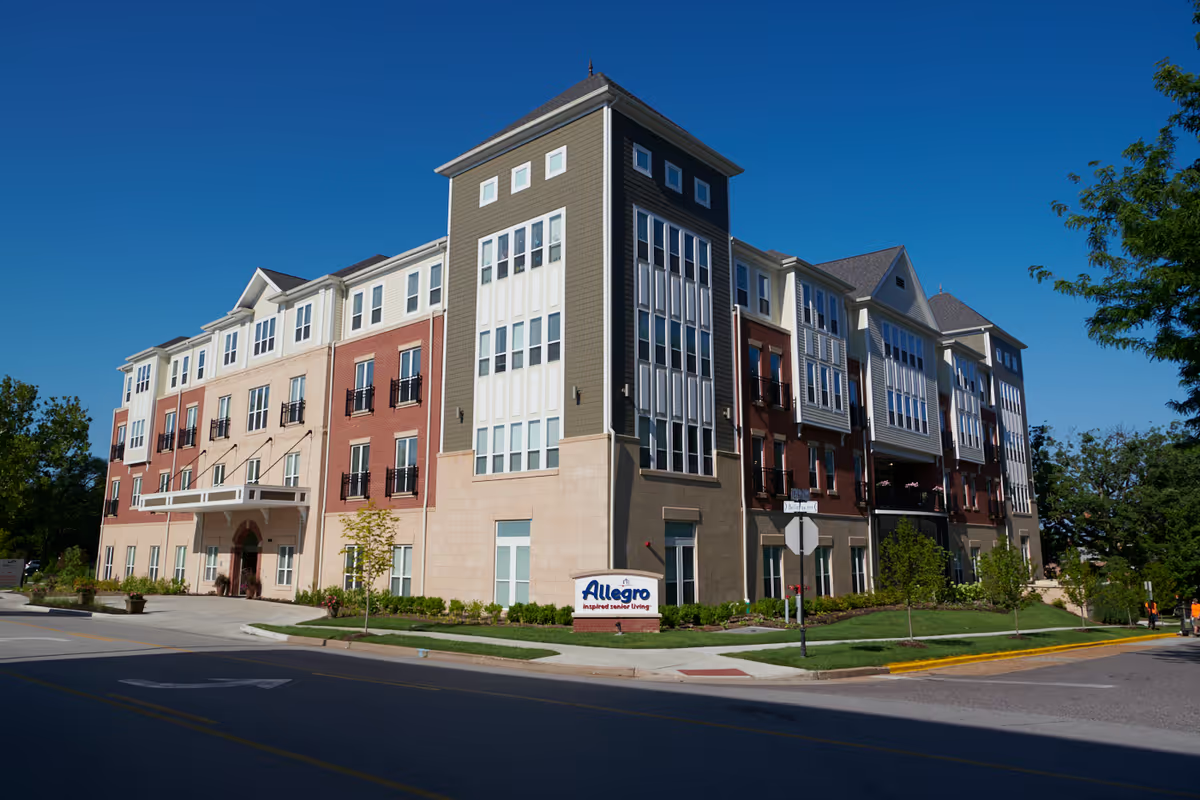
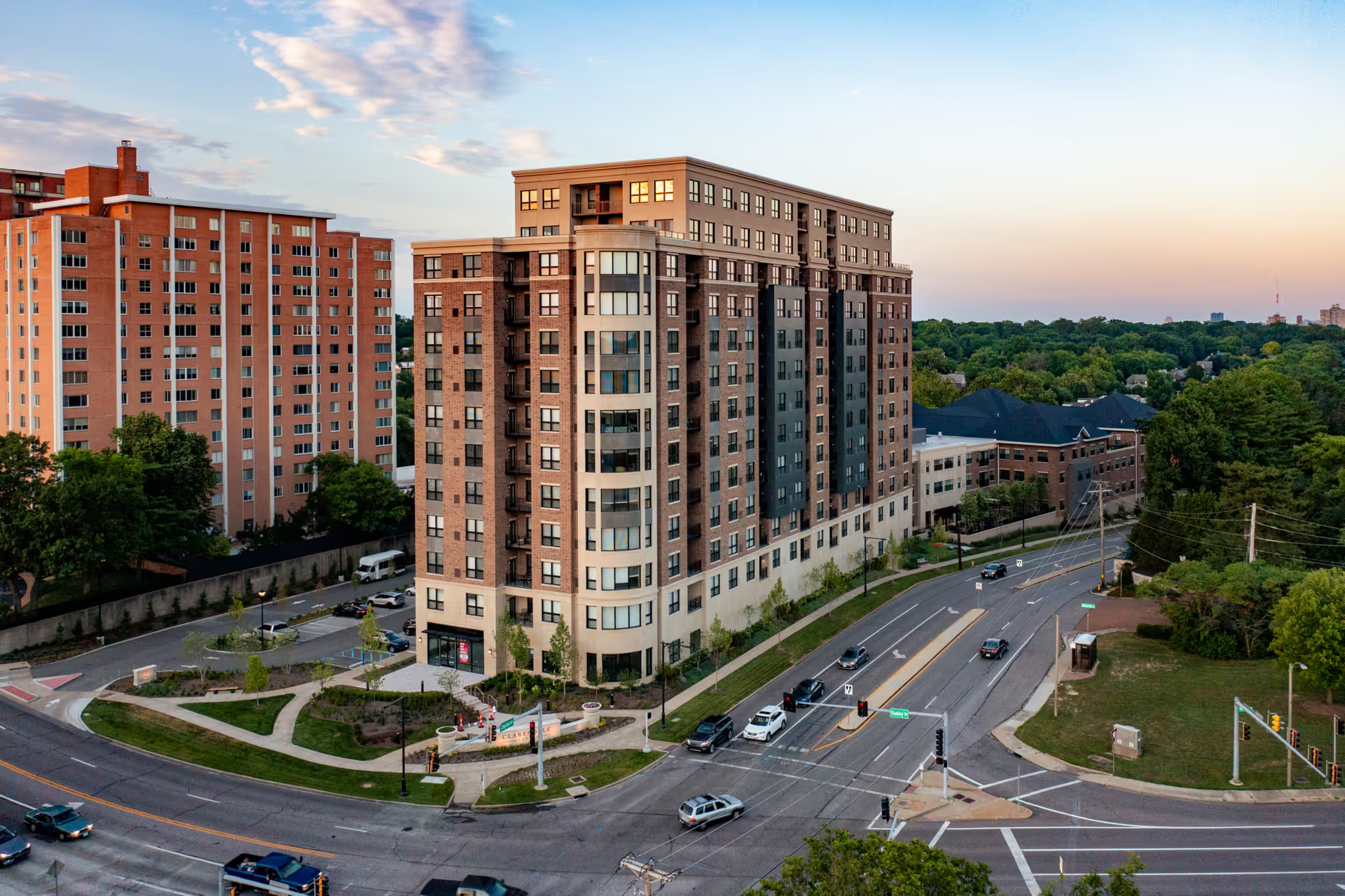
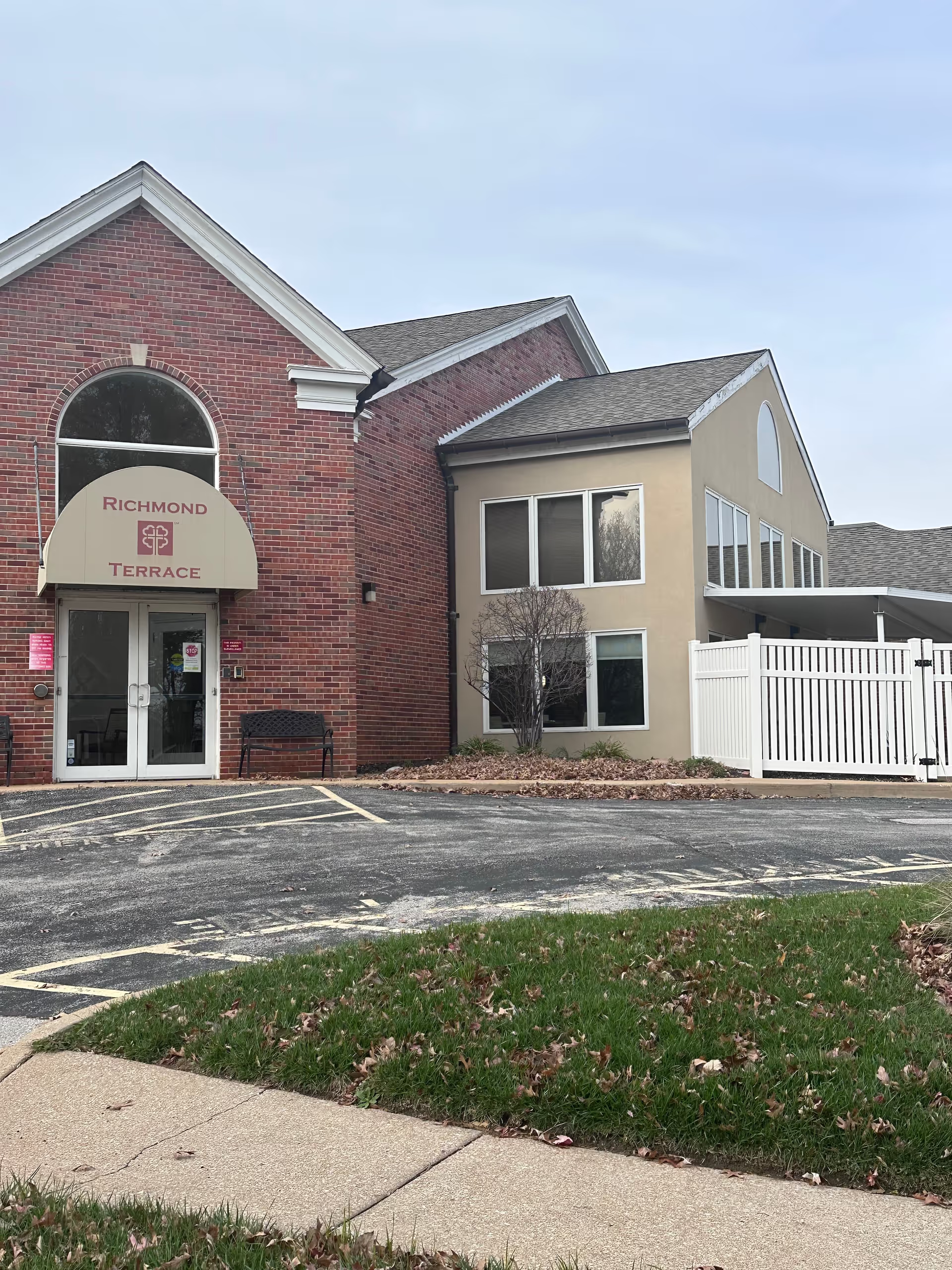
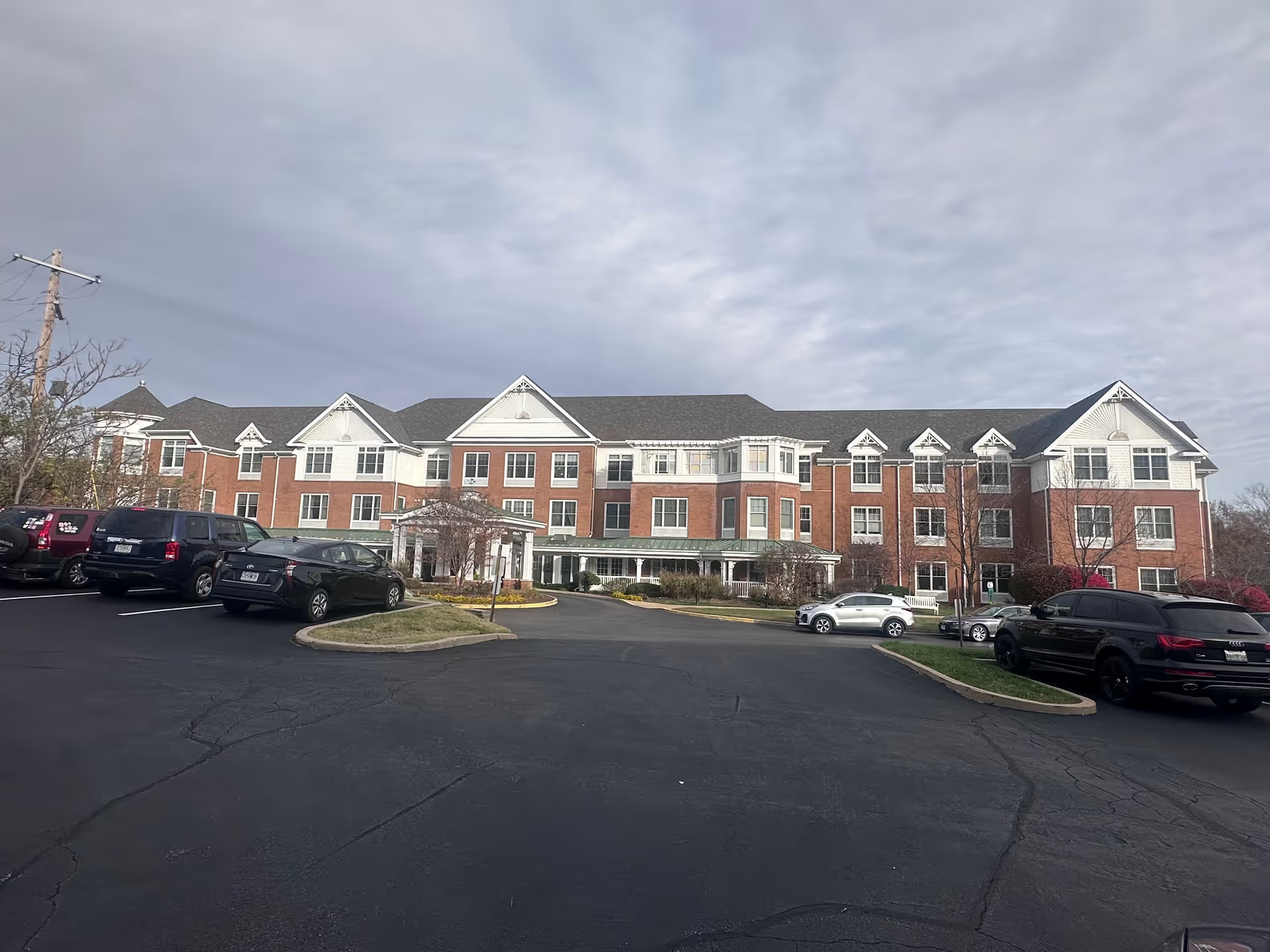
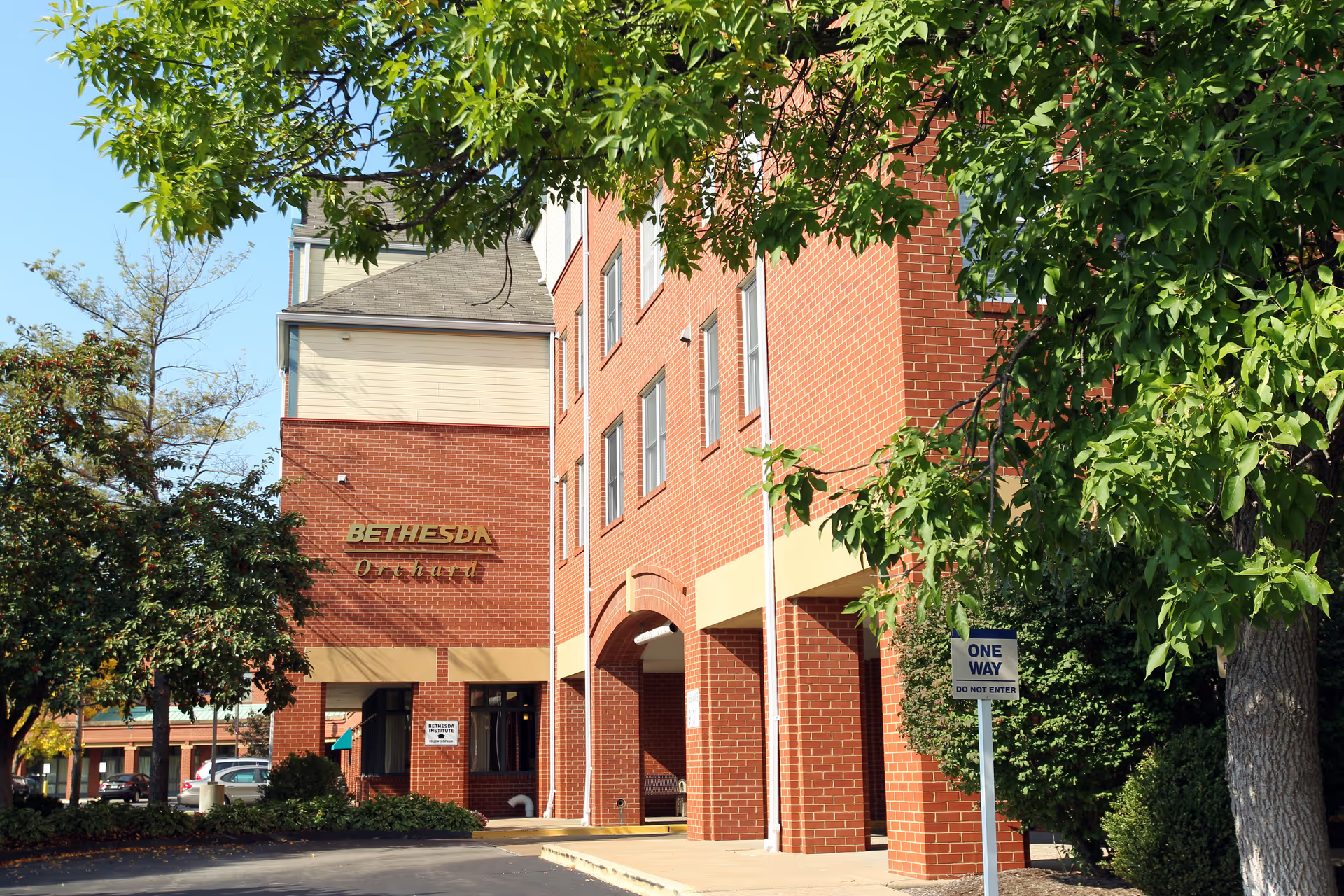
Dining, activities and facilities: The facility is described as having spacious, pleasant rooms and a usable outdoor area that accommodates smoking, which can support resident comfort and outdoor time. Dining received favorable comments about food quality. There is limited information about structured activities beyond outdoor space; therefore, activity programming should be explored directly with management for residents needing engagement or therapies.
Management and notable patterns: Admissions and intake appear to be a consistent strength, with staff that facilitate transitions and provide information and resources. However, there is a pattern of variability after move-in—operational oversight, staffing consistency, and incident response appear uneven. This leads to divergent family experiences: some describe a supportive, well-run placement, while others report safety and responsiveness shortfalls. Those considering the facility should ask specific operational questions about staffing levels across shifts, medication protocols, security measures for residents at risk of wandering, and how the facility communicates with families after incidents.