Overall impression: Reviews describe a community that was previously characterized by warmth, resident personalization, and strong peer relationships but has recently experienced changes that many perceive as negative. Positive remarks center on staff demeanor and social life; concerns focus on management decisions and changes to the facility atmosphere that affect residents' sense of independence and comfort.
Care and staff: Reviewers consistently highlight staff as kind, patient, and welcoming. Interpersonal care appears to be a core strength — staff–resident interactions, volunteer involvement, and opportunities for meaningful engagement are cited as positive contributors to quality of life. The available comments do not provide detailed information about clinical or medication-management practices, so clinical-care quality cannot be fully assessed from these summaries alone.
Dining: The review summaries do not include substantive detail about dining quality, meal service reliability, or menu variety. Prospective residents and families may want to request current dining menus and a sample meal or seek direct feedback during a visit to evaluate this area.
Activities: Social activity and volunteering are clear assets. Reviewers describe close friendships among residents and meaningful volunteer opportunities, which support an active independent-living environment. These elements appear to foster community engagement and purpose for residents.
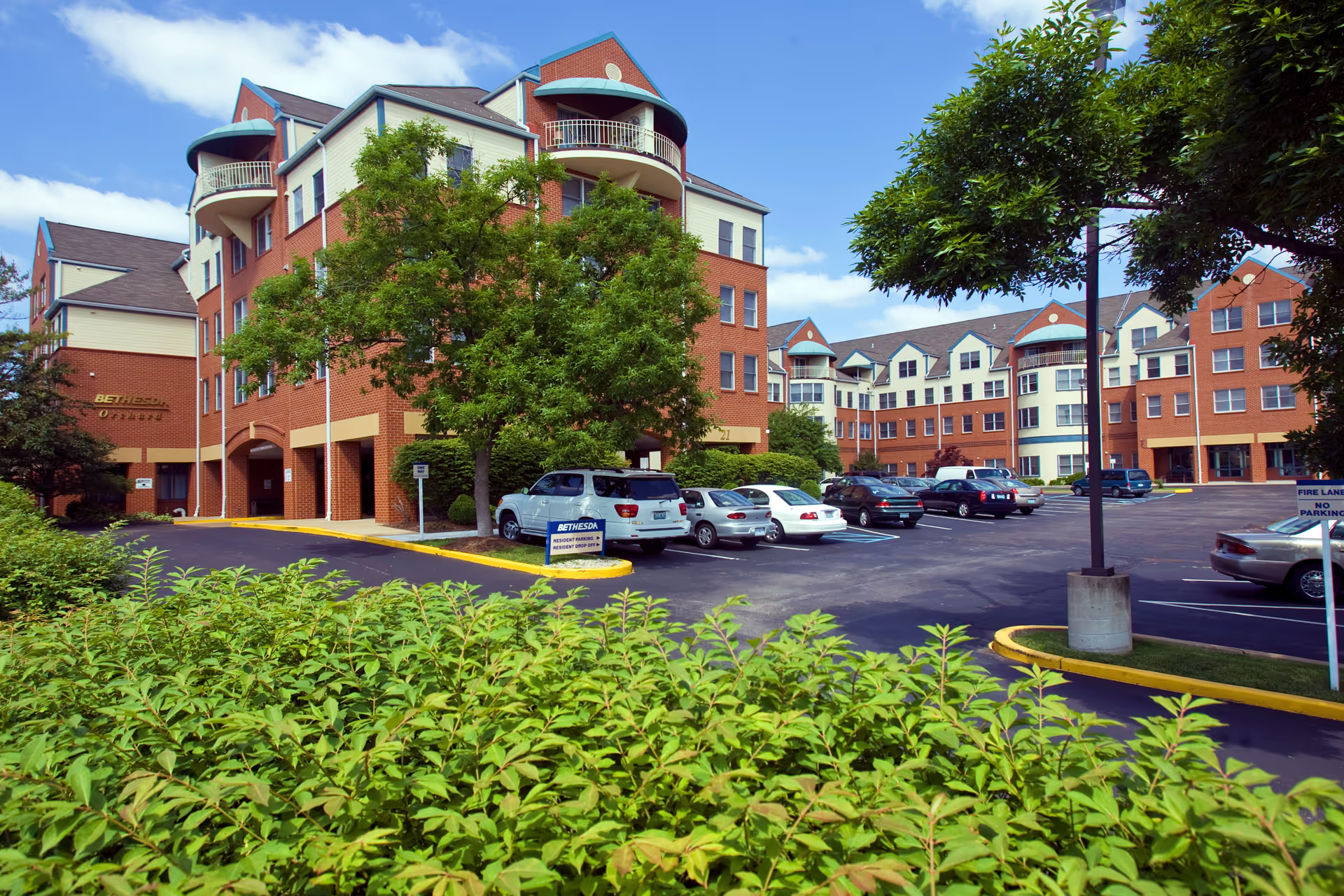
Facilities: Earlier descriptions emphasize a personalized, homelike environment with resident decorations and plants. More recent accounts indicate changes to that environment — removal of personal items, darker hallways, and a less inviting ambience. These observations suggest a decline in common-area upkeep or aesthetic management that can influence resident comfort and perception of safety.
Management and operations: A notable pattern is leadership change and a shift in managerial approach. Reviewers contrast prior supervision with a friendlier, more permissive style against more recent, stricter oversight described as enforcement-driven. This shift is associated with policy changes affecting personalization and daily routines. Reviewers express concerns about communication around these changes and about inconsistent application of rules, which has contributed to a perceived decline in the facility’s culture and overall ratings.
Notable patterns and recommendations: The primary strengths are the compassionate staff, active resident social life, and volunteering opportunities. The principal risks for prospective residents appear operational: leadership instability, tighter policies limiting personalization, and a decline in common-area ambience that affects comfort and perceived safety. Families and prospective residents should inquire about current management and policy enforcement, observe common areas at different times of day to assess lighting and upkeep, and ask for specifics on clinical oversight and dining if those services are important. This will help balance the facility’s evident social strengths against recent operational changes that have affected resident experience.