Summary
The reviews for this facility reflect a wide range of resident and family experiences, from highly positive rehabilitative stays to serious operational concerns. On the positive side, many families described compassionate, attentive direct-care staff (nurses, CNAs) and effective therapy teams that supported quick recoveries and timely discharges home. Reviewers also highlighted accessible social-work and discharge-planning support, helpful housekeeping, an overall clean and well-maintained environment, on-site salon services, and a pleasant dining-room atmosphere. In several accounts staff and management were proactive and available, and some families noted meaningful social programming and special events that contributed to residents' comfort and socialization.
Care quality appears inconsistent across cases. Positive episodes describe professional nursing, thoughtful discharge planning, and responsive therapy. However, other accounts raise concerns about clinical follow-through: delayed or inconsistent medication administration, gaps in wound and dressing management, and transfers to higher-level care without timely family notification. There are multiple mentions of inconsistent personal-care practices, including irregular bathing schedules and incontinence-care delays, which point to variability in daily hands-on care depending on staffing and shift. A number of reviewers described urgent clinical consequences linked to these lapses.
Staffing and staff conduct vary noticeably. Several reviews praise individual caregivers and an approachable social-work presence; others describe high staff turnover, understaffed nurse stations, unprofessional reception/front-desk interactions, and instances where staff were perceived as dismissive or unresponsive. These contrasting reports suggest the facility’s day-to-day quality depends significantly on which shift or which staff members are present. There are also concerning descriptions related to safety and security oversight, including reported altercations, unauthorized access incidents, and other serious safety-related accounts that families should consider when evaluating risk tolerance.
Dining and activities show mixed performance. The dining area is often described as clean and spacious, and some residents enjoyed meals and special services (ice cream, events). At the same time, reviewers mentioned inconsistent food quality, small portion sizes, and problems with food temperatures. Activity offerings range from meaningful programs (Bible class, piano, backyard events, an active activities director) to reports of minimal or irregular programming; engagement varies by unit and time.
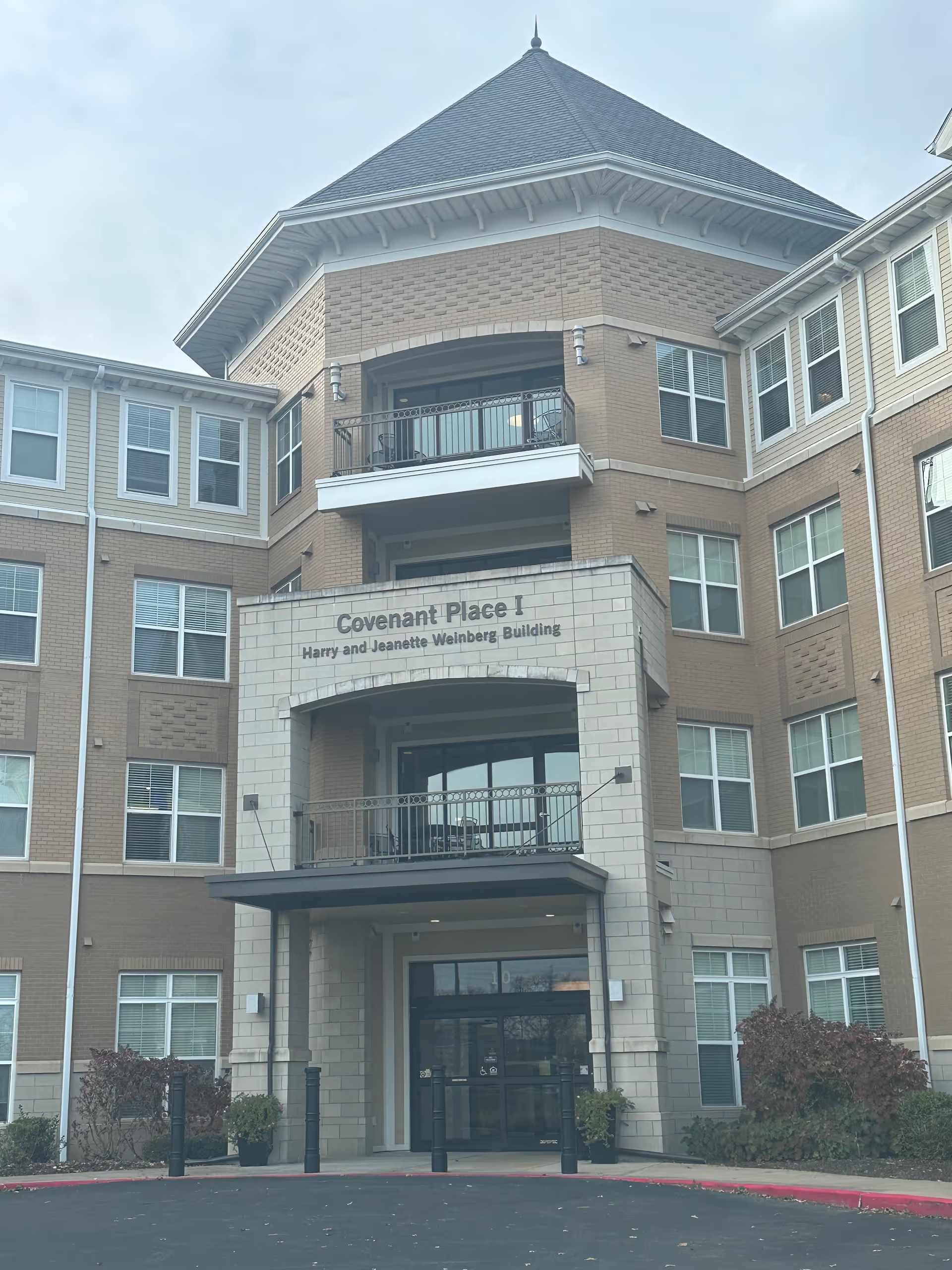
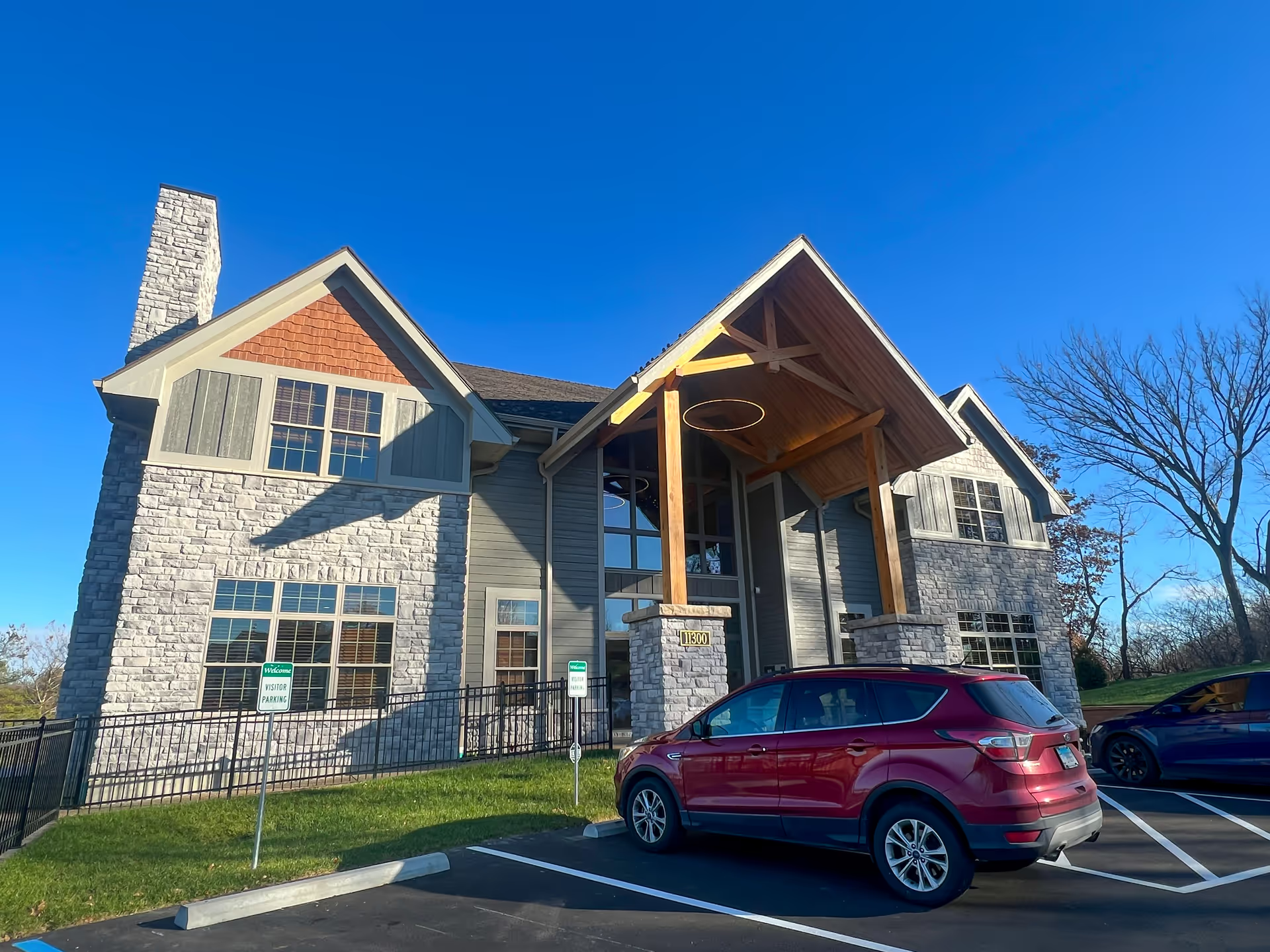
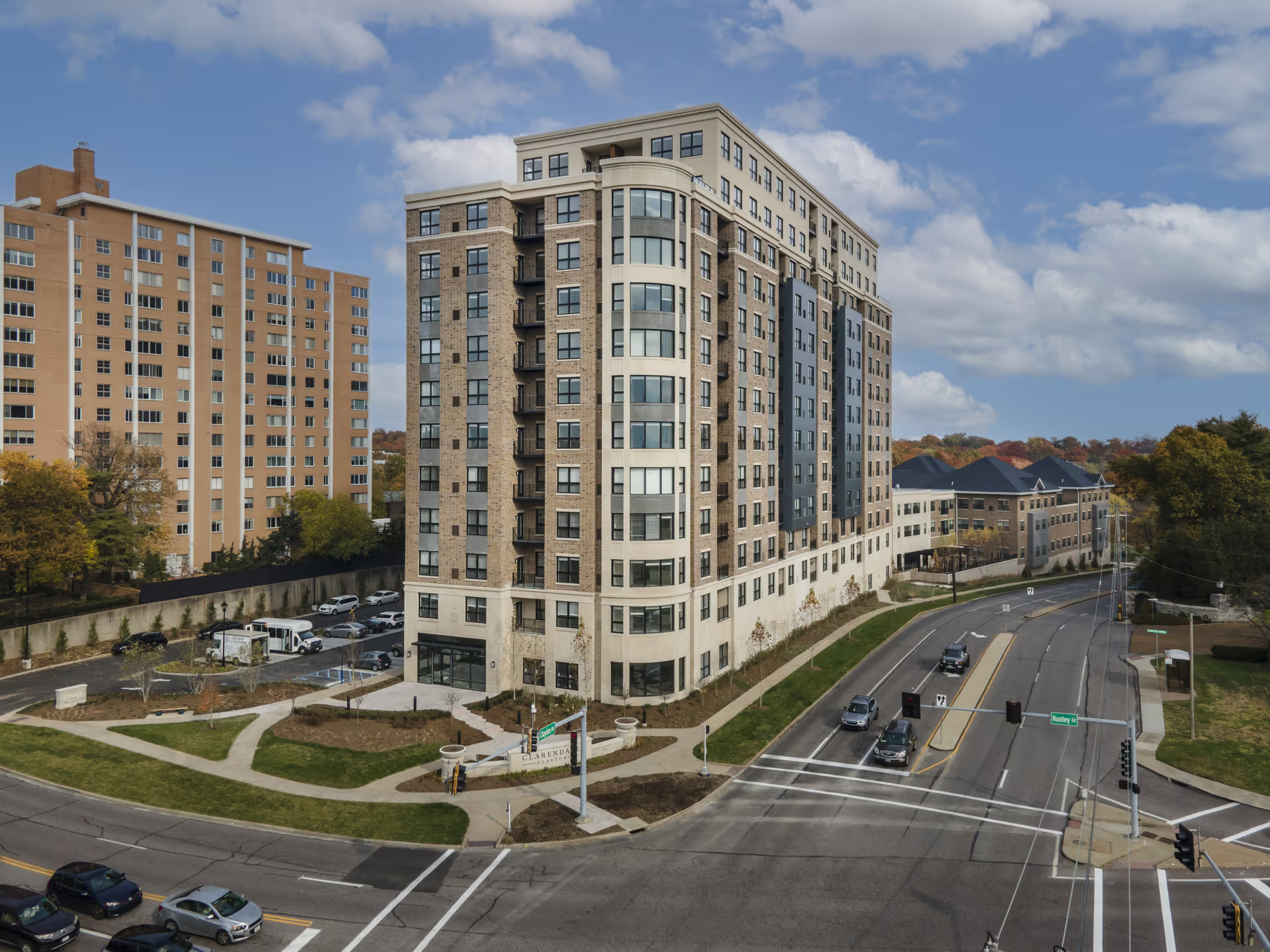
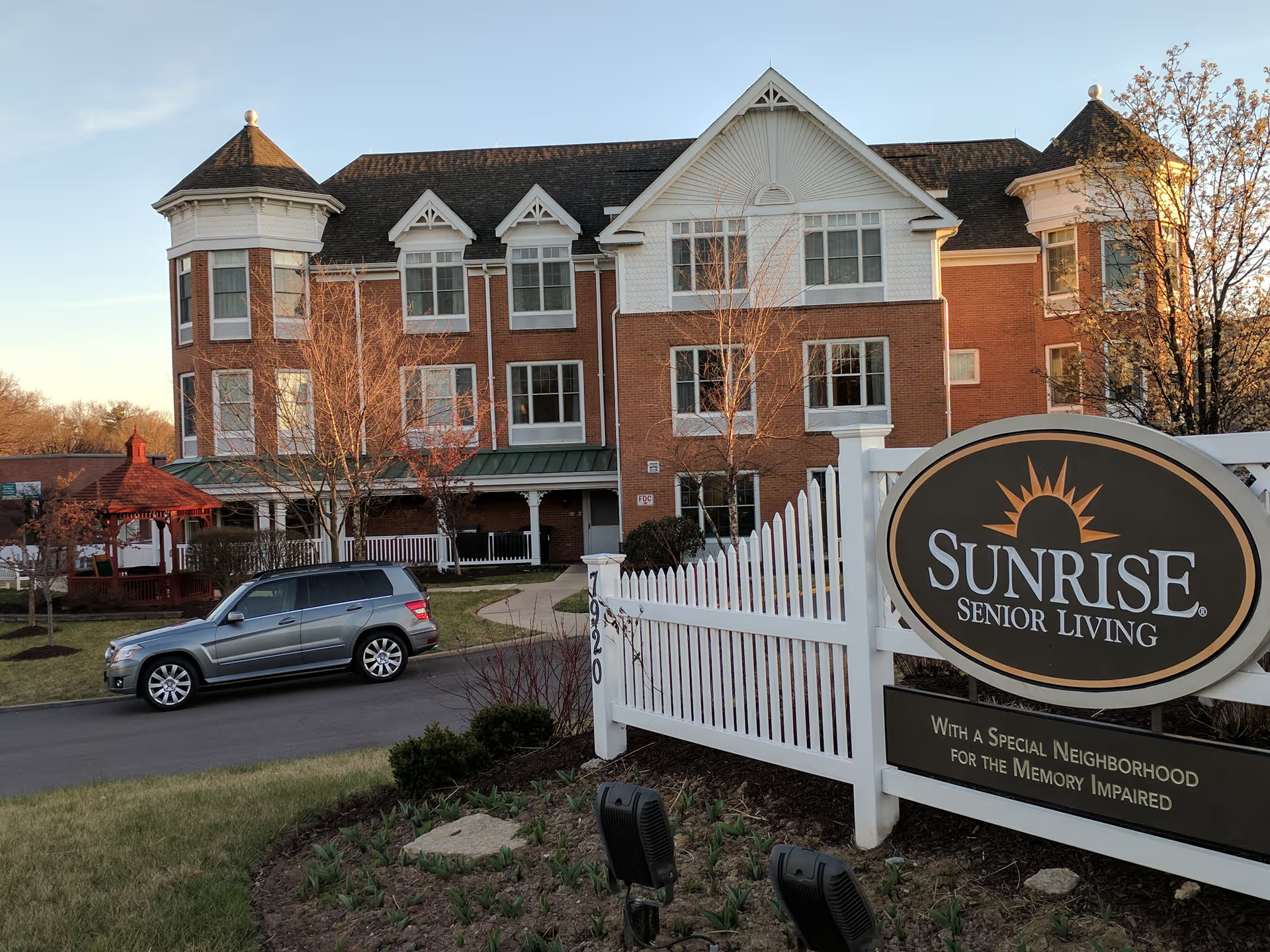
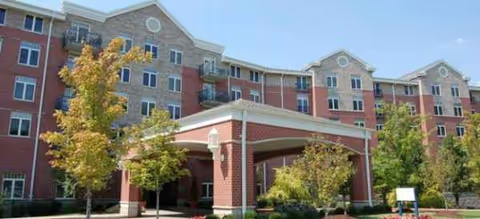
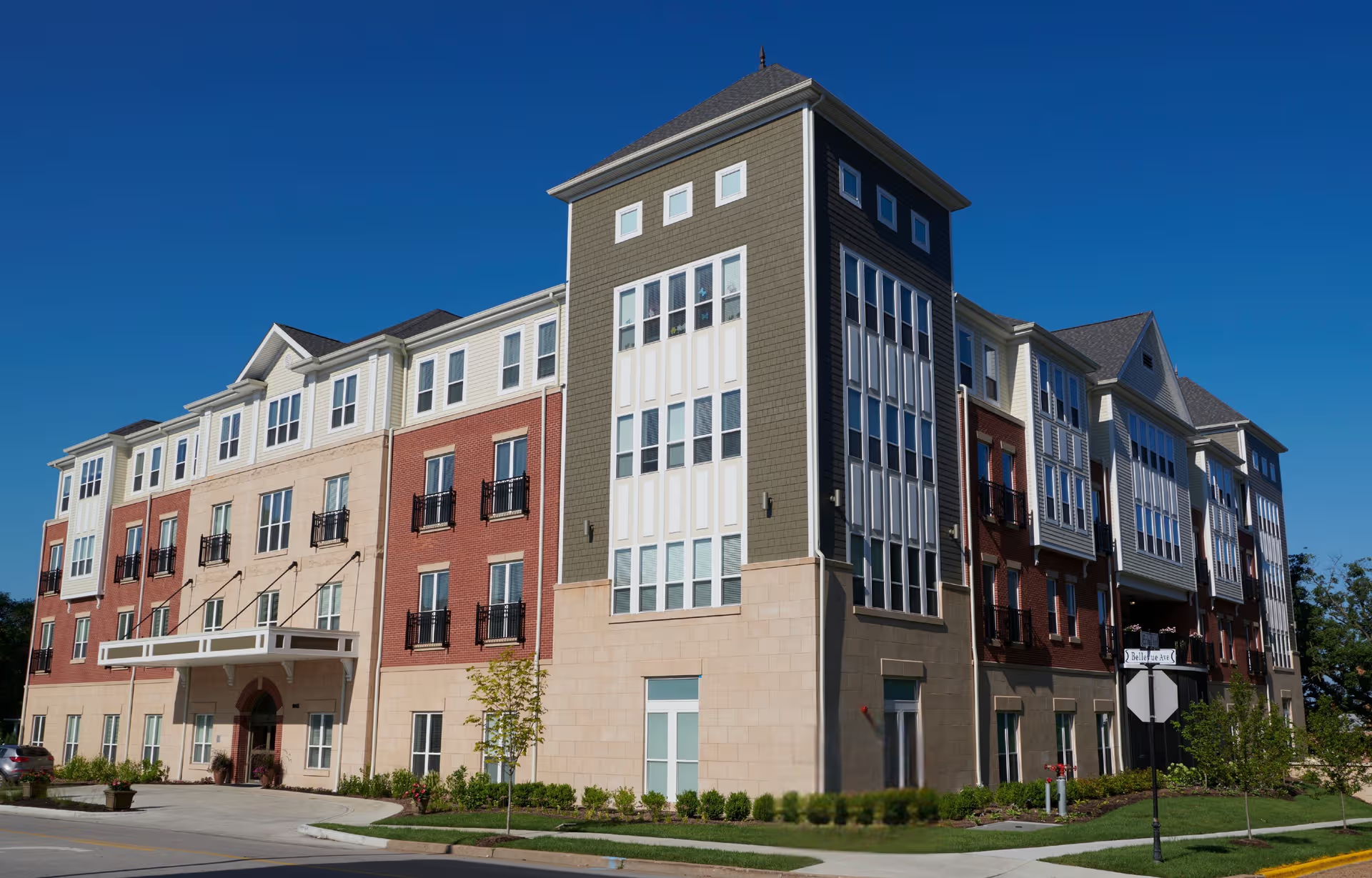
Facilities and amenities present both strengths and limitations. The building is described as dated but generally maintained; rooms are noted as roomy and able to accommodate personal furniture, and an on-site salon/barbershop is a plus. Limitations cited include a lack of in-room showers in some rooms and an overall sense of areas where maintenance and operational controls could be strengthened.
Management, communication, and operational practices generate considerable variability in family experience. Several reviewers praised an accessible director of nursing or social worker who communicated proactively and coordinated care. Conversely, many other reviews cite poor communication, unreturned calls, difficulty obtaining clinical documentation, front-desk distraction, after-hours contact problems, and concerns about financial management or service reductions. Allegations of missing personal property and theft were raised and should be viewed as a serious operational control issue. There are also mentions of limited memory-care availability and waitlists, which may affect placement options.
Overall pattern and recommendation
The overall pattern is one of polarization: the facility can deliver high-quality, compassionate care and good rehabilitation for some residents, particularly when experienced staff and engaged management are present. At the same time, recurring themes—staffing instability, weak family communication, inconsistent personal-care practices, medication and documentation gaps, security vulnerabilities, and variability in dining and activities—represent tangible operational risks. Prospective residents and families should weigh the positive reports of strong clinical and therapy outcomes against the documented variability. If considering placement, it is advisable to (1) tour the specific unit and observe staffing on the shifts most relevant to the resident, (2) ask for written policies on staffing ratios, incident reporting, and property controls, (3) confirm how after-hours communication and hospital-transfer notifications are handled, and (4) request recent inspection or complaint history to better understand how the facility addresses the operational issues described by families.