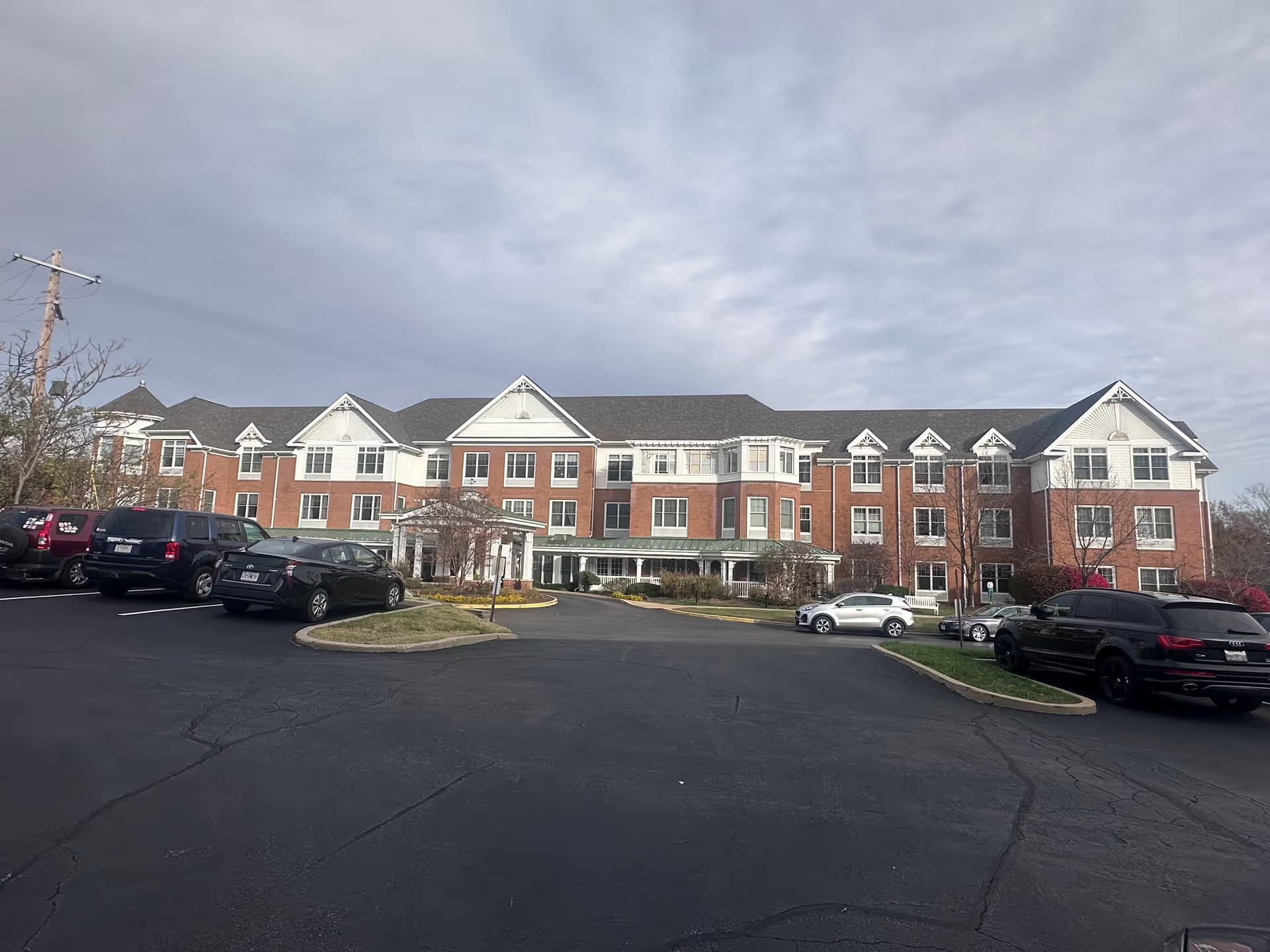
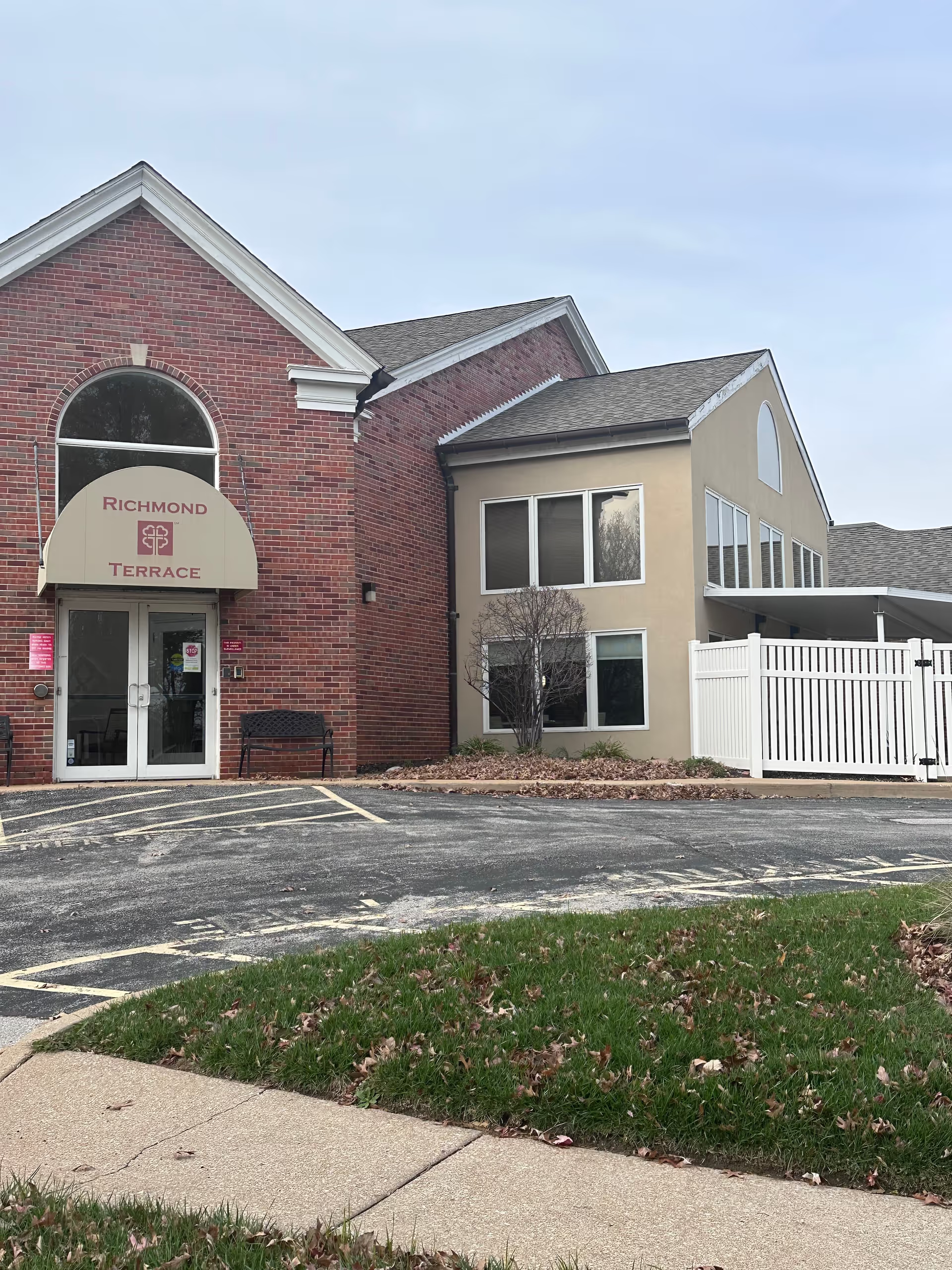
The reviews for this facility present a mixed picture, with clear patterns of both strengths and operational weaknesses. Positively, many accounts highlight compassionate frontline staff — admissions personnel, caregivers, nurses and housekeeping are frequently described as welcoming and kind. Several reviewers note improvements since a change in ownership, including investment in building maintenance, upgraded food quality, new activity staff, and the availability of a transportation van for outings. These elements contribute to a homelike atmosphere and active communal spaces that some families find reassuring.
At the same time, there are recurring concerns about basic operational consistency. Sanitation and pest-control measures are inconsistent across units and common areas, creating cleanliness and odor concerns for some residents and families. Dining service is another area of uneven performance: while food quality is described as improved by some, others describe cold meals and inconsistent service professionalism. Staffing patterns are a central theme — irregular staffing levels, turnover, and long waits for assistance are said to affect timely basic-care activities and responsiveness.
Clinical-care issues appear in multiple narratives. Reviewers describe delays in assistance that correlate with pressure-injury development and wound-care gaps, as well as instances where hydration and routine repositioning were not timely. These suggest weaknesses in clinical oversight, care-plan adherence, and handoff continuity. Families also raised concerns about communication practices: notifications about clinical changes, wound development, or other significant events were not always reliable.
Other operational weaknesses include inconsistent administrative follow-through on promised services and insufficient safeguards for residents' personal property, with reports of lost or misplaced items. Professional conduct is described as variable; while many staff are praised for compassion, there are concerns about on-duty behavior and professionalism that merit investigation. Visitation policies during infection-control events were experienced as restrictive by some families, which affected their perception of access and involvement.
In summary, the facility shows areas of improvement under newer management and retains strengths in compassionate interpersonal care and activity programming. However, prospective residents and families should be aware of documented patterns around sanitation controls, staffing consistency, dining-service reliability, clinical oversight for pressure-injury prevention, personal-property safeguards, and family communication. A focused tour and direct questions about staffing ratios, infection- and pest-control protocols, wound-prevention practices, inventory safeguards, and how management follows up on service commitments would be advisable for decision-making.