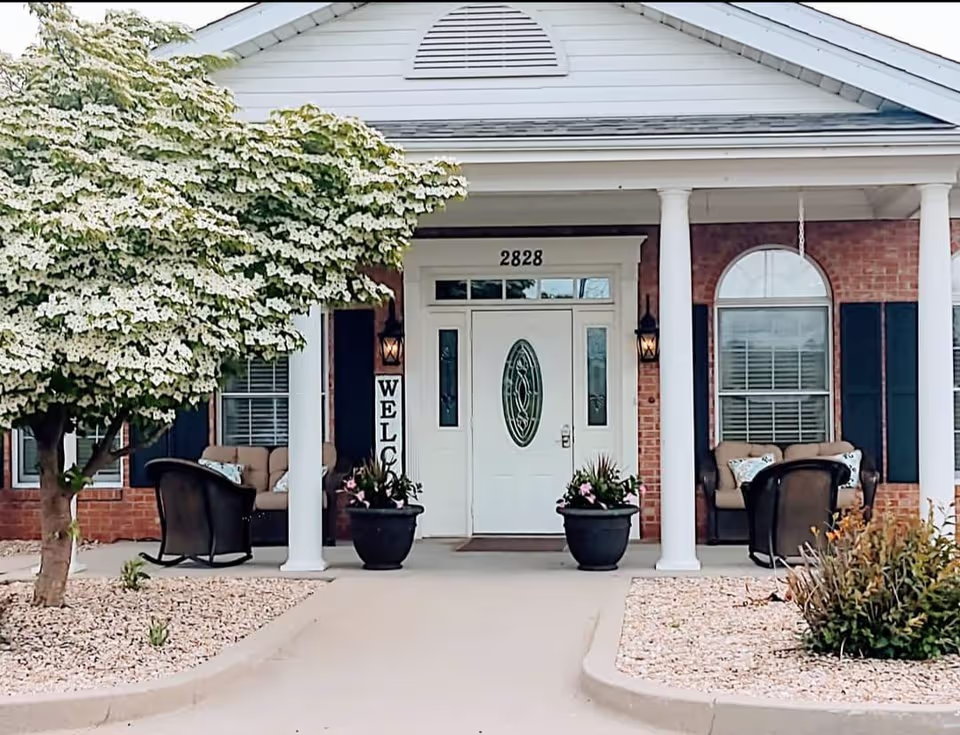
Bristol Manor is characterized by a very small, residential scale and a pronounced home-like atmosphere. Reviewers consistently note the facility’s limited capacity and private, furnished rooms with en-suite bathrooms, which contribute to a quieter environment and a family-style feel. Many families describe the property as clean and well-maintained and appreciate that the facility feels intimate rather than institutional.
Care and staff interaction are frequently cited as strengths. Numerous accounts indicate staff are warm, helpful, and willing to assist with personal-care tasks such as laundering and bed changes; several reviewers said this responsiveness provided peace of mind. The administrator is often described as knowledgeable and personable, and some families found management to be accessible and accommodating. At the same time, there are indications of variable staff professionalism and some inconsistencies in how staff interact with residents, which suggests uneven performance across shifts or individuals.
Dining and activities are generally praised. Meals are described as home-cooked with a regular schedule and communal dining opportunities that some families appreciated. Programming includes puzzles, bingo, music therapy on a weekly basis, books-on-tape and radio, and other low-key activities aimed at engagement. While these offerings appeal to residents who enjoy quieter, routine activities, a few accounts raise concerns about limited resident engagement and periods when residents remained isolated in their rooms.
Facility-related concerns center on the physical plant and sanitation response. The building is older and some reviewers suggested it could benefit from refreshed decor and more color. A significant operational concern across multiple accounts involves pest-control issues and inconsistent remediation efforts; this has prompted at least one family to escalate concerns to corporate or an ombudsman. There are also isolated mentions of odor concerns in parts of the facility. Together these items indicate a need for stronger environmental and pest-control protocols.
Safety and clinical oversight present mixed signals. While many families felt their relative was well cared for, others described gaps in supervision and raised serious care-related concerns, including at least one allegation relating to withheld medication and reports of wandering risk. These descriptions point to potential inconsistencies in medication-management processes and resident monitoring that would merit close review during any assessment.
In summary, Bristol Manor appears to offer a homelike, small-scale option with strengths in personalized attention, home-style dining, and activity programming suitable for residents who prefer a quieter setting. Prospective families should weigh those strengths against documented operational issues: pest-control and sanitation responsiveness, variability in staff conduct and supervision, and an aging physical environment. A focused conversation with management about current pest-control practices, staffing patterns, medication-administration safeguards, and steps planned for facility refreshment would help clarify whether the community’s operations align with an individual resident’s needs.