Overall impression: Bedford Hills Center elicits strongly mixed but thematically consistent feedback. Many families and short-term rehab patients describe compassionate, resident-focused caregivers and a highly capable therapy team that delivers measurable rehabilitation gains. At the same time, a set of operational issues—most commonly around sanitation, staff continuity, medication timeliness, and responsiveness—appears repeatedly and creates significant variability in resident experience.
Care quality and clinical services: The facility is frequently praised for its skilled PT/OT services, individualized treatment plans, efficient scheduling, and successful discharge preparation. Reviewers consistently highlight therapists by name and credit the therapy program with restoring mobility and independence. Nursing and aide staff are often described as caring and attentive; several accounts cite strong end-of-life support and family communication. Conversely, there are notable concerns about medication delays and administration errors, delayed doctor-order implementation, and occasional lapses in assessment and monitoring. These issues suggest unevenness in clinical processes and handoffs rather than uniformly poor clinical intent.
Staffing and conduct: Staff dedication and compassion are a recurrent strength—many reviewers single out nurses, LNAs, social workers, and admissions personnel for excellent communication and individualized attention. However, multiple reviews point to high use of agency aides and variability in staff familiarity with residents, which families connect to continuity and responsiveness problems. In addition, some families experienced slow responses to call signals and delayed assistance, indicating staffing-level strain or workflow gaps during certain shifts.
Dining and dietary services: Accounts of dining are mixed. Several reviewers praise varied menus, attention to special diets, and accommodating dietary teams. Others describe inconsistent meal quality, incorrect orders, and occasional changes to diet plans without clear family consent. These contrasts suggest that dietary services can meet individualized needs but may suffer from occasional process or communication breakdowns.
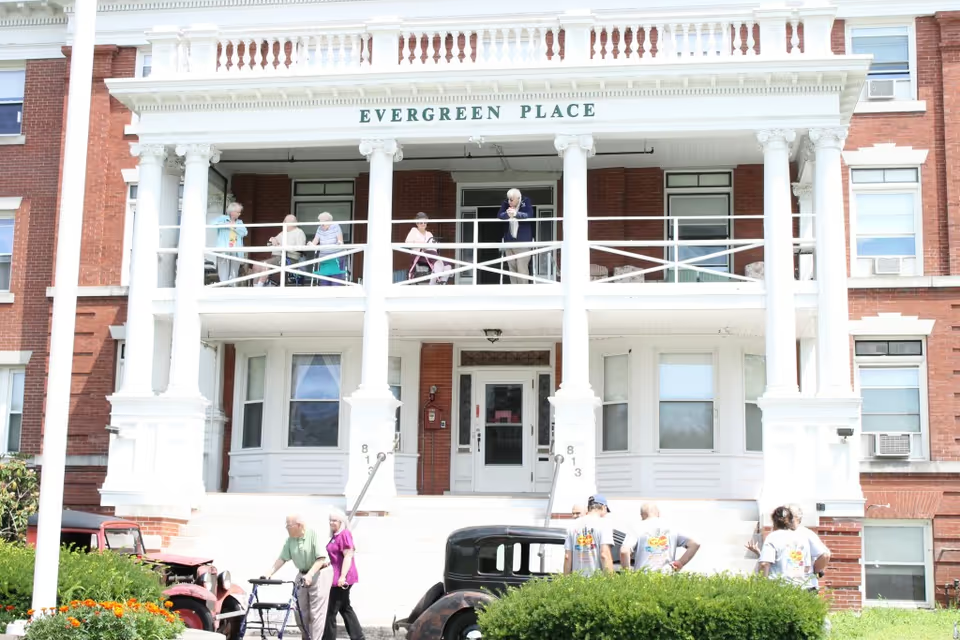
Activities and community life: The activities department receives uniformly positive remarks. Reviewers describe a lively program with daily groups, weekly outings, holiday events, music and entertainment, and an engaged activities leadership that promotes socialization and resident engagement. This area is consistently cited as a strong point for resident quality of life.
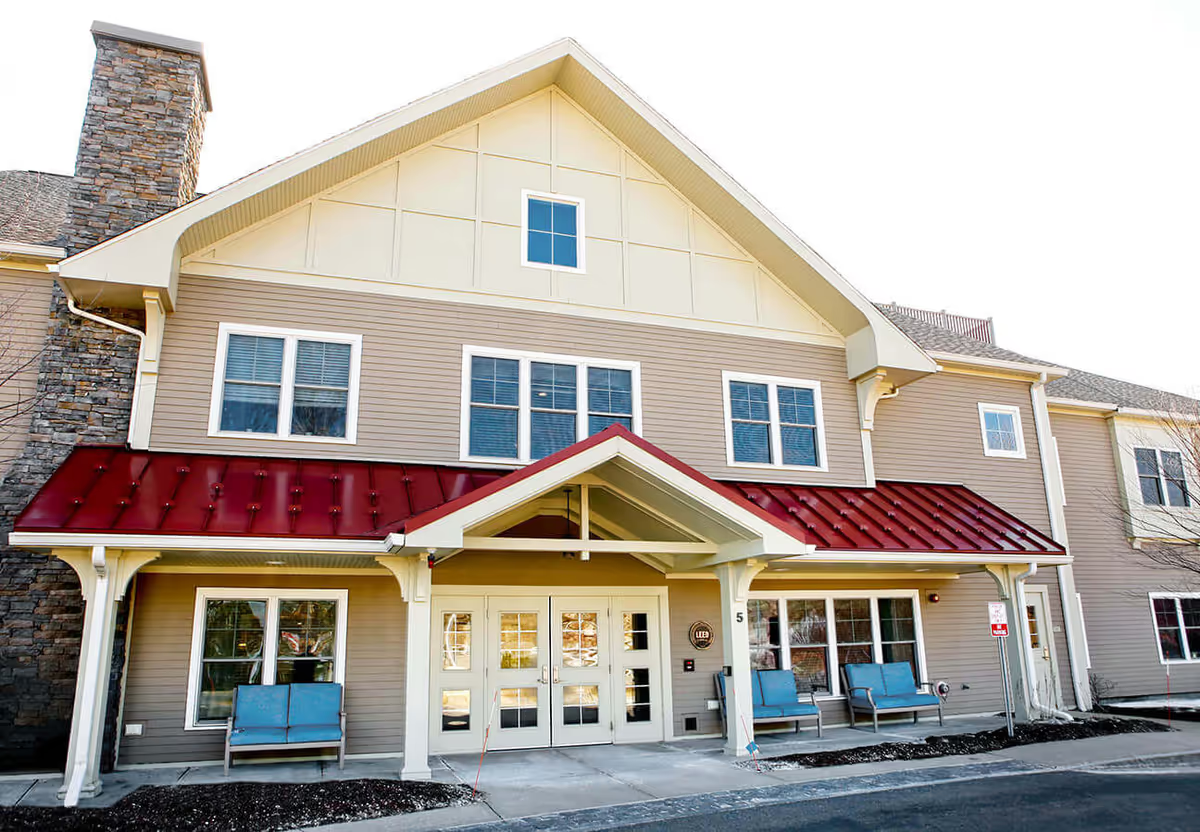
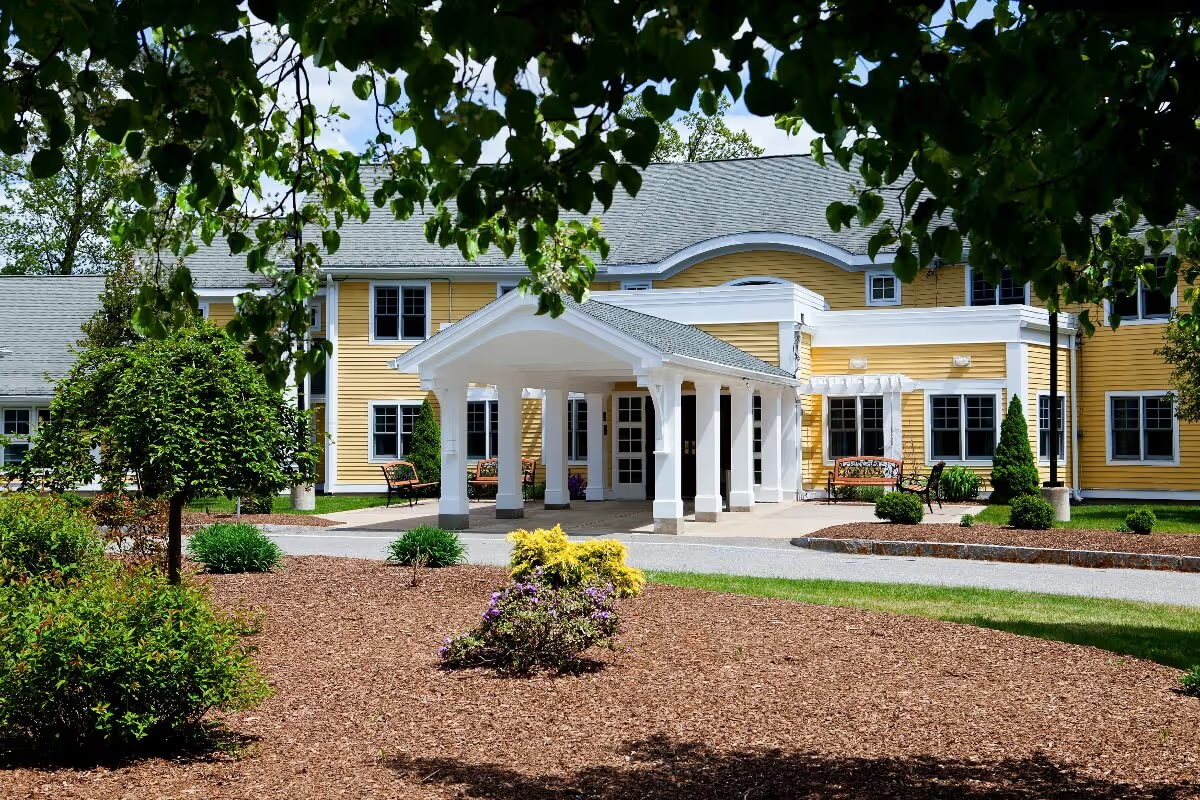
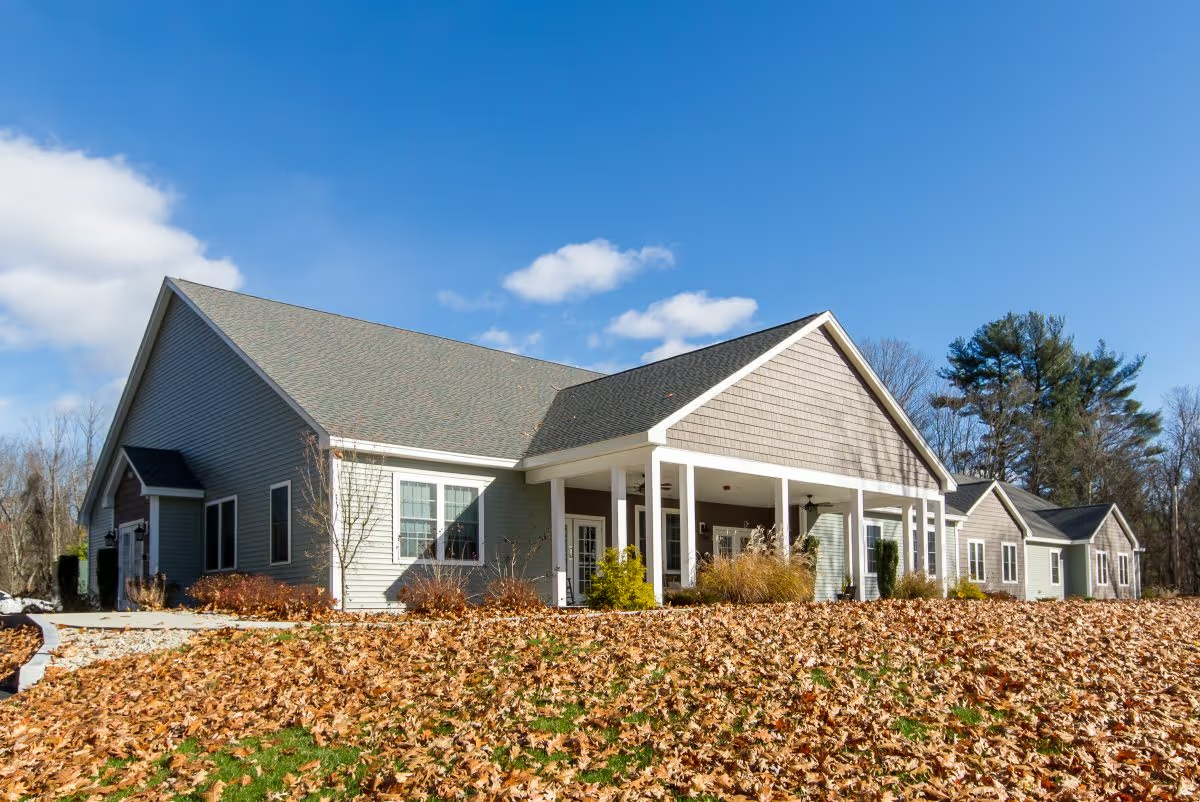
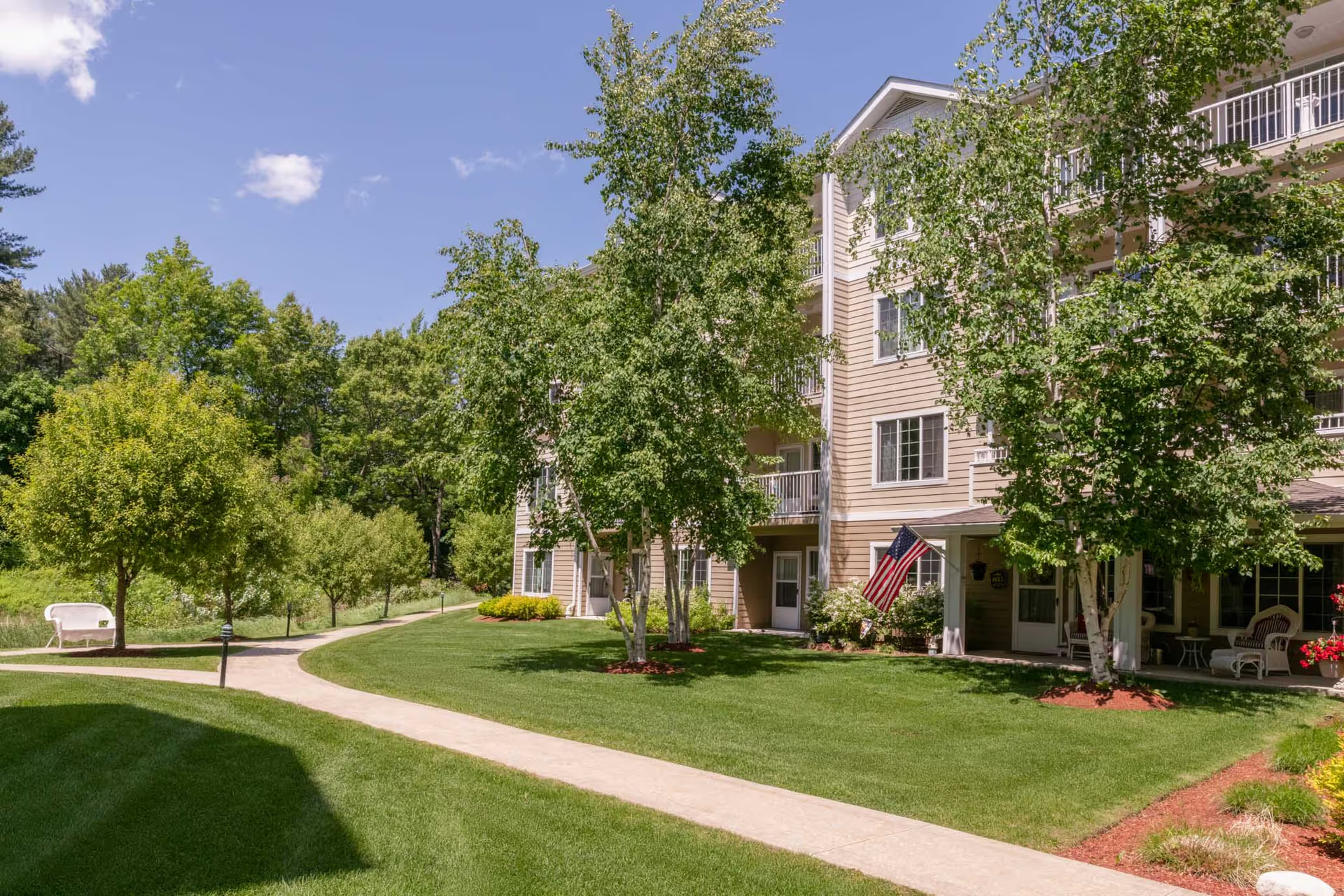
Facilities and environment: Impressions of the physical plant are mixed. Many find the building bright, well-maintained, and comfortable, with pleasant common spaces, natural light, and an accessible layout for rehabilitation. At the same time, sanitation concerns and odor control in certain rooms or common areas are reported often enough to be a material consideration. Prospective residents should note this variability and assess specific unit cleanliness and infection-control practices during a visit.
Management and administration: Several reviews reference positive changes under new leadership and an ownership transition, along with competent billing and admissions processes. Other families however describe inconsistent communication from clinical leadership or social work at times, and a few reviews raise serious concerns about how adverse events were handled and communicated. This pattern suggests recent management improvements but continued work is needed on consistent cross-disciplinary coordination and transparent family communication.
Notable patterns and guidance for families: Bedford Hills offers strong rehabilitation, an active activities program, and many examples of compassionate, individualized care. The primary operational risks are variability—particularly in sanitation, staff continuity (agency use), medication/order management, and response times. When evaluating the facility, families should consider touring at mealtime, asking about staff-to-resident ratios and agency-staff use, reviewing medication-safety protocols and incident-communication practices, and observing cleanliness on the specific unit where the resident would live. Those steps can help determine whether the facility’s strengths align with a prospective resident’s clinical and quality-of-life priorities.