Reviews for Derry Rehabilitation and Nursing Center present a mixed picture: the facility is frequently praised for its rehabilitation focus, individualized attention from many nurses and LNAs, and a welcoming, home-like environment, but it is also described as having operational inconsistencies that families and prospective residents should evaluate carefully.
Care quality: Numerous accounts describe compassionate bedside care, timely clinical attention, and meaningful rehabilitation gains for short-term patients. Several reviewers specifically praised therapists and the facility’s rehab-oriented model. At the same time, other accounts describe delays in medication delivery, missed or inconsistent therapy sessions, concerns about wound-care follow-through, and slow response to alarms or calls for assistance. These contrastive reports suggest variability in clinical reliability rather than a uniform standard of care.
Staff and communication: Many families value the facility’s proactive communication and individual staff members who go above and beyond. Leadership and certain nursing staff receive particular commendation for supportive, knowledgeable oversight. However, reviewers also document inconsistent staff professionalism across shifts, difficulty with night and evening coverage, and breakdowns in handoffs between day and night teams that affected medication, meals, and personal care. Prospective residents should ask about staffing patterns, shift supervision, and handoff protocols when touring the facility.
Dining and activities: Positive comments note engaging activities, a strong activities director, outdoor decks, cook‑outs, and social programming that can enhance quality of life. The facility provides salon services and private dining options. Conversely, there are repeated concerns about inconsistent meal quality, limited menu choices at times, cold or overcooked items, and occasional interruptions to meal-service continuity. Activity availability appears stronger for short-term rehab patients than for some long-term residents according to several accounts.
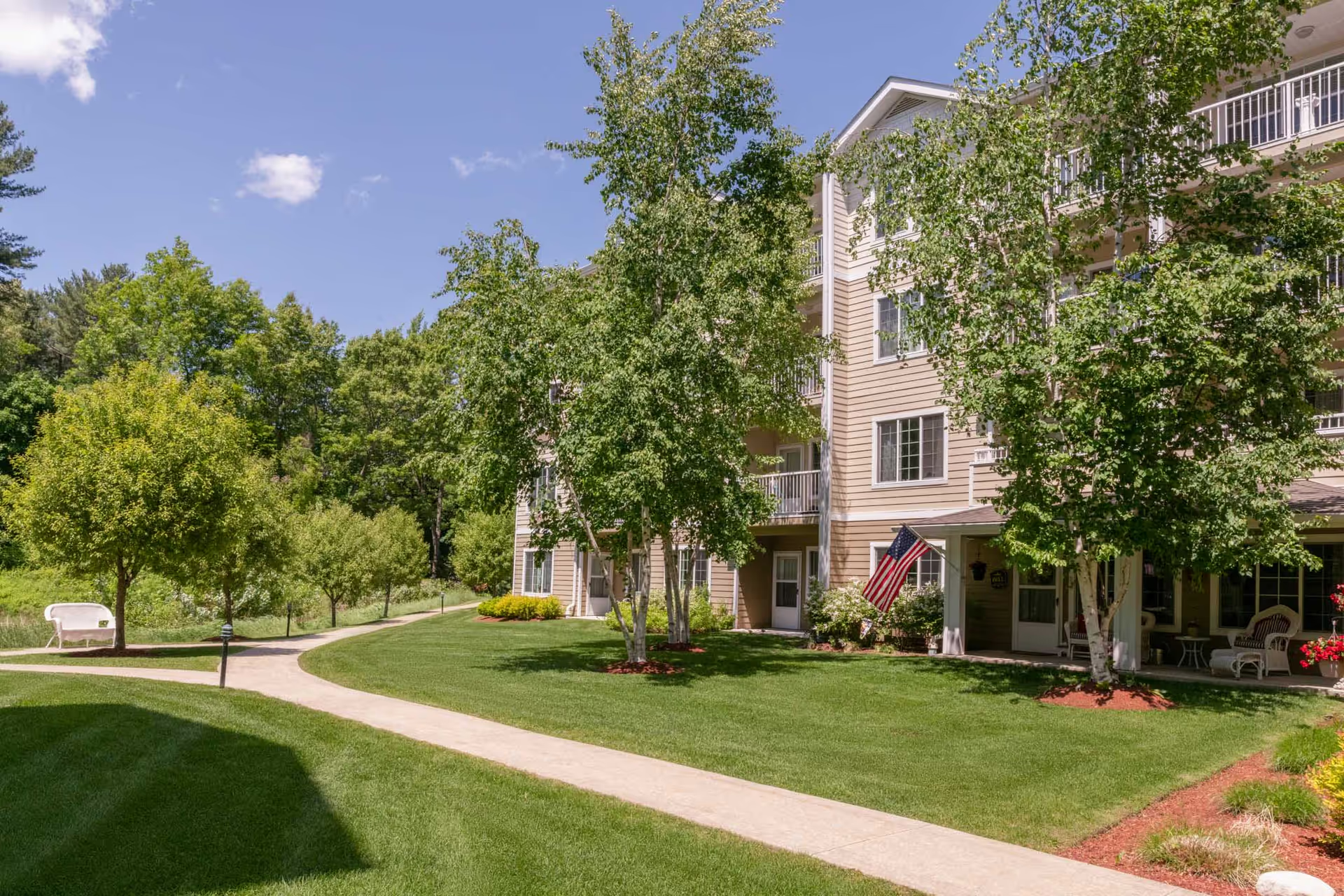
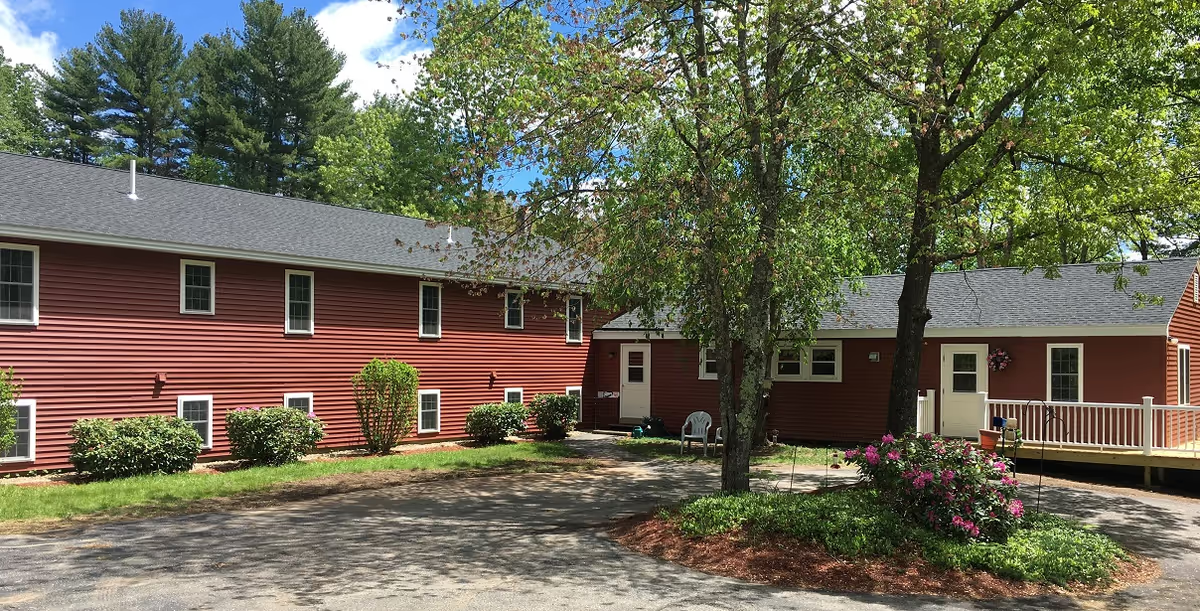
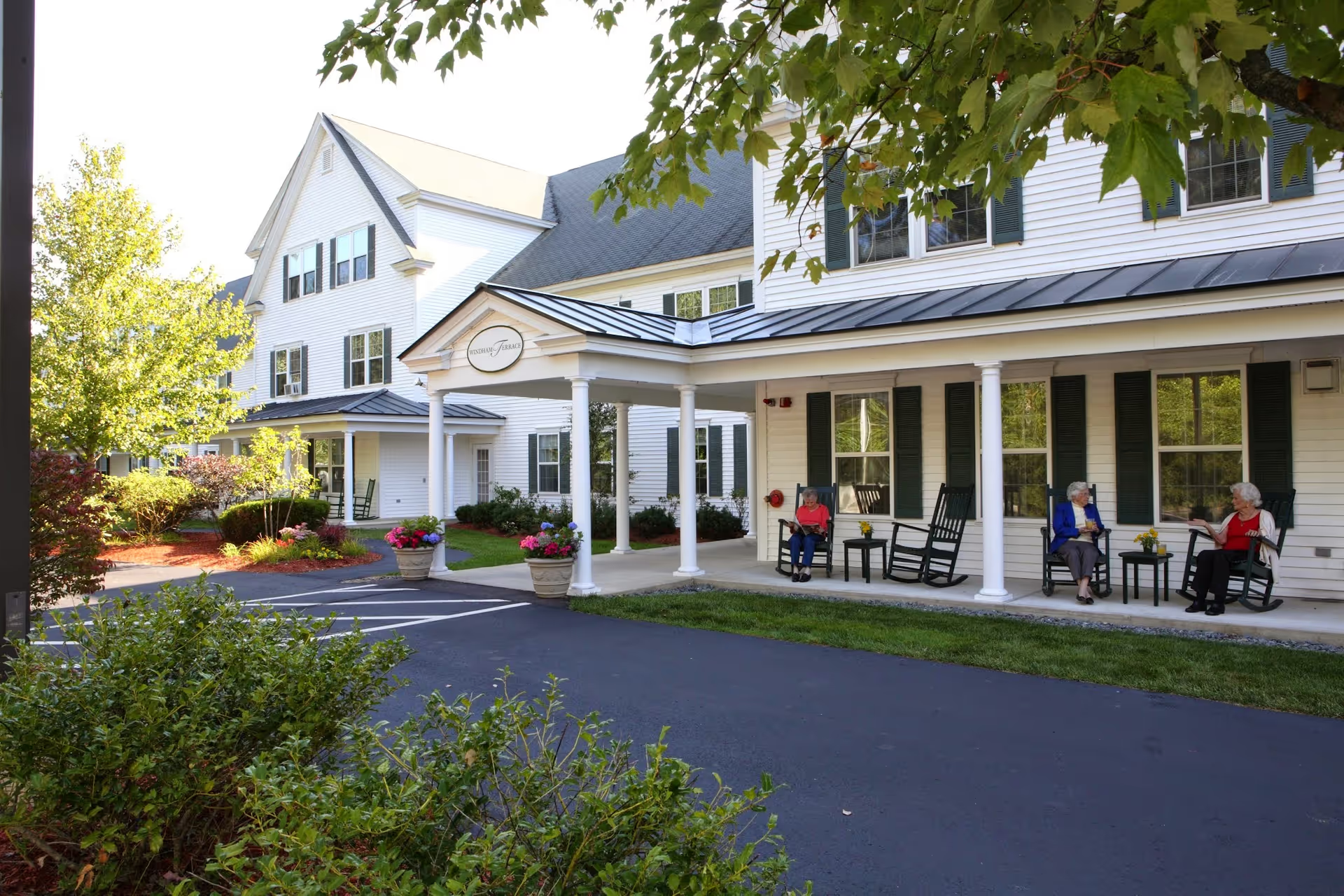
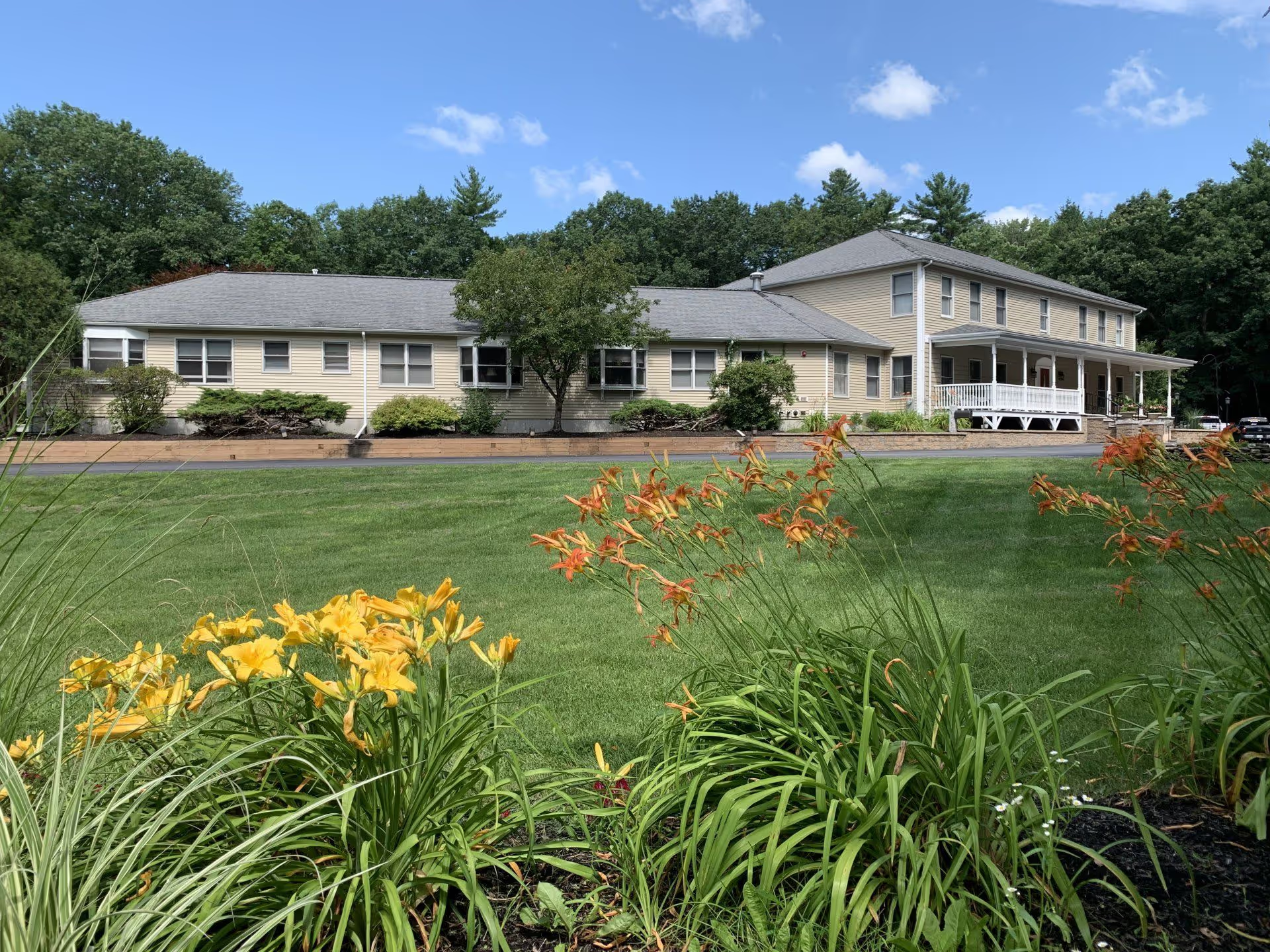
Facilities and cleanliness: The center’s smaller size (approximately 62 beds) and certain common areas are described as welcoming and well maintained by some reviewers. Others raise sanitation concerns, odor-control issues, dust and general maintenance needs in parts of the building, and a general sense that portions of the facility are aged and require upkeep. These observations point to uneven facility maintenance rather than uniformly poor or uniformly excellent conditions.
Management and administration: Leadership and specific administrative staff receive high praise from families for supportive management and positive resident transitions. Conversely, there are serious administrative concerns raised about accounting practices and family interactions; some reviewers allege financial irregularities and problematic management conduct. Because these are significant concerns, prospective families should request documentation of recent surveys, audits, and financial procedures and clarify billing and insurance practices before admission.
Overall recommendation and patterns: The facility appears to deliver strong short-term rehabilitation outcomes and compassionate care from many individual staff members, especially under supportive leadership. However, there is a pattern of inconsistency across shifts and units affecting medication timing, personal-care responsiveness, wound care, meal service, and cleanliness in some areas. Prospective residents and families should balance the evident strengths against these operational weaknesses by arranging an in-person visit, checking recent state inspection results, asking about staffing ratios and night coverage, reviewing wound-care and medication protocols, and speaking with current family contacts when possible.