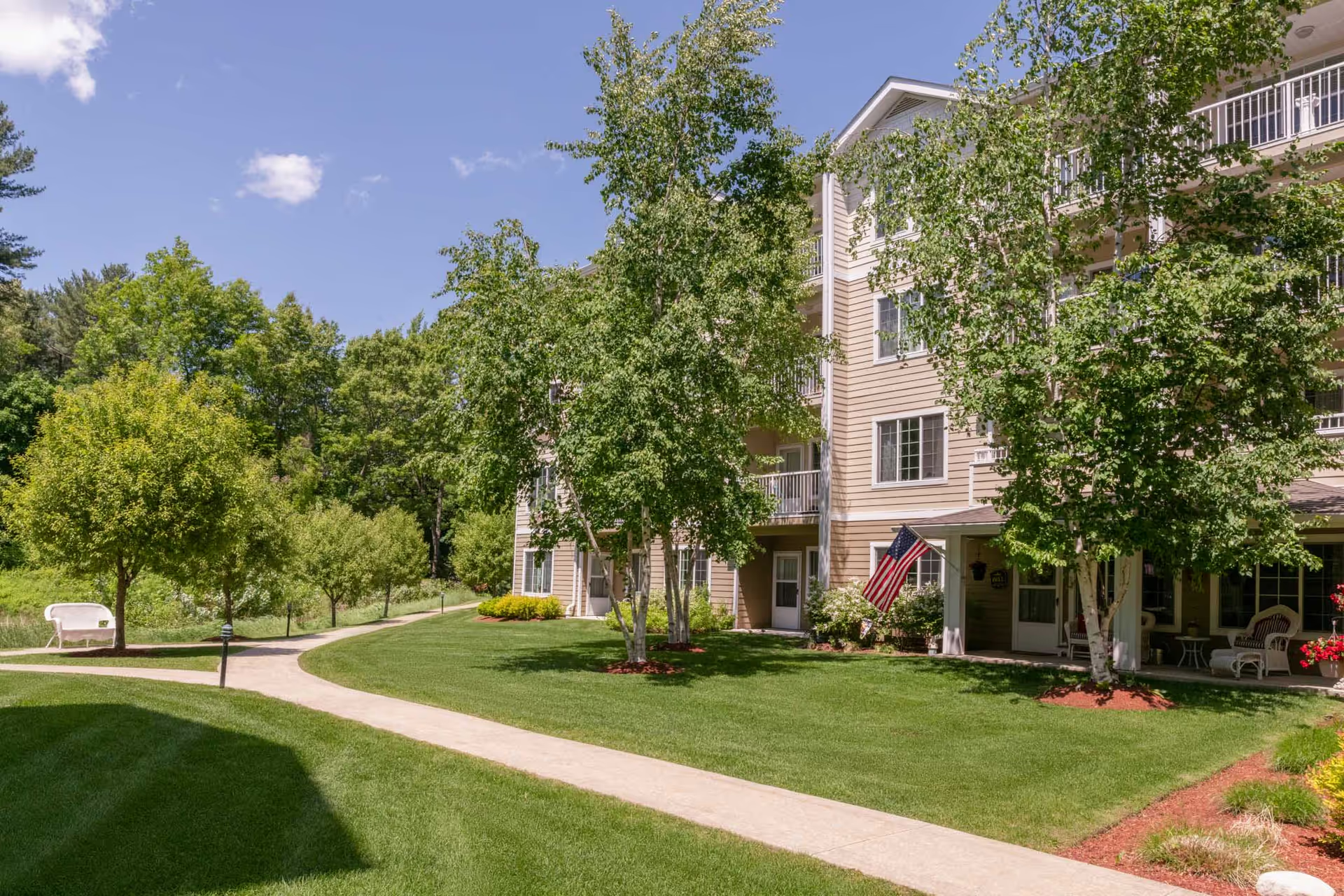
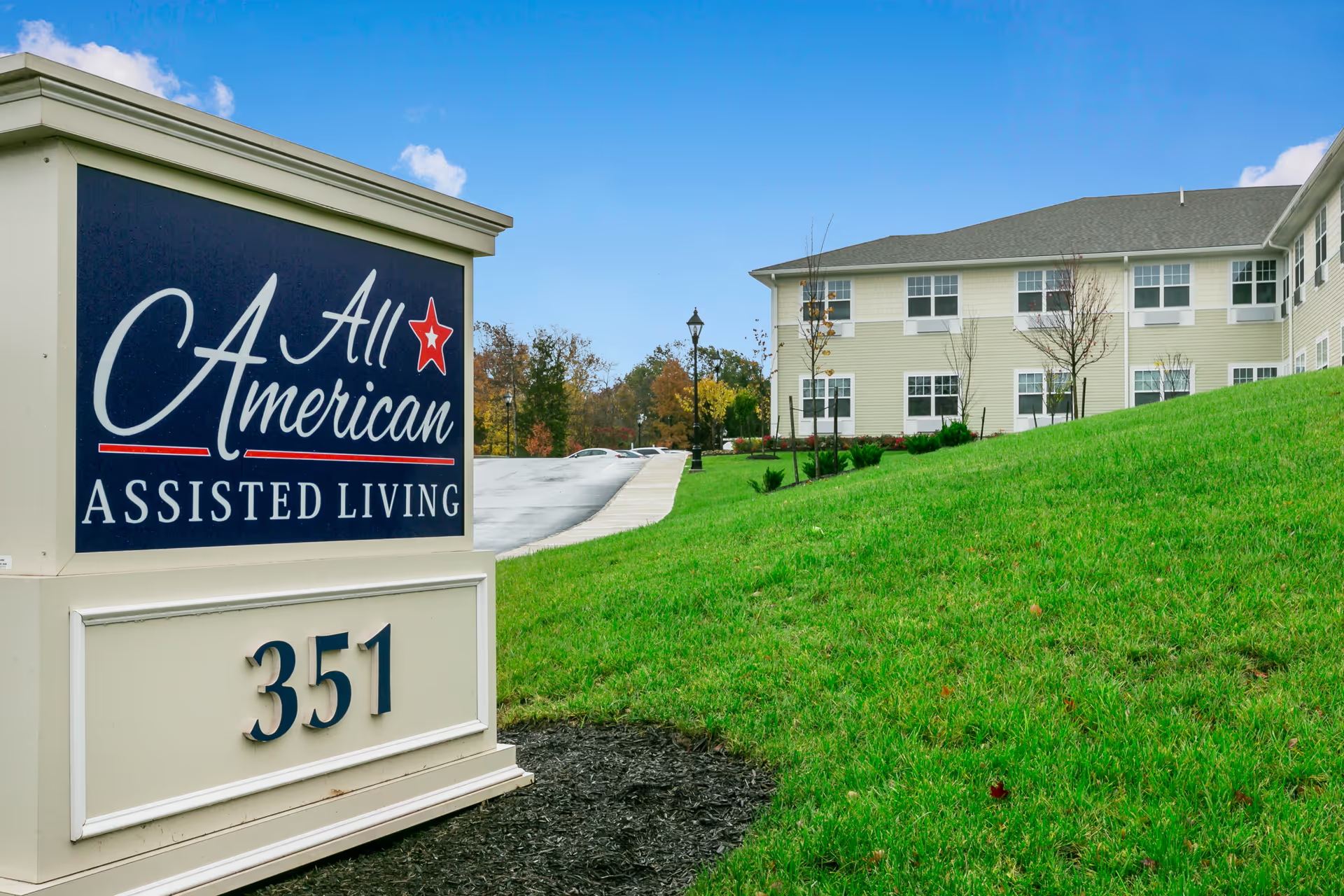
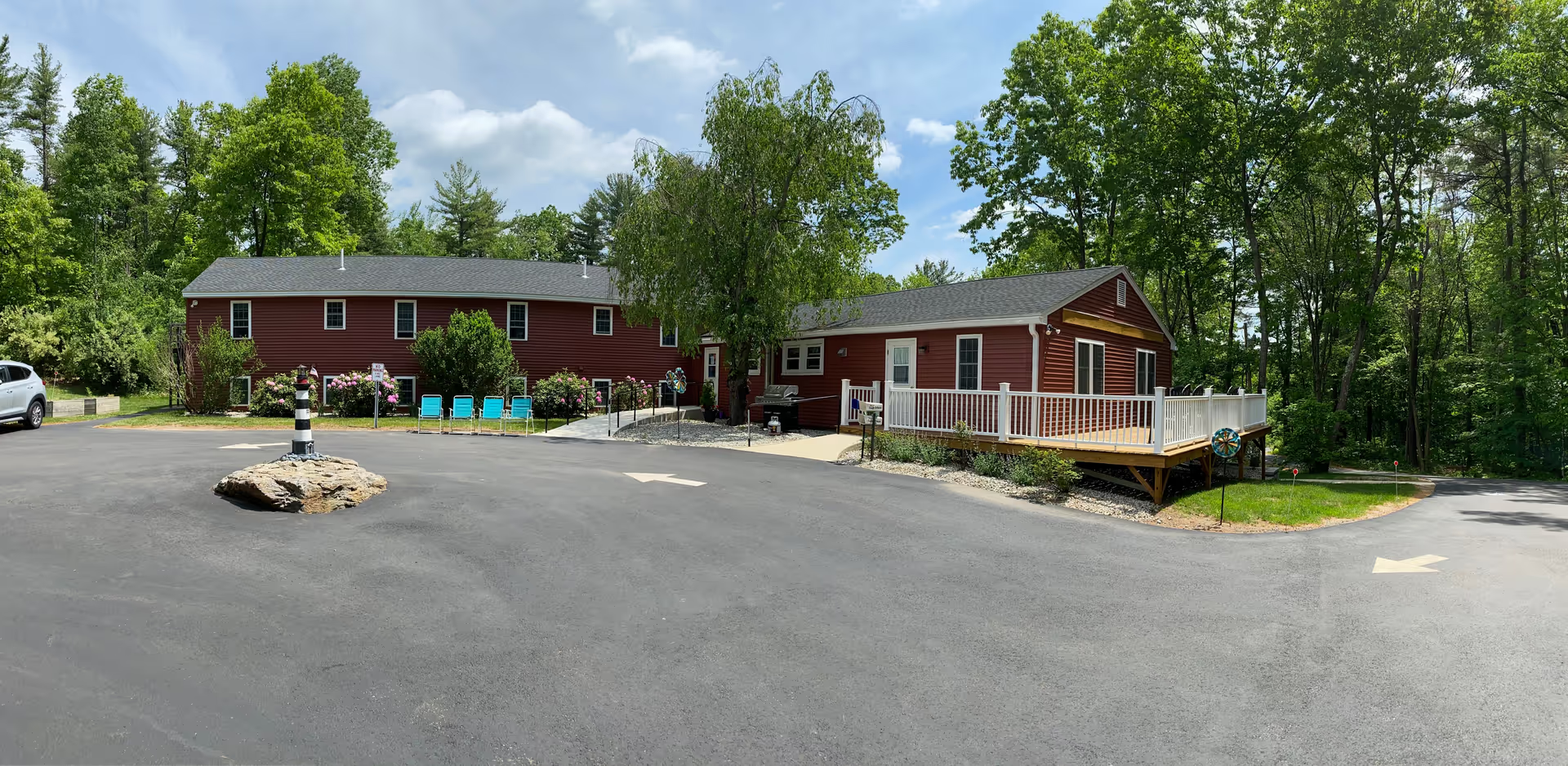
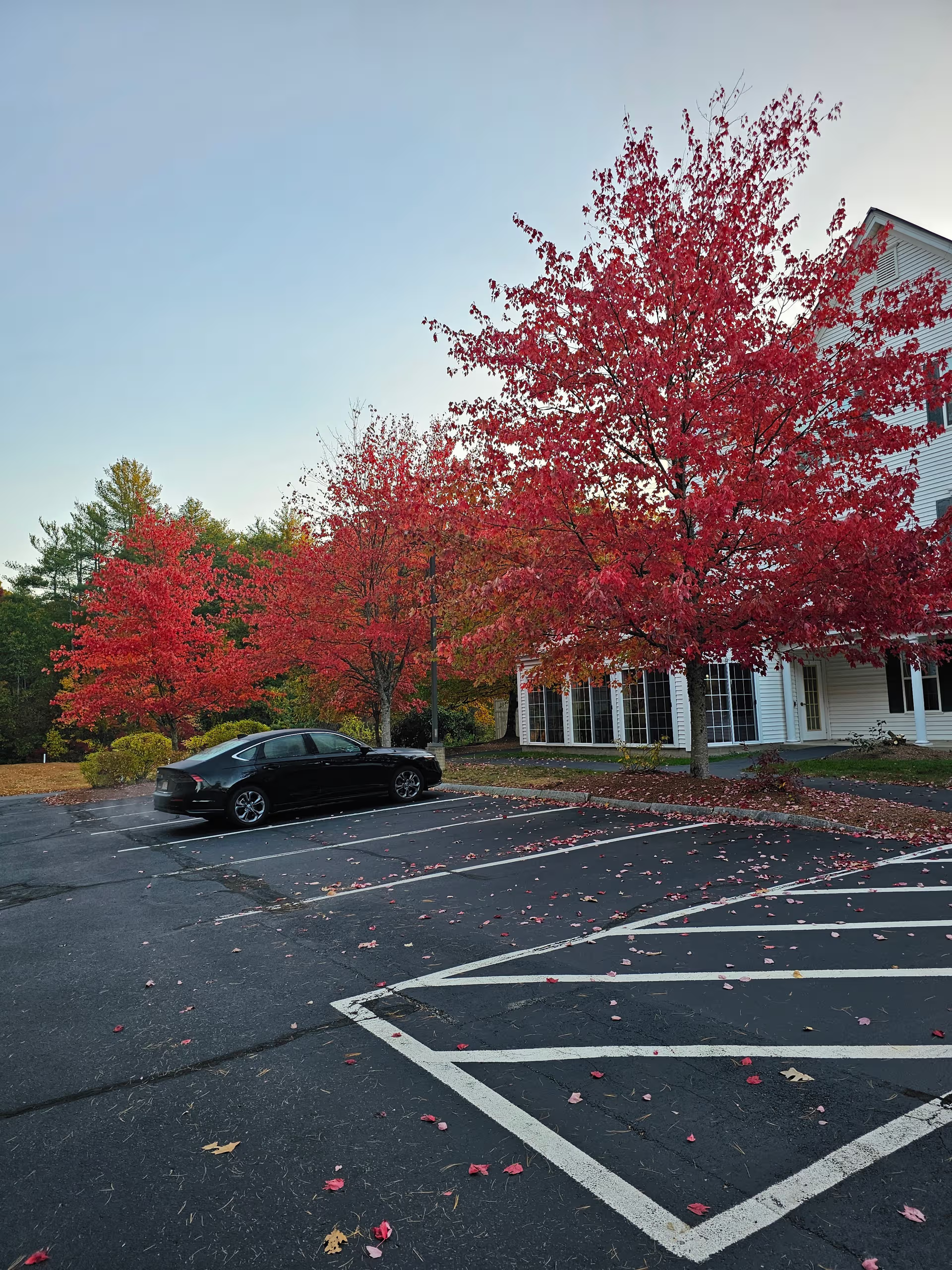
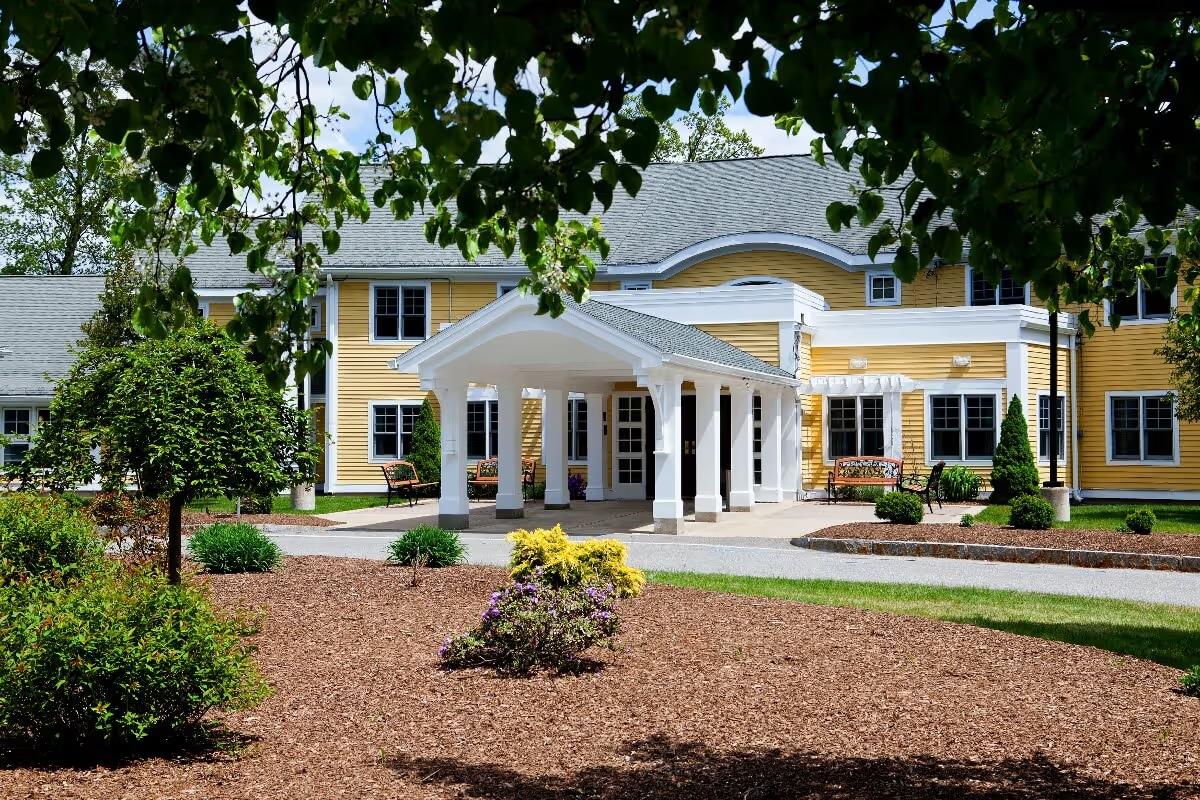
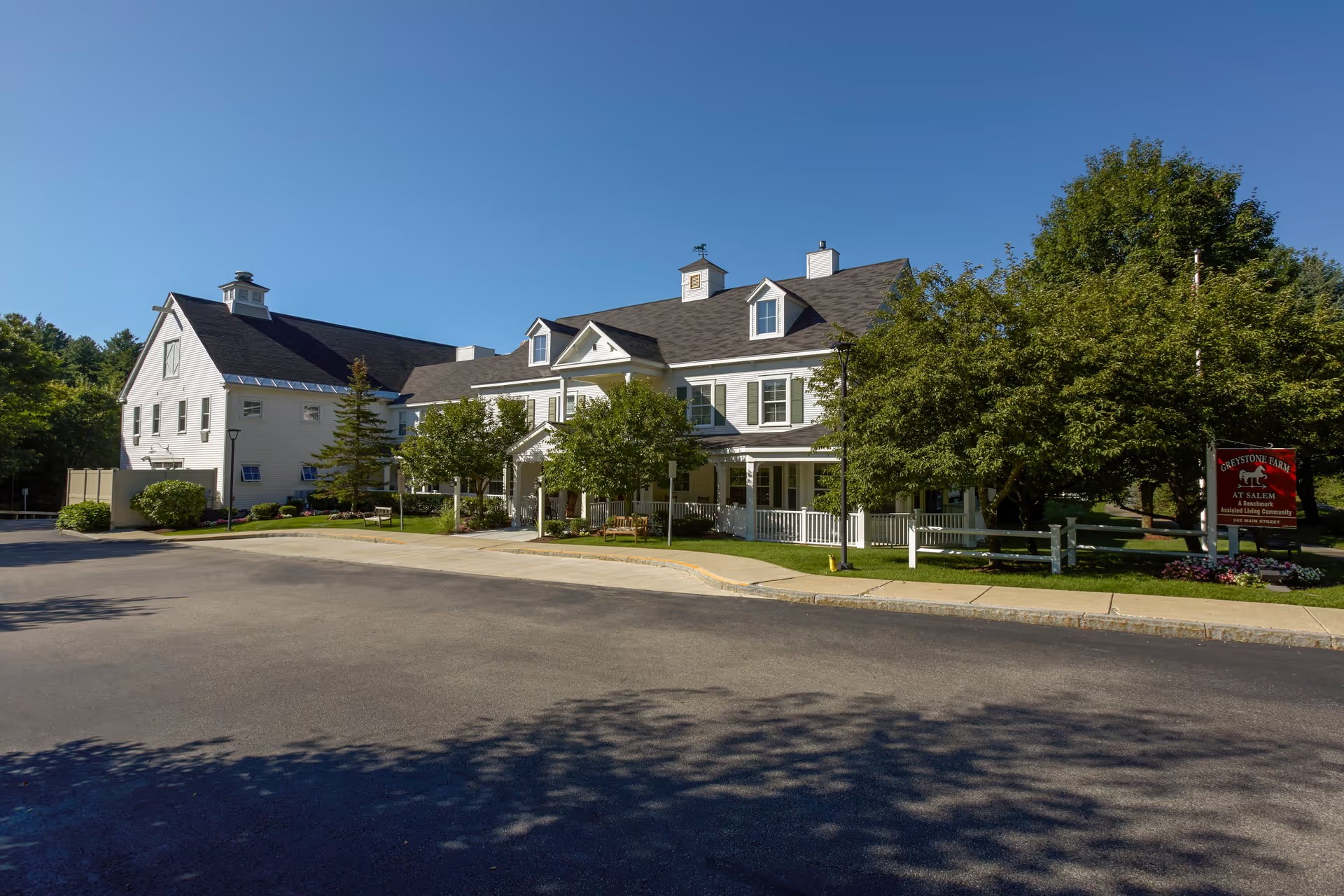
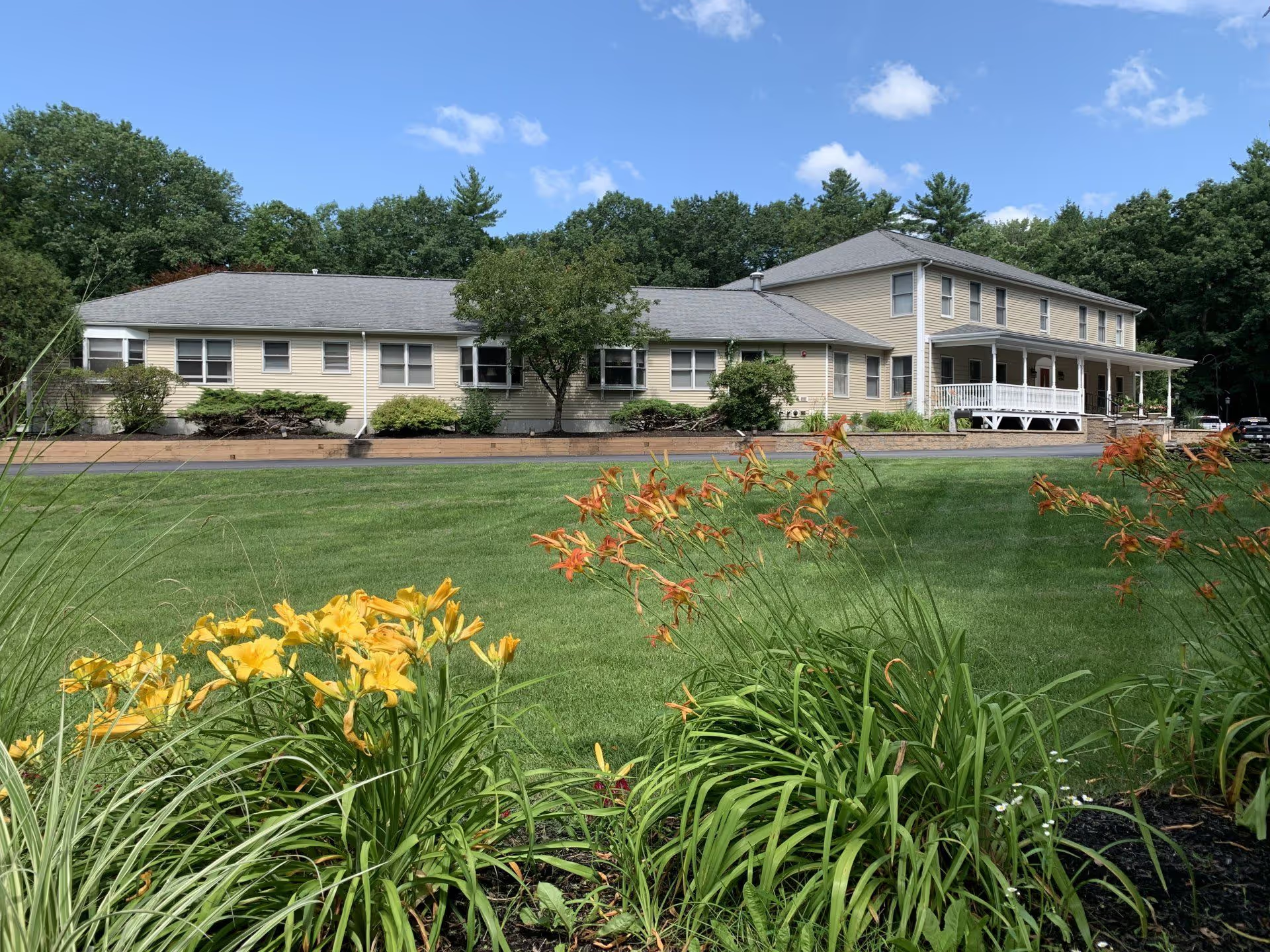
The reviews present a mixed but distinct pattern: many families describe a facility capable of delivering high-quality rehabilitation and compassionate hands-on care, while others describe operational inconsistencies that affect the resident experience. Strengths commonly cited include an engaged therapy department that achieves measurable mobility gains, attentive nursing and aide interactions that families found comforting, and admissions and social-services staff who communicate proactively. The facility offers a range of amenities — daily activities, dietary accommodations, a bistro and salon, and pet visits — that support social engagement and individualized care plans for both short-term rehab and longer-term residents.
Care quality appears to be uneven. Positive accounts emphasize skillful therapy teams, thoughtful nursing attention, and coordinated interdisciplinary care during rehabilitative stays. Conversely, recurring operational concerns include delayed responses to care needs, inconsistent bathing and incontinence support, and variability in clinical oversight and physician communication. Several families reported safety-related issues such as falls and problematic transfer technique; these were described in the context of broader concerns about staffing levels and staff training.
Cleanliness and laundry practices are another area of divergence. Many reviewers praised clean, well-kept units and responsive maintenance staff, while others described sanitation and odor concerns, missed showers, and mishandled or missing personal laundry and belongings. These contrasting reports suggest variability in housekeeping and personal-care execution across shifts or units rather than a uniform condition.
Dining and activities receive generally favorable comments for home-style meals, flexibility with dietary needs, and a robust activity calendar; nevertheless, some families experienced inconsistent food quality or limited stimulation in specific units. Therapy and activity programming are often highlighted as central to positive short-term rehab outcomes, but long-term residents’ experiences of consistent engagement appear to fluctuate.
Management and administrative areas show both strengths and weaknesses. Admissions, case management, and some members of leadership are frequently commended for clear communication and family outreach. At the same time, multiple reviewers raised concerns about billing practices, Medicaid/insurance authorization handling, and variable administrative responsiveness when clinical or financial problems arise. High staff turnover and weekend staffing gaps were cited as underlying contributors to several operational lapses.
Overall, the facility demonstrates clear capacity for compassionate, effective rehabilitation and individualized care when staffing, supervision, and housekeeping align. Prospective residents and families should weigh the strong therapy and interpersonal strengths against the documented variability in staffing consistency, sanitation controls, responsiveness to care needs, laundry and belongings management, and billing processes. When considering placement, it may be constructive to ask management for current staffing ratios, care-response time practices, laundry/housekeeping protocols, and how the facility addresses clinical oversight and family communication during off-hours.