The reviews present a polarized picture of the facility: many families highlight compassionate, engaged staff members and useful operational improvements such as an enhanced visitor check-in system, while other accounts raise substantive operational and clinical concerns. Strengths most consistently described include attentive bedside staff who provide frequent family communication, active programming that supports social engagement, and availability of hospice and end-of-life services. Several reviewers specifically praised individual staff and new security features that streamline visits and identification.
Clinical-care feedback is mixed. Positive comments emphasize attentive nursing and aides who assist with daily needs and coordinate family meetings or phone consults. Conversely, other reviews point to delays in response, interruptions in wound-care processes, medication-administration inconsistencies, and challenges obtaining timely physician documentation. A few reviewers described serious incidents involving handling and privacy that they characterized as significant; these are notable allegations families should address directly with facility leadership when evaluating placement.
Staff behavior and professionalism also vary by report. Multiple accounts describe courteous, helpful employees and staff who go beyond duty to support residents. At the same time, other accounts cite concerns about tone, discourteous interactions, lapses in basic infection-control practices (for example glove use), odor concerns, and defensive responses from some supervisors. These mixed reports suggest variability across shifts and individual employees rather than a uniform staff culture.
Dining and activities show similar inconsistency. Activity offerings and opportunities for social engagement (including games and regular events) are frequently appreciated. Meal quality, however, is described inconsistently: some families praise meal variety and assistance, while others characterize the dining experience as unsatisfactory. Mealtime support is available in some cases but not uniformly noted.
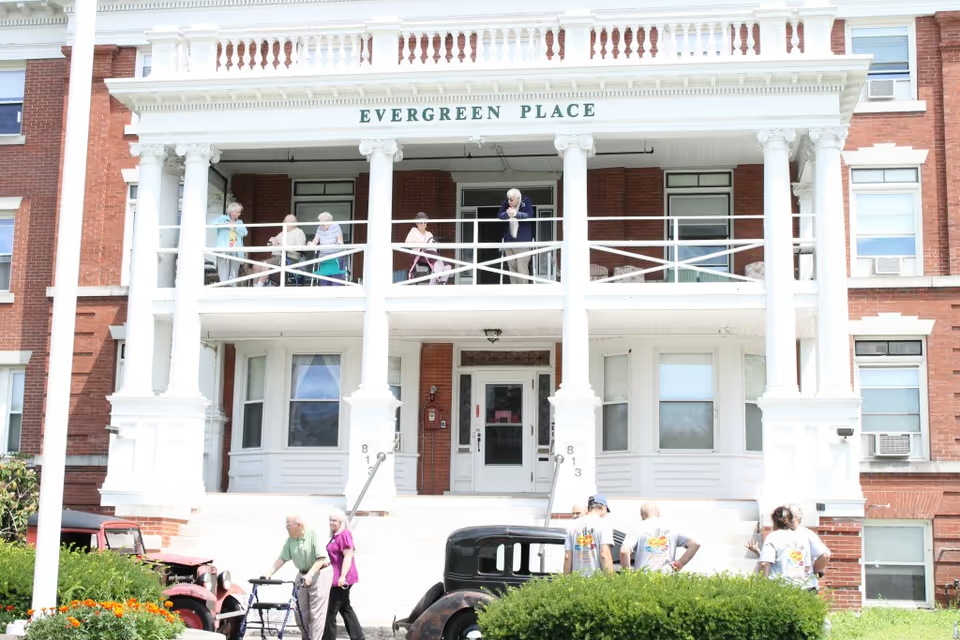
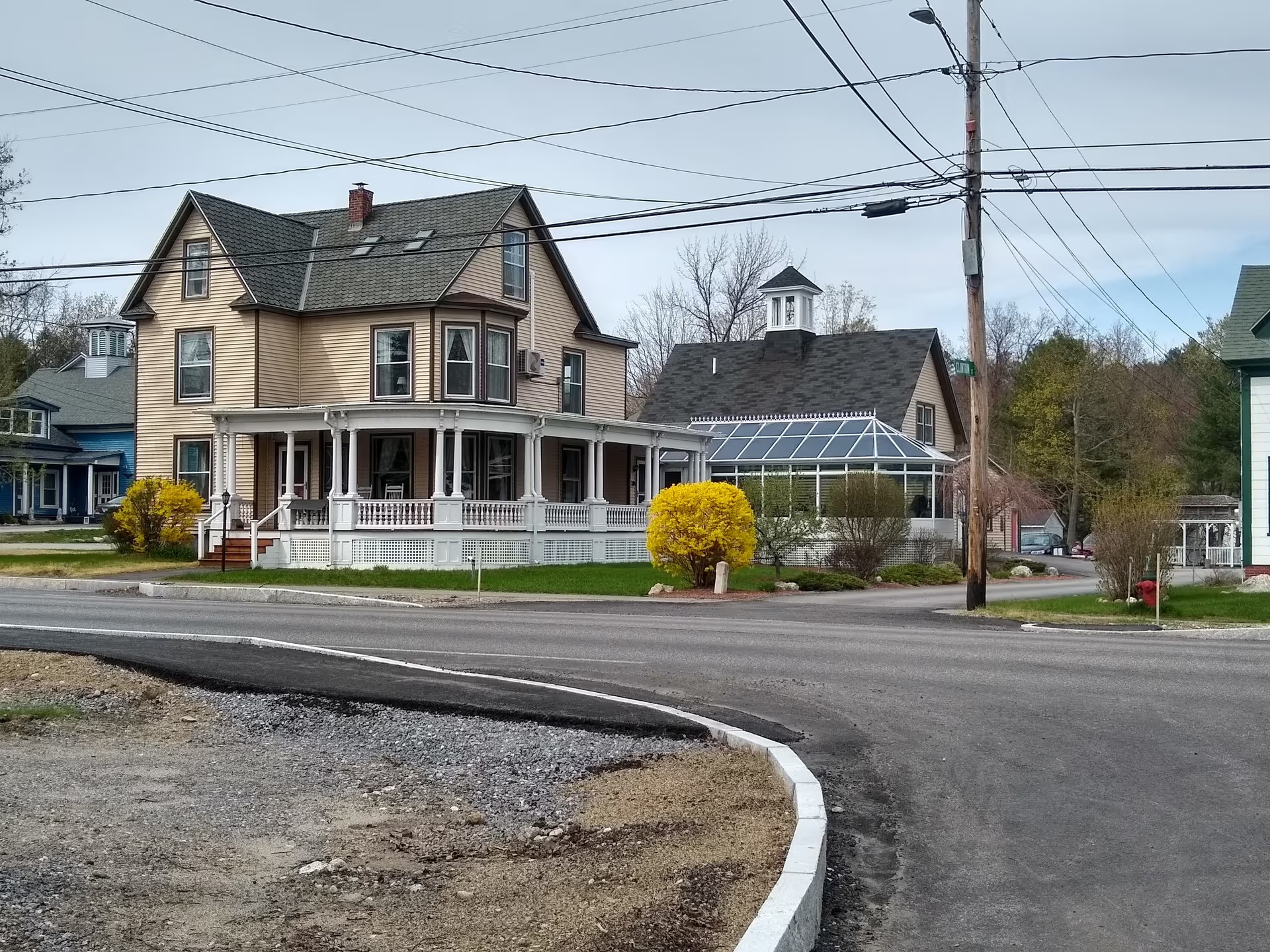
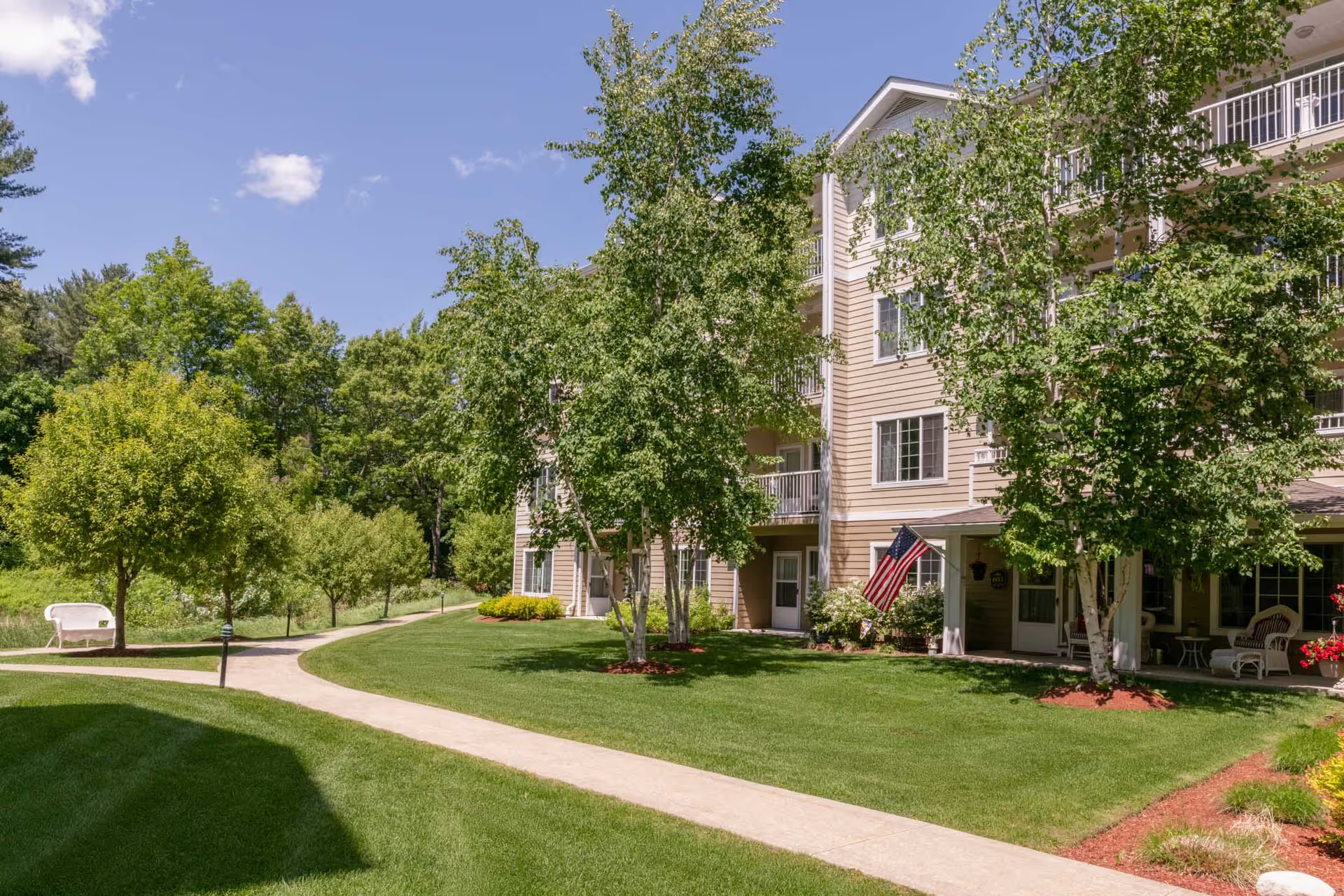
Facility condition and safety considerations are another area of divergence. Several reviewers describe an older building with needed repairs, limited outdoor options or views, noise disturbances, frequent room changes, and overcrowded rooms at times. At the same time, security and sign-in upgrades were highlighted as improvements that enhance visitor safety. Concerns about maintenance of building systems and privacy management were raised and should be considered alongside the security enhancements when assessing the physical environment.
Management and administrative practices receive mixed feedback. Some families report clear communication, regular updates, and cooperative managers who hold family meetings. Others report difficulty obtaining physician notes, inconsistent responses to complaints, documentation errors (including name-typing and paperwork timing concerns), and a perception that staffing constraints are used to explain operational problems. Belongings and room-move requests were also cited as intermittent administrative issues.
Overall pattern: experiences range from highly positive—characterized by dedicated, communicative staff and effective security measures—to concerning, with operational gaps in clinical escalation, infection-control adherence, and facility maintenance. Prospective residents and families would be well served to verify current staffing levels and coverage, ask about wound-care and medication-administration protocols, review privacy and transfer procedures, evaluate dining menus and activity schedules, and tour the specific unit and room they would occupy to assess condition and noise/privacy factors. Direct conversations with management about how complaints are handled and what recent corrective actions have been taken can help clarify whether the facility’s strengths are consistently delivered in the areas most important to a given resident.