Overall impression: Reviews describe a facility with strong clinical rehabilitation services, a caring direct-care workforce, and an active social and spiritual life for residents, alongside operational and management inconsistencies that produce variable resident experiences.
Care and clinical services: The facility's rehabilitation program and therapy staff are frequent strengths in the reviews—physical, occupational, and speech therapists are characterized as skilled and effective, and many patients achieved measurable improvements and timely discharge home. Nursing staff and nursing assistants are often described as compassionate and attentive; families commonly cited helpful daily updates and clinicians who know residents by name. However, reviewers also identified systemic gaps in clinical processes: medication-administration controls, timely documentation of vital signs and lab results, and the consistency of infection-control and safety-policy implementation. Reliance on agency and per-diem nurses with uneven training was associated with variable care quality and errors in a subset of accounts.
Staff, communication, and leadership: Direct-care staff—including LNAs, nurses, therapists, activity staff, and maintenance—receive consistently positive comments for bedside manner, responsiveness, and individualized attention. Maintenance responsiveness and proactive environmental upkeep are also noted positively. In contrast, administrative responsiveness and management follow-through are recurring concerns. Families reported delays in outreach to powers of attorney, inconsistent answers from leadership, and unclear escalation or incident-followup procedures. These management-level issues appear to be a primary driver of frustration when clinical or operational problems arise.
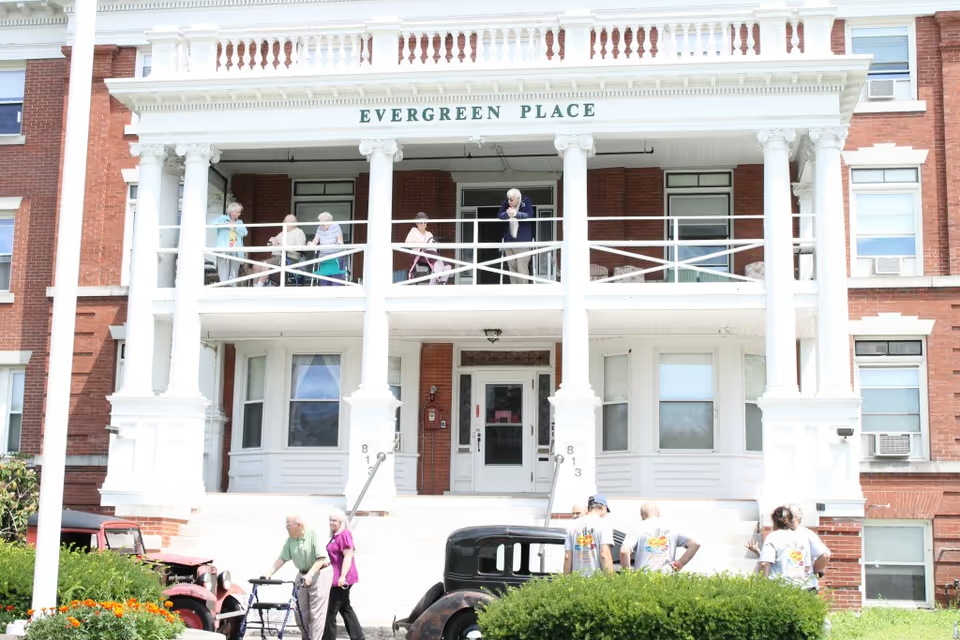
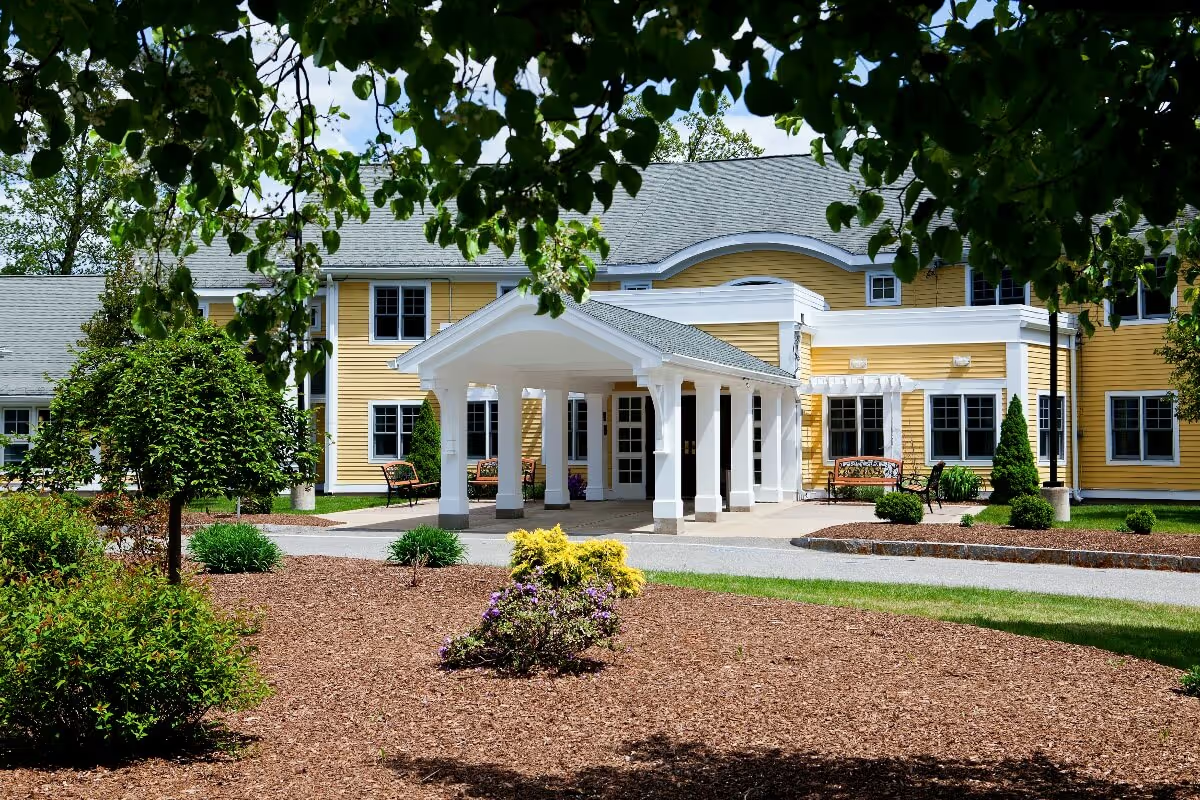
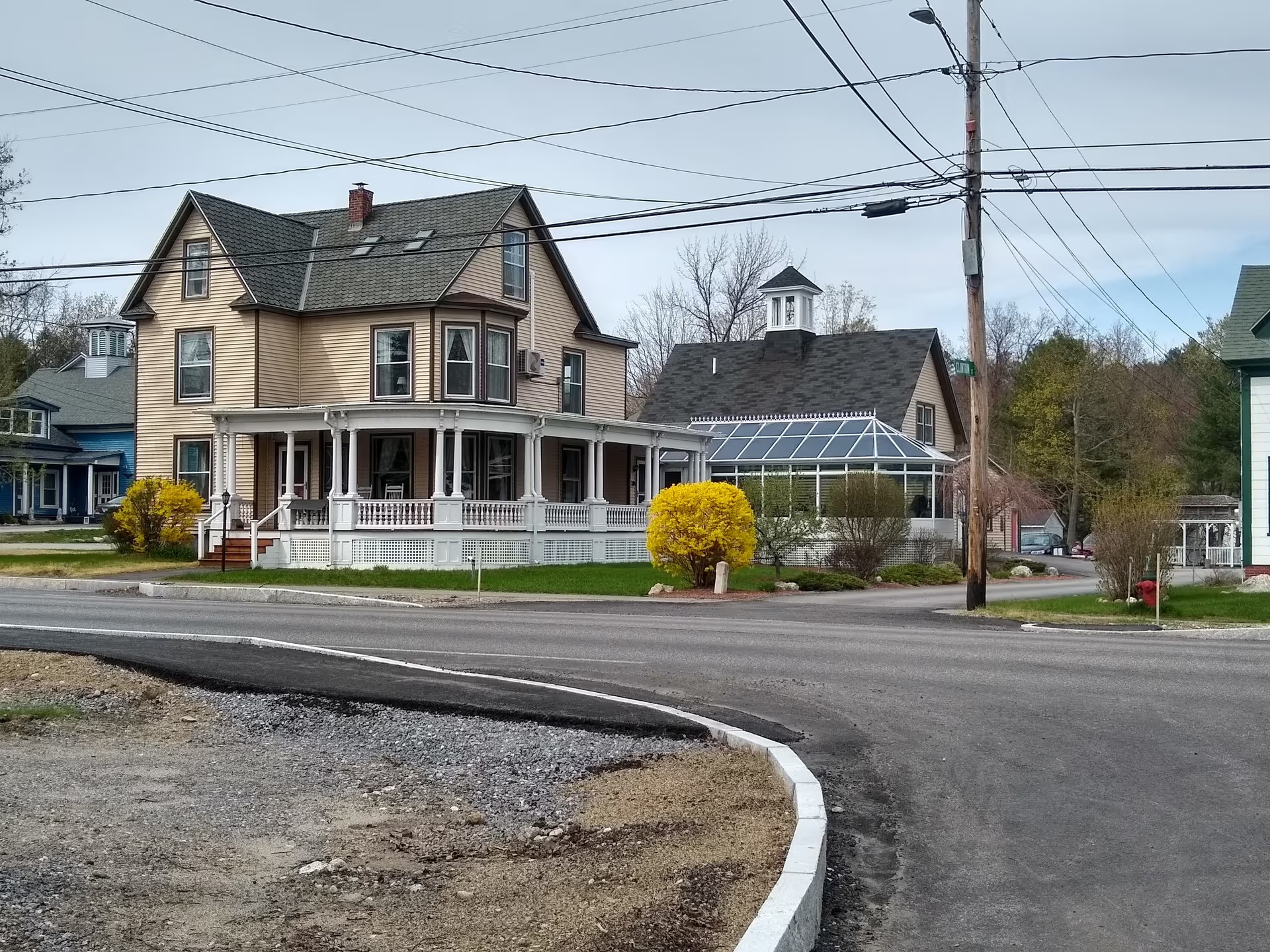
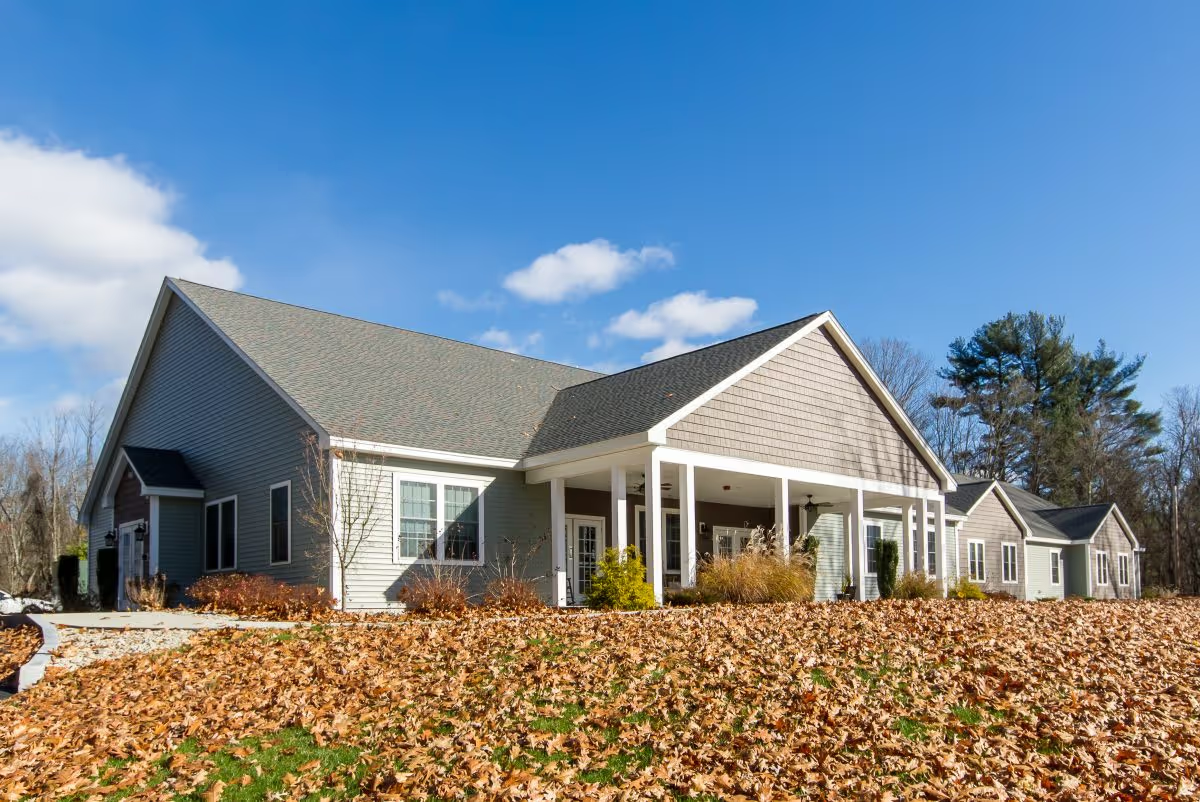
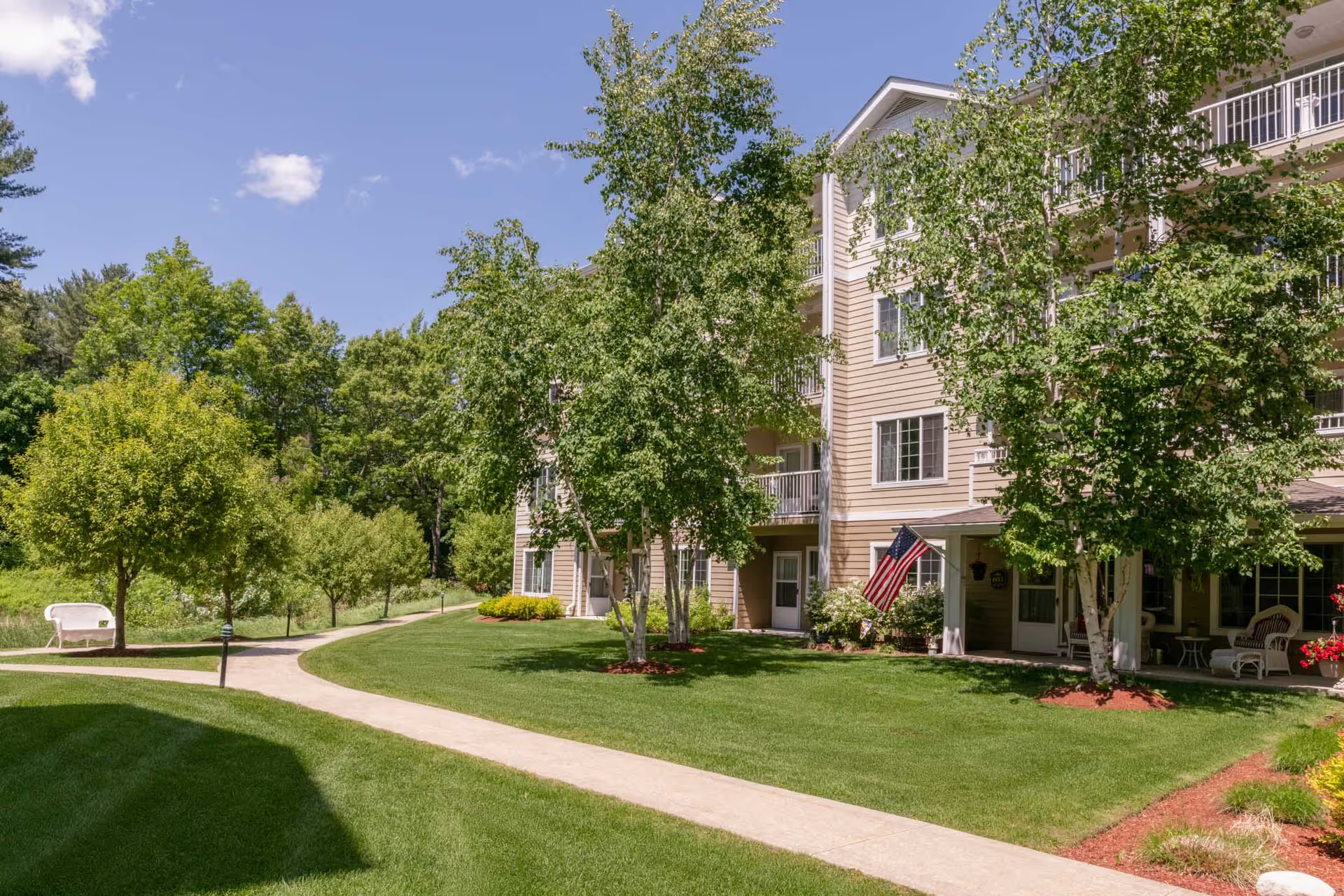
Dining, hygiene, and facilities: The facility’s physical environment is frequently praised for cleanliness, welcoming common areas, private rooms, a garden, and a well-equipped therapy gym. The on-site chapel, cafe, and family-style dining areas are positively highlighted for contributing to a home-like atmosphere. At the same time, dining quality and meal delivery were described as inconsistent—complaints include off-temperature meals, unmet dietary restrictions, and limited choices at times. Several reviews raised sanitation and pest-control concerns tied to kitchen areas and food safety; these concerns led some family members to call for regulatory inspection. Environmental comfort issues such as uneven temperature control were also mentioned.
Activities and community life: The activities program is a consistent strength: reviewers note a wide variety of social, recreational, and spiritual activities (Mass, trips, games, salon services), with staff who encourage participation while respecting residents’ desire for solitude. The memory-care unit and dementia-friendly practices are singled out as secure and engaging by many families.
Notable patterns and takeaways: The dominant pattern is of strong frontline caregiving and therapeutic effectiveness coupled with variability in operational reliability. Positive experiences tend to emphasize rehabilitation outcomes, compassionate staff, and an engaging social environment. Negative experiences cluster around management responsiveness, staffing variability (particularly agency/per-diem competence), medication and documentation controls, inconsistent personal-care routines, dining reliability, and sanitation/pest-control processes. Prospective residents and families should weigh the facility’s strong therapy and activity offerings and its generally compassionate staff against the potential for uneven administrative and operational performance; when possible, ask management about staff training for agency personnel, medication-safety protocols, sanitation audits, and family-communication procedures before admission.