Overall impression: Reviews describe a facility with many operational strengths alongside isolated but significant clinical concerns. Strengths most often cited include attentive, compassionate staff, a robust rehabilitation program, person-centered care, and a clean, welcoming environment. Families frequently note good communication from administration and strong support for transitions home.
Care and staff: Many accounts emphasize knowledgeable, caring nurses and therapists who support recovery and provide calm, reassuring care. Several reviews highlight effective rehab services and assistance with insurance and homecare paperwork that facilitated smooth discharges. At the same time, a minority of reviews raised serious issues related to basic care needs — specifically deficiencies in incontinence care and gaps in pressure-injury/wound management — and described variability in nursing‑aide performance. There are also comments about inconsistent approachability among some staff; a few of these concerns were later described as addressed by management.
Dining and activities: Dining services are repeatedly described as pleasant, with two dining rooms and generally positive remarks about food quality. The facility appears to maintain an active calendar: reviewers note engaged activities staff, frequent social programming, and opportunities for residents to be involved in daily programs. In-house grooming, a beauty salon, and regular holiday decorations contribute to a homelike atmosphere.
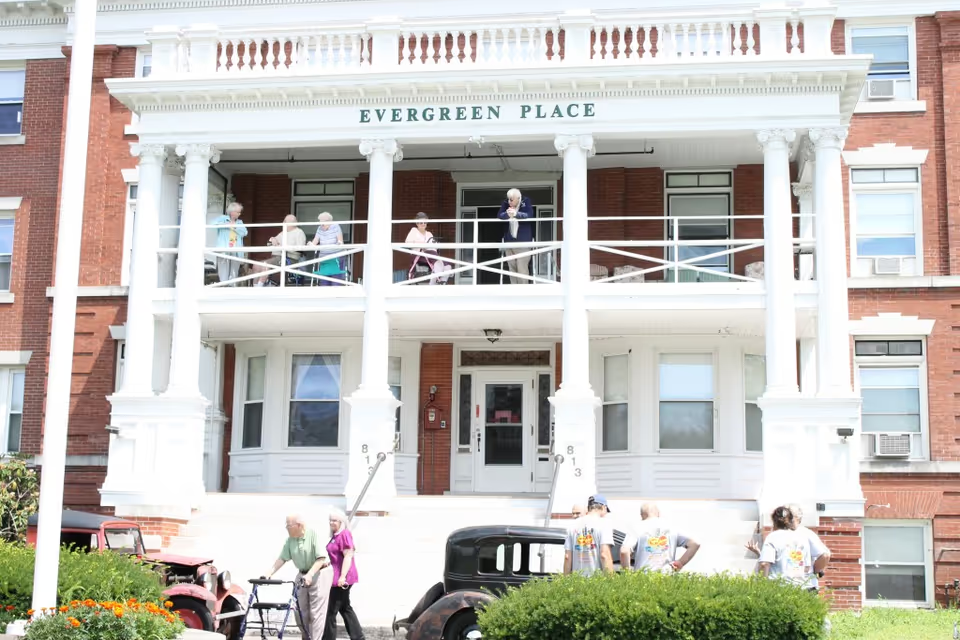
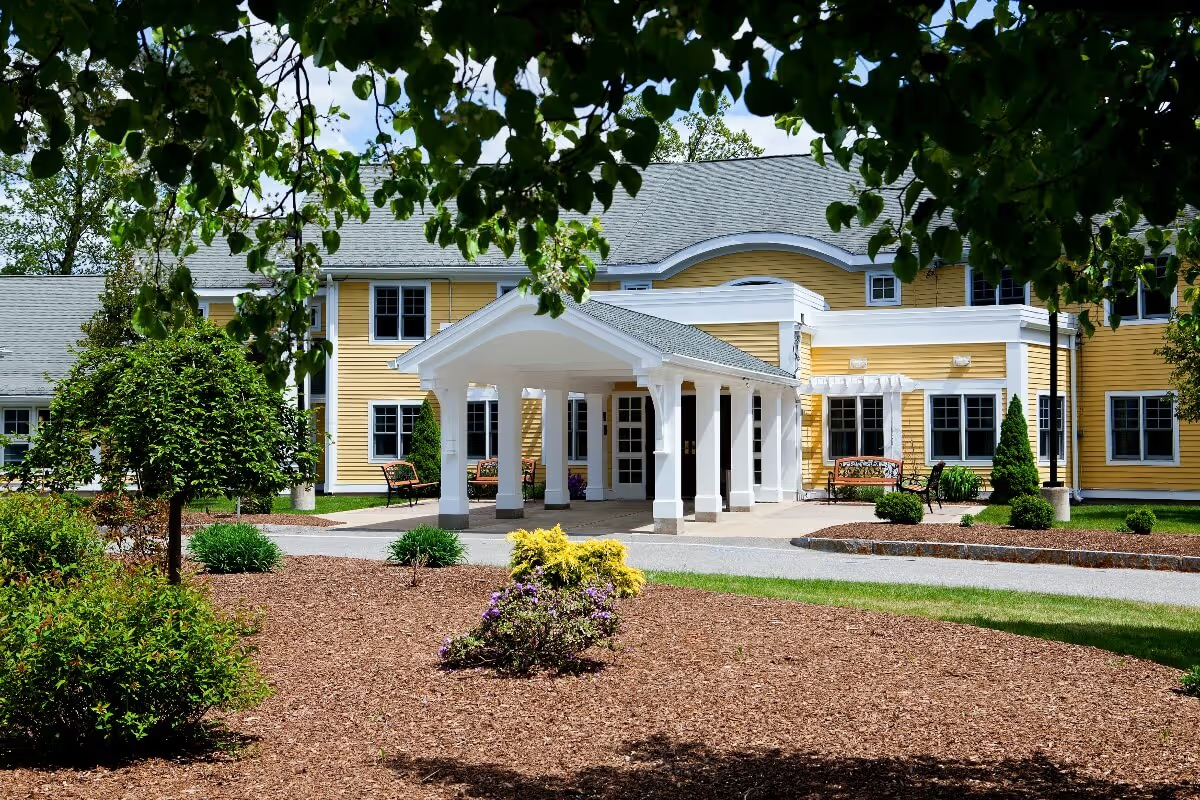
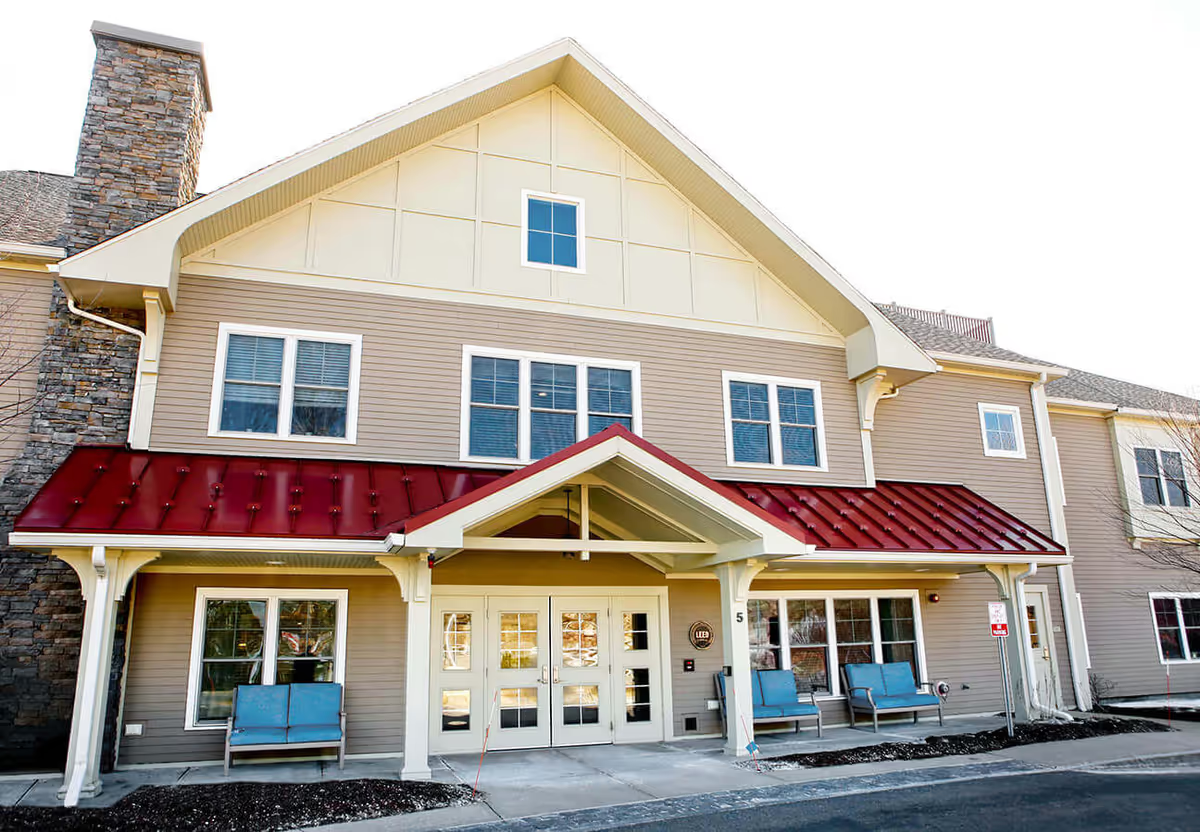
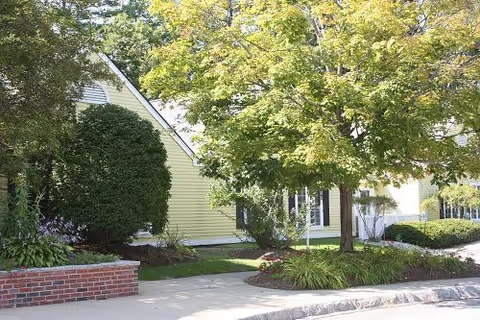
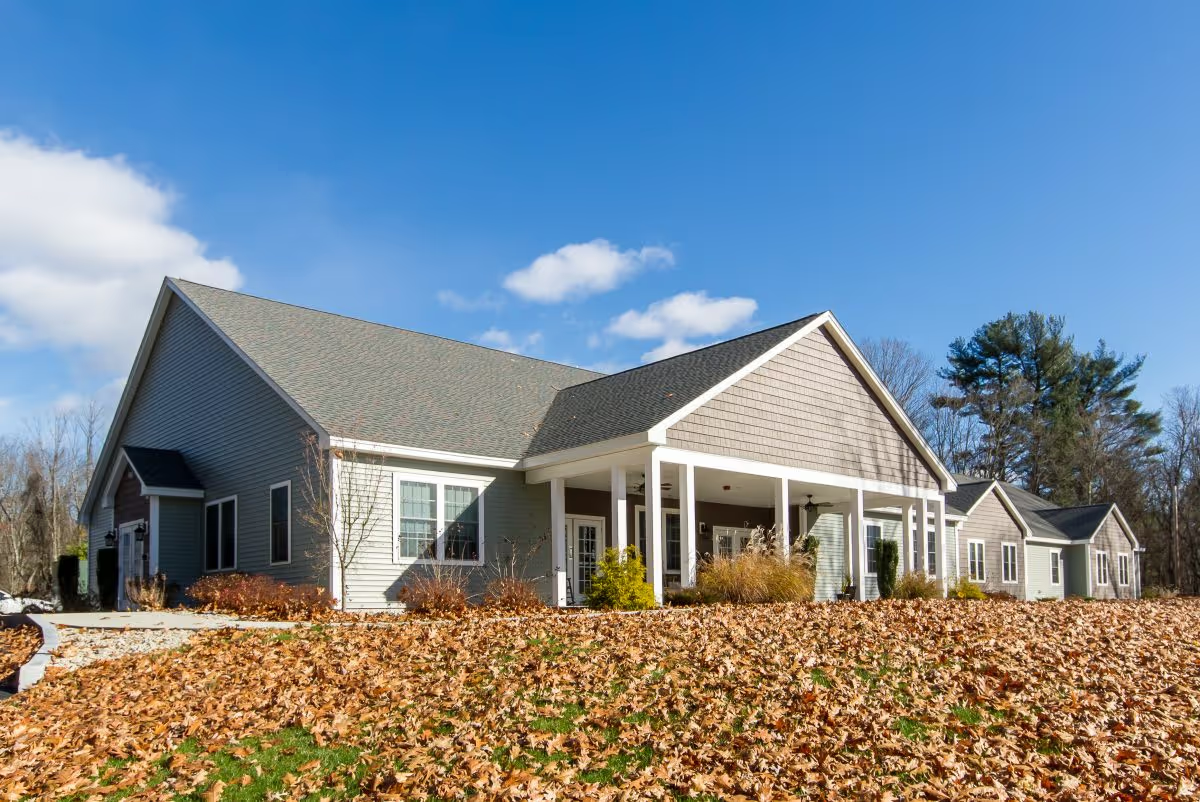
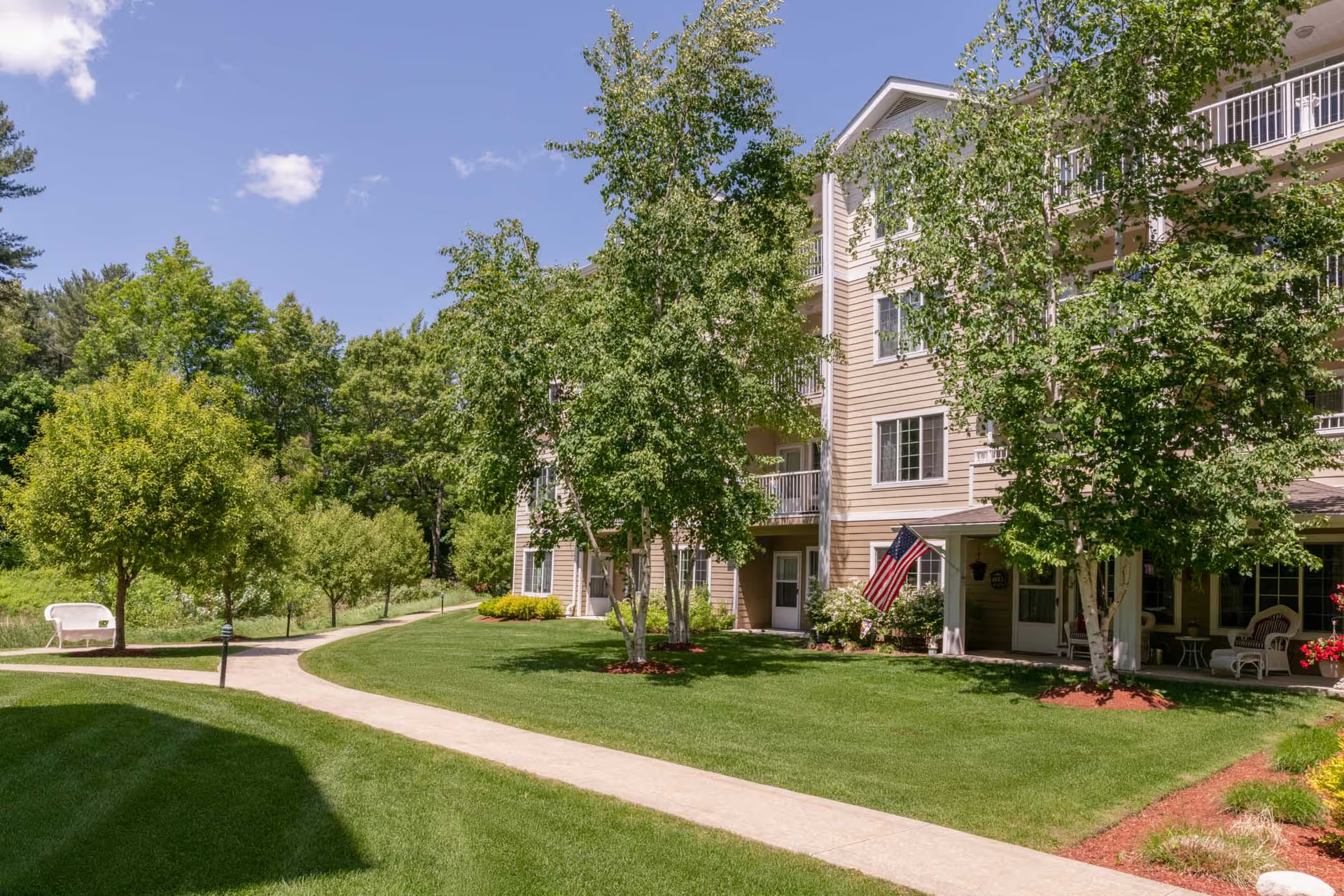
Facilities and amenities: The building and common areas are characterized as clean and well maintained. Reviewers describe comfortable, decorated interiors, a library, outdoor seating with bird feeders and picnic tables, and physical‑therapy options for exercise. The small‑community feel and visible maintenance support are frequently cited as positives.
Management and communication: Administrative and support staff receive favorable comments for being informative and helpful. Families report clear communication, assistance with paperwork, and a family-centered approach to end‑of‑life and respite care. Positive notes include prompt medication adjustments and coordinated discharge planning.
Notable patterns and suggested areas to verify in person: While the dominant narrative is positive, the presence of isolated but serious clinical concerns (incontinence-care and pressure‑injury management) and variability in frontline aide conduct suggest that prospective residents and families should confirm current protocols and oversight during a visit. Additional items to clarify include staffing consistency, wound‑care procedures, incontinence-care routines, the facility's smoking policy (some reviews mentioned smoking activity near the entrance), and how the facility addresses cultural or religious preferences when families perceive care influence. These checks will help balance the generally favorable reports of rehabilitation, activities, and facility upkeep with the operational issues raised by a minority of reviewers.