The Courville at Manchester elicits a broadly mixed picture in family and resident feedback, with a substantial set of strengths alongside recurring operational concerns. Reviewers frequently praised the facility's clinical rehabilitation services, describing robust physical and occupational therapy programs that have helped many residents regain mobility and independence. Nursing and caregiving staff are often characterized as compassionate and professional, and several families highlighted proactive case management, prompt insurance coordination, and clear communication from social work and administration.
At the same time, a cluster of operational weaknesses appears regularly. Staffing consistency is a prominent issue: families report short staffing, turnover, and variable staff morale, which correlate with delayed responses to resident needs and occasional lapses in supervision in common areas. These staffing challenges are linked in some accounts to delays in assistance for personal-care needs and interruptions to meal service. Alongside responsiveness concerns, reviewers raised sanitation and housekeeping issues in specific areas and reported instances of missing or mishandled personal items, indicating weaknesses in property tracking and housekeeping protocols.
Clinical practice strengths coexist with concerns about policy adherence. While many families praised individualized, family-focused end-of-life support and attentive clinical teams, there are isolated but serious reports of lapses in following documented clinical orders and advance directives and of medication-management problems. These reports point to the need for stronger clinical-policy consistency and tighter medication-control processes to ensure that documented wishes and care plans are consistently honored.
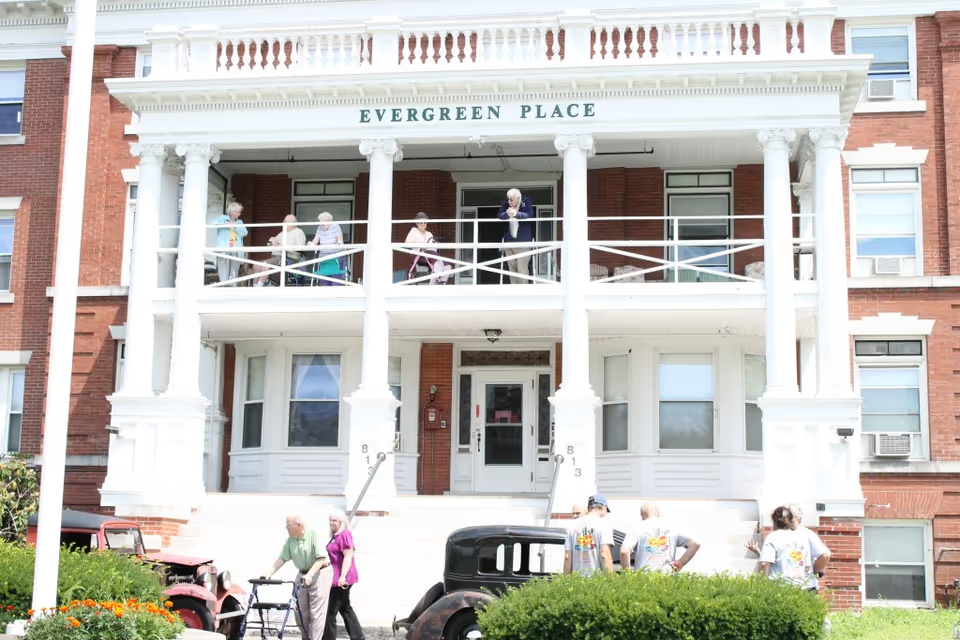
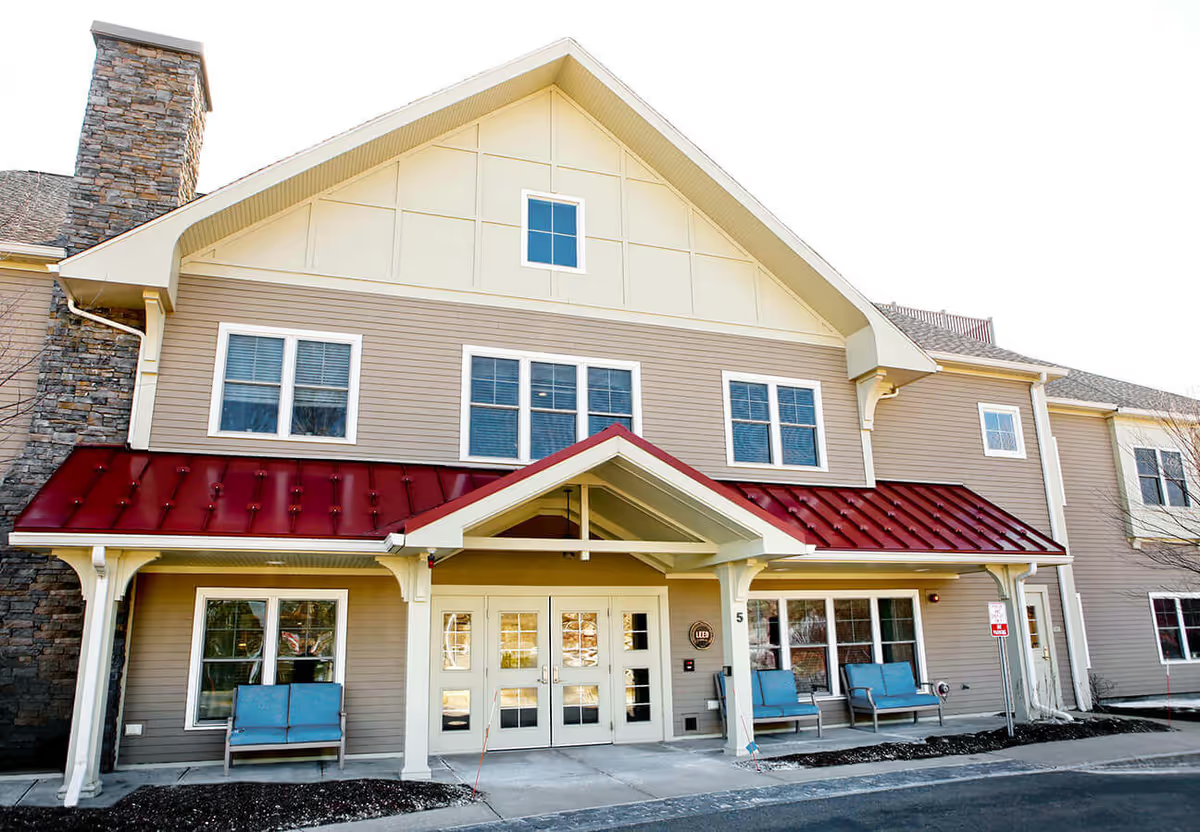
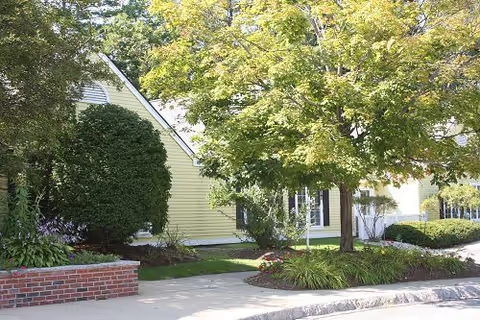
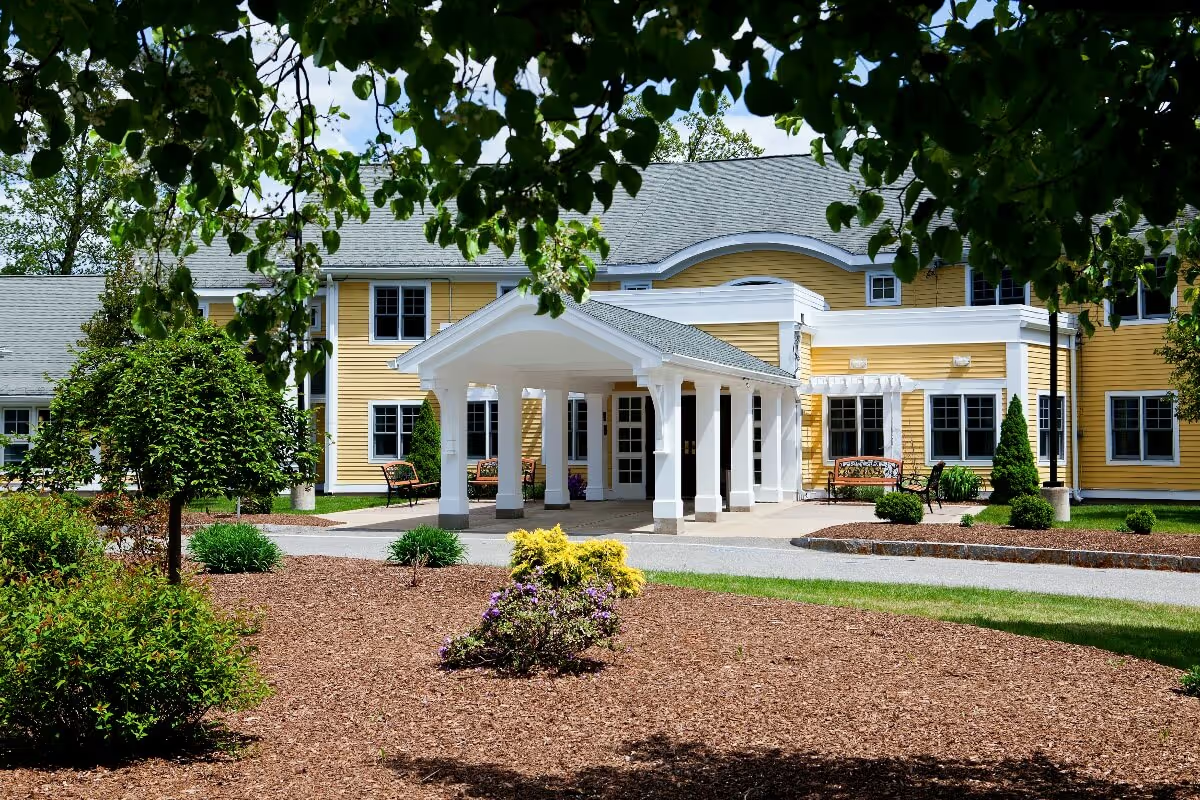
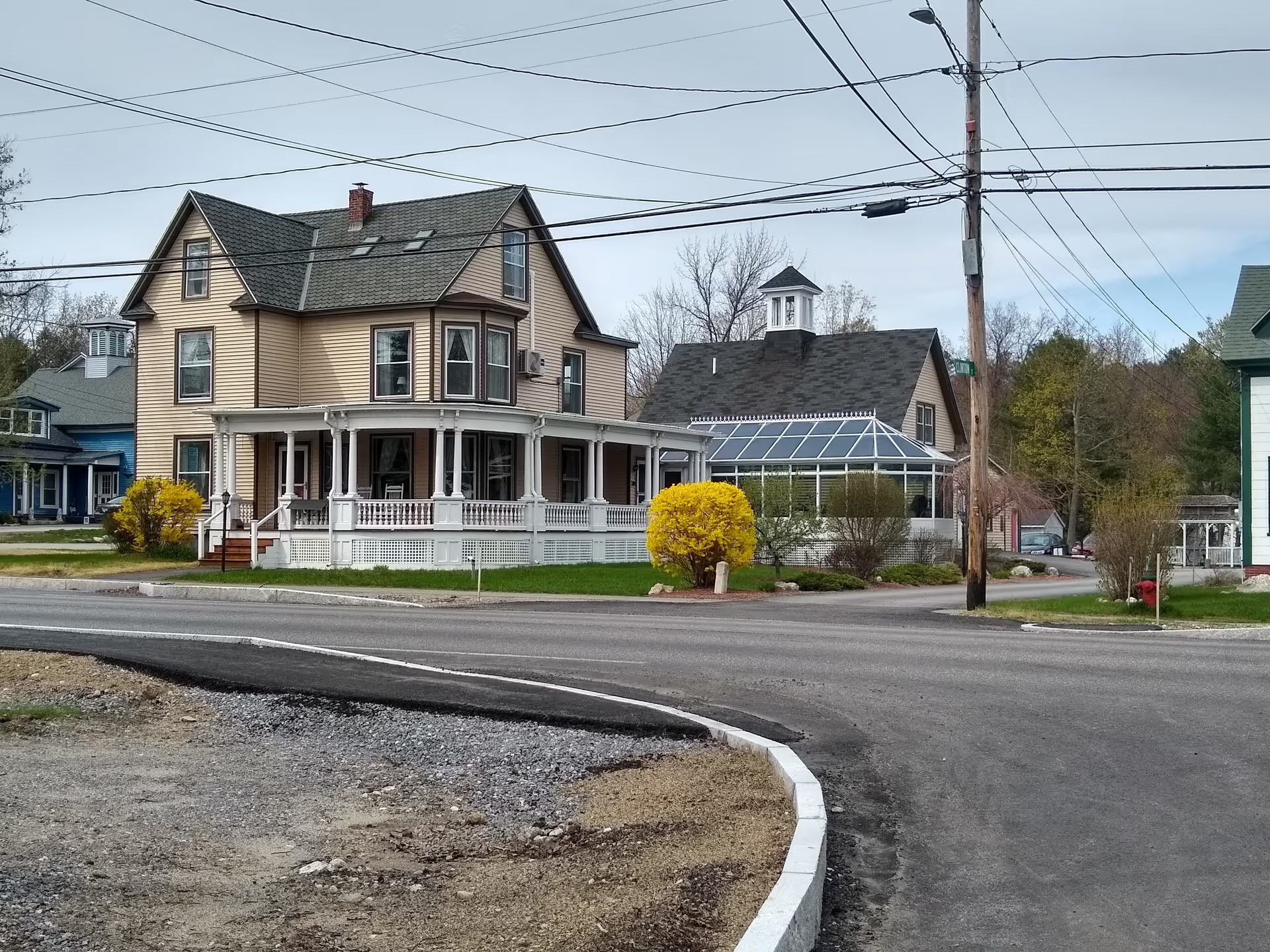
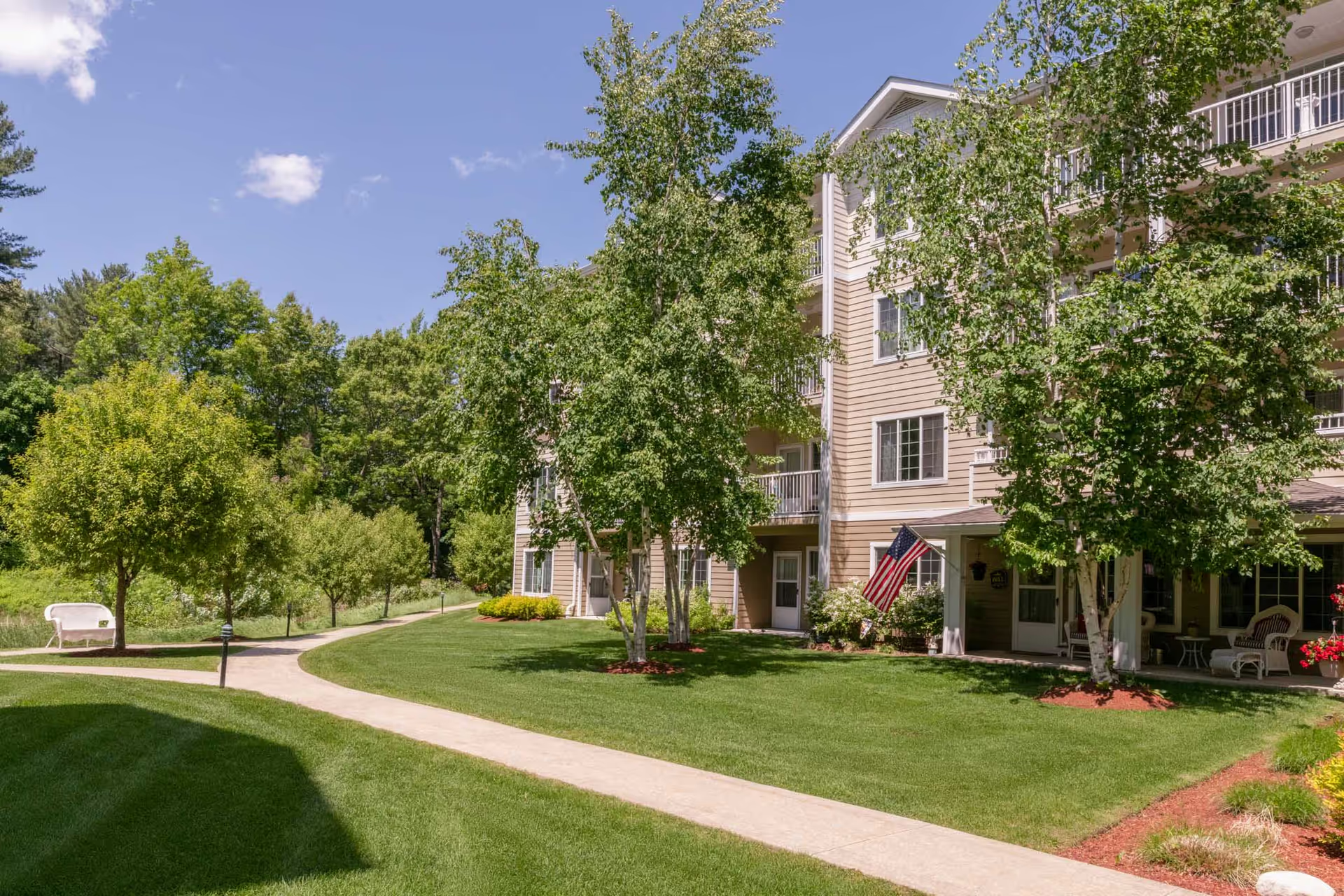
Dining and activities are frequently cited as positives. The dining room is described as bright and attractive, with varied menus and a chef willing to accommodate preferences. The activities program and coordinator receive consistent commendation for keeping residents engaged and socially connected. The facility’s physical environment — attractive grounds, pleasant common areas, private rooms, and pet-friendly policies — is another commonly noted strength that contributes to a home-like atmosphere for many residents.
Management and communication receive mixed evaluations. Many families say administration is responsive, transparent, and effective at resolving insurance and placement issues; others question consistency in oversight and express concern that operational problems are not uniformly addressed. Given this variability, prospective residents and families might consider asking specific operational questions during a visit: current staffing ratios, housekeeping schedules and protocols, medication-administration safeguards, property-accountability procedures, and how the facility enforces advance directives and incident reporting.
In summary, The Courville at Manchester offers notable clinical and rehabilitative strengths and a generally welcoming physical environment, supported by many compassionate staff members. However, persistent themes around staffing consistency, housekeeping, property management, and occasional clinical-policy adherence gaps suggest that outcomes may vary by unit or time period. Families prioritizing strong rehab services and a pleasant environment will find clear positives here; those for whom consistent day-to-day staffing, supervision, and property security are paramount should confirm operational controls and monitoring practices before placement.