Reviews for Bridgeway Care & Rehab Bridgewater are strongly polarized, with a clear pattern: the facility receives consistent praise for its rehabilitation services, caring caregivers, and modern, well-kept environment, but it also attracts serious operational concerns primarily related to long-term care continuity and clinical oversight.
Care quality: The inpatient rehab program and therapy teams are frequently described as high-performing; many families praised physical and occupational therapists and reported measurable functional gains during short stays. By contrast, long-term skilled nursing experiences are more inconsistent. Common clinical concerns include delayed recognition of infection, problems with post-discharge continuity, and instances of emergent transfers back to hospital care. Several reviewers described premature or rapid discharges that required families to arrange skilled nursing at home. A small number of reviews raise serious clinical claims (for example, catheter-related complications and sepsis); these are isolated but significant and warrant verification during family visits and care planning.
Staff and leadership: Many reviews emphasize compassionate, communicative nurses, CNAs, and social-work teams; nursing leadership is sometimes noted as quick to resolve issues. At the same time, reviewers describe variability in staff conduct and responsiveness—particularly on weekends and night shifts—resulting in delays to respond to call bells and assist with personal needs. Families recommending the facility pointed to specific staff who went above and beyond, while detractors reported instances of inattentive or brusque interactions.
Dining and activities: Activity programming and social engagement are frequently praised, with reports of diverse, interactive offerings and a welcoming community atmosphere. Dining impressions are mixed: some families found the cuisine well-managed (including a meal-ordering app and nutritionist involvement), while others reported repetitive menus and small portions. Meal quality appears to vary by unit and time of stay.
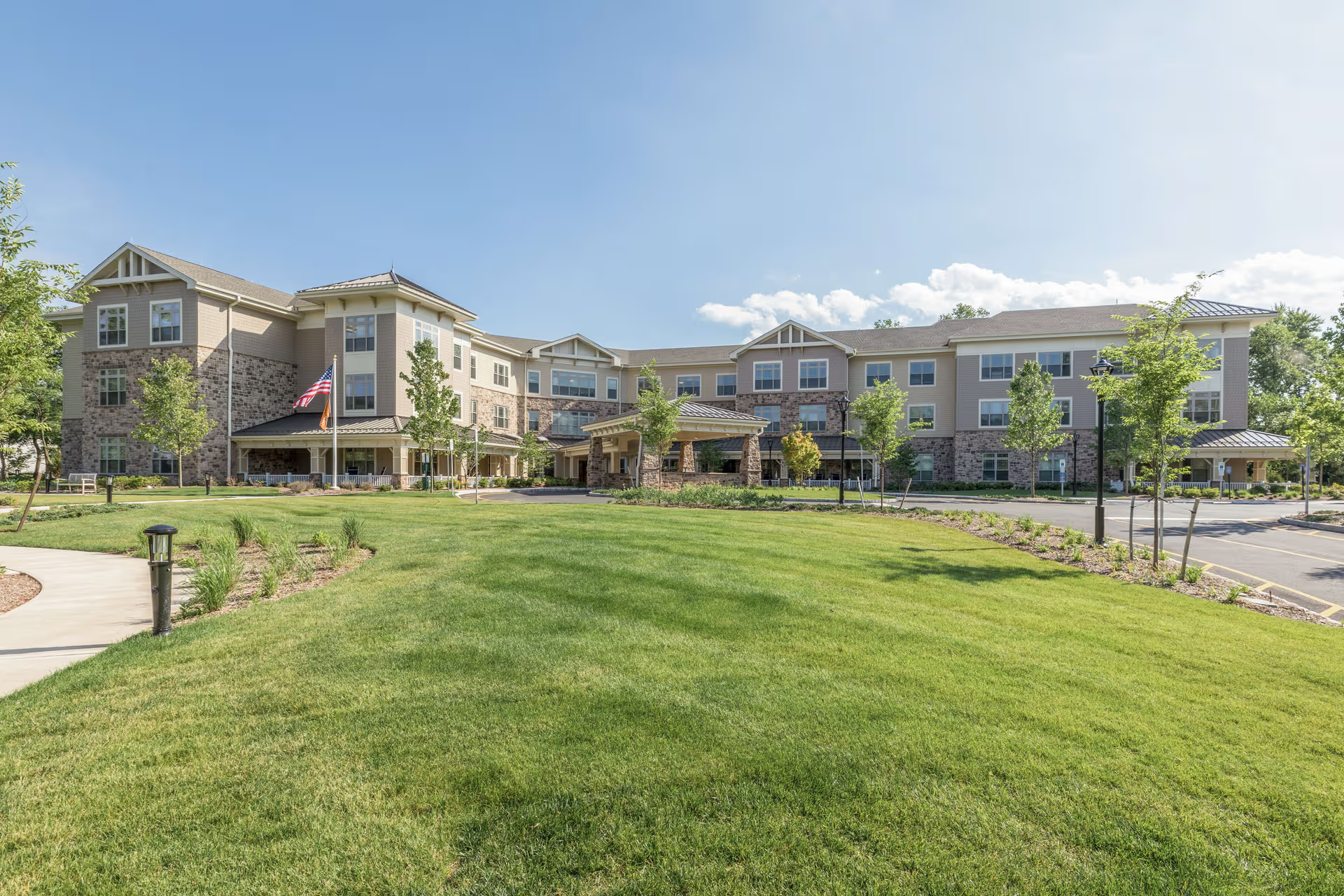
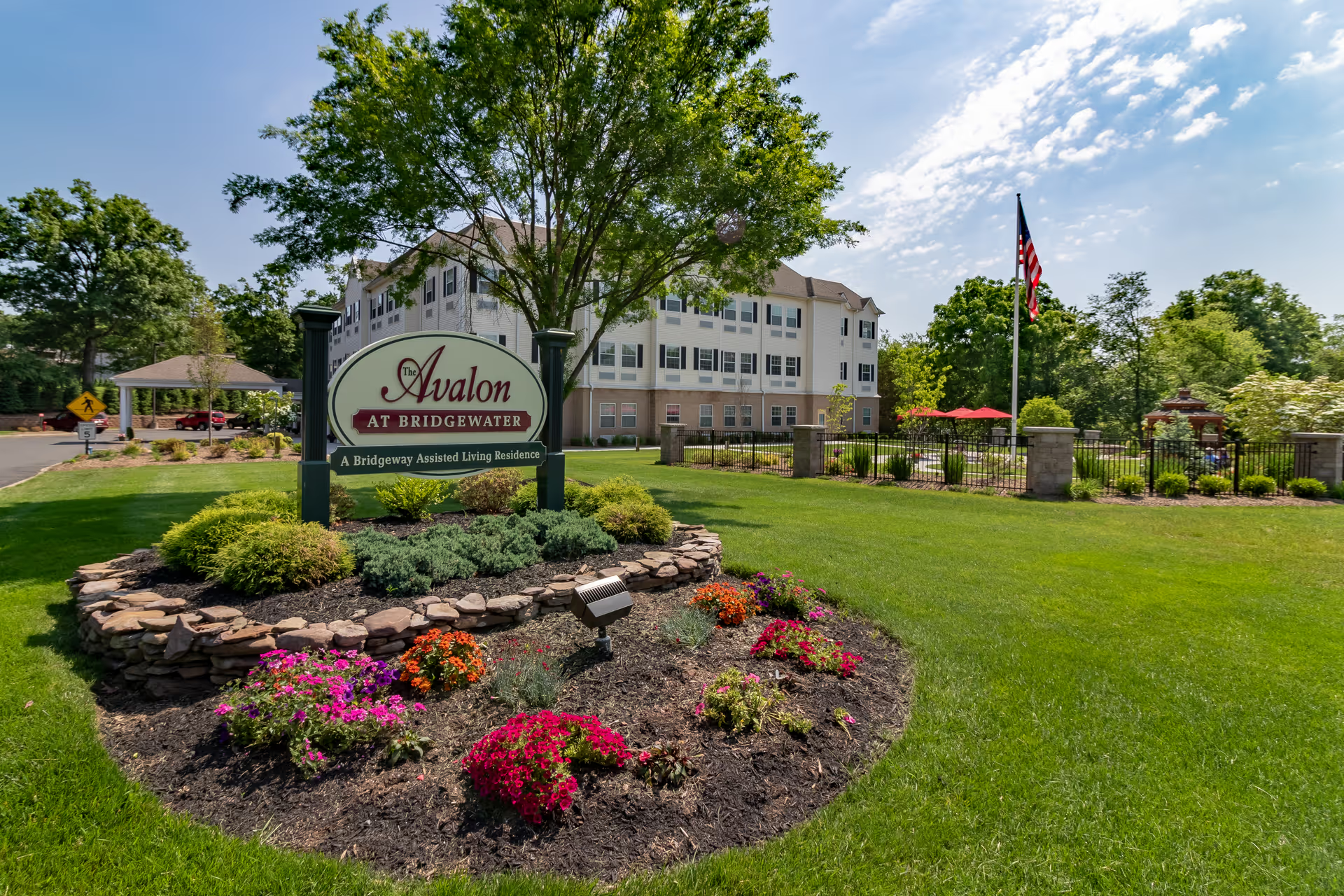
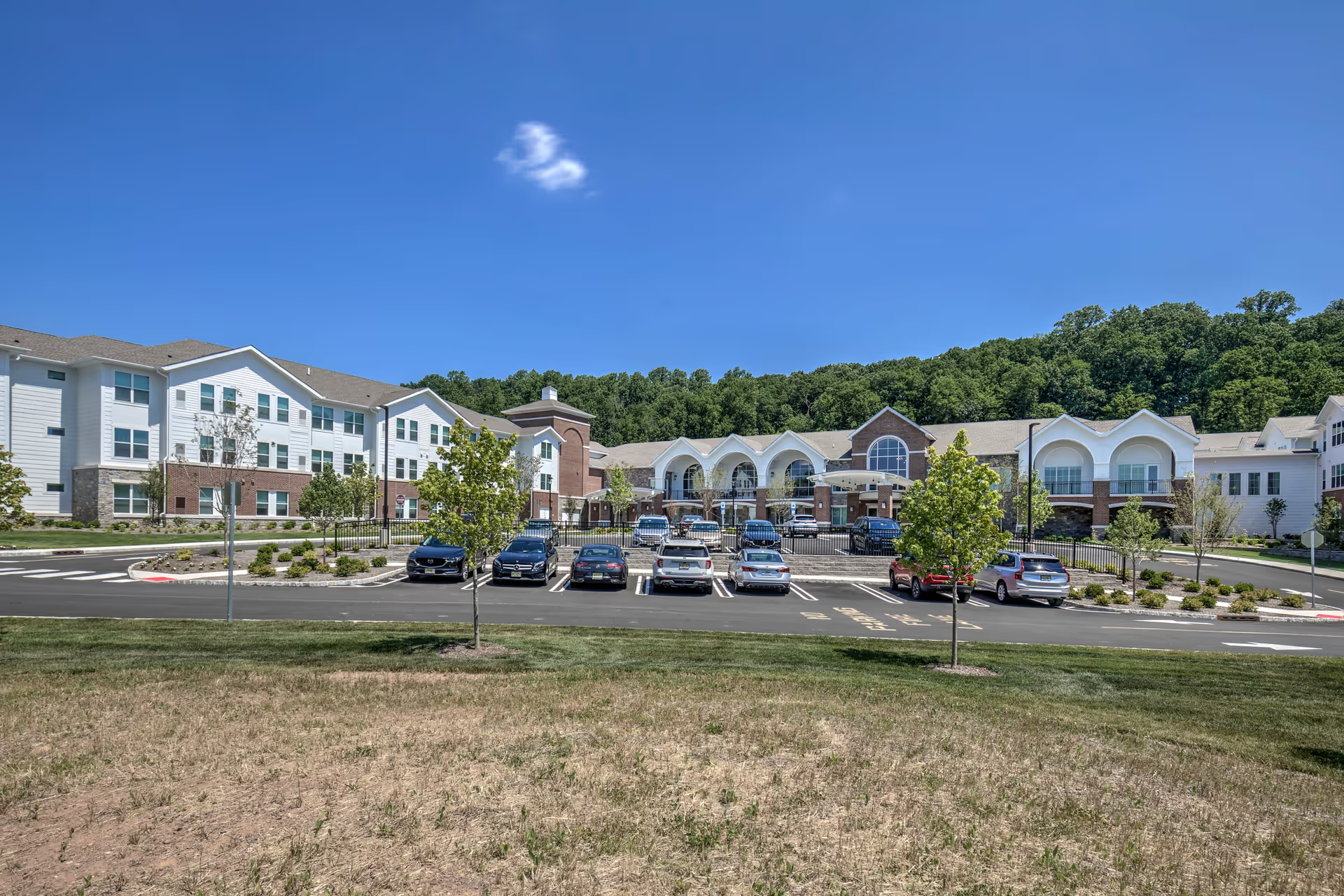
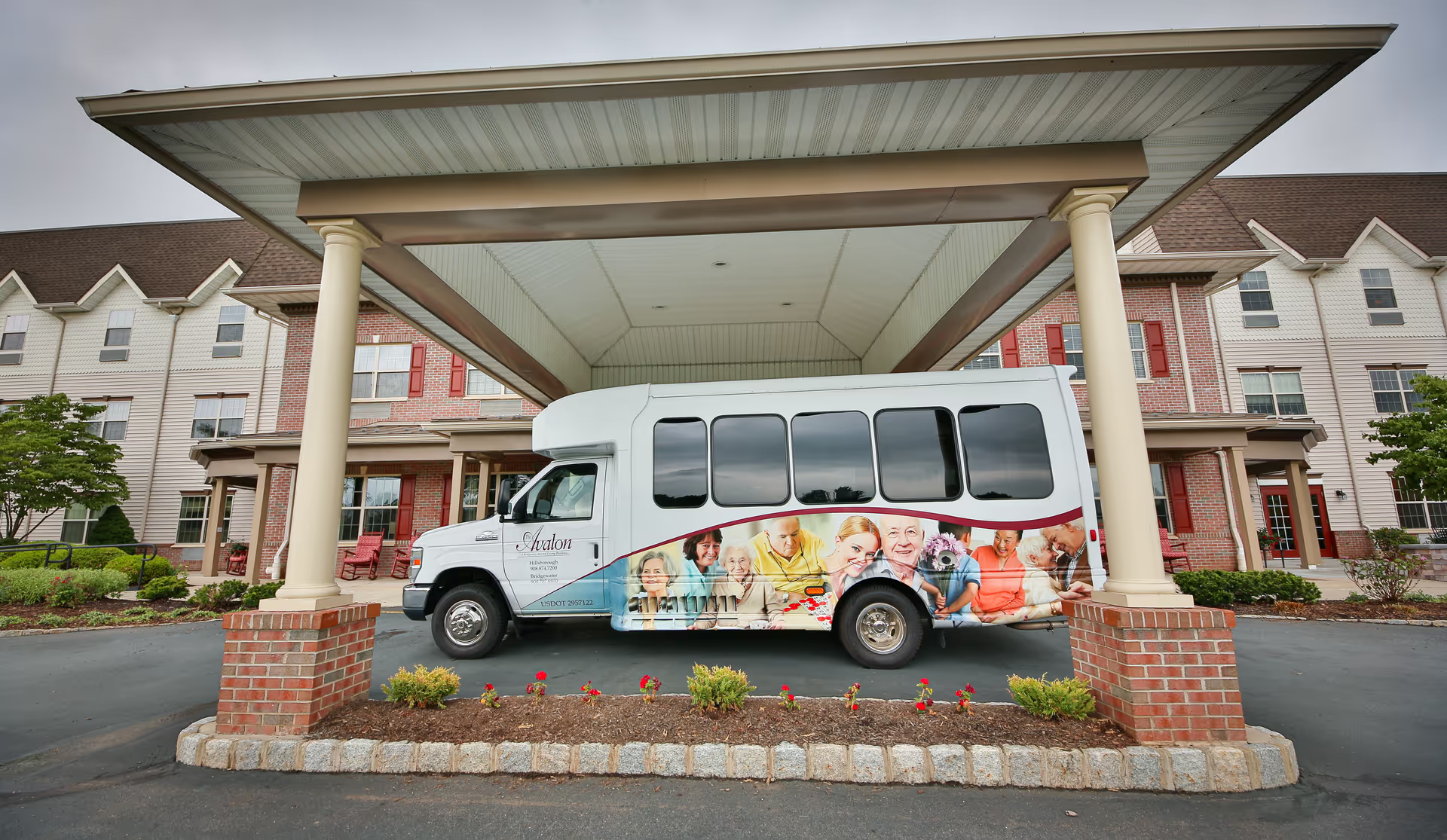
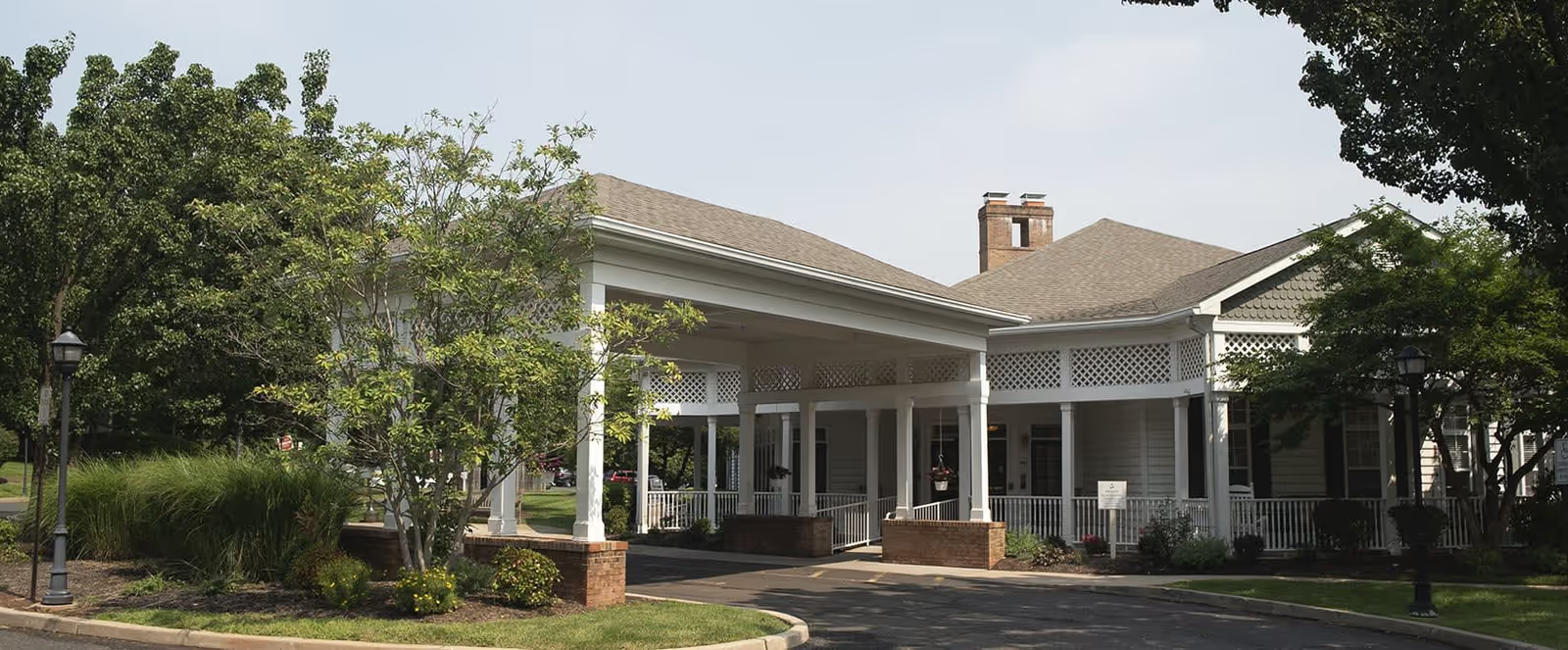
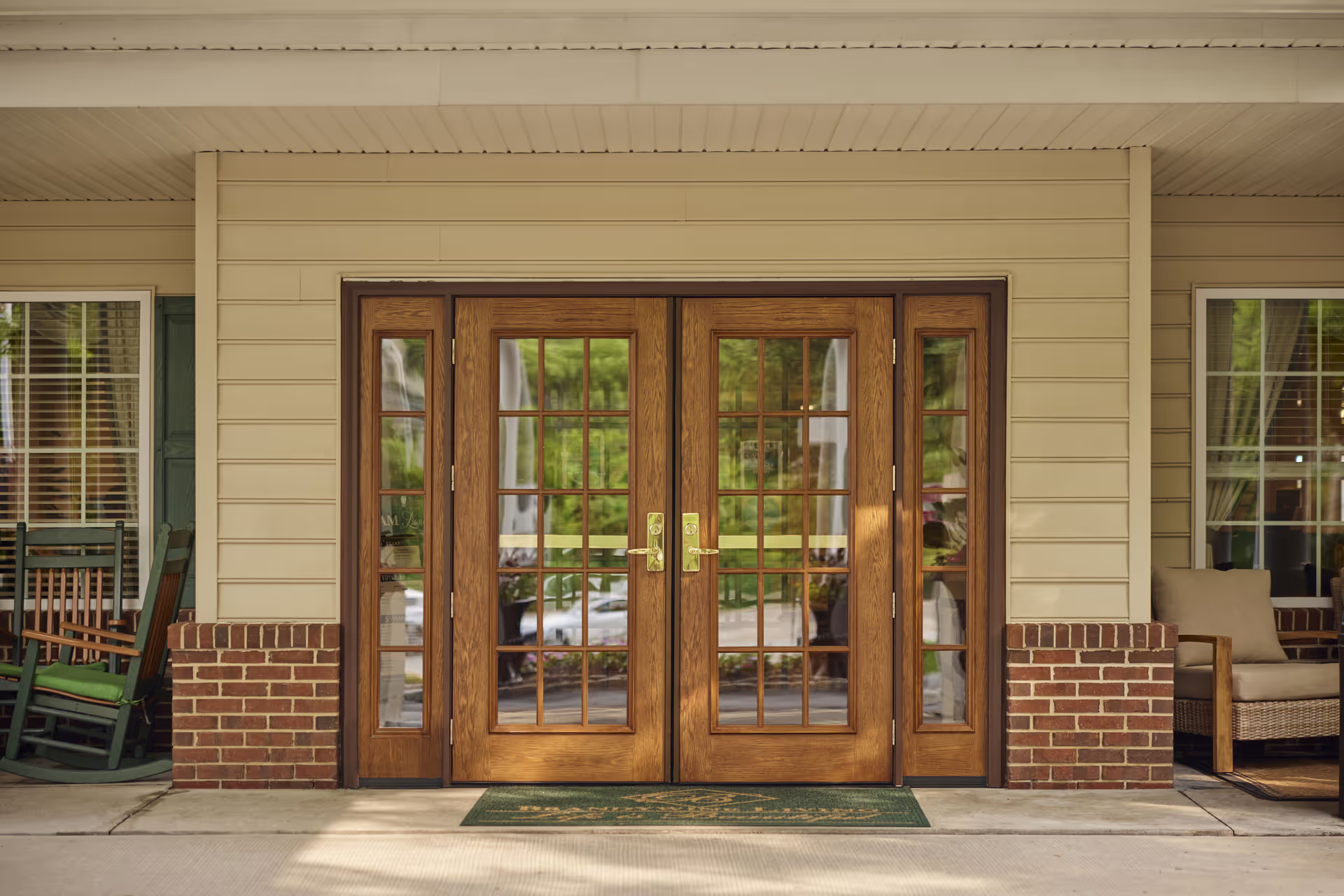
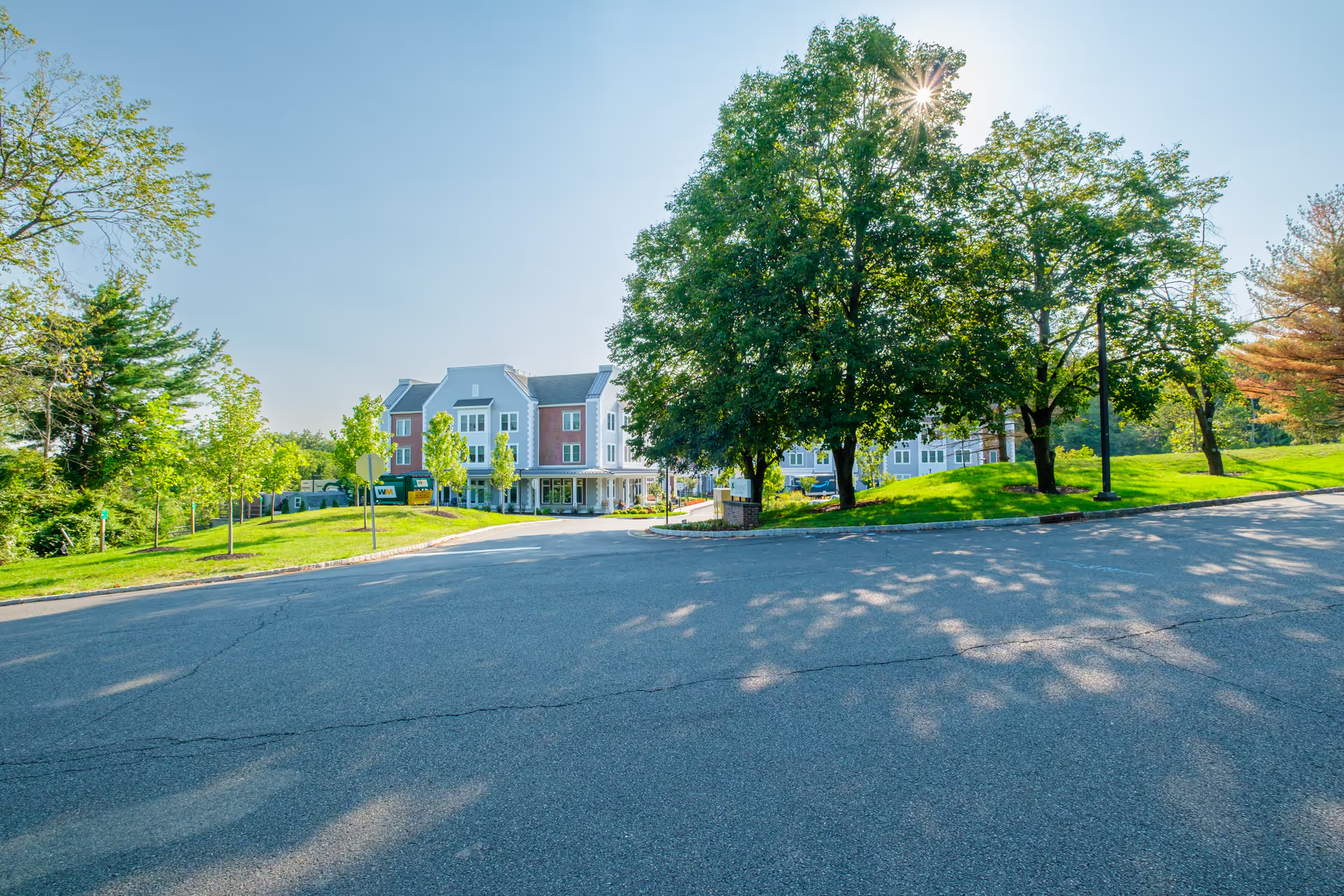
Facilities and safety: The campus, common areas, and grounds are repeatedly described as clean, modern, and comfortable, with a well-maintained atrium and an up-to-date visitor check-in/security system. However, operational safety concerns include lifting and transfer practices and occasional inconsistencies in sanitation or incontinence-care scheduling. Reviewers also flagged worries about respiratory-device (CPAP/oxygen) handling and medication administration procedures in a subset of cases.
Management and patterns to watch: Recurring operational themes include understaffing or limited coverage on weekends, a focus on bed turnover that can affect discharge timing, and variability in communication with families. While many families described positive, coordinated discharge planning led by social workers, others experienced abrupt transitions and limited weekend support. Given the mix of strong rehab outcomes and reported long-term care gaps, prospective residents and families should directly assess staffing levels across shifts, observe call-bell response times, review infection-control and respiratory-device protocols, and meet with social-work and nursing leadership to clarify discharge and continuity plans.
Overall, Bridgeway Care & Rehab Bridgewater presents as a facility with notable strengths in rehabilitation, therapy, and facility upkeep, supported by many compassionate staff members. Those strengths are tempered by operational inconsistencies—particularly in long-term nursing coverage, weekend services, and some aspects of clinical oversight—so families should perform targeted due diligence based on the resident’s level-of-care needs and the importance of reliable 24/7 clinical responsiveness.